
In today’s pursuit of architectural efficiency and sustainable development, light-gauge steel frame housing is quietly transforming the way we live. This residential system, featuring cold-formed thin-walled steel as its primary framework, not only revolutionizes traditional construction methods but also addresses the diverse demands of modern living with its unique advantages.
Seven Key Advantages: The Innovation of Light Steel Frame Homes
01. Significantly Faster Construction Speed
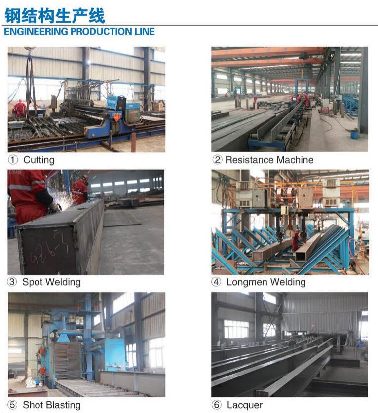
Traditional brick-and-concrete residential structures typically require 8 to 12 months for construction. In contrast, light-gauge steel structures utilize a factory-prefabricated, on-site assembly model that reduces construction time by 30% to 50%. Components are manufactured in standardized workshops, unaffected by weather conditions, and assembled on-site like building blocks. This approach significantly lowers labor requirements and on-site work hours. This highly efficient construction method is particularly well-suited for projects with urgent housing needs or tight schedules.
02. Outstanding Environmental and Energy Efficiency
Light steel homes reduce building material usage by approximately 40% per square meter compared to traditional construction. Steel components are 100% recyclable, and construction waste is cut by over 70%. Walls feature multi-layer composite structures with superior thermal insulation properties. Combined with energy-efficient window and door systems, this reduces building energy consumption by 30%-40%, significantly lowering carbon emissions.
03. Exceptional Structural Safety Performance
Cold-formed thin-walled steel sections offer a high strength-to-weight ratio, with seismic resistance exceeding Grade 8 and wind pressure resistance meeting Category 12 typhoon standards. The structural flexibility and deformation capacity of steel effectively dissipate seismic energy. Fire-resistant gypsum board and other cladding materials provide a fire resistance rating of 1-2 hours, meeting code requirements.
04. Flexible and Adaptable Spatial Layout
Unlike traditional load-bearing wall systems, interior walls in light-gauge steel frame homes are predominantly non-load-bearing. This allows for flexible adjustments to spatial divisions based on living needs. Such adaptability enables the home to evolve with the family’s life cycle, accommodating diverse stages from newlyweds to multi-generational households.
05. Stable and Controllable Quality
Factory production ensures millimeter-level precision in components, eliminating human error during on-site construction. Standardized processes and rigorous inspections guarantee consistency in materials and craftsmanship, fundamentally resolving common quality issues such as leaks and cracks found in traditional buildings.
06. Significant Comprehensive Economic Benefits
Although initial material costs may be slightly higher, the lightweight nature of light-gauge steel structures (approximately 30% of brick-concrete structures) substantially reduces foundation costs. Combined with short construction cycles, rapid capital recovery, low maintenance expenses, and extended service life (up to 50-70 years), the lifecycle cost advantages are evident.
07. Adaptability to Complex Terrain Environments
Light steel structural components are lightweight, facilitating easy transportation and requiring minimal on-site construction conditions. This makes them particularly suitable for complex terrains such as mountainous and sloped areas. Additionally, their dry construction method reduces water consumption, offering significant advantages in regions with scarce water resources.
Three Key Considerations: A Rational Perspective on Light Steel Frame Homes
01. Professional Design and Construction Are Critical
Light steel structures are highly integrated systems that must be designed and constructed by qualified and experienced professionals. Non-compliant designs can lead to structural issues, while unprofessional construction may compromise connection quality, thereby threatening overall safety. Owners should select companies with proven track records and strong reputations, ensuring professional technical supervision throughout the entire construction process.
02. Corrosion and Fire Protection Must Not Be Overlooked
Although modern galvanizing technology has significantly enhanced the corrosion resistance of light steel components, additional protective measures remain essential in high-humidity, coastal, or heavily industrialized areas. Regarding fire safety, while cladding materials may meet code requirements, attention must still be paid to details such as electrical wiring layout and fire compartmentation, alongside the installation of necessary firefighting equipment.
03. Post-Construction Maintenance and Modifications Must Follow Specifications
Maintenance and modifications to light steel frame homes must adhere to specific principles:
1. Do not arbitrarily remove or excavate walls; consult professionals before making any alterations.
2. Regularly inspect connection nodes, anti-corrosion coatings, and the condition of sealing materials.
3. Observe load limits during roof repairs to prevent concentrated loading.
4. Plan utility line routing in advance for electrical and plumbing modifications to avoid damaging structural components.
Conclusion: Seize Opportunities, Make Rational Choices
With its rapid construction, eco-friendly nature, and flexibility, light-gauge steel housing is emerging as a significant development direction in the construction industry. While not a flawless solution, it represents a high-quality option suited to specific needs and conditions. For homeowners seeking construction efficiency, valuing environmental sustainability, requiring quick occupancy, or facing complex terrain, light-gauge steel housing undoubtedly holds strong appeal.
Choosing a light steel home means embracing a modern lifestyle and architectural philosophy. Before making a decision, homeowners are advised to thoroughly understand their own needs, conduct on-site visits to completed projects, engage in in-depth discussions with professional teams, and clearly define material standards, construction requirements, and quality guarantees in the contract. Only by doing so can the technical advantages of light steel construction truly translate into living quality, enabling you to find your ideal home in the modern residential revolution.
If you’re considering a light steel structure home,Sino East Steel Enterprise co.,Ltd https://www.asia-structures.com/ offers a one-stop service encompassing professional consultation, personalized design, and high-standard construction. With 17 years of industry experience, we remain dedicated to transforming the advantages of light steel construction into tangible peace of mind for our clients’ homes.