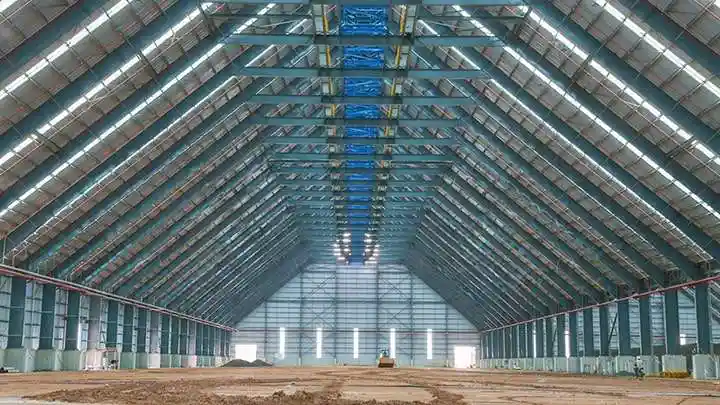
The Skeletons of Infrastructure Maniacs: A Look at China’s Top 10 Iconic Steel Structures
When the title of ‘Infrastructure Maniac’ echoed around the world, we marveled at China’s speed and scale, and we also saw the steel backbone that supports this reputation — steel structures.Steel has high strength and light weight. Under the same load-bearing conditions, steel structures have smaller component sizes and lighter structural weight compared to reinforced concrete structures and wooden structures, making them easier to transport and install.Steel has high strength and elastic modulus, with uniform material properties. Steel structures made from it exhibit good plasticity and toughness, as well as high precision. These characteristics significantly reduce construction time for steel buildings, increase the usable area of residential spaces, reduce construction waste and environmental pollution, and at the same time provide good seismic performance and ease of modification during use.
Today, let’s take a look at the top ten steel structures standing across China.
01 National Stadium (Bird’s Nest)
As the main stadium for the 2008 Beijing Olympics, the National Stadium is a globally renowned masterpiece of steel architecture. Its design is inspired by a life-nurturing nest, with the main steel structure surrounded by massive steel trusses. The total steel used amounts to 42,000 tons, and this steel structure is not merely a simple assembly, but is constructed through complex and precise fittings, with errors controlled to within millimeters, making it a pinnacle of architectural craftsmanship.
From an aerial view, the gray steel framework forms a massive and complex outline, with the bowl-shaped stands inside perfectly integrated with the external steel structure, ensuring excellent sightlines and acoustics during a full-capacity event.
02 Beijing Daxing International Airport
Beijing Daxing International Airport is hailed as the top of the “New Seven Wonders of the World,” with its terminal’s steel structure being magnificent and grand. The overall design adopts the shape of a “phoenix spreading its wings,” with the massive steel roof assembled from countless components. The largest span exceeds 200 meters, creating a spacious, column-free area that facilitates convenient passenger movement and aircraft parking and turnaround.
The C-shaped columns are the core highlight of the airport’s steel structure. These thick, sturdy columns extend to both sides, supporting the vast roof. The curved tops of the columns are elegant and smooth, not only bearing the load but also providing decorative beauty.
During construction, builders innovatively employed digital simulation and BIM technology to precisely manage the complex steel structure construction process, ensuring that all components were assembled with perfect alignment.
03 Shanghai Tower
Shanghai Tower is located in the Lujiazui Financial District and, at a height of 632 meters, is the tallest building in China and the third tallest in the world. Its most distinctive structural feature is the double-layer curtain wall system on the exterior, while the 128-story ‘vertical city’ is supported by a giant frame-core-tube-outrigger truss steel structure integrated with a concrete core tube. The exterior consists of a glass curtain wall support structure that spirals upward at a 120-degree angle, which not only effectively mitigates high-altitude wind loads but also gives the building an elegant form.
04 National Centre for the Performing Arts
Located on the west side of the Great Hall of the People in Beijing, the National Centre for the Performing Arts resembles a giant elliptical jewel of art set beside an artificial lake. Its exterior steel structure shell is semi-ellipsoidal, composed of tens of thousands of curved titanium panels and a sturdy steel frame.
The titanium panels reflect a silvery sheen under sunlight, while the steel framework not only shapes the aesthetic exterior but also ensures the acoustic performance of complex spaces such as the opera house, concert hall, and theater, as well as the operation of stage machinery.
05 Guangzhou Tower
Guangzhou Tower, also known as the “Slim Waist,” has become a landmark of Guangzhou due to its slender, elongated body and uniquely curved beauty. Its main steel structure is composed of 24 steel tube concrete inclined columns, 46 circular beams, and steel braces, forming an oval gradient grid that is narrower in the middle and thicker at the top and bottom. This grid structure continuously twists at a 45° angle, giving the entire tower a graceful curve reminiscent of a woman’s waist.
The construction of this irregular curved steel structure is extremely challenging. The construction team employed cutting-edge technologies such as 3D modeling and precise measurements to lift and weld countless steel components one by one into place. This design not only possesses a strong artistic appeal but also effectively reduces wind resistance, ensuring the stability of the structure at a height of 600 meters.
06 Xiamen Olympic Sports Center
The Xiamen Olympic Sports Center includes the Egret Stadium, Phoenix Gymnasium, and White Dolphin Swimming Pool, with a total construction area of 533,000 square meters, a total steel usage of approximately 62,000 tons, and over 100,000 steel components.
During the construction process, engineers applied key construction technologies such as BIM information-integrated construction, computer-synchronized control systems, and intelligent steel structure surveying and mapping, controlling the steel structure installation accuracy to an industry-leading millimeter level.
This sports center is a large public building, mainly used for sports events and activities, showcasing China’s advanced technology and high-quality standards in the field of steel structure engineering.
07 National Aquatics Center (Water Cube)
The Water Cube, complementing the Bird’s Nest, also shined brilliantly on the stage of the Beijing Olympics. With the design concept of a “cube of water,” its exterior appears as a blue box, supported by a sophisticated steel structural system that upholds this unique shape.
The steel framework of the Water Cube uses a new type of multi-faceted spatial rigid frame structure, with numerous and complexly connected members, yet it orderly forms a stable frame.
ETFE membrane covers it, giving a sense of lightness and transparency supported by the steel structure. As the world’s first building to apply ETFE membrane structure on a large scale, it represents the efforts of countless researchers and builders in overcoming the challenges of combining steel structures with membrane material.
08 Wuhan Railway Station
Wuhan Railway Station incorporates the imagery of the thousand-year-old famous building, the Yellow Crane Tower, into a modern transportation hub. Its large-span wavy roof is composed of multiple continuous arched steel structures, with the main arch spanning 116 meters, creating a magnificent impression. The interior space requires no pillar support, offering wide and open views. This building perfectly demonstrates how the most modern language of steel can express the most classical cultural sentiments.
09 CITIC Tower (China Zun)
Beijing CITIC Tower, inspired by the shape of the ancient Chinese ritual vessel ‘Zun’, stands 528 meters tall, making it the tallest building in Beijing. Its main structure is a giant frame-core tube with outrigger trusses and belt trusses. The building’s exterior tapers naturally from bottom to top, forming an elegant curved profile that resembles an ancient wine vessel. To achieve this shape and ensure structural stability, the exterior steel grid adjusts its angle and density with height, making construction extremely challenging.
10 Lightweight Steel Structure Tower at the Ruins of Nanjing Dabaotai Temple Park
The new tower in the Nanjing Dabaotai Temple Ruins Park is not a simple reconstruction, but uses a highly modern lightweight steel structure and glass curtain walls. Its framework is a delicate steel truss system covered with glass, forming the transparent shape of a nine-story pagoda. At night, when the lights inside illuminate, it shines brilliantly like an eternal lighthouse. This is a modern tribute to the historical glazed pagoda that was destroyed, using the contemporary language of steel structure to engage in a timeless dialogue with the historical ruins.
Conclusion
These ten iconic steel-structure buildings, with their outstanding engineering technology, profound cultural significance, and unique artistic charm, together form the strong backbone of China as a ‘construction powerhouse.’ China’s construction capabilities have long surpassed mere quantity and scale, continuously advancing toward new heights of innovation, quality, and aesthetics.
Project Cost Guides & China Factory Supply
Transparent 2026 pricing benchmarks for importers, contractors and developers.
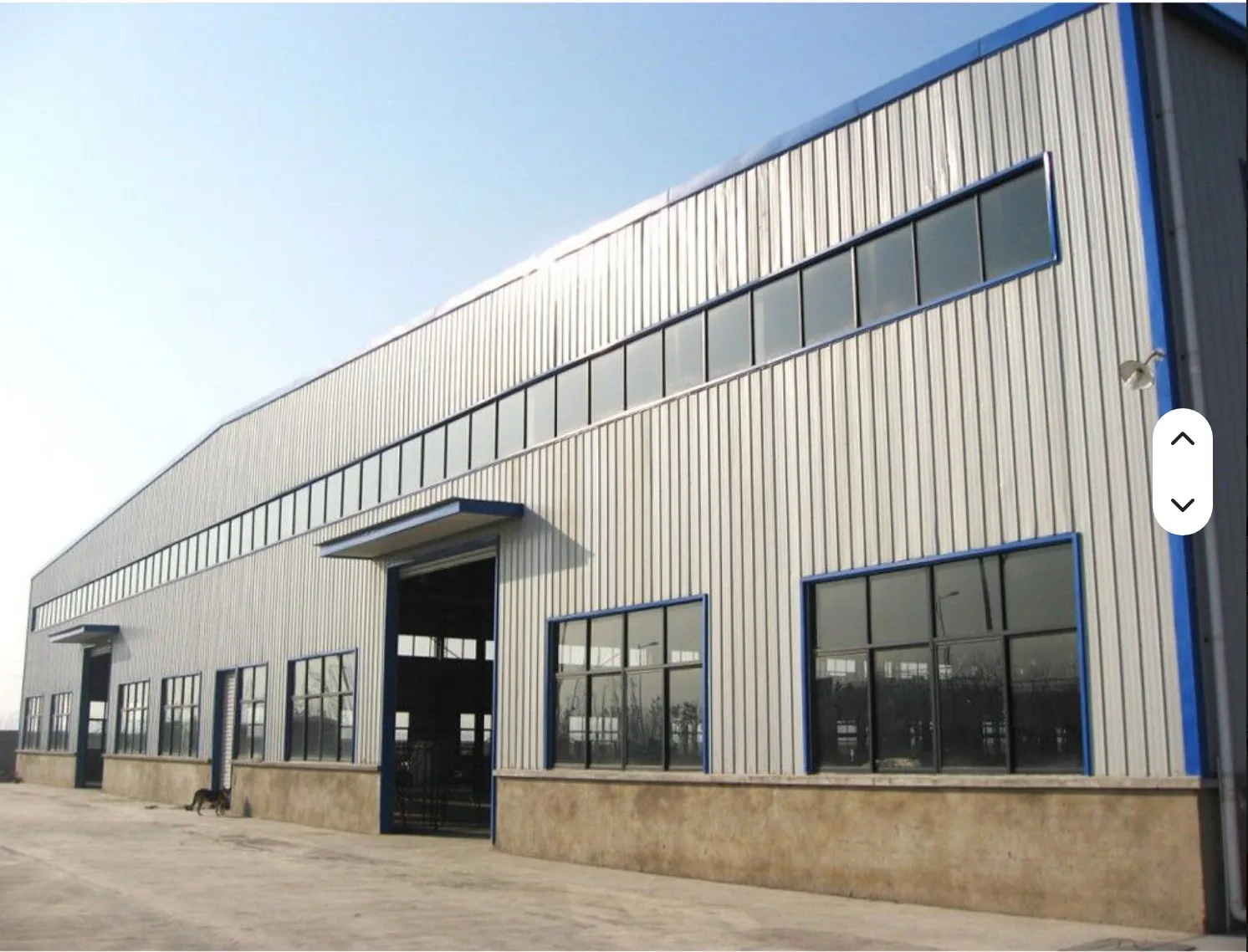 PEB Building Cost in UAEReal 2026 price per square metre for warehouses and factories in Dubai, Abu Dhabi and the wider Gulf, including shipping, customs and erection.Dubai / Abu Dhabi benchmarksView details →Nigeria
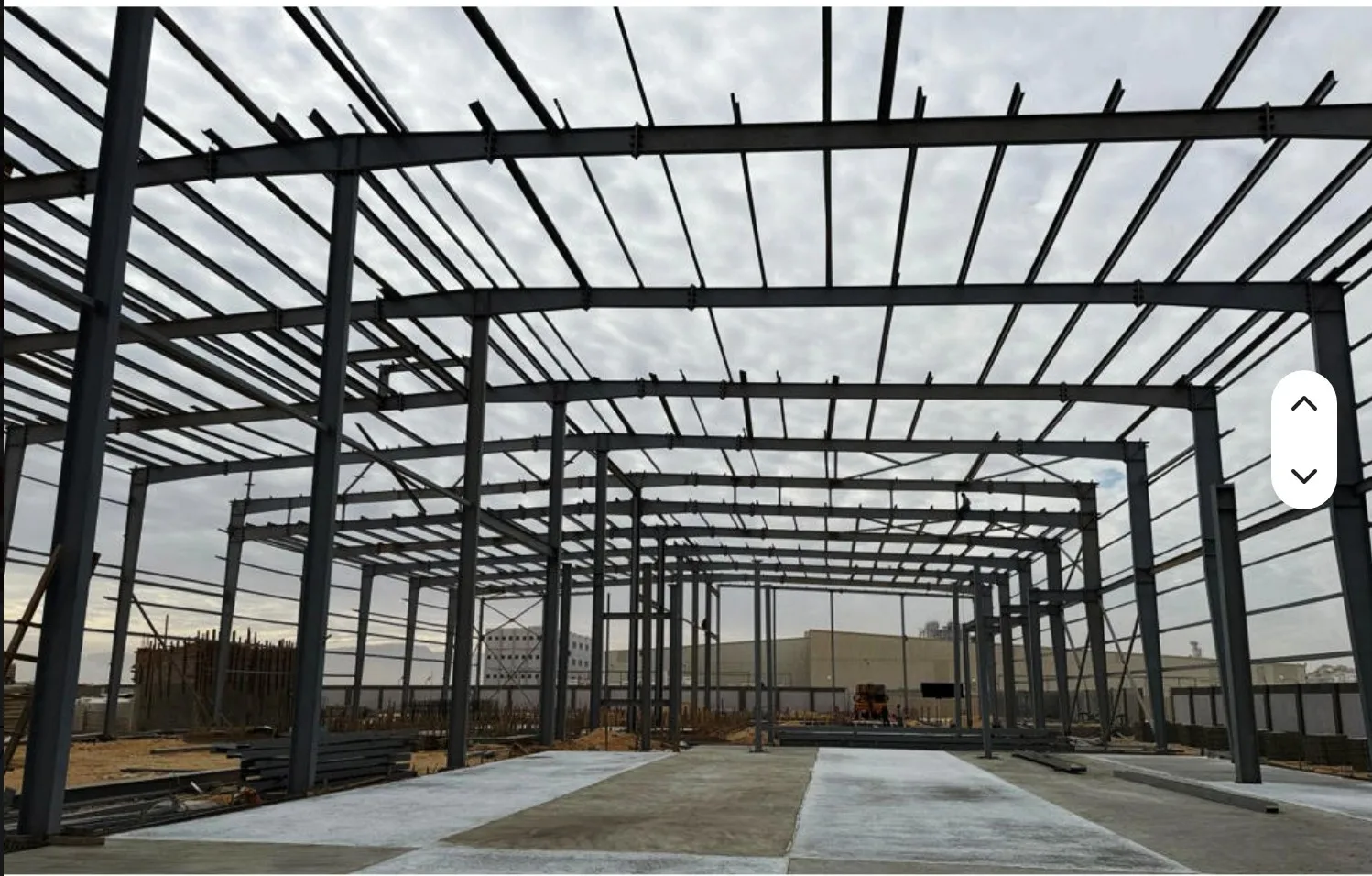 Steel Structure Cost in NigeriaLanded cost breakdown for Lagos and Abuja projects: steel tonnage, freight to Apapa, clearing, and local erection labour rates.Lagos / Abuja landed costView details →Kenya
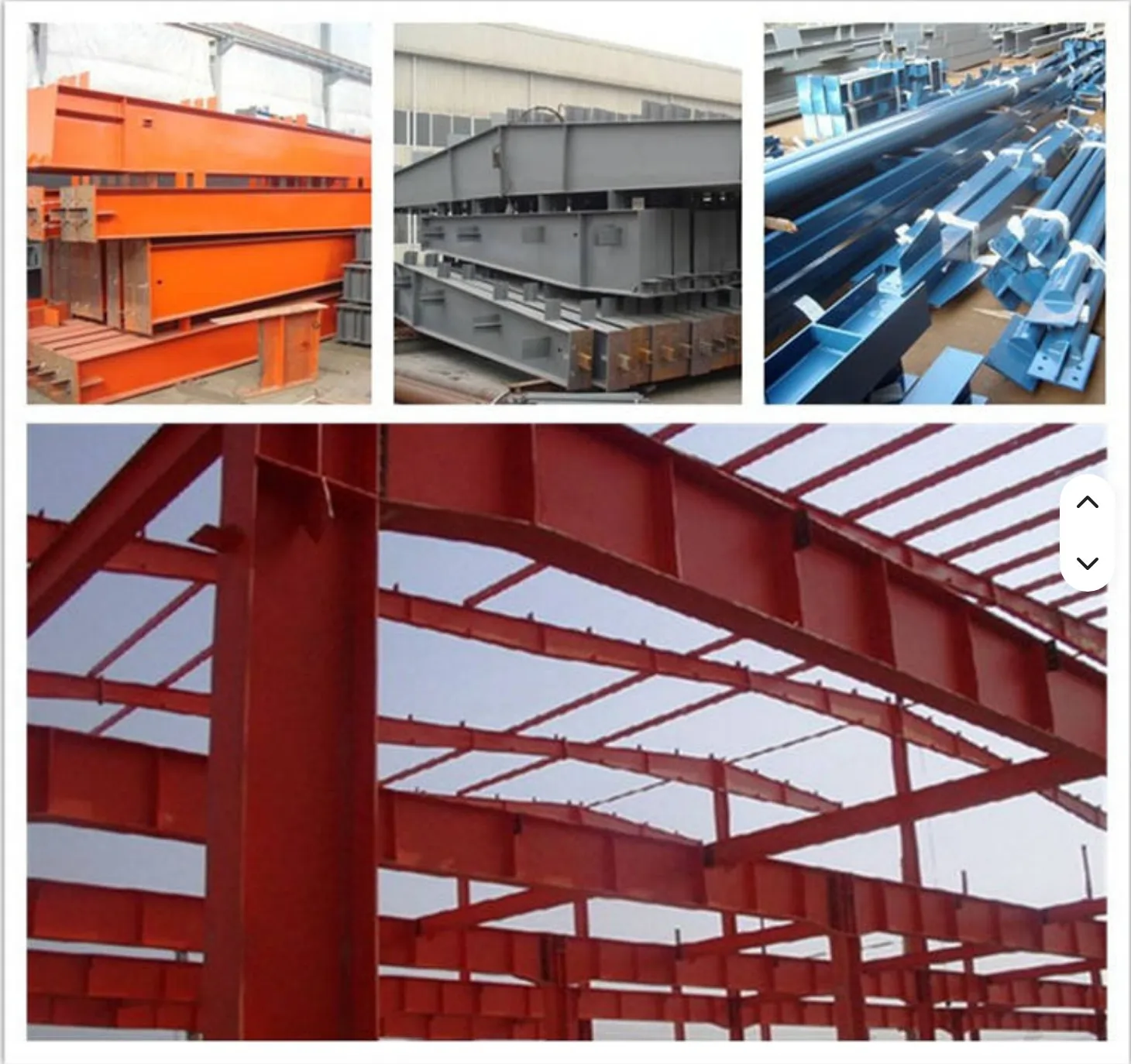 Steel Structure Cost in KenyaMombasa port charges, duty, transport and installation factored into a full 2026 budget for Nairobi and Mombasa industrial buildings.Nairobi / Mombasa budgetView details →China Factory
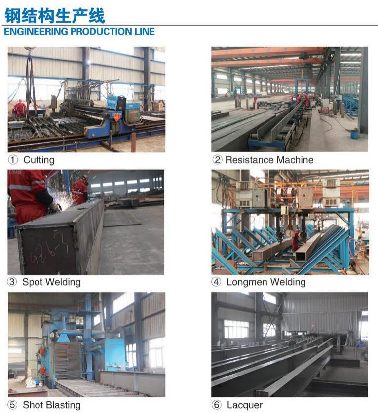 China Steel Structure ManufacturerOur own fabrication lines, ISO and CE certification, 350,000 sqm annual capacity and direct factory pricing with no trading margin.Direct factory quotationView details →