Zhaozhou Bridge is located on the Xiao River in Zhaoxian County, Shijiazhuang City, Hebei Province. It was built under the supervision of the Sui Dynasty craftsman Li Chun between 595 and 605 AD. Having withstood fourteen floods, eight wars, and countless earthquakes, it is the oldest and best-preserved single-span open-spandrel stone arch bridge in China, with a history of over 1,400 years. Zhaozhou Bridge is acclaimed as the ‘First Bridge Under Heaven’ and holds an important place in the history of Chinese bridges.
In contemporary times, when we gaze up at towering skyscrapers or cross spectacular bridges over rivers and seas, those gleaming steel structures likewise showcase the craftsmanship of modern engineering. Separated by a thousand years and made of different materials, both reveal a remarkable similarity in their mastery of mechanics, aesthetics, and artisan skill.
The millennium-long standing of the Zhaozhou Bridge is based on in-depth research into the relationship between material mechanics and structural systems. Stone, as a typical compressive material, has strong compressive strength and relatively weak tensile strength, which makes the arch structure its most ideal form.The ‘open-shoulder arch’ structure first created for the Zhaozhou Bridge, where two small arches are opened on each side of the main arch, is a perfect embodiment of structural mechanics: it not only reduces the bridge’s own weight and saves materials, but also increases the discharge capacity during flooding, lessening the impact of floodwaters on the bridge. Even more ingenious is that this structure greatly reduces the fill between the arch and the bridge deck, thereby lowering the horizontal thrust on the piers and enhancing overall stability.Each stone has found its most suitable position within the arch structure, converting vertical loads into compressive stress transmitted along the curve of the arch through mutual pressure and support, ultimately leading to the solid abutments on both sides.
Looking to the modern era, steel structures, with their high strength, light weight, excellent toughness, and efficient industrialized construction, have reshaped the city’s skyline and the network of its transportation.From the openwork framework of the Eiffel Tower to the intricate weaving of the Bird’s Nest Stadium, from the majestic suspension of the Golden Gate Bridge to the core-tube frame system of supertall buildings, steel structures have propelled the scale and form of engineering to unprecedented heights.Behind these modern engineering works, we can see a structural philosophy that traces back to the Zhaozhou Bridge. Every piece of material is made an effective part of the load-bearing system, allowing the flow of force to transmit to the foundation along the simplest and most direct path.The ‘open-spandrel arch’ of the Zhaozhou Bridge is designed to optimize the flow of forces, and in modern steel structures, the complex design of nodes and the arrangement of various supports and tie rods serve the same purpose. The difference is that the ancients relied on experiential knowledge and intuitive understanding, while contemporary people use precise mathematical mechanics models and computer simulations. The tools may differ, but the wisdom is the same.
In mastering and utilizing the properties of materials, craftsmen throughout history have shown remarkable tacit understanding. Li Chun was well aware of the characteristics of limestone—it has high compressive strength but low tensile strength. Therefore, he played to its strengths and avoided its weaknesses, choosing an arched structure primarily to bear pressure, and employed a series of exquisite masonry techniques so that each independent arch could be easily repaired if damaged.In an era scarce of metals, he used ‘invisible’ metal components such as iron belts and rods to strengthen the connections between stones, compensating for their shortcomings in tension and joining.
Modern steel structure engineers also possess exceptional skills in mastering the properties of materials. They are not only well-versed in the strength, toughness, and weldability of various steels, but they also continuously optimize these properties through techniques such as heat treatment and cold working.They created a variety of profiles such as H-beams and box sections to achieve maximum load-bearing capacity with the most economical cross-sections. To address the ‘weaknesses’ of steel, which is fire-prone and susceptible to corrosion, they developed fireproof coatings, anti-corrosion layers, and efficient fire protection construction measures.What is even more profound is that the modern concept of ‘performance-based design’ emphasizes fully understanding and utilizing the performance of materials under extreme conditions. For example, the plastic deformation capacity of steel can absorb a huge amount of energy, a characteristic that often gives it superior seismic performance compared to brittle materials during major earthquakes.This profound exploration and respect for the potential of materials resonates across time and space on a philosophical level with “Li Chun and others” understanding and use of stone.
Going a step further, the sustainable wisdom embodied by the Zhaozhou Bridge of ‘living in harmony with nature’ has also been newly interpreted and elevated in today’s field of steel structures. The Zhaozhou Bridge adapts to local conditions, using local bluestone, and its structural form integrates with the natural environment. Having stood for over a thousand years without collapsing, it is itself an ultimate example of sustainability—achieving the longest-lasting function with minimal intervention.In contrast, modern steel structures have a recycling rate of over 80%, making them truly ‘green building materials.’ Prefabricated steel structure buildings are like assembling giant LEGO blocks, significantly reducing on-site wet work and construction waste, allowing for fast construction with low noise and dust pollution.These characteristics enable modern steel structure engineering to pursue both functionality and efficiency, while also striving to implement the concepts of circular economy and environmental protection. This represents a modern extension and technological leap of ancient wisdom in the dimension of sustainable development.
Undeniably, modern steel structures possess scientific theories, calculation tools, manufacturing processes, and new materials (such as high-strength steel, fire-resistant steel, and weathering steel) that ancient craftsmen could hardly achieve.We have gained the ability to accurately calculate stress and strain, acquired efficient connection techniques such as welding and high-strength bolt connections, and developed a comprehensive protection system against fire and corrosion. This is progress of the times, a powerful support that science provides to engineering.However, when we peel back these layers of technology, we find its core essence—the reverence for force, the understanding of materials, the contemplation of form, the mastery of the overall system, and the relentless pursuit of the optimal balance between safety, economy, and aesthetics—is fundamentally connected to the spirit of Li Chun and his peers.
This dialogue between the past and the present teaches us that true innovation does not mean completely abandoning tradition, but rather understanding the wisdom of our predecessors deeply and using new tools and materials to address the new problems posed by our times.The wisdom of the Zhaozhou Bridge has not slept through the long course of history; it quietly flows through the stress analysis of every steel beam, gleams in the optimization algorithms of every efficient structural form, and is engraved in every engineer’s eternal pursuit of structural safety and aesthetic perfection. This thousand-year-spanning resonance is a civilization’s inheritance of strength and beauty.
Recommended Steel Section & Profile Solutions
Mill-certified sections with full size charts, weight tables and cut-to-length service.
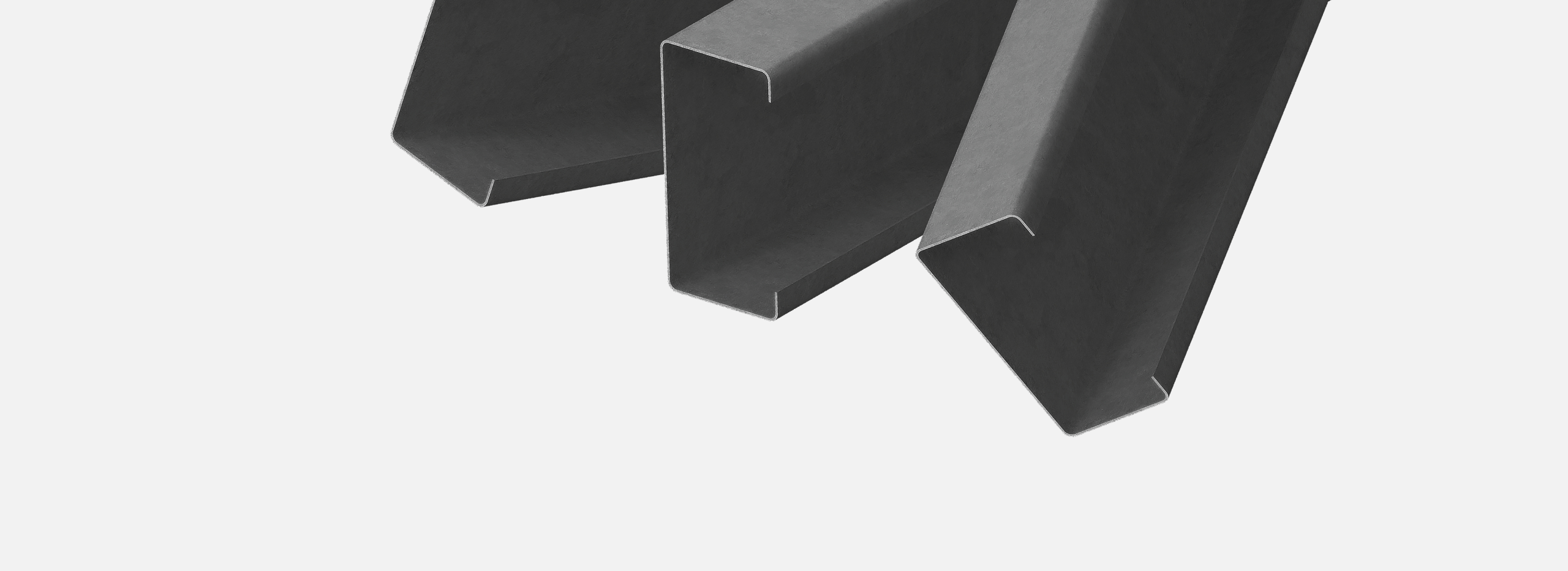 C & Z Purlin SystemsCold-formed C and Z purlins from 1.5 mm to 3.0 mm, galvanised to Z275. Complete roof and wall package with cladding and accessories.Full size & weight chartView details →Buyer Guide
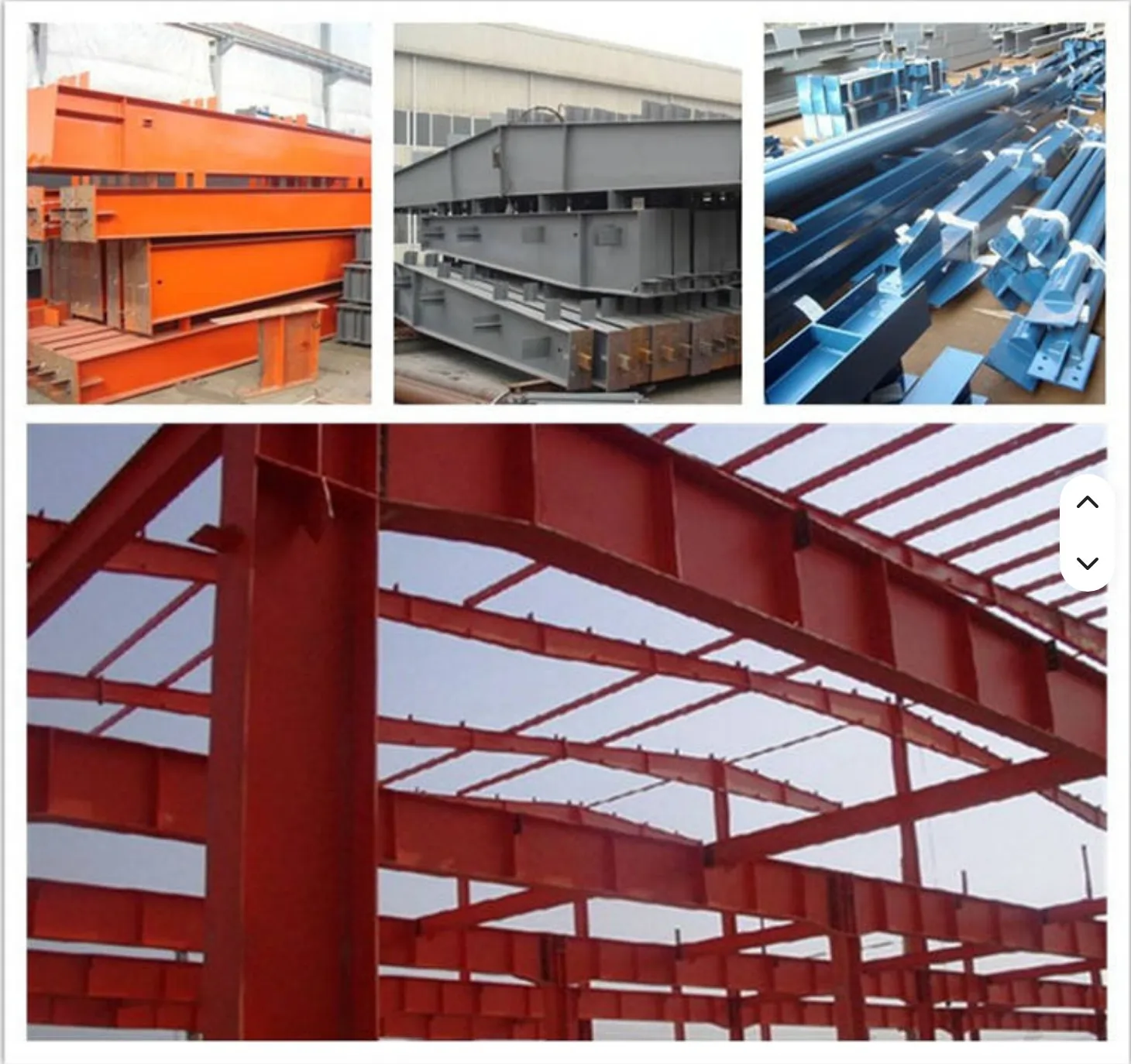 Steel Section Selection GuideCompare H-beam, I-beam, channel, angle, hollow section and sheet pile side by side: dimensions, weight per metre and the right application for each.Specs, weights, tolerancesView details →Hollow Section
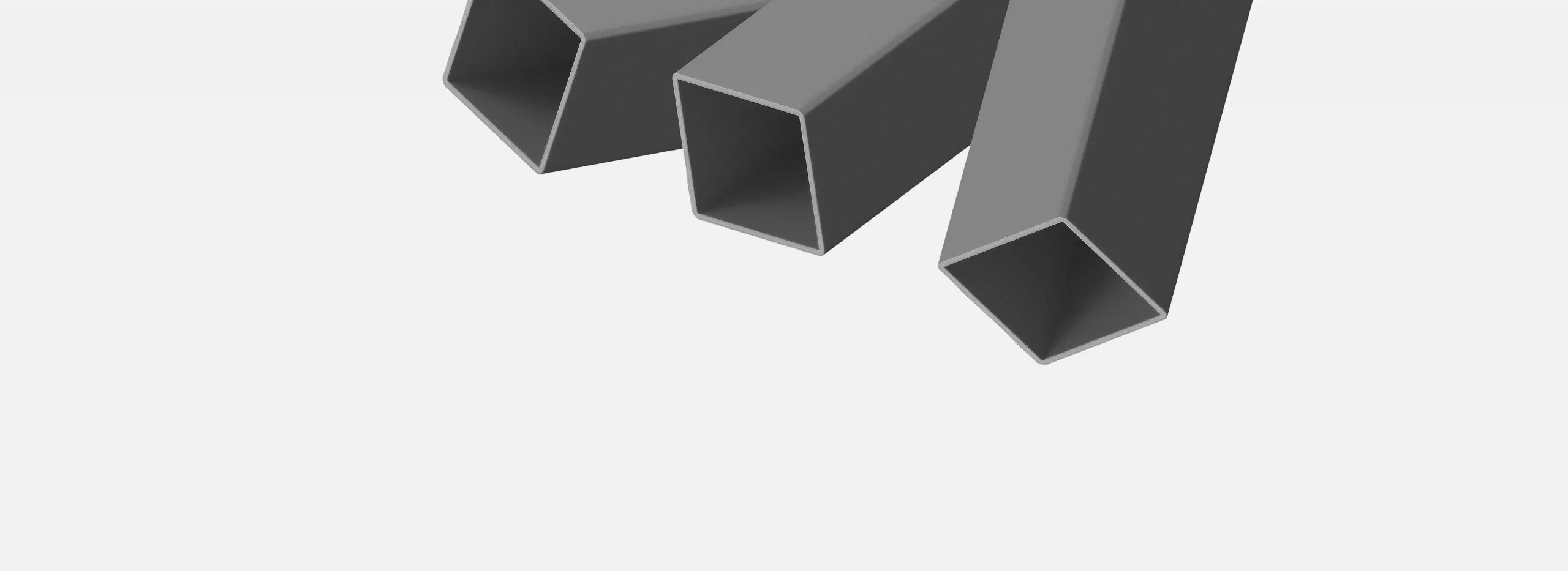 Square & Rectangular TubeSHS and RHS from 20x20 mm up to 400x400 mm, wall 1.5 mm to 20 mm, EN 10219 and ASTM A500. Pre-galvanised and cut-to-length options.EN 10219 / ASTM A500View details →Foundation
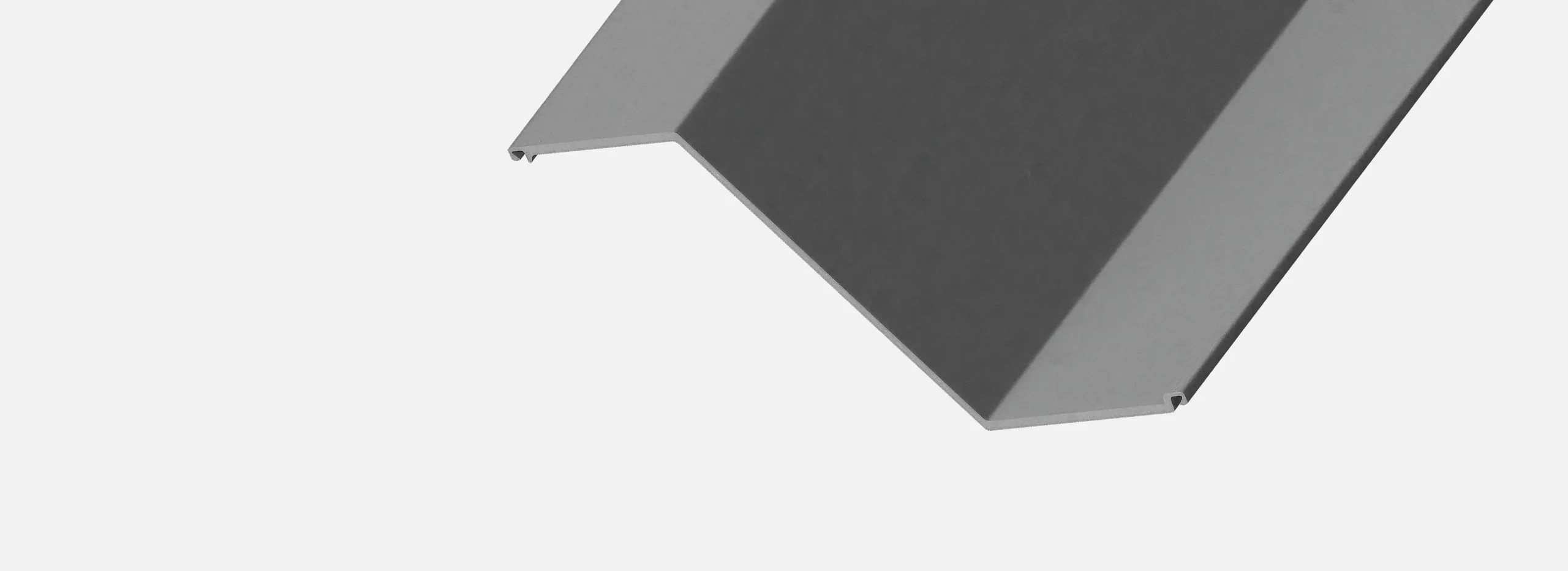 Steel Sheet Piles (Z & U)Z-type and U-type sheet piles for retaining walls, cofferdams and port works. Mill test certificates and third-party inspection available.Z-type & U-type in stockView details →