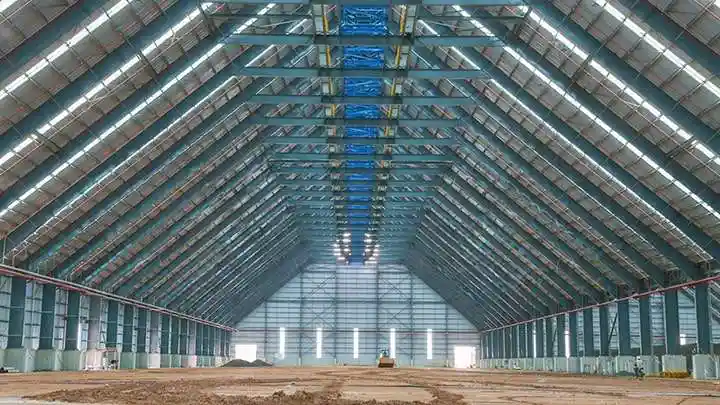
Throughout the history of human civilization, architecture has always been a fusion of technology, art, and the spirit of the times. As the world collectively faces the severe challenge of climate change, ‘low carbon’ has become an imperative direction for development.As a major contributor to global energy consumption and carbon emissions, the transformation of the construction sector is urgent. In this context, steel structure buildings have emerged as a prominent trend in China. With inherent advantages such as high material strength, light weight, rapid construction, and high recyclability, steel structures align closely with China’s national strategy for sustainable development.
01 Full Lifecycle System Thinking
The low-carbon intelligence of Chinese steel structures is first reflected in a system-wide lifecycle thinking that spans materials, construction, usage, and even decommissioning.It breaks the traditional limitation of focusing solely on energy consumption during the building’s operational phase, achieving full-life carbon reduction from production to recycling.
As a major steel-producing country, China actively promotes the use of high-performance steel, weathering steel, and recycled steel. For example, using high-strength steel can significantly reduce the cross-sectional size of components, saving 15%-30% of material and directly reducing the ‘gray energy’ and carbon emissions embedded in steel production.In addition, steel is currently one of the materials with the highest global recycling rate. The promotion of steel structures in China has significantly reduced dependence on virgin ore and the large amount of carbon emissions produced during iron smelting, achieving a sustainable cycle of resources.
The core approach of steel structure buildings is prefabricated construction, where components are precisely manufactured in a factory and rapidly assembled on-site using machinery. This method greatly reduces on-site wet work, lowers construction energy consumption and water usage, shortens construction periods, decreases on-site equipment operation time and energy consumption, significantly reduces construction dust and building waste, and improves the on-site environment.
02 The Era of Intelligent Digitalization
Digital design centered on BIM technology. During the design phase, BIM technology enables multidisciplinary collaboration and clash detection, optimizes the structural system, and prevents rework and waste.Through performance simulation analysis, the building’s energy consumption and lighting are optimized from the design stage. More importantly, the BIM model is directly connected to the factory’s intelligent production line, enabling a seamless transition from the digital model to physical components with millimeter-level precision, ensuring quality from the source and reducing improper material waste.
The widespread application of intelligent construction and smart equipment. In factories, robots are used for automated material handling, welding, and spraying, which has become the standard configuration for advanced production lines, improving both efficiency and quality consistency.On construction sites, IoT sensors monitor structural stress and deformation, drones conduct progress inspections, and smart wearable devices ensure construction safety. These technologies together create a ‘transparent construction site,’ enabling real-time monitoring and precise management of resources and energy consumption, making every carbon footprint traceable and optimizable.
Intelligent operation and resilient adaptation. By installing sensors and building automation systems, the indoor environment can be adjusted in real time, energy can be allocated as needed, and operational efficiency can be maximized.In addition, the ease of modification and expansion of steel structure buildings gives them long-lasting vitality, preventing them from being completely demolished due to outdated functions, which in itself is the most effective form of low carbon.
03 Policy and Market
At the policy level, from the national ‘Green Building Action Plan’ to the ’14th Five-Year Plan for Building Energy Efficiency and Green Building Development,’ a series of top-level designs have clearly outlined the development goals and pathways for prefabricated buildings and green buildings.The supporting policies on land, finance, and floor area ratio incentives across various provinces and cities have injected strong vitality into the steel structure market. For example, giving priority to steel structures in public buildings such as affordable housing, schools, and hospitals has played a good demonstrative role.
At the market level, under the guidance of the ‘dual carbon’ goals, green finance is beginning to favor low-carbon buildings. Real estate companies are taking green and low-carbon attributes as new dimensions of product competitiveness. The rise in consumers’ environmental awareness is also forcing the market supply to transform.A group of leading companies focusing on the research, design, manufacturing, and construction of steel structure systems has emerged, continuously reducing costs and improving performance through technological innovation.
04 Challenges and Development
The large-scale application of steel structures in the residential sector still requires further breakthroughs in terms of cost and market acceptance; continuous research and development are needed to improve the overall performance of steel structures in fireproofing, corrosion resistance, and sound insulation; and an efficient steel recycling system after the demolition of buildings needs to be collaboratively perfected by society as a whole.
Looking to the future, the low-carbon intelligence of China’s steel structure buildings will advance in broader and deeper dimensions:
Material re-evolution: The popularization of green low-carbon steel, the combination of bio-based composites and steel will further reduce carbon emissions from the source.
Intelligent structural systems: Intelligent structural systems adapted for robotic construction, equipped with self-sensing and self-regulating capabilities, making buildings safer and more energy-efficient.
Coexisting with nature: Steel structure buildings are designed to integrate more organically into the ecological environment, closely combined with systems such as vertical greening, urban agriculture, and rainwater collection.
Cultural Identity: Exploring the integration of steel structures with the aesthetics of traditional Chinese architecture and regional culture, allowing cold steel to convey the warm and subtle ambiance of the East.
Conclusion
In summary, Chinese steel structure architecture is not only a technical solution to address the climate crisis but also a reflection of a development philosophy.
Project Cost Guides & China Factory Supply
Transparent 2026 pricing benchmarks for importers, contractors and developers.
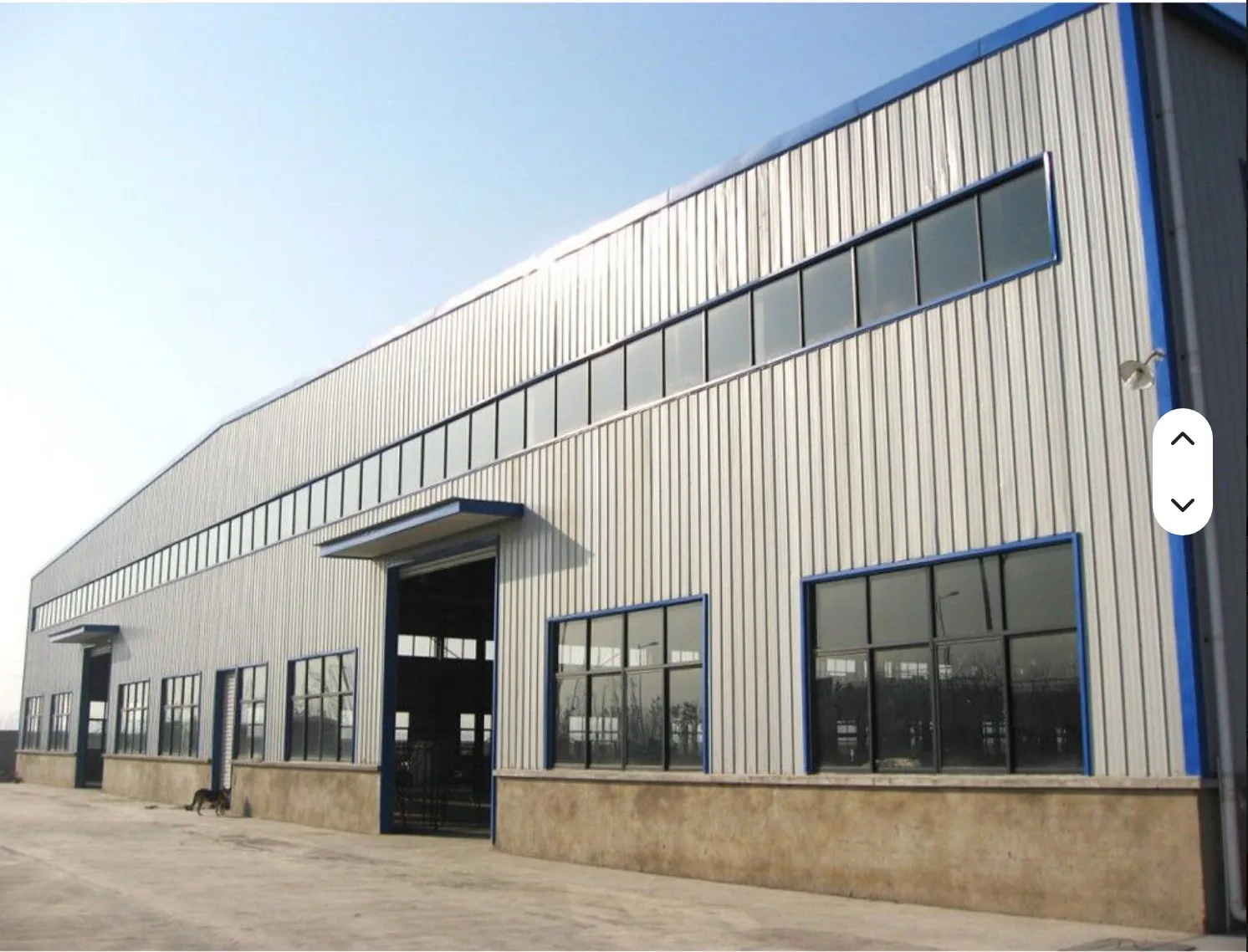 PEB Building Cost in UAEReal 2026 price per square metre for warehouses and factories in Dubai, Abu Dhabi and the wider Gulf, including shipping, customs and erection.Dubai / Abu Dhabi benchmarksView details →Nigeria
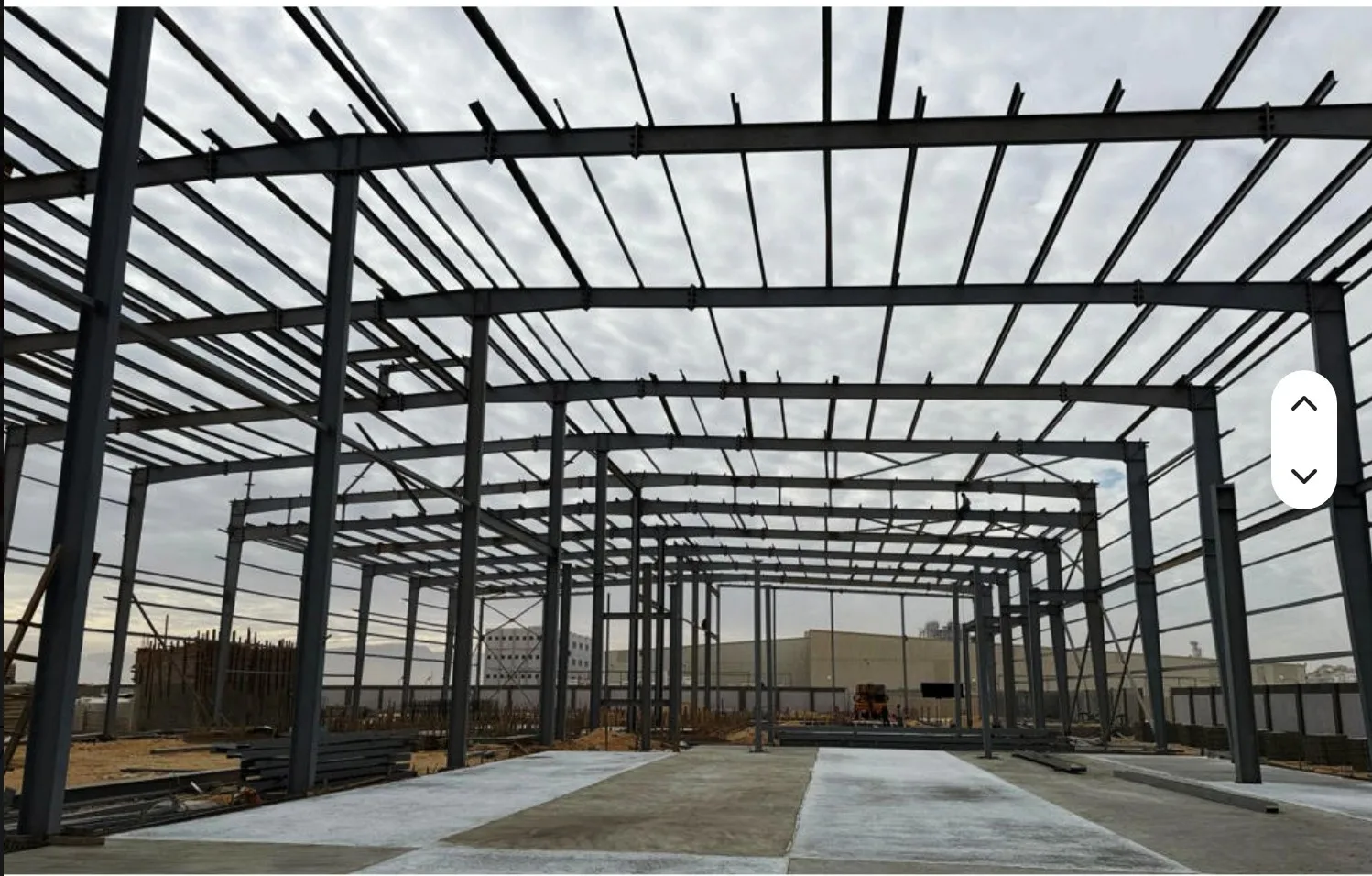 Steel Structure Cost in NigeriaLanded cost breakdown for Lagos and Abuja projects: steel tonnage, freight to Apapa, clearing, and local erection labour rates.Lagos / Abuja landed costView details →Kenya
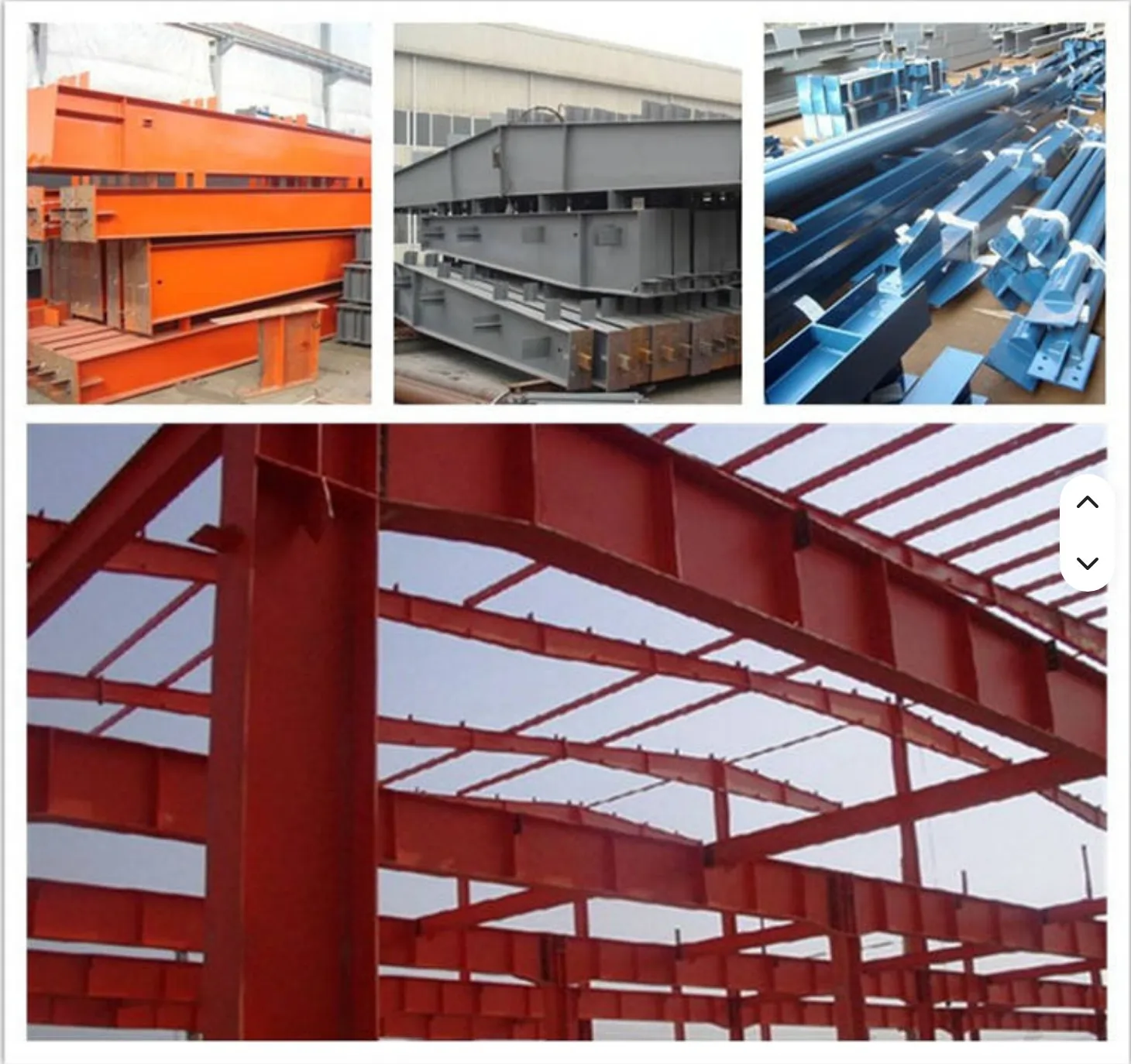 Steel Structure Cost in KenyaMombasa port charges, duty, transport and installation factored into a full 2026 budget for Nairobi and Mombasa industrial buildings.Nairobi / Mombasa budgetView details →China Factory
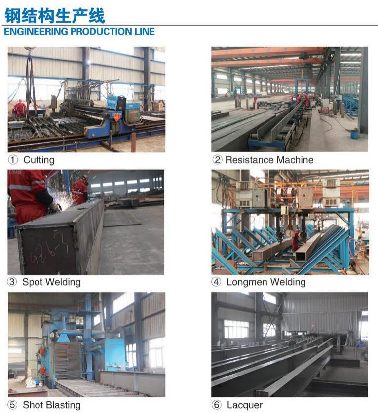 China Steel Structure ManufacturerOur own fabrication lines, ISO and CE certification, 350,000 sqm annual capacity and direct factory pricing with no trading margin.Direct factory quotationView details →