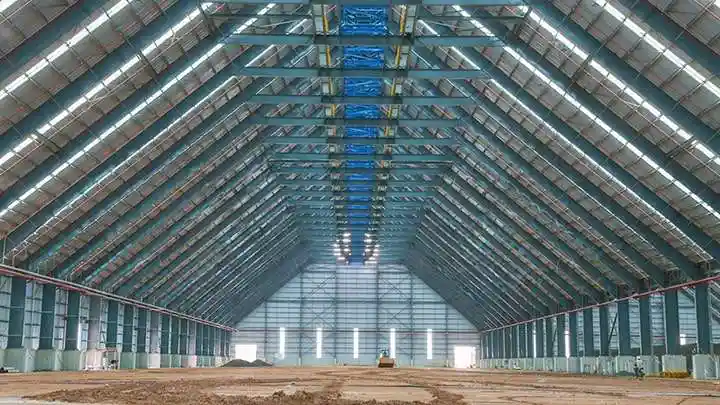
In modern China, steel-structured buildings are rising everywhere: from the 632-meter Shanghai Tower to the 528-meter CITIC Tower in Beijing, from bridges spanning rivers and seas to stadiums accommodating tens of thousands of people. Behind these magnificent structures lies a seemingly simple but crucial technical standard: “perfect precision”. So, how is this level of accuracy achieved?
Many people may think that steel structure engineering is simply about cutting, welding, and assembling steel. In fact, it is not. Modern steel structure engineering in China has developed into a high-tech industry that integrates materials science, precision manufacturing, digital technology, and engineering management.
According to the standards of the China Construction Metal Structure Association, the verticality deviation of high-rise steel structure columns must not exceed H/2500 (where H is the column height), and the total deviation must not exceed 30 millimeters. This means that for a 300-meter-tall building, the maximum allowable deviation at the top is only about 12 centimeters — roughly the length of an apple.
This kind of ‘precise fitting’ is not accidental, but the result of years of technological accumulation and innovation in China’s steel structure industry.
Step 1: Digital Design
Before any steel structure project begins, the design team uses advanced BIM technology to create a three-dimensional digital model. Unlike traditional two-dimensional drawings, it can accurately show the shape, size, and positional relationships of each component.
“Whole-life cycle management” is the key concept of this stage. Designers must consider not only the form of the building upon completion but also anticipate how the steel will deform under stress, temperature changes, and other conditions, making compensations in the design in advance.
Step 2: Smart Manufacturing
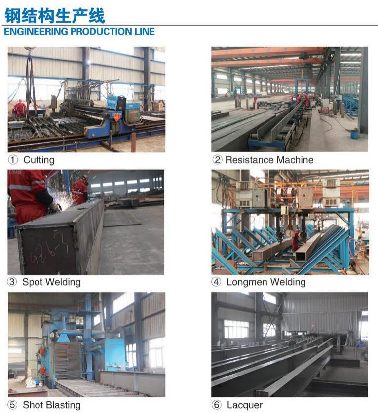
Once the precise digital design is ready, the next stage is manufacturing. Chinese steel structure factories have long moved away from the ‘extensive’ production model and have achieved a high level of automation and intelligence.
- CNC Cutting and Forming: Steel cutting no longer relies on manual operation, but is carried out by computer-controlled plasma cutters or laser cutters. These devices can directly cut complex shapes according to digital models, with an accuracy of up to 0.1 millimeters. For components that need to be bent into arcs, CNC tube bending machines or roll bending machines are used to ensure the curvature exactly matches the design.
- Robotic Welding: Welding is one of the most critical processes in steel structure manufacturing. Traditional manual welding is easily affected by the skill level of workers, leading to inconsistent quality. Nowadays, large steel structure factories commonly use robotic welding systems, which can maintain a constant welding speed, angle, and current, ensuring uniform strength and quality for every weld.
- Digital Pre-assembly: Before components leave the factory, a 3D laser scanner is used to scan each component, generating ‘point cloud’ data to compare with the original design model. Any minor deviations can be detected and corrected in time. For some particularly complex joints, physical pre-assembly is also carried out in the factory to ensure successful installation on site.
Step 3: On-Site Installation
Assembling thousands of steel components accurately on-site is the most challenging part of achieving a perfect fit. Chinese engineers have accumulated world-leading experience in this area.
- High-precision measurement technology: On construction sites, equipment such as total stations, GPS, and 3D laser scanners are used to establish an accurate measurement control network. Taking the China Zun (CITIC Tower in Beijing) as an example, dozens of measurement benchmark points were set up inside and around the building during construction to monitor the building’s position and deformation in real time.
- Intelligent Hoisting and Positioning: Heavy hoisting equipment is equipped with sensors and control systems, enabling ‘millimeter-level’ positioning of components. Operators can view the real-time deviation of the components from their target positions on a screen in the control room and make fine adjustments. Some projects have even started experimenting with drone-assisted hoisting and positioning.
- Temperature Compensation Technology: Steel has the property of expanding when heated and contracting when cooled, and the day-night temperature difference can cause dimensional changes of several centimeters. Chinese engineers, through precise calculations, choose the time of day when the temperature is most stable to assemble key components, or adjust the installation position in real time according to the temperature, ensuring that the fit remains precise regardless of the weather.
Step 4: Connection Technology
For steel structures to function as a whole, connection technology plays a decisive role. China has made several breakthroughs in this field:
- High-strength bolt connections: Modern steel structures extensively use high-strength bolts rather than traditional rivets or ordinary bolts. China is now capable of producing high-strength bolts with grades of 10.9 and 12.9, and has established strict torque control standards. During installation, smart torque wrenches are used to ensure that each bolt reaches the preset fastening force.
- Innovative Node Design: The nodes of a steel structure are critical areas that bear loads. Chinese engineers have developed various new types of nodes, such as cast steel nodes and tubular intersection nodes, which not only ensure structural strength but also create aesthetically pleasing architectural forms. The ‘petal’ design of the main stadium at Hangzhou Olympic Sports Center is achieved through complex node design, with each node crafted like a meticulously made work of art, precisely connecting dozens of members from different directions.
- Intelligent Monitoring System: Install sensors at key parts of the structure to monitor stress, deformation, and vibrations in real time. This data not only ensures construction safety but also verifies whether the structure truly achieves the design intention of being ‘seamlessly connected.’ Thousands of sensors are installed inside the steel box girder of the Hong Kong-Zhuhai-Macao Bridge, forming a massive health monitoring system.
Whole Lifecycle Management
China’s “meticulous precision” is reflected not only in the construction phase but throughout the entire lifecycle of buildings. Based on BIM and IoT technologies, operation and maintenance teams can monitor the stress, deformation, and corrosion of steel structures in real time, enabling predictive maintenance. In 2019, the Ping An Finance Center in Shenzhen detected an abnormal stress at a connection node three months in advance through sensor data analysis, timely reinforcing it and avoiding potential risks.
How does China’s steel structure ‘seamless fit’ impact the world?
The advancement of China’s steel structure technology not only serves domestic construction but also reaches out to the world:
- Overseas landmark construction: In projects such as Pakistan’s Gwadar Port, Malaysia’s Port Klang, and the African Union Conference Center, all undertaken by Chinese companies, the steel structure sections have showcased the excellence of Chinese technology.
- International Standard Setting: Chinese engineers have participated in the revision of multiple international steel structure standards, turning China’s practical experience into globally shared technical specifications.
- Extreme environmental challenges: China’s steel structure technology has been tested in extreme environments such as highland railways, deep-sea platforms, and polar research stations, proving its reliability and adaptability.
Project Cost Guides & China Factory Supply
Transparent 2026 pricing benchmarks for importers, contractors and developers.
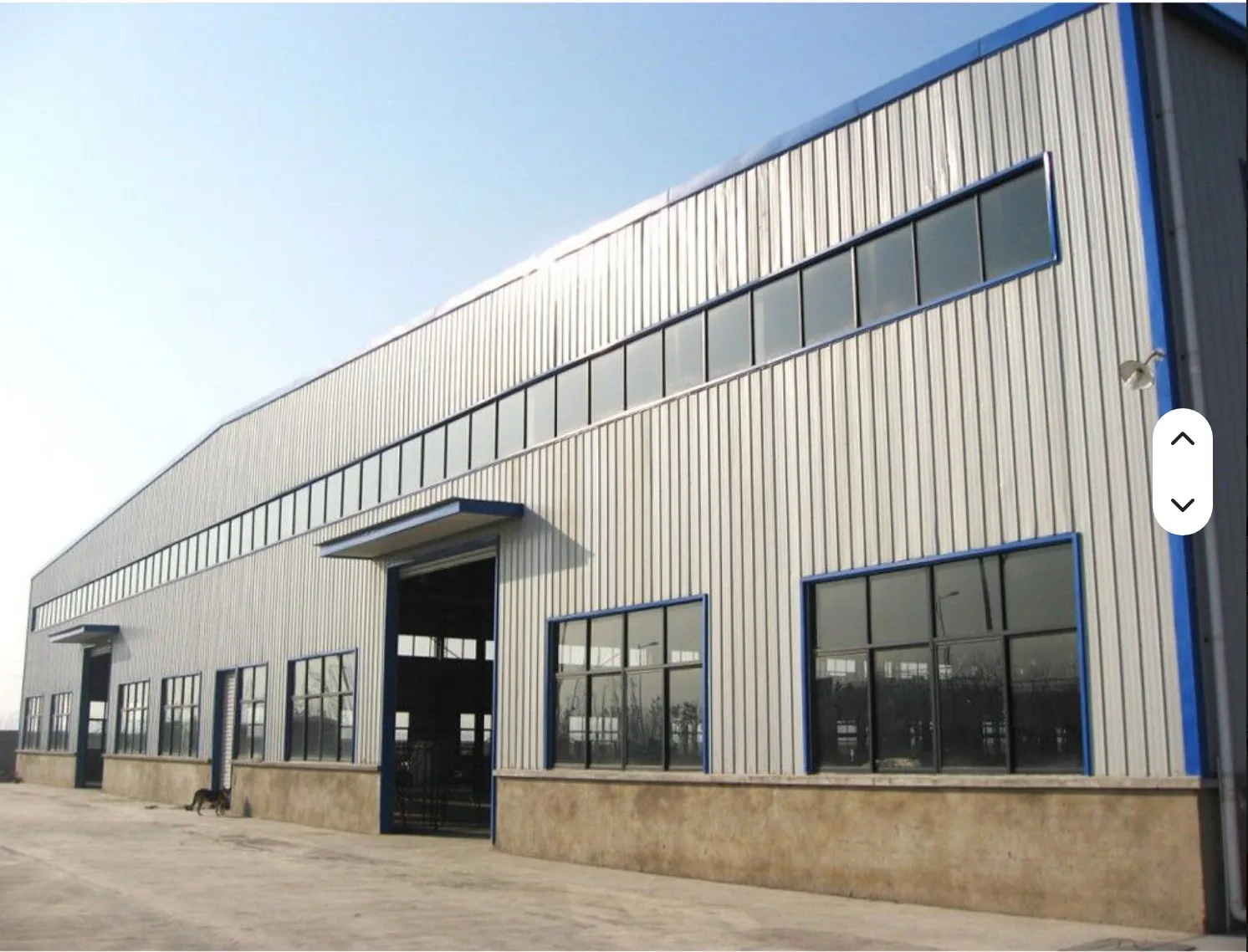 PEB Building Cost in UAEReal 2026 price per square metre for warehouses and factories in Dubai, Abu Dhabi and the wider Gulf, including shipping, customs and erection.Dubai / Abu Dhabi benchmarksView details →Nigeria
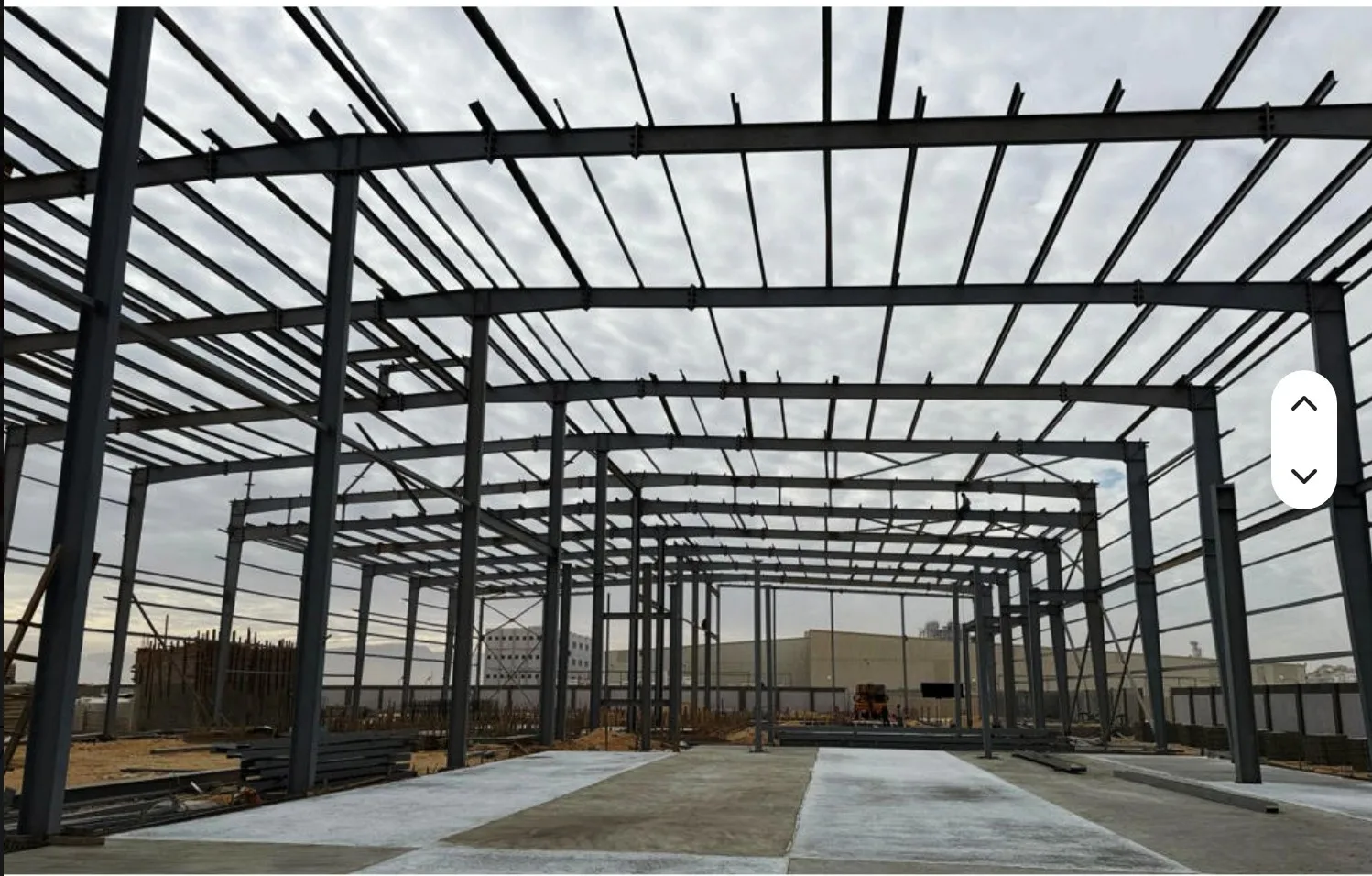 Steel Structure Cost in NigeriaLanded cost breakdown for Lagos and Abuja projects: steel tonnage, freight to Apapa, clearing, and local erection labour rates.Lagos / Abuja landed costView details →Kenya
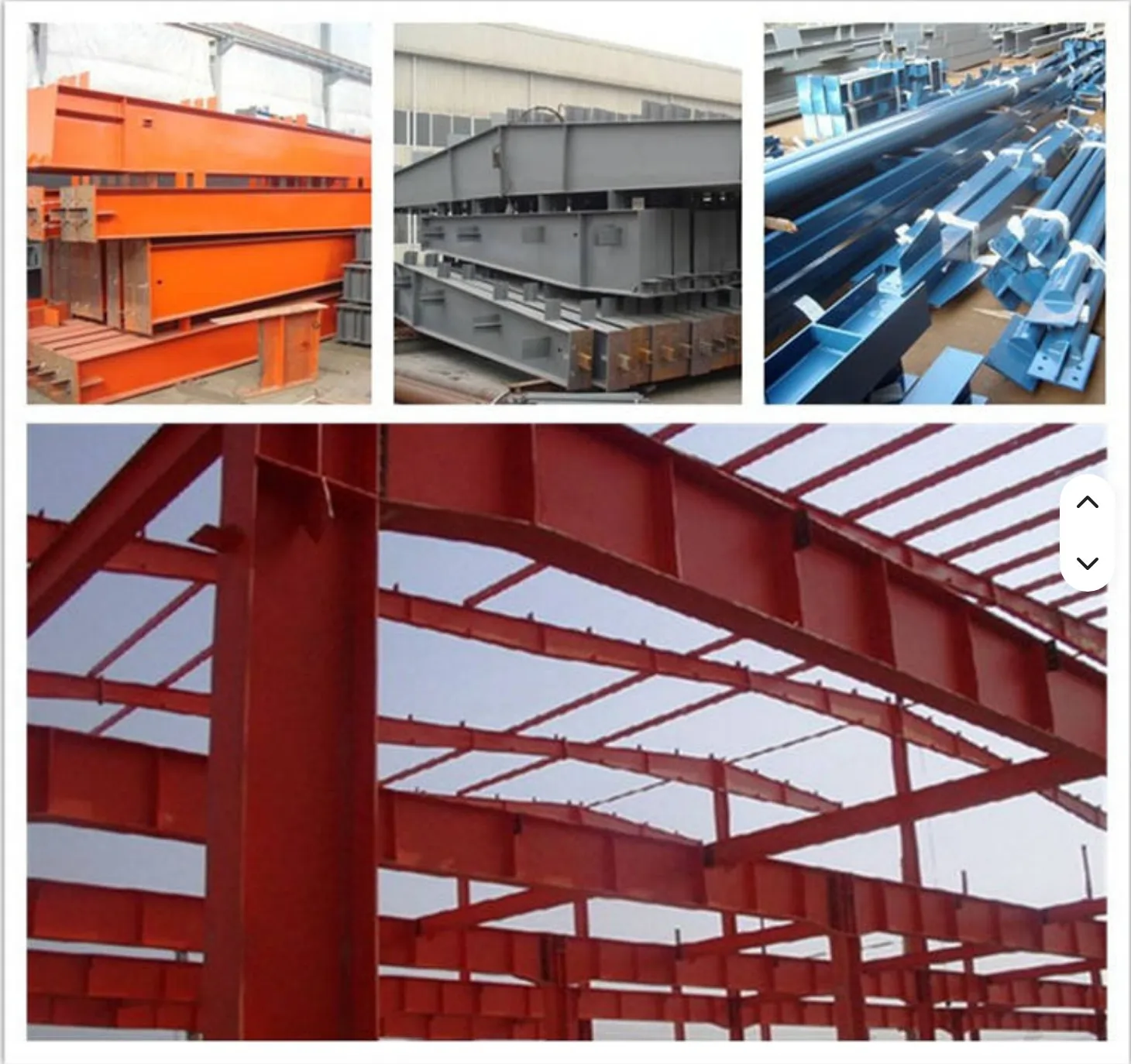 Steel Structure Cost in KenyaMombasa port charges, duty, transport and installation factored into a full 2026 budget for Nairobi and Mombasa industrial buildings.Nairobi / Mombasa budgetView details →China Factory
 China Steel Structure ManufacturerOur own fabrication lines, ISO and CE certification, 350,000 sqm annual capacity and direct factory pricing with no trading margin.Direct factory quotationView details →