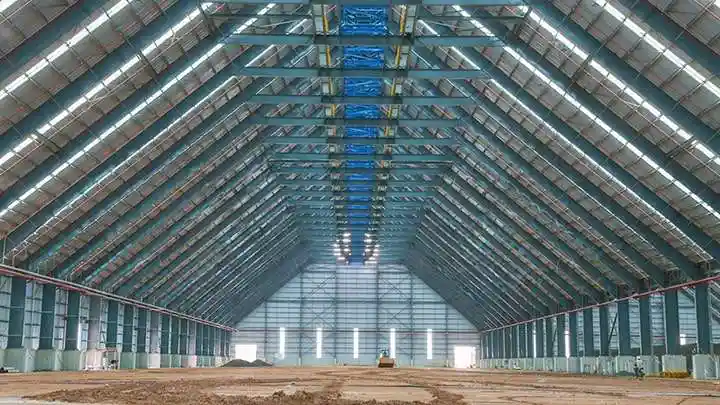
After a steel structure building is dismantled, its steel beams and columns are not sent to landfills. Instead, they are sorted, coded, and transported to new construction sites like building blocks, recycled and reborn in another structure. This fundamentally reshapes our understanding of a building’s “lifecycle”: architecture becomes a fluid, reconfigurable “product repository.”
01 China’s Steel Structure Industry: From Rapid Growth to Circular Challenges
China is the world’s largest producer and consumer of steel structures. Since the early 21st century, the acceleration of urbanization has fueled explosive growth in China’s steel structure industry.According to statistics, China’s steel structure production exceeded 100 million tons in 2022, accounting for more than half of the global total. From the National Stadium (Bird’s Nest) to the Shanghai Tower, from high-speed rail stations to large industrial plants, steel structures have become an integral part of China’s modern architecture.
However, as steel structures from earlier construction projects gradually enter their renovation and replacement phase, coupled with building demolitions during urbanization, a significant amount of scrap steel structural materials has been generated.In traditional processing methods, these materials are often simply cut and compressed into scrap steel for re-melting. While this process achieves material recovery, it consumes significant energy and squanders the resources and energy invested in the steel’s initial production—a practice that runs counter to the principles of a circular economy.
02 Recycling and Regeneration of Steel Structures
First, direct deconstruction and reuse represent the most efficient form of recycling. Unlike concrete structures, steel buildings must be designed and constructed with future disassembly in mind.Bolted connections utilize standardized components, enabling buildings to be disassembled like Lego blocks at the end of their service life. After inspection and refurbishment, these components can be directly reused in new construction projects.This approach maximizes the preservation of material value and performance while avoiding the substantial energy consumption associated with re-melting scrap. Research indicates that directly reusing steel components can conserve up to 95% of the energy required compared to recycling scrap steel and re-smelting it into new steel.
In China, this concept has already begun to be put into practice. In 2021, during the renovation of the Beijing Shougang Industrial Park, the steel structures of numerous old industrial buildings were carefully dismantled and repurposed for new structures and landscape features within the park.
Second, undertake adaptive reuse to extend the building’s lifecycle. Not all steel structures require complete demolition. In many cases, through thoughtful adaptive reuse, old buildings can gain new functions and enjoy extended service life.
For instance, the Shanghai Museum of Contemporary Art—an art venue converted from the main building of the former Nanshi Power Plant—preserved its original steel framework. Through ingenious spatial reconfiguration and functional repurposing, this industrial heritage site was transformed into a cultural landmark. Similar examples include Beijing’s 798 Art Zone and Guangzhou’s Red Factory. These projects not only conserve substantial building materials but also preserve the historical memory of cities.
Furthermore, when structural steel components cannot be directly reused due to damage, obsolete specifications, or design incompatibility, component-level recycling becomes the next-best option. This process involves sorting, dismantling, inspecting, repairing, and reprocessing the scrap steel to meet the requirements of new projects.The key to component-level recycling lies in establishing standardized evaluation systems and circulation markets. Currently, China is exploring the implementation of an “identity card” system for steel structural components, which will record each component’s material properties, usage history, and structural parameters, thereby providing data support for future recycling.
Finally, when steel structures cannot be reused as components, material recycling becomes the last resort. While traditional scrap steel remelting consumes energy, it still saves approximately 60% more energy than producing steel from raw iron ore.As the proportion of electric arc furnace steelmaking in China’s short-process steel production increases, the recycling efficiency of scrap steel continues to improve.
Coatings and fireproofing materials on steel structures may contain hazardous substances that require treatment prior to recycling, presenting a significant challenge for material recovery. Additionally, mixing different types of steel during recycling can compromise the quality of recycled steel. Therefore, establishing an effective sorting and recycling system is crucial.
03 Digitalization and Intelligence
The realization of steel structure recycling relies on technological innovation. In recent years, digital and intelligent technologies have been driving revolutionary changes in this field.
BIM technology enables the tracking and management of information for steel structural components throughout the entire building lifecycle. From design and construction to operation and maintenance, and ultimately to dismantling and reuse, each component possesses a complete “digital twin” that records all its critical parameters and historical data.
Artificial intelligence and machine learning technologies can predict the remaining service life of steel structures, optimize dismantling plans, and even automatically match reusable components with new project requirements. Drone and robotic technologies make the inspection, dismantling, and repair of steel structures safer and more efficient.
04 Policy and Market
The recycling and reuse of steel structures is not merely a technical issue, but rather a systemic endeavor involving policy, market dynamics, standards, and cultural factors.
At the policy level, China has introduced a series of measures to support the resource utilization of construction waste. The 14th Five-Year Plan for Building Energy Efficiency and Green Building Development explicitly promotes the adoption of prefabricated construction methods such as steel structures, while strengthening efforts to reduce construction waste at the source and enhance its resource utilization. Some local governments have also rolled out tax incentives and floor area ratio bonuses for projects utilizing recycled building materials.
Regarding market mechanisms, it is necessary to establish an evaluation, certification, and trading system for steel structural components. This includes formulating assessment standards for used steel structures, establishing a quality certification system, and building a component trading platform. Only when used steel structural components have clear valuation and trading channels, similar to used vehicles, can a genuine market truly emerge.
The standards system is another critical component. China is refining its standards framework for steel structure design, construction, dismantling, and reuse, establishing clear guidelines for circular recycling. For instance, the newly revised Steel Structure Design Code incorporates requirements for demountable design and durability, laying the foundation for extended service life and ease of dismantling in steel structures.
05 Future Prospects
With the advancement of the dual carbon goals and the deepening of the circular economy concept, China’s steel structure recycling faces unprecedented opportunities. By 2030, China’s construction waste resource utilization rate is projected to reach 60%, with steel structures representing the most promising segment.
Conclusion
With the synergistic advancement of policy, technology, market, and culture, the future of China’s steel structure recycling holds great promise. This represents not only a transformation within the construction industry but also a microcosm of China’s transition toward green and low-carbon development, contributing Chinese wisdom and solutions to global resource recycling.
Project Cost Guides & China Factory Supply
Transparent 2026 pricing benchmarks for importers, contractors and developers.
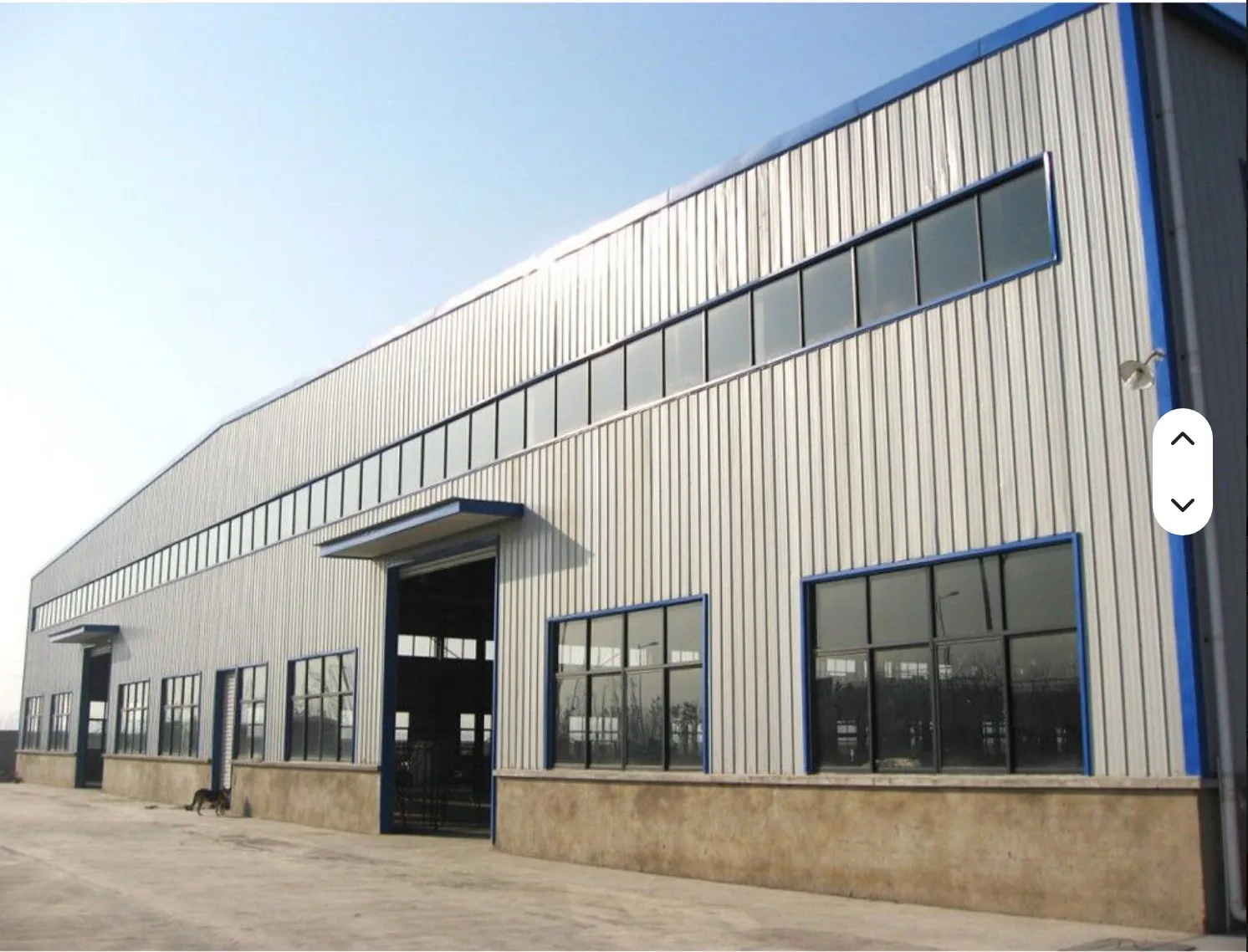 PEB Building Cost in UAEReal 2026 price per square metre for warehouses and factories in Dubai, Abu Dhabi and the wider Gulf, including shipping, customs and erection.Dubai / Abu Dhabi benchmarksView details →Nigeria
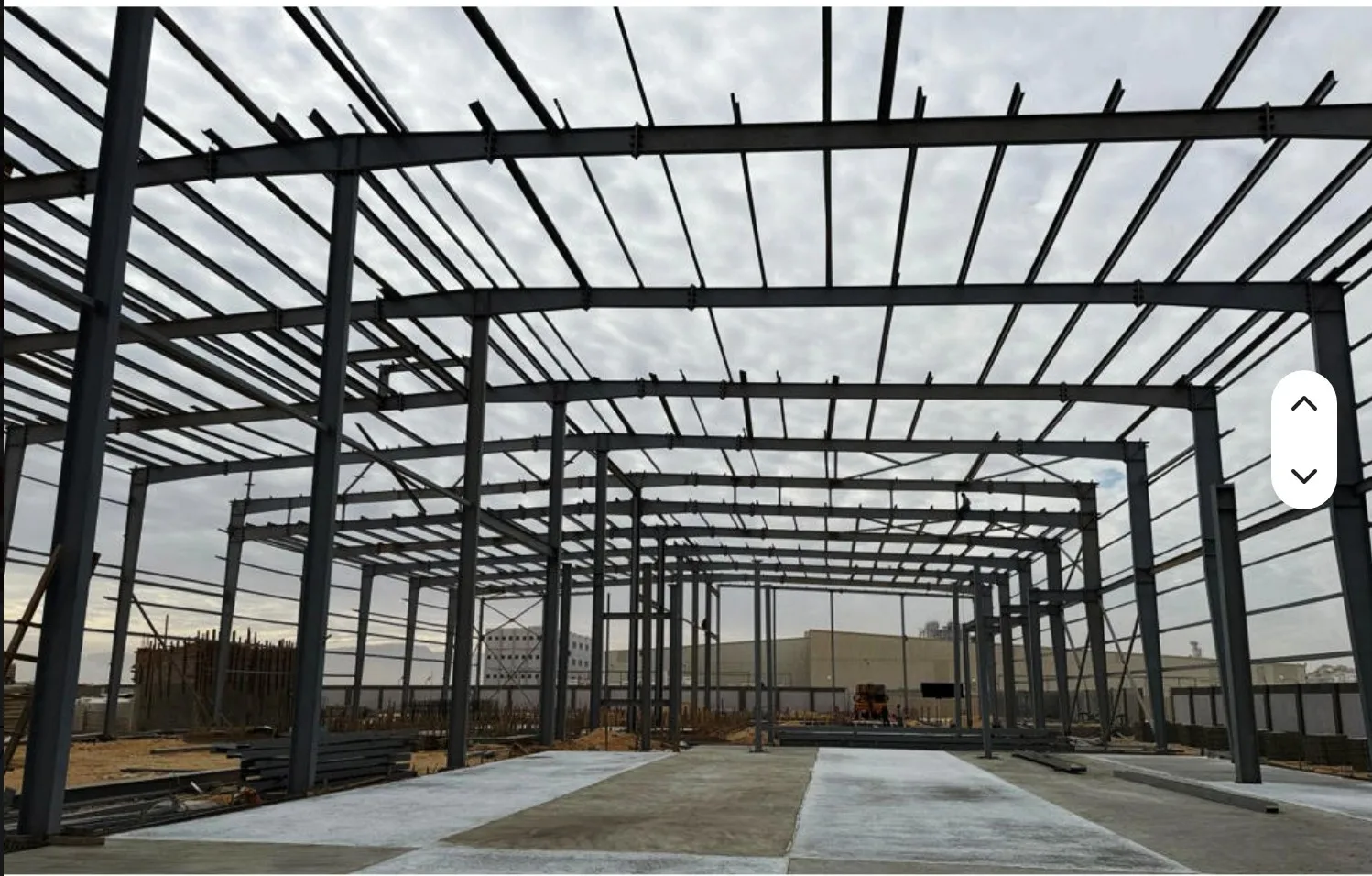 Steel Structure Cost in NigeriaLanded cost breakdown for Lagos and Abuja projects: steel tonnage, freight to Apapa, clearing, and local erection labour rates.Lagos / Abuja landed costView details →Kenya
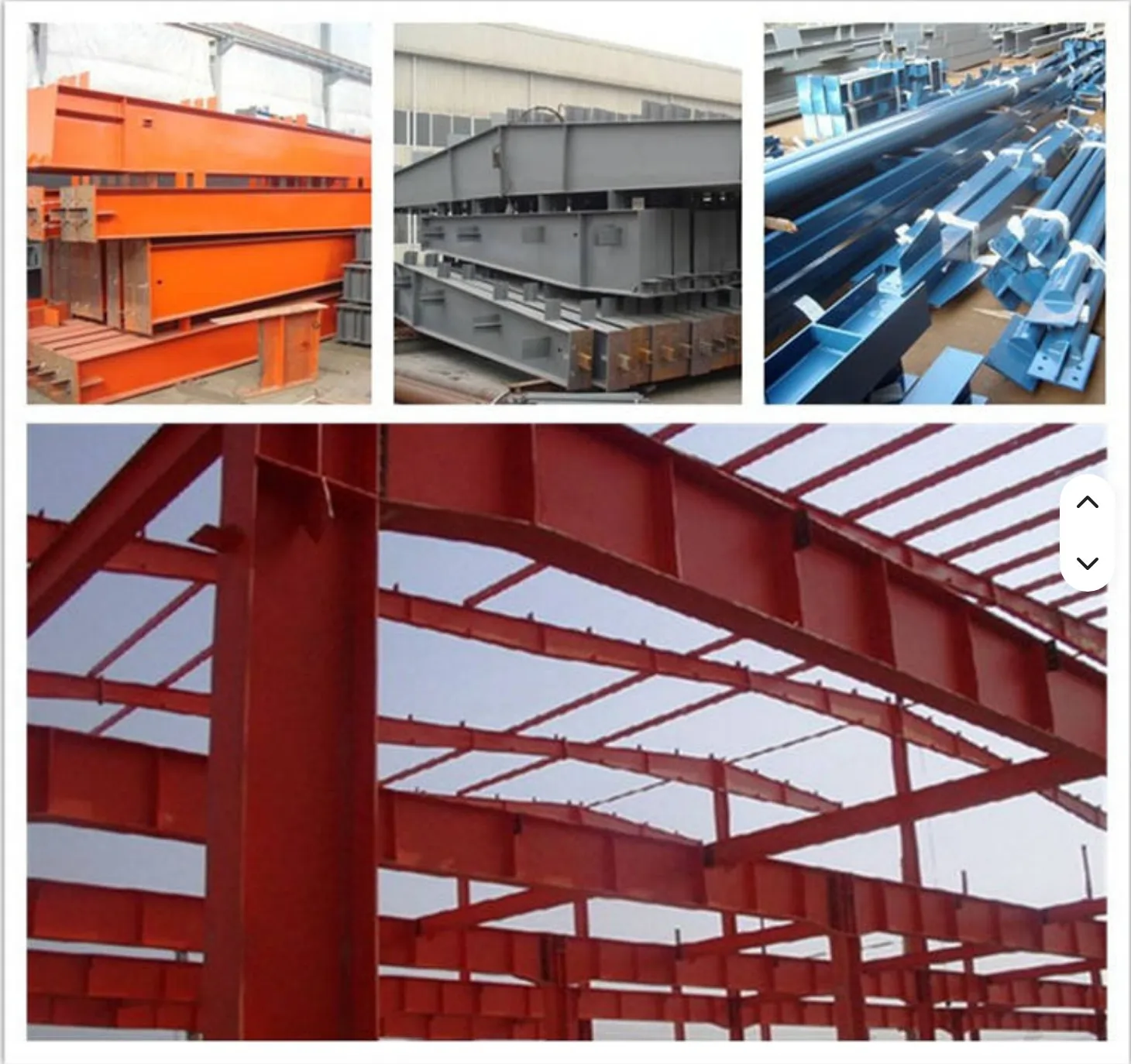 Steel Structure Cost in KenyaMombasa port charges, duty, transport and installation factored into a full 2026 budget for Nairobi and Mombasa industrial buildings.Nairobi / Mombasa budgetView details →China Factory
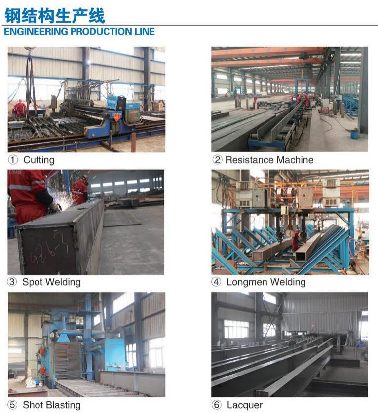 China Steel Structure ManufacturerOur own fabrication lines, ISO and CE certification, 350,000 sqm annual capacity and direct factory pricing with no trading margin.Direct factory quotationView details →