“This is an impossible task.” In 2018, when international engineers first saw the design plans for the Hong Kong-Zhuhai-Macao Bridge, they made this bold declaration. Yet four years later, this cross-sea passage—one of the “Seven Wonders of the Modern World”—spans the Lingdingyang Sea, connecting three cities with its steel structure.It is not only the world’s longest sea-crossing bridge, but also a symbol of China’s steel structures conquering span, speed, and complexity in this era—its main span steel box girder measures 5,664 meters in length, with a steel usage of 420,000 tons, equivalent to 60 Eiffel Towers.
From the stone arches of the Zhaozhou Bridge to the 632-meter skyline of the Shanghai Tower, the Chinese pursuit of “span” has spanned millennia. Yet the true revolution in steel construction began with China’s reform and opening-up.In the 1980s, steel structures accounted for less than 1% of China’s buildings, whereas today that figure exceeds 15%.China has become the world’s largest producer and consumer of steel structures, with over 80 million square meters of new steel-framed buildings constructed annually. This represents a comprehensive triumph in materials, technology, and engineering.
Conquering the Span
“We must cross not only rivers, but oceans,” said Lin Ming, chief engineer of the Hong Kong-Zhuhai-Macao Bridge, describing his vision. The heaviest segment of the bridge’s steel box girder weighs 3,200 tons—equivalent to 2,000 cars combined. At depths of 40 meters below sea level, these massive components were precisely assembled using the “floating installation” method, with tolerances controlled to the millimeter.
The chronicle of China’s steel structure span conquests is a history of relentless boundary-pushing:
•In 2008, the Beijing Olympic Stadium, known as the “Bird’s Nest,” was constructed using 42,000 tons of steel to create the world’s largest span sports structure;
•In 2011, the Nanjing Da sheng guan Yangtze River Bridge on the Beijing-Shanghai High-Speed Railway became the world’s first six-track high-speed railway bridge with a main span of 336 meters;
•In 2022, the Pingtan Strait Bridge, a dual-purpose road-rail bridge, stood firm amidst the fierce winds and waves of a “bridge-building Restricted Area,” setting multiple world records with its 1.24 million tons of steel.
Behind this leap lies the fundamental transformation of China’s steel materials. Over the past three decades, the strength of China’s steel structures has more than tripled—evolving from ordinary Q235 steel to high-performance Q690 steel.
Conquering Speed
In 2015, the 57-story “Little Sky City” rose from the ground in Changsha, astonishing the world with its construction pace of three floors per day on average. The secret to this building lies in its steel-structured modular construction—95% of the work was completed in factories, assembled on-site like building blocks.
Prefabricated steel structures reduce traditional construction timelines by 30%-50% and cut on-site labor requirements by 60%-80%. This efficiency advantage is particularly evident in emergency projects: In 2020, Wuhan’s Huoshenshan Hospital—a 34,000-square-meter steel structure—was completed in just 10 days from design to delivery, setting a world record for the fastest construction of a medical facility.
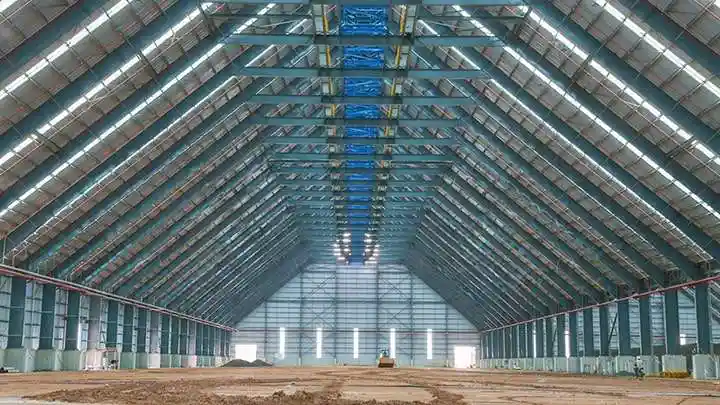
China’s steel structure speed is achieved through seamless coordination across its complete industrial chain. From Ansteel’s steel smelting and MCC’s equipment manufacturing to on-site installation by CCCC and CREC, this integrated industrial synergy makes “China Speed” possible. Even more impressive is the intelligent upgrade: BIM technology enables full lifecycle management, robotic welding boosts efficiency by 40%, and 3D-printed steel structure node technology pioneers entirely new manufacturing pathways. In China’s steel structure factories, each production line can manufacture 100 tons of components daily with precision down to 0.1 millimeters.
Conquest Difficulty:
Nestled at an altitude of 3,000 meters in the depths of the Yarlung Tsangpo Gorge, Linzhi, Tibet, stands the Zhamu Grand Bridge. Spanning 430 meters across the gorge, it is the world’s highest steel-concrete arch bridge at this elevation. The challenges—oxygen-deprived plateau conditions, complex geology, and extreme temperature fluctuations—each push the steel structure to its absolute limits.
The challenges facing China’s steel structures are multidimensional:
• Geographical challenges: From corrosion-resistant designs for the East China Sea Bridge to steel applications in the permafrost zones of the Qinghai-Tibet Railway, Chinese engineers continually push the boundaries of nature;
• Technical challenges: The 120-degree twisted form of the Shanghai Tower requires unique parameters for every curtain wall panel and steel beam;
• Safety challenges: Chengdu Tianfu International Airport, designed for seismic intensity 9, employs seismic isolation bearings and energy-dissipating damping technology to ensure structural integrity during major earthquakes.
National Strategy
The rise of China’s steel structure industry is no accident. In 2016, the State Council issued the “Guiding Opinions on Vigorously Developing Prefabricated Buildings,” setting a target for prefabricated buildings to account for over 30% of new construction by 2025.This policy direction stems from profound strategic considerations: China’s traditional construction industry consumes 40% of the nation’s energy and 30% of its steel, accounting for nearly half of the country’s total carbon emissions. Steel-structured buildings can reduce building material consumption by 30%, cut construction waste by 80%, and achieve a recycling rate as high as 90%.
The process of steel structures conquering span, speed, and complexity epitomizes the green transformation of China’s construction industry. The Hangzhou Asian Games venues feature integrated steel-and-photovoltaic designs, generating enough electricity annually to power 5,000 households. In the construction of Xiongan New Area, 85% of buildings are prefabricated steel structures, setting a model for future cities.
From Conquest to Transcendence
However, the path to conquest is not without its challenges. China’s steel structure industry still faces numerous hurdles: high-end specialty steel remains partially dependent on imports; the skill levels of industrial workers vary significantly; and insufficient standardization prevents the full realization of cost advantages. More importantly, gaining greater influence in international standard-setting and transforming China’s steel structure expertise into global public goods have become critical tasks in this new era.
In 2023, the China Steel Structure Association released the “14th Five-Year Plan for the Steel Structure Industry,” proposing that by 2025, steel consumption in steel structures will reach 140 million tons, accounting for over 15% of crude steel production. Future conquests will focus on new dimensions: expanding into the deep sea, outer space, and Intelligent.
Project Cost Guides & China Factory Supply
Transparent 2026 pricing benchmarks for importers, contractors and developers.
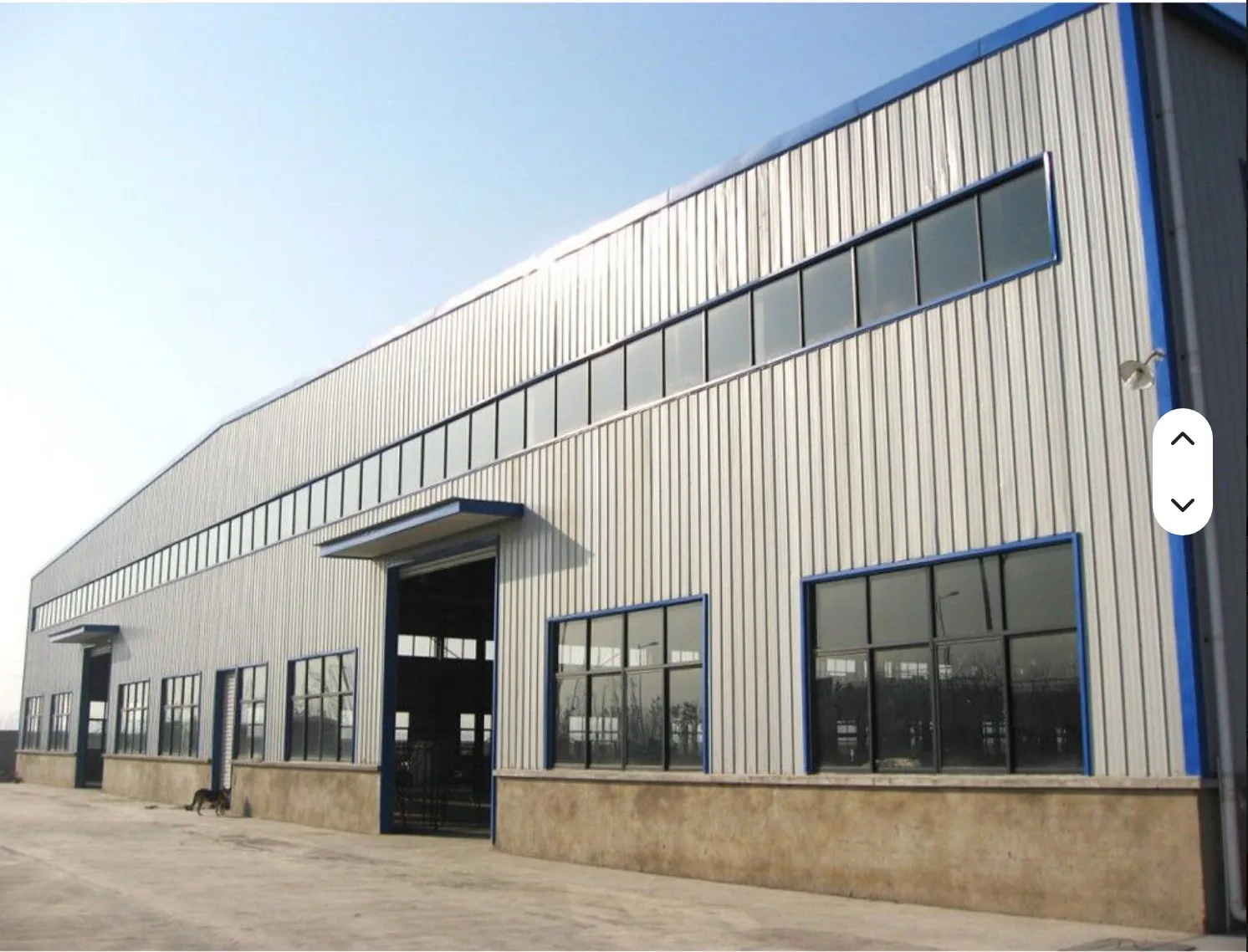 PEB Building Cost in UAEReal 2026 price per square metre for warehouses and factories in Dubai, Abu Dhabi and the wider Gulf, including shipping, customs and erection.Dubai / Abu Dhabi benchmarksView details →Nigeria
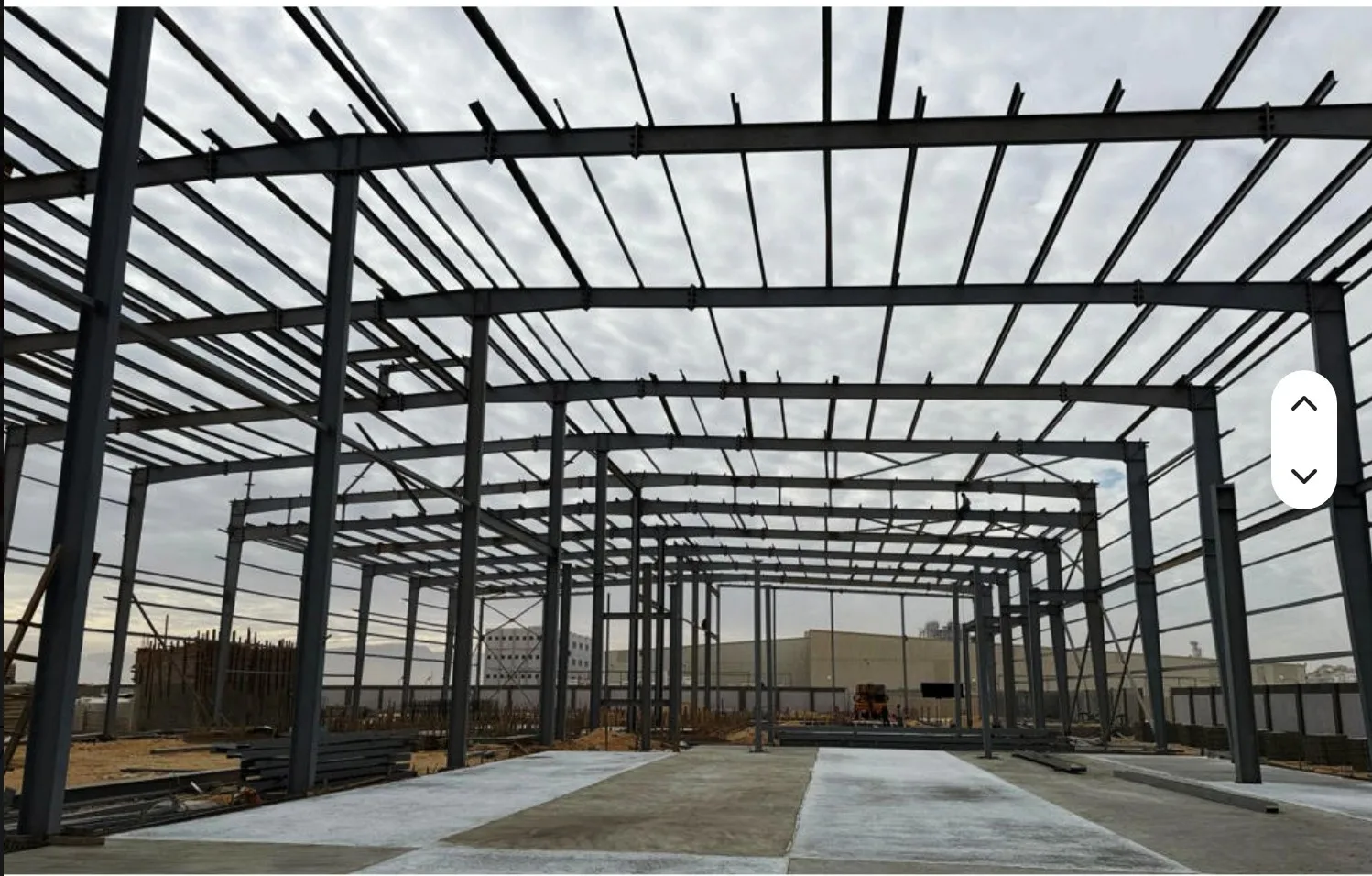 Steel Structure Cost in NigeriaLanded cost breakdown for Lagos and Abuja projects: steel tonnage, freight to Apapa, clearing, and local erection labour rates.Lagos / Abuja landed costView details →Kenya
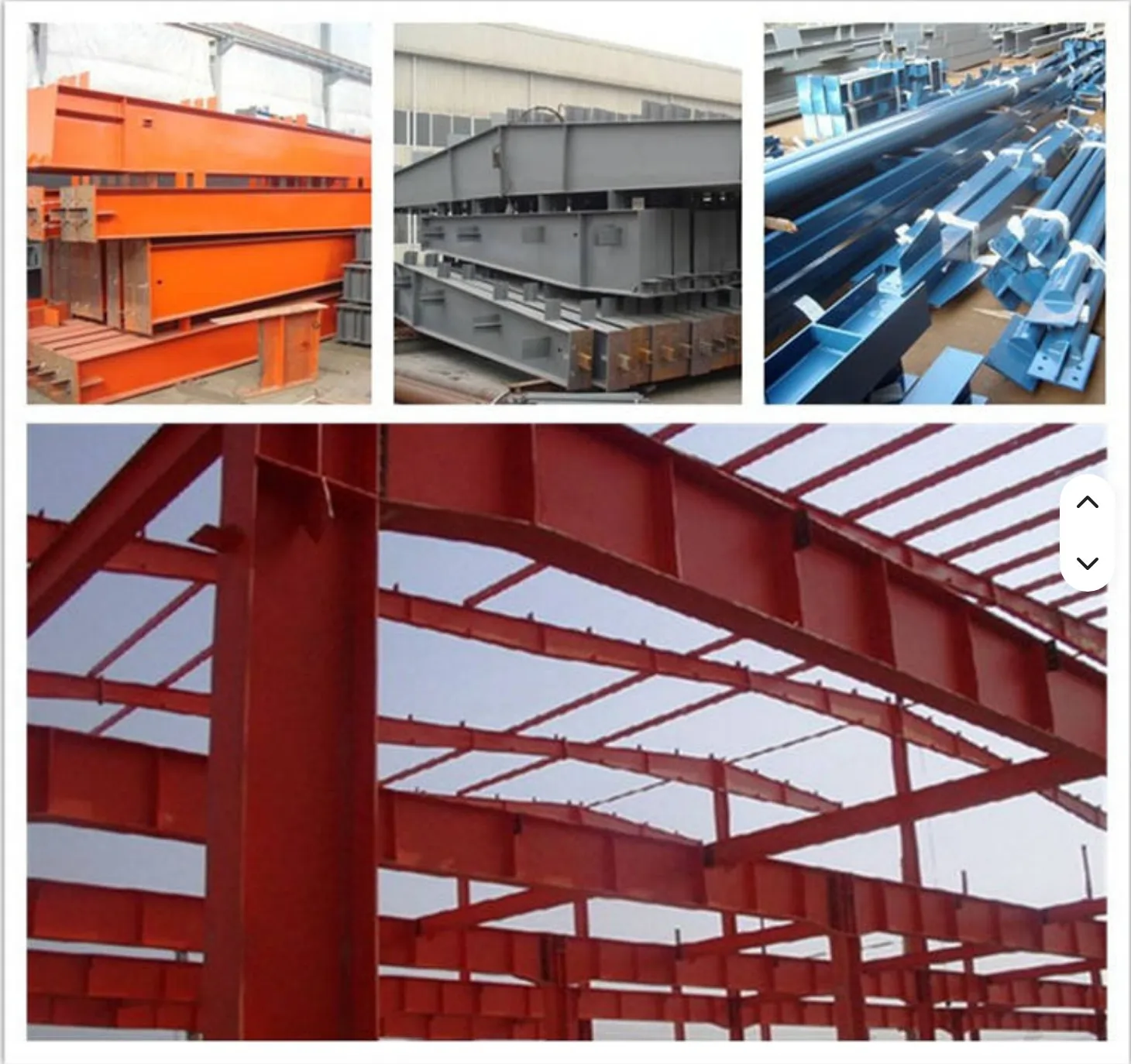 Steel Structure Cost in KenyaMombasa port charges, duty, transport and installation factored into a full 2026 budget for Nairobi and Mombasa industrial buildings.Nairobi / Mombasa budgetView details →China Factory
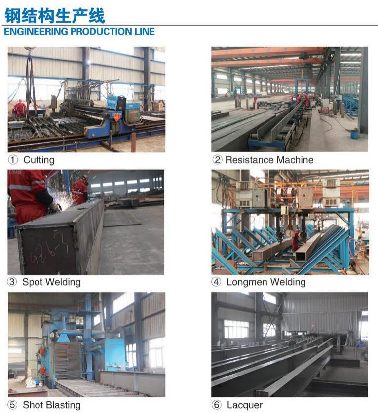 China Steel Structure ManufacturerOur own fabrication lines, ISO and CE certification, 350,000 sqm annual capacity and direct factory pricing with no trading margin.Direct factory quotationView details →