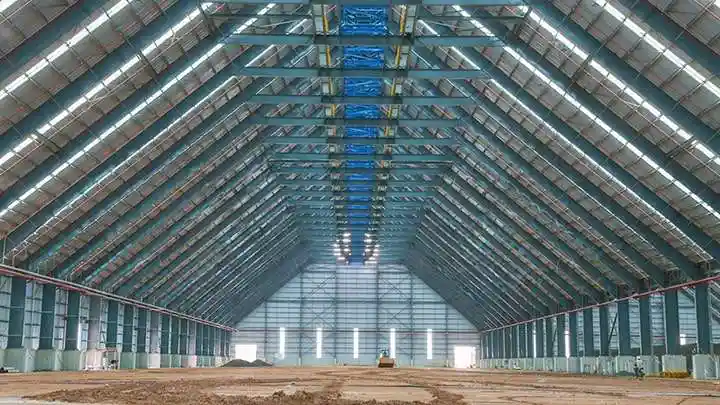
With the rapid development of modern industry, steel structure factory buildings have gained widespread application in various industrial constructions due to their advantages of fast construction speed, high strength, and recyclability.However, in actual use, steel structure industrial buildings also face various challenges and issues. This article will delve into five common problems with steel structure industrial buildings, providing rapid diagnostic methods and preventive solutions to help owners, designers, and maintenance personnel better ensure the safety and durability of these structures.
First Common Issue: Corrosion of Steel Structures
Problem Manifestations:
1. Surface rust spots appear, particularly at welds, joints, and edges
2. Coating blisters, peels off, and loses protective function
3. Component cross-sections diminish due to corrosion, reducing load-bearing capacity
4. Corrosion of fasteners causes connections to loosen
Rapid Diagnosis:
1. Visual Inspection: Regularly inspect steel structure surfaces, particularly areas prone to water accumulation and moisture.
2. Coating Inspection: Use a coating thickness gauge to verify coating thickness meets design specifications.
3. Corrosion Depth Measurement: Employ an ultrasonic thickness gauge to measure the remaining thickness of structural members.
4. Environmental Assessment: Analyze the corrosive nature of the facility’s surroundings (industrial zones and coastal areas pose higher corrosion risks).
Preventive Solutions:
1. Prevention During Design Phase
• Select appropriate steel grades and protective systems based on environmental corrosion levels
• Avoid designing areas prone to water accumulation and ensure unobstructed drainage
• Implement suitable construction details to minimize potential corrosion-prone areas
2. Material Selection and Protection
• Consider using weathering steel or stainless steel in corrosive environments
• Implement a multi-layer protective coating system (primer, intermediate coat, topcoat)
• Apply hot-dip galvanizing to areas difficult to maintain
3. Maintenance and Management
• Establish a regular inspection system (recommended at least one comprehensive inspection annually)
• Promptly repair damaged protective coatings to prevent corrosion spread
• Maintain adequate ventilation in the facility and control indoor humidity
Second Common Issue: Failure of Joint Connections
Problem Manifestations:
1. Bolt connections exhibit loosening, slippage, or fracture
2. Welds develop cracks, particularly in the heat-affected zone
3. Connecting plates deform or tear
4. Loss of preload in high-strength bolts
Rapid Diagnosis:
1. Visual Inspection: Check for loose or missing bolts, and inspect welds for visible cracks.
2. Tap Test: Gently tap bolts with a small hammer and listen for sound to assess tightness.
3. Torque Check: Use a torque wrench to verify the preload of high-strength bolts.
4. Non-Destructive Testing: Perform ultrasonic or magnetic particle inspection on critical welds.
Preventive Solutions:
1. Design Optimization
• Rationally arrange connection nodes to avoid stress concentration
• Ensure connection nodes possess sufficient redundancy
• Adopt standardized connection designs to reduce field welding
2. Construction Quality Control
• Strictly adhere to specifications for installing and tightening high-strength bolts
• Control welding processes to ensure weld quality
• Conduct construction process monitoring and quality inspections at critical junctions
3. Regular Inspection and Maintenance
• Establish a dedicated inspection plan for nodes
• Periodically retighten high-strength bolts (especially during initial use)
• Promptly repair any detected cracks to prevent propagation
Third Common Issue: Leakage and Deteriorating Insulation Performance
Problem Manifestations:
1. Roof leakage, particularly at seams, skylights, and penetration points
2. Deformed, loose, or corroded roof panels
3. Insulation layer failure leading to increased facility energy consumption
4. Poor roof drainage causing severe water pooling
Rapid Diagnosis:
1. Water Trace Inspection: Check for water stains and rust marks indoors to pinpoint leak locations
2. Roof Walk Inspection: Examine roof panel fastenings and sealant condition
3. Thermal Imaging Inspection: Use thermal imaging equipment to detect insulation layer defects
4. Drainage Test: Verify gutter and downspout unobstructed flow and drainage efficiency
Preventive Solutions:
1. Design and Material Selection:
• Select reliable roofing system suppliers and products
• Design appropriate roof slopes (recommended minimum of 5%)
• Use durable sealing materials and fasteners
2. Construction Quality Control:
• Ensure roof panels are installed level with fastening point spacing meeting requirements
• Strictly control waterproofing treatment at penetration points
• Insulation layers shall be laid continuously to prevent thermal bridges
3. Maintenance Management:
• Regularly clear debris from the roof and drainage systems
• Promptly repair damaged roof panels and sealant areas
• Conduct comprehensive inspections and maintenance of the roof system every 3-5 years
Fourth Common Issue: Uneven Foundation Settlement Affecting Overall Structural Stability
Problem Manifestation:
1. Cracks appear in the floor, especially along column lines
2. Column bases shift and columns tilt
3. Doors and windows become difficult to open, with frames warping
4. Crane tracks are uneven, causing poor operation
Rapid Diagnosis:
1. Level Measurement: Regularly measure column top elevation and compare with historical data
2. Crack Observation: Mark floor cracks and monitor their progression
3. Inclination Measurement: Use total stations or inclinometers to measure column verticality
4. Geological Survey: Assess foundation soil conditions and changes in hydrological conditions
Preventive Solutions:
1. Preliminary Geological Survey:
• Conduct detailed geological surveys to understand soil layer distribution and bearing capacity
• Assess groundwater impact on foundations
• Perform foundation treatment when necessary
2. Rational Foundation Design:
• Select appropriate foundation types based on geological conditions
• Implement reinforcement measures for weak foundations
• Install settlement joints to mitigate the effects of differential settlement
3. Monitoring and Response:
• Install settlement observation points for regular monitoring
• Promptly analyze causes and implement measures upon detecting abnormal settlement
• Reinforce structures exhibiting uneven settlement
Fifth Common Issue: Inadequate Fire Resistance, Extremely High Safety Risks
Problem Manifestation:
1. Fireproof coatings peeling, cracking, or bubbling
2. Incomplete fire compartments with gaps
3. Rapid loss of structural integrity in steel frameworks during fires
4. Inadequate or malfunctioning fire protection systems
Rapid Diagnosis:
1. Fireproof Layer Inspection: Verify coating integrity and thickness compliance with requirements
2. Fire Compartment Inspection: Confirm integrity and effectiveness of firewalls and fire doors
3. Fire Protection System Inspection: Test operational functionality of fire alarm systems and fire suppression equipment
4. Fire Load Assessment: Evaluate quantity and distribution of combustible materials within the facility
Preventive Solutions:
1. Fire Protection Design:
• Determine fire resistance ratings based on facility usage and fire hazards
•Design appropriate fire compartments and evacuation routes
•Select certified fire protection systems and materials
2. Fire Protection Construction:
• Strictly apply fireproof coatings according to specifications to ensure uniform thickness
•Ensure the integrity and effectiveness of fire seals
• Install reliable fire alarm and automatic fire suppression systems
3. Management and Maintenance:
• Conduct regular inspections of fire protection equipment to ensure it remains in good working order
• Control the storage and management of combustible materials within the facility
• Develop fire emergency response plans and conduct regular drills
Integrated Prevention and Management Strategy
Beyond solutions for specific issues, the long-term safety and performance of steel-framed industrial buildings require comprehensive preventive and management strategies:
1. Establish a Full Lifecycle Management System
From planning, design, and construction to operation and maintenance, establish a comprehensive archival management system to document all information regarding steel structure factory buildings, providing a basis for subsequent inspections, maintenance, and renovations.
2. Conduct Regular Professional Inspections
Develop a detailed inspection plan encompassing routine inspections, annual inspections, and specialized inspections. Routine inspections may be performed by factory personnel, while annual and specialized inspections should be conducted by professional agencies.
3. Implementing Digital Monitoring Technology
Leveraging IoT technology, sensors are installed to conduct real-time monitoring of critical areas, including parameters such as strain, displacement, vibration, and corrosion, enabling predictive maintenance.
4. Enhance Personnel Training
Provide specialized training for maintenance and management personnel to enable them to identify common issues and take initial measures, while understanding when to seek professional assistance.
5. Develop Emergency Response Plans
Develop detailed emergency response plans for potential issues, including temporary reinforcement measures, personnel evacuation procedures, and contact information for professional rescue services.
Conclusion
As critical infrastructure for modern industrial production, the safety and durability of steel structure factory buildings directly impact production safety and economic efficiency. By understanding the characteristic manifestations of these five common issues, mastering rapid diagnostic methods, and implementing effective preventive solutions, the service life of steel structure factory buildings can be significantly extended, maintenance costs reduced, and the smooth operation of production activities ensured.
It is worth noting that prevention is always better than cure. Throughout the design, construction, and maintenance phases of steel structure industrial buildings, high standards and strict requirements must be upheld to eliminate problems at their inception. Simultaneously, as new materials and technologies advance, the performance of steel structure industrial buildings continues to improve. Staying informed about and learning new techniques and methods within the industry will facilitate better management and maintenance of these vital industrial assets.
Finally, when issues beyond routine maintenance are identified, it is imperative to promptly engage a professional structural engineer for assessment and resolution. Never let minor concerns lead to major consequences—ensure steel-structured industrial buildings remain in a safe and reliable operational state at all times.
Project Cost Guides & China Factory Supply
Transparent 2026 pricing benchmarks for importers, contractors and developers.
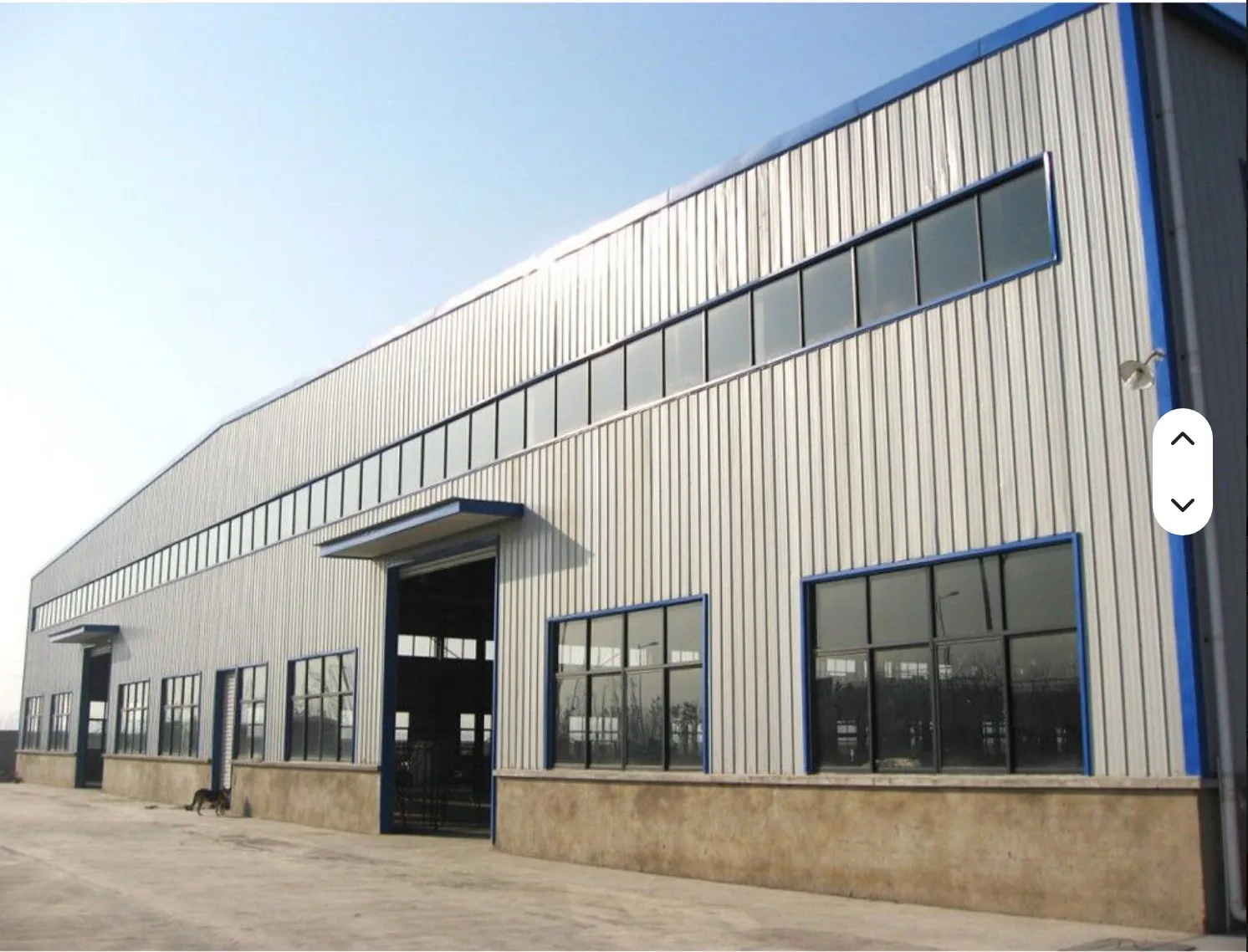 PEB Building Cost in UAEReal 2026 price per square metre for warehouses and factories in Dubai, Abu Dhabi and the wider Gulf, including shipping, customs and erection.Dubai / Abu Dhabi benchmarksView details →Nigeria
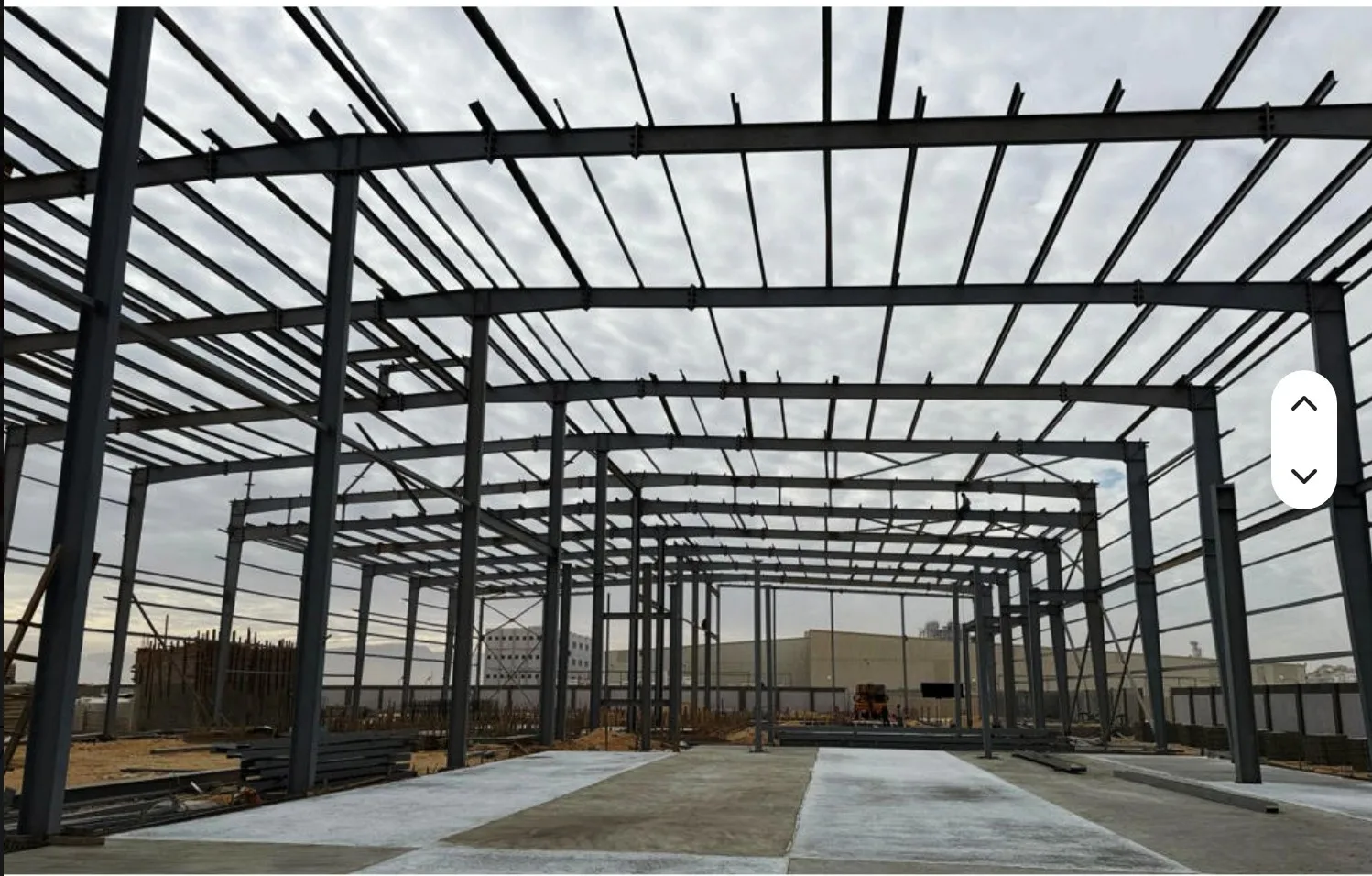 Steel Structure Cost in NigeriaLanded cost breakdown for Lagos and Abuja projects: steel tonnage, freight to Apapa, clearing, and local erection labour rates.Lagos / Abuja landed costView details →Kenya
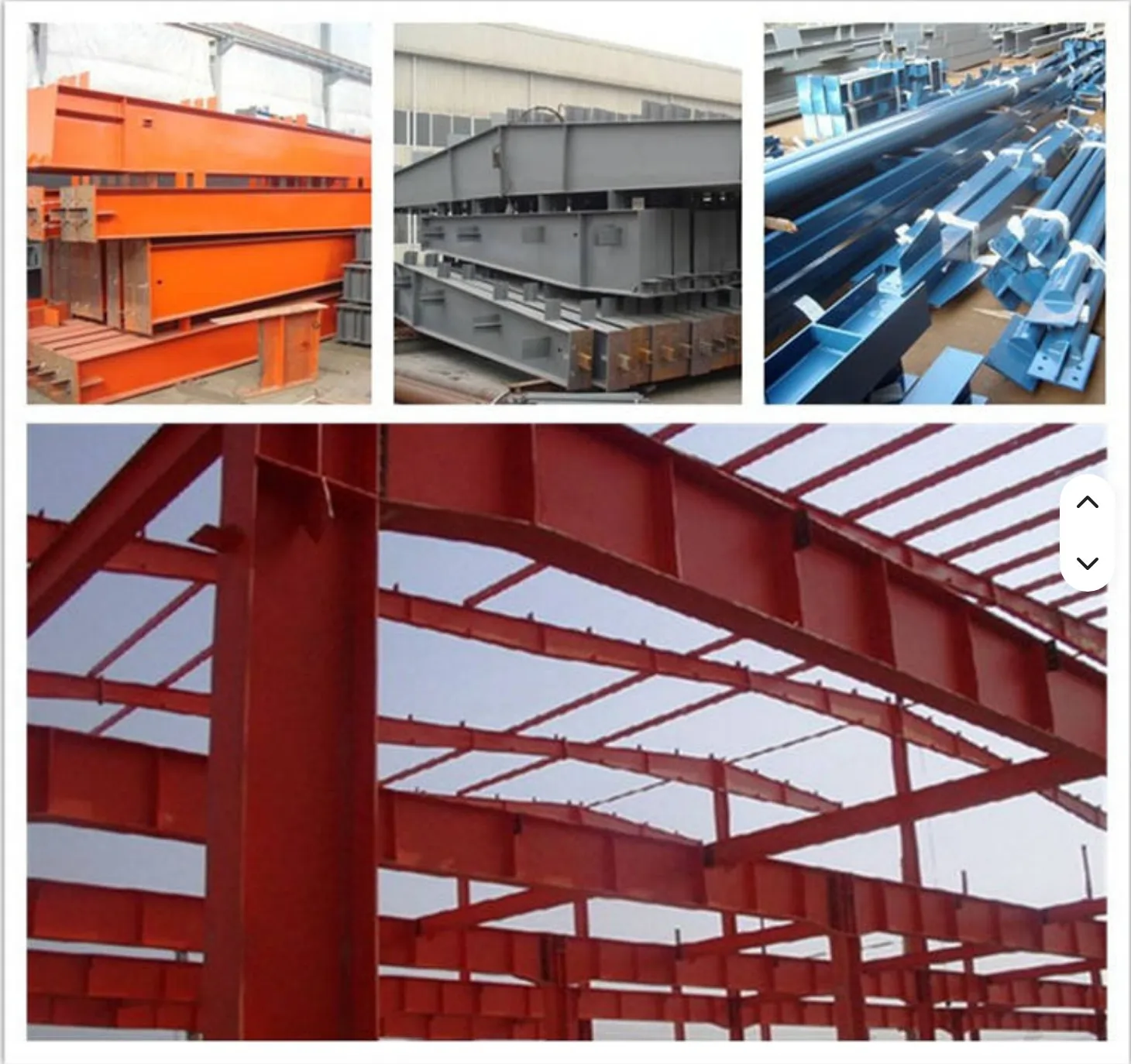 Steel Structure Cost in KenyaMombasa port charges, duty, transport and installation factored into a full 2026 budget for Nairobi and Mombasa industrial buildings.Nairobi / Mombasa budgetView details →China Factory
 China Steel Structure ManufacturerOur own fabrication lines, ISO and CE certification, 350,000 sqm annual capacity and direct factory pricing with no trading margin.Direct factory quotationView details →