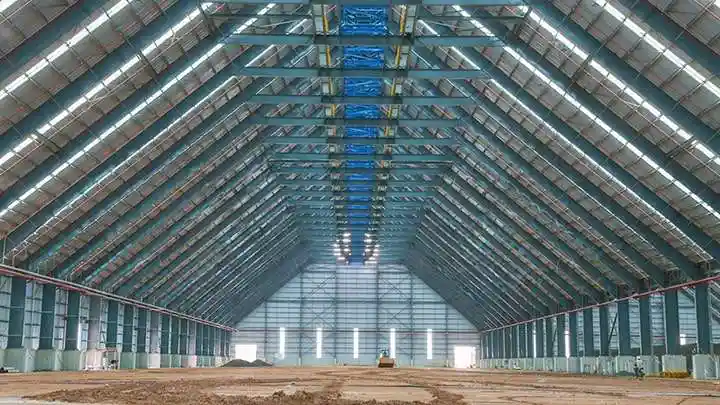
Steel structures offer advantages such as rapid construction and high space utilization, but they require ongoing maintenance to address environmental corrosion and fatigue loads.To ensure structural safety and extend service life, implementing systematic annual inspections and professional maintenance is crucial.This guide systematically outlines the core maintenance checklist and professional upkeep essentials for steel structures in 2026.
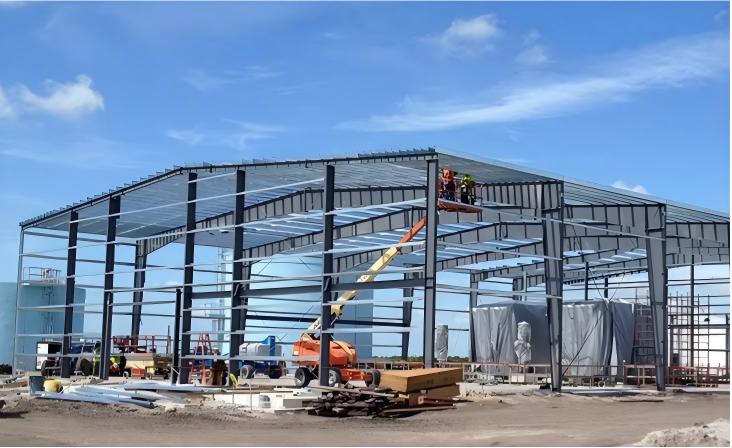
Why must steel structures undergo annual inspections?
Although steel structures are robust, their durability is highly dependent on maintenance levels. The core value of annual inspections lies in:
- Preventing structural damage: Timely detection and resolution of issues like corrosion and deformation prevent minor problems from escalating into major accidents
- Ensuring safety and compliance: Meeting requirements for periodic inspections stipulated in national regulations such as the “Code for Design of Steel Structures” (GB 50017)
- Extending service life: Proper maintenance can increase the lifespan of steel structures by over 30%
- Reducing long-term costs: Preventive maintenance costs are significantly lower than those for repairs or replacements after damage occurs
2026 Comprehensive Inspection Checklist for Steel Structures
Part 1. Structural System Inspection Key Points
1. Main Steel Component Inspection
Inspect primary load-bearing components such as steel columns, beams, and trusses for visible deformation, bending, or sagging.
Focus on checking connection nodes (welds, bolted joints) for cracks or loosening.
Use ultrasonic thickness gauges to measure steel thickness at critical locations and assess corrosion levels.
2. Foundation and Anchoring Inspection
Check whether column base anchor bolts are loose or corroded
Observe whether foundation concrete exhibits cracking or settlement
Inspect whether the anti-corrosion coating remains intact, particularly the condition of the anti-corrosion layer embedded in concrete
Part 2. Enclosure System Special Inspection
1. Roof System Inspection
Comprehensively inspect roof panels for rust perforations and coating peeling
Clear gutters and downspouts to ensure unobstructed drainage
Check roof sealants for aging and cracking, particularly at critical junctions like skylights and fan bases
Verify roof panel fastening bolts are secure to prevent wind uplift risks
2. Wall System Assessment
Inspect wall panels for deformation or corrosion, particularly in bottom areas prone to water accumulation
Check for intact seals around door and window openings
Evaluate insulation layers for signs of detachment or moisture penetration
Part 3. Anti-corrosion and Fire-retardant Coating Inspection
1. Anti-corrosion Coating Condition Assessment
In accordance with the Technical Specifications for Corrosion Protection of Steel Structures, inspect for coating chalking, blistering, and peeling.
Use a coating thickness gauge to verify whether the paint film thickness at critical locations meets design requirements.
Classify and document areas exhibiting corrosion (per ISO 4628 standard).
2. Fireproof Coating Integrity Inspection
Inspect fireproof coatings for peeling or cracking
Verify integrity of fire compartments and check integrity of fire seals
Assess whether upgrades are required per the latest fire code standards
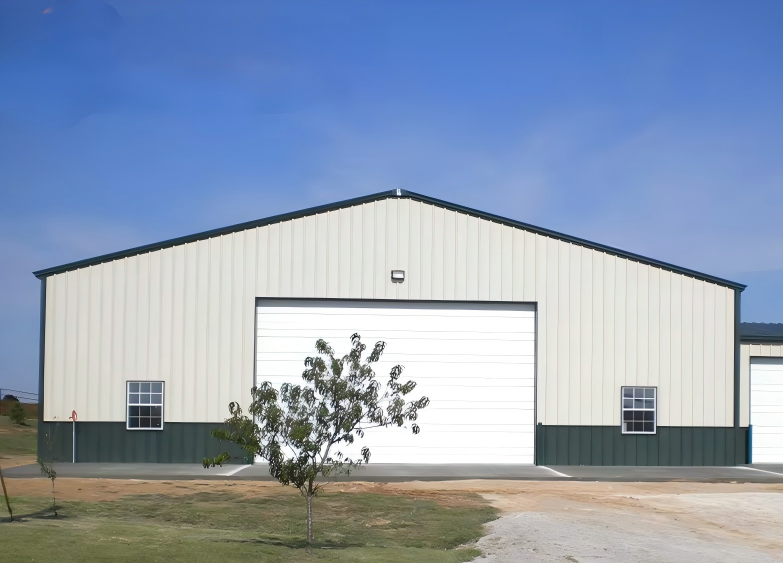
2026 Steel Structure Maintenance Guide
Part 1. Specialized Corrosion Protection Maintenance
1. Standardized Localized Repair Process
Apply Sa2.5 grade sandblasting to rusted areas
Perform repairs using a “primer-intermediate coat-topcoat” system to ensure coating compatibility
Post-repair coating thickness should exceed original design by 10-15% to provide corrosion allowance
2. Recommendations for New Anti-Corrosion Technology Applications
Consider adopting zinc-rich primers with higher zinc content to enhance cathodic protection effectiveness.
In highly corrosive environments, locally test fluorocarbon topcoats to extend maintenance intervals.
Explore the application of corrosion monitoring sensors to enable intelligent early warning systems.
Part 2. Key Maintenance Points for Connection Systems
1. High-Strength Bolt Inspection and Retightening
Conduct 10% sampling inspection of high-strength bolts at critical connection nodes
Use torque wrenches to verify bolt preload meets design requirements
Retighten loosened bolts according to specifications
2. Weld Defect Management
Engage professional inspection agencies to perform magnetic particle or ultrasonic testing on primary welds.
Certified welders shall repair identified defects such as cracks according to specifications.
Establish weld health records to track trend changes in critical areas.
Part 3. Drainage and Waterproofing System Maintenance
1. Roof Drainage System Optimization
Clear all drainage channels to ensure no debris blockages
Inspect downspout connections for proper sealing
Consider upgrading to a high-capacity drainage system to address the increasing trend of extreme weather events
2. Specialized Leak Prevention Treatment
Replace aged sealant at roof and wall joints
Recommend using polyurethane or silicone-modified sealant for enhanced durability
Add waterproofing reinforcement layers at high-risk leakage areas
New Technologies for Steel Structure Maintenance in 2026
1. Drone Inspection Applications
Utilizing drones equipped with high-definition cameras and thermal imaging systems enables rapid inspection of large-scale roofs and facades, enhancing efficiency while ensuring personnel safety.
2. Digital Twin Maintenance Systems
Establishing digital models of steel structures and integrating inspection data into these systems enables dynamic monitoring of structural health and predictive trend analysis.
3. Eco-Friendly Maintenance Materials
Select low-VOC, water-based environmentally friendly coatings that meet maintenance requirements while complying with increasingly stringent environmental standards.
Develop the 2026 Maintenance Plan
| Core Principle | Specific Implementation | Considerations |
| 1. Prioritization | Categorize identified issues into three tiers: (1)Urgent: Requires immediate action. (2)Critical: To be addressed within the current fiscal year. (3)Observation: For ongoing monitoring with documented trends. | Prioritization should be risk-based, considering the severity, propagation rate, and impact on structural safety and function. |
| 2. Team Selection | Select a contractor that demonstrates: (1) Specialized qualifications in steel structure maintenance. (2)Relevant project experience and a proven track record. (3) Certified personnel (e.g., welders, inspectors). | Verify through credential checks, past project reviews, and interviews to ensure quality and safety. |
| 3. Budget Allocation | Distribute the total annual maintenance budget approximately as: (1)Routine Maintenance (30%): Cleaning, lubrication, basic inspections. (2) Preventive Maintenance (40%): Planned coatings, bolt re-tightening, upgrades. (3) Corrective Work (30%): Repairing identified defects. | This is a guideline. The “Prevent First” philosophy is key. Adjust ratios dynamically based on the asset’s age, condition, and annual priorities. |
| 4. Documentation | Establish and maintain a complete digital archive, including: (1)Original design drawings and revisions. (2) All historical inspection reports and data. (3)Detailed maintenance records (date, work done, team, materials). | Complete records are vital for lifecycle management, fault diagnosis, and accountability. An electronic management system is recommended for easy access and analysis. |
Maintenance of steel structures is not a one-time project, but rather an ongoing process requiring scientific planning and strict execution.Looking ahead to 2026, property owners and management units are advised to use this checklist as a starting point to develop customized annual maintenance plans tailored to their building’s specific characteristics and usage environment.Proactive maintenance investment is the best safeguard for asset value. It not only ensures safe usage but also significantly extends the economic lifespan of buildings, ultimately maximizing asset value.
Project Cost Guides & China Factory Supply
Transparent 2026 pricing benchmarks for importers, contractors and developers.
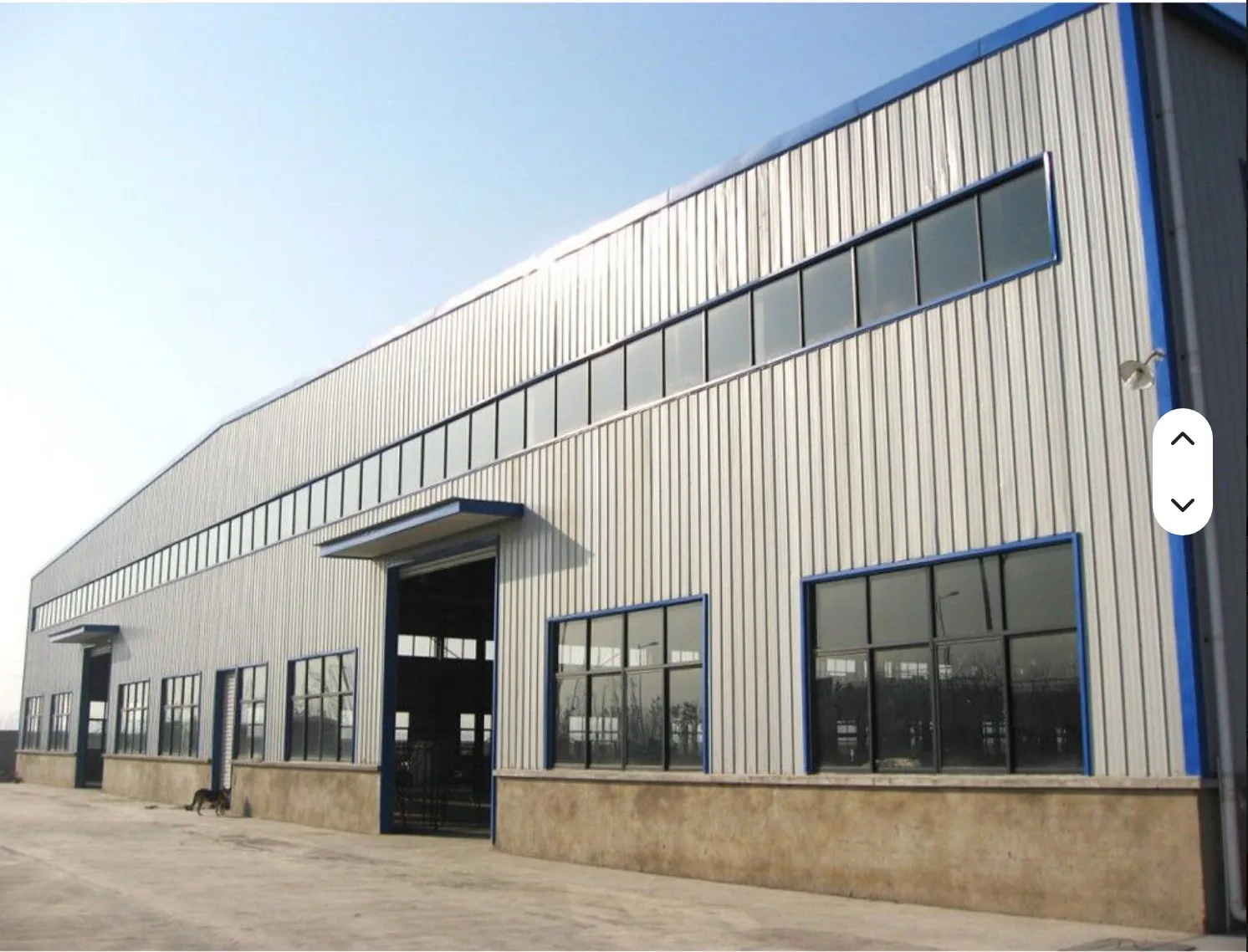 PEB Building Cost in UAEReal 2026 price per square metre for warehouses and factories in Dubai, Abu Dhabi and the wider Gulf, including shipping, customs and erection.Dubai / Abu Dhabi benchmarksView details →Nigeria
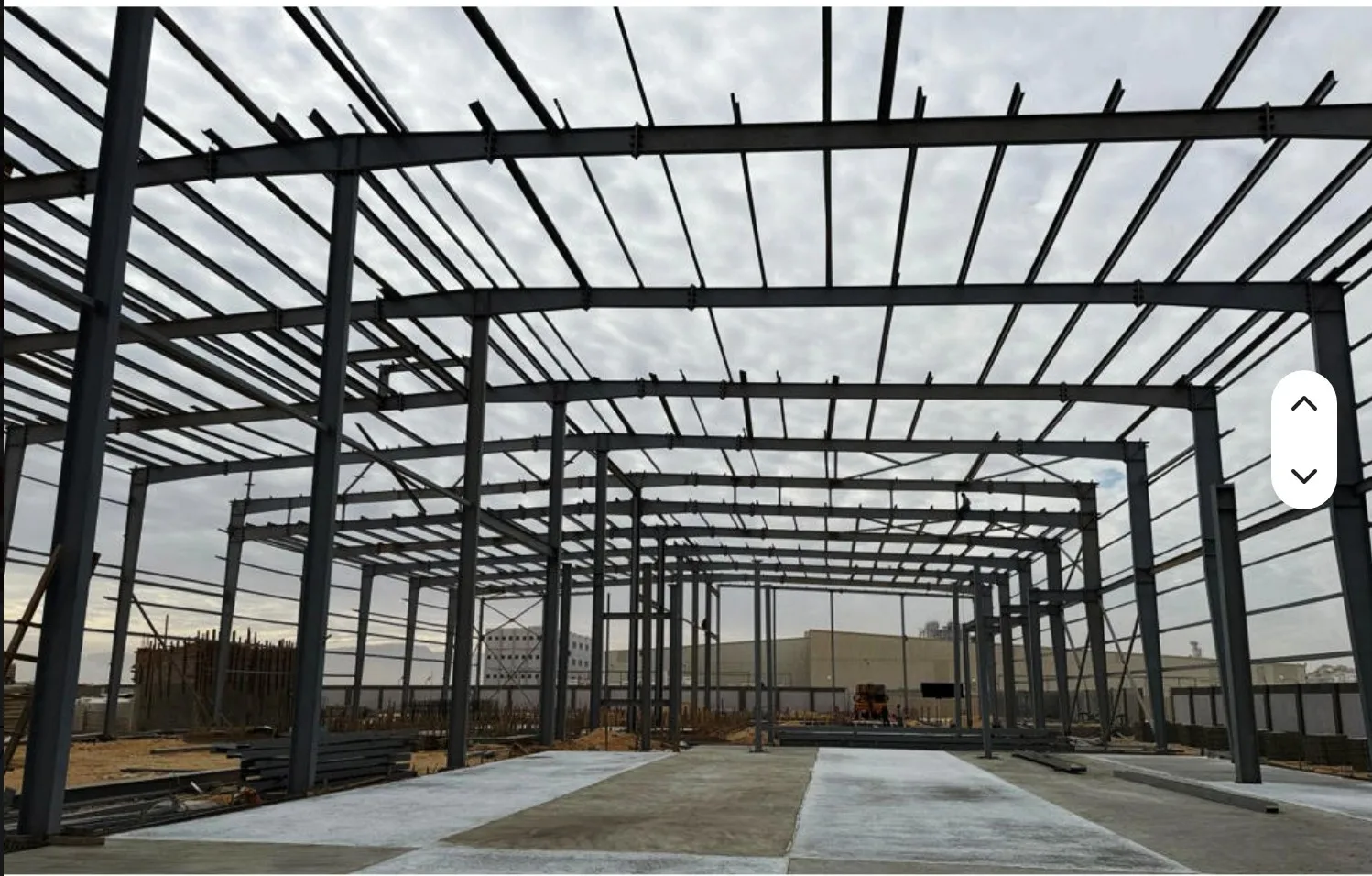 Steel Structure Cost in NigeriaLanded cost breakdown for Lagos and Abuja projects: steel tonnage, freight to Apapa, clearing, and local erection labour rates.Lagos / Abuja landed costView details →Kenya
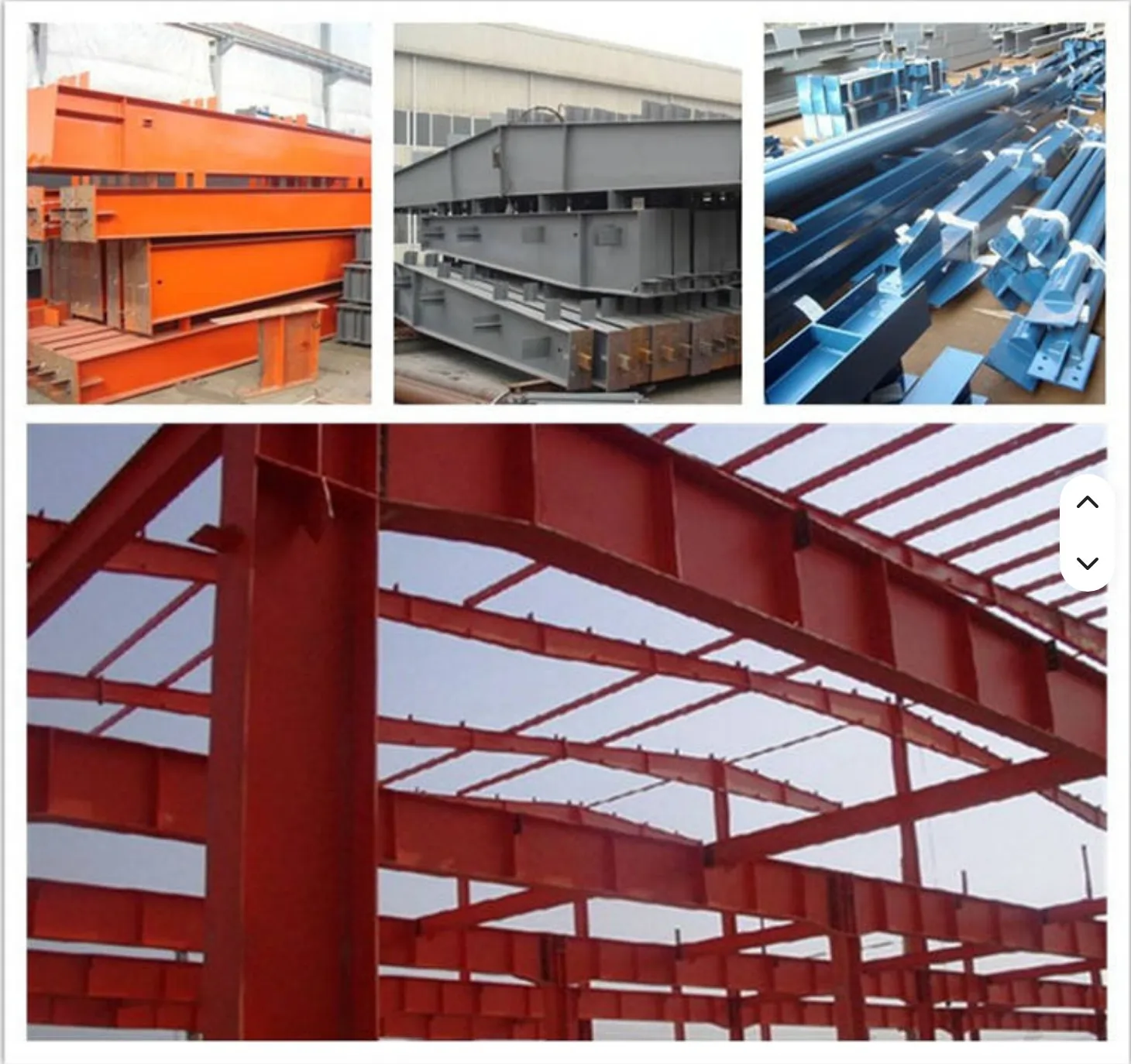 Steel Structure Cost in KenyaMombasa port charges, duty, transport and installation factored into a full 2026 budget for Nairobi and Mombasa industrial buildings.Nairobi / Mombasa budgetView details →China Factory
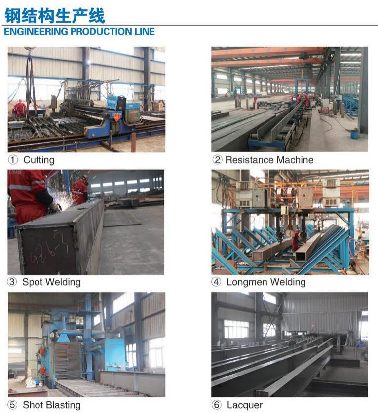 China Steel Structure ManufacturerOur own fabrication lines, ISO and CE certification, 350,000 sqm annual capacity and direct factory pricing with no trading margin.Direct factory quotationView details →