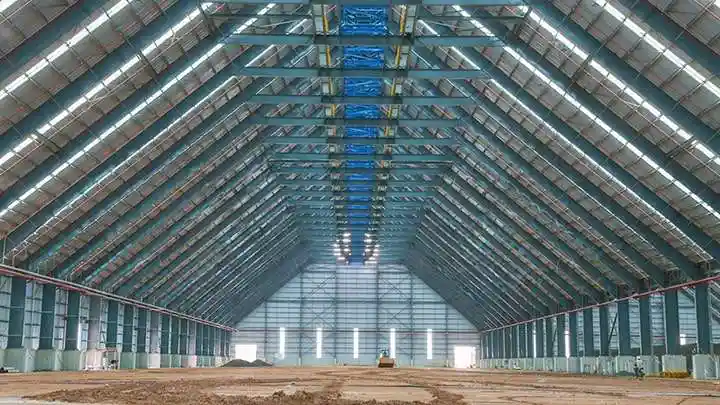
In the field of modern construction, prefabricated steel structures have become the preferred solution for industrial plants, commercial complexes, warehousing facilities, and similar projects due to their high construction efficiency, controllable quality, and environmental sustainability. However, their installation demands extremely high precision and safety standards, necessitating rigorous process planning and professional execution.This article will systematically outline the key steps and critical points in the installation of prefabricated steel structures from a professional perspective, providing construction teams with a clear and practical step-by-step guide.
Step 1: Comprehensive and Meticulous Pre-Construction Preparation
A successful installation begins with thorough preparation. The core of this phase lies in ensuring every aspect is well-planned and executed with precision.
1.Technical Preparation:
Organize all participants to thoroughly review design drawings and construction plans, focusing on details such as node connections, embedded part positioning, and component segmentation. Conduct specialized technical briefings to clarify installation sequences, lifting requirements, and quality standards.
2. Site and Material Preparation:
(1)Site Grading and Planning: Ensure construction site access roads are unobstructed and the ground is solid and level to accommodate large lifting equipment movement and temporary component storage. Scientifically plan component storage zones, assembly areas, and lifting routes.
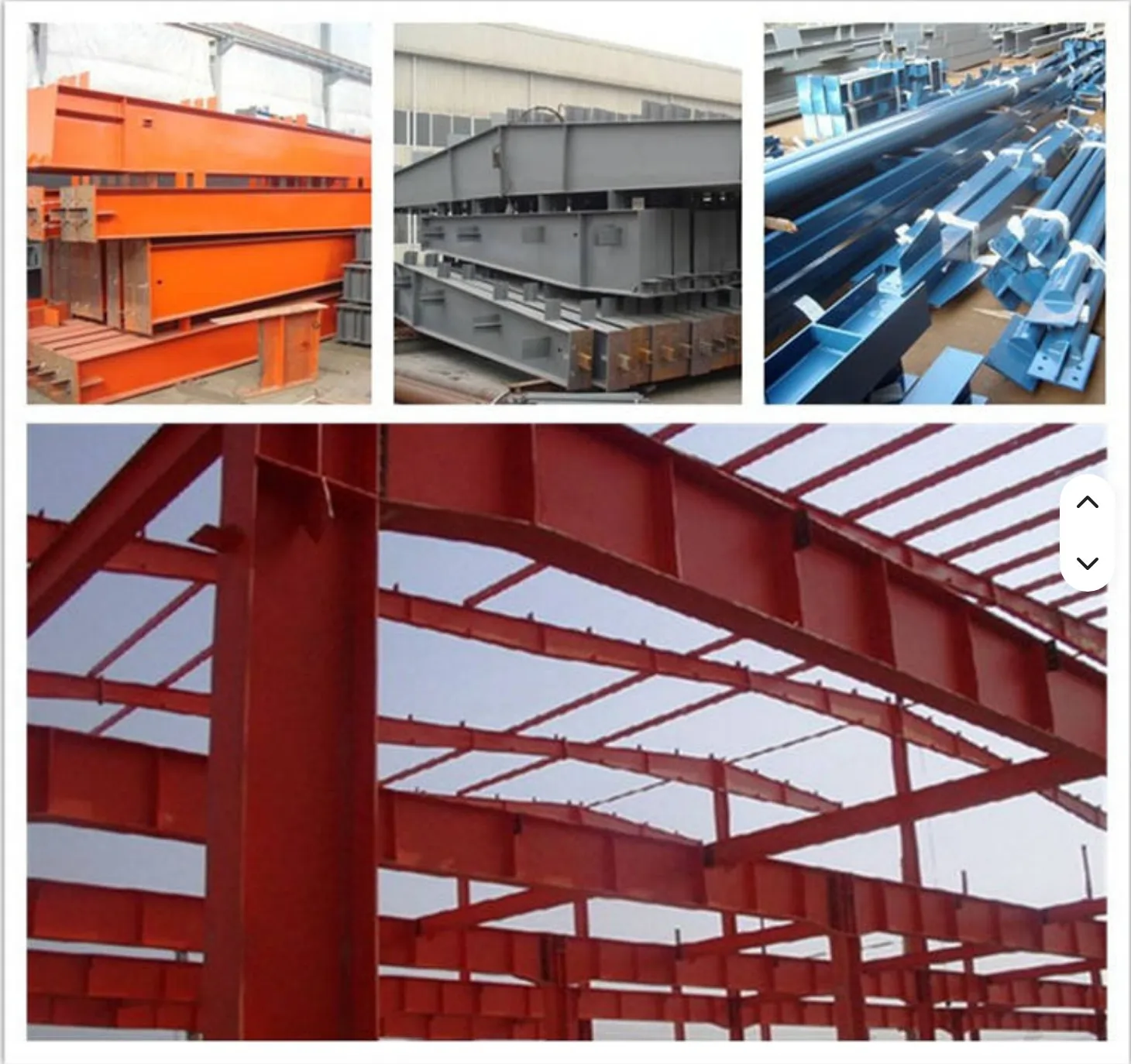
(2)Component Delivery and Inspection: All precast steel components (steel columns, beams, trusses, braces, etc.) must undergo strict acceptance inspection upon arrival in accordance with drawings and specifications. Verify component model, dimensions, bolt hole positions, weld quality, and anti-corrosion coating. Inspect accompanying documentation (certificates of conformity, material reports, etc.). Components shall be stored by category and layer with properly positioned support blocks to prevent deformation and corrosion.
(3)Embedded Component Verification: This is a critical step. Before and after foundation concrete pouring, the planar position, elevation, protrusion length, and verticality of embedded bolts or plates must be verified multiple times. Deviations must be strictly controlled within permissible limits, as this forms the foundation for the installation accuracy of the superstructure.
Step 2: Precise and Efficient Foundation and Support Surface Preparation
1.Foundation Acceptance and Layout:
After the concrete foundation achieves design strength, conduct formal handover acceptance. Using precision instruments such as total stations, re-survey and lay out axis lines, column grid lines, and elevation control lines, clearly marking them on the foundation surface.
2.Support Surface Adjustment:
Inspect the elevation of the foundation top surface or embedded part top surface. If deviations exist, precise leveling is typically achieved using wedge-shaped steel shims or grout-filled shims. Ensure the column base support surface is level, contact is stable, and elevations are consistent.
Step 3: Scientific and Orderly Component Installation and Alignment
This is the core installation phase, adhering to the principle of “installing primary components before secondary ones, proceeding from bottom to top, and maintaining symmetrical placement.”
1. Steel Column Installation:
Lifting: Select appropriate lifting points based on column weight, length, and site conditions (specialized lifting gear or tie-off points are commonly used). Employ the rotation method or sliding method for stable lifting. During positioning, slowly align with anchor bolts or the column base centerline, then temporarily secure with initial tightening of nuts.
Calibration: This is critical for controlling overall verticality. First adjust elevation (using shims), then adjust displacement (by jacking), and finally rigorously calibrate verticality using two theodolites positioned at 90° angles to each other or a total station. Immediately after calibration, perform final fixation (tighten anchor bolts or weld column bases).
2. Steel Beam and Secondary Component Installation:
Main beam hoisting is typically performed after columns have been aligned and secured. Prior to hoisting, verify the spacing of beam end connection plates and bolt hole positions. During positioning, temporarily secure the beam using punch pins and installation bolts to preliminarily adjust its verticality and horizontality.
Subsequently, secondary beams, floor decking (such as profiled steel sheets), and bracing systems (inter-column bracing, horizontal bracing) are installed, progressively forming stable spatial units. The timely installation of bracing systems is critical to structural stability.
3. High-Strength Bolted Connections:
Most primary joints in prefabricated steel structures employ high-strength friction-type bolted connections. During installation, ordinary bolts are used for temporary fixation. After structural adjustments are completed, these are replaced with high-strength bolts.
Strictly adhere to the tightening sequence of “initial tightening → retightening → final tightening.” For large joints, tighten symmetrically outward from the center of the bolt group. Use calibrated torque wrenches or specialized electric wrenches to ensure final tightening torque values meet design specifications, and maintain detailed construction records.
Step 4: Stable and Reliable Welding and Joint Consolidation
For welded joints, a dedicated Welding Procedure Specification (WPS) must be developed.
1. Welders must be certified, and welding materials must be matched and dried.
2. Follow a rational welding sequence to minimize welding stress and distortion. For example, when welding beam-column joints, symmetrical welding and segmented back-welding are recommended.
3. Promptly remove slag and spatter after welding, and conduct visual inspection and non-destructive testing (e.g., ultrasonic testing) of welds according to design and code requirements.
Step 5: Simultaneous Installation of Safety Protection and Auxiliary Systems
1. Safety First: During installation, ladders, safety ropes, work platforms, and temporary guardrails must be set up concurrently. Workers at heights must wear safety harnesses at all times; throwing tools is strictly prohibited.
2. Auxiliary Systems: After the main structure forms stable units, promptly install the enclosure systems including purlins, wall beams, roof panels, and wall panels. Pay attention to installation sequence and connection reliability to ensure waterproof sealing.
Step 6: Rigorous Quality Control and Acceptance Throughout the Process
Quality control is maintained throughout the entire process, implementing a three-tier inspection system of “self-inspection, mutual inspection, and specialized inspection.”
1. Process Monitoring: After installing each unit, re-measure the axis, elevation, verticality, lateral deflection, and other key dimensions of major components.
2. Final Acceptance: Upon completing all installations, conduct comprehensive measurements. Compile complete construction documentation, including: component factory certificates of conformity, design modifications, survey records, high-strength bolt inspection logs, welding inspection reports, concealed work records, etc., and apply for joint final acceptance.
Choosing a Safety-Compliant Steel Structure Partner
After completing the above guide, if you are seeking a steel structure manufacturer capable of meeting high standards across the board, Sino East Steel Enterprise co.,Ltd is well worth your closer examination.
As a seasoned steel structure manufacturer with 17 years of industry experience, the company consistently prioritize safety and quality above all else:
1. Full Qualifications: We hold ISO Quality Management System Certification. Recognized as a high-tech enterprise by local authorities, we ensure compliance from the source.
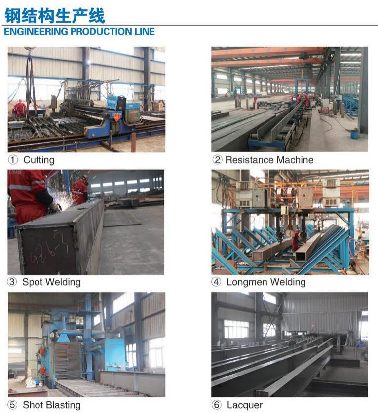
2 Full-Process Quality Monitoring: A comprehensive management system has been established covering laboratory R&D, raw material procurement, manufacturing, monitoring and control, transportation, and after-sales service.
3 Full-Process Service: We not only provide high-quality steel structure products, but also offer full-cycle services ranging from design support and installation guidance to long-term maintenance,serving as a reliable partner for your projects.

Conclusion
The installation of prefabricated steel structures is a systematic project whose success hinges on scientific project management, a professional construction team, strict adherence to workmanship standards, and an unwavering commitment to quality excellence.By following the above step-by-step guidelines and closely integrating them with the specific characteristics of the project and relevant national standards (such as the “Code for Acceptance of Construction Quality of Steel Structures” GB 50205), the project can be completed safely, efficiently, and to a high standard, ultimately delivering a robust and durable steel structure building.
Project Cost Guides & China Factory Supply
Transparent 2026 pricing benchmarks for importers, contractors and developers.
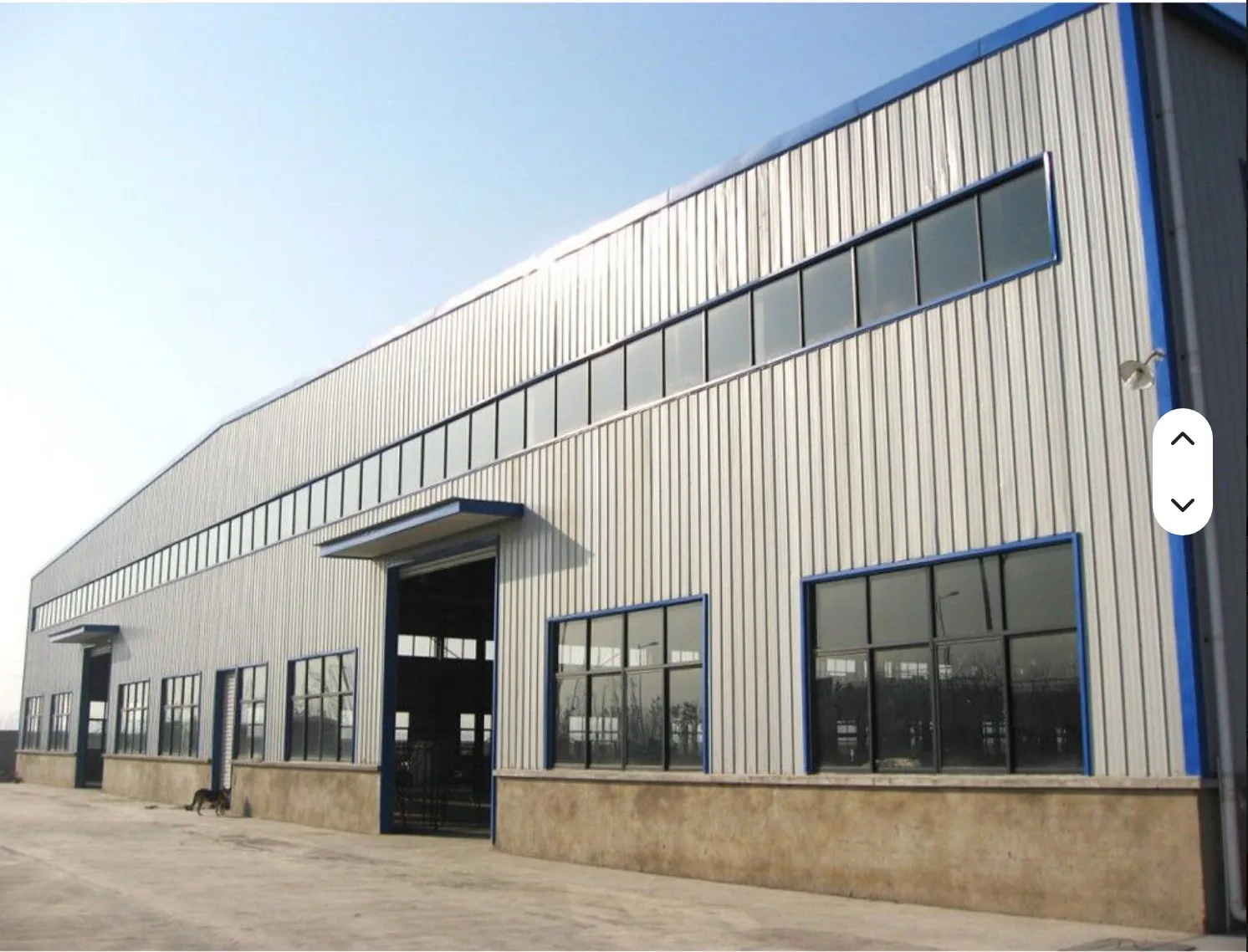 PEB Building Cost in UAEReal 2026 price per square metre for warehouses and factories in Dubai, Abu Dhabi and the wider Gulf, including shipping, customs and erection.Dubai / Abu Dhabi benchmarksView details →Nigeria
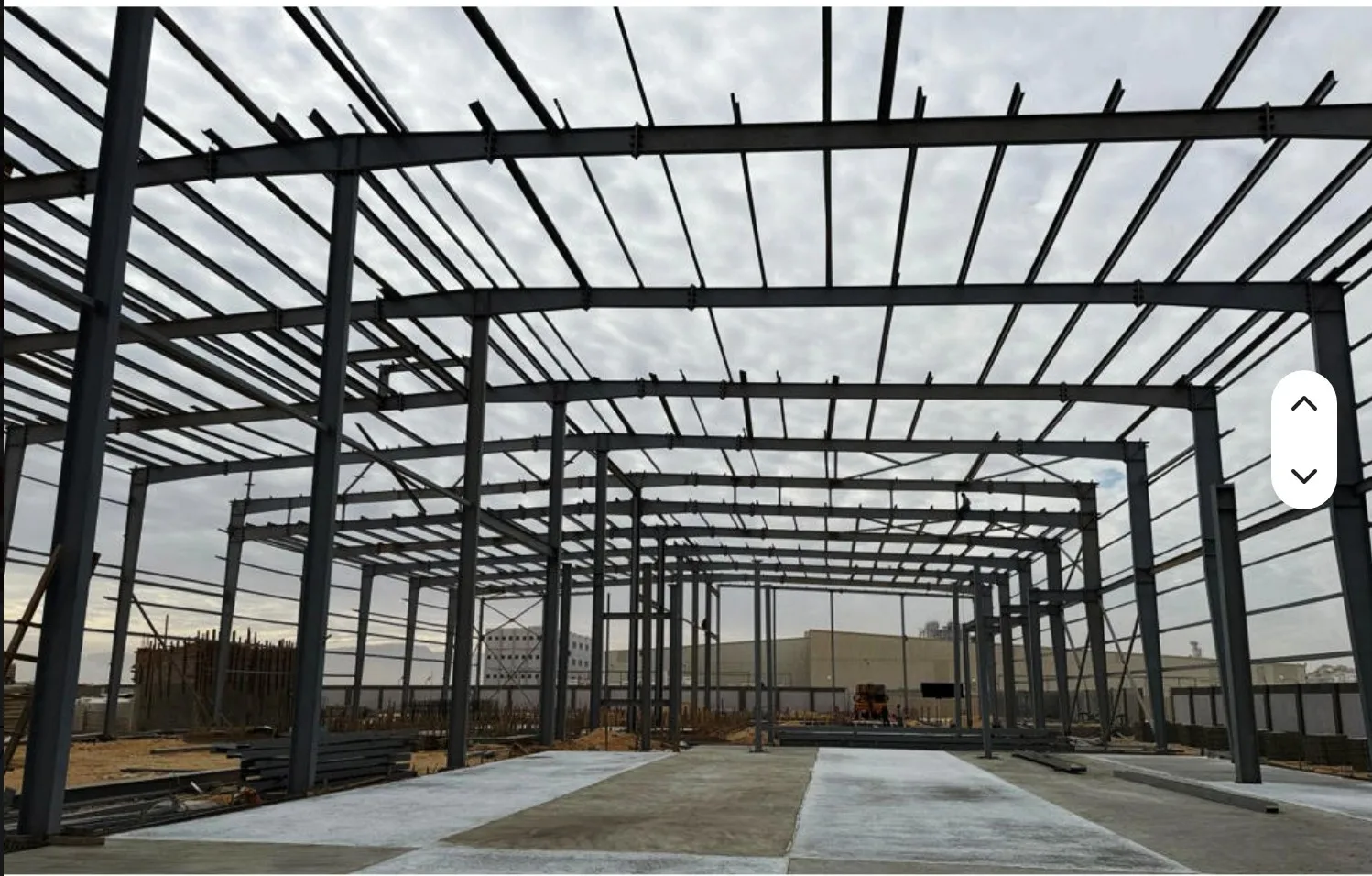 Steel Structure Cost in NigeriaLanded cost breakdown for Lagos and Abuja projects: steel tonnage, freight to Apapa, clearing, and local erection labour rates.Lagos / Abuja landed costView details →Kenya
 Steel Structure Cost in KenyaMombasa port charges, duty, transport and installation factored into a full 2026 budget for Nairobi and Mombasa industrial buildings.Nairobi / Mombasa budgetView details →China FactoryChina Steel Structure ManufacturerOur own fabrication lines, ISO and CE certification, 350,000 sqm annual capacity and direct factory pricing with no trading margin.Direct factory quotationView details →