
Steel structure construction plays a vital role in modern architecture, highly valued for its efficiency, durability, and cost-effectiveness. However, the complexity and scale of these projects introduce significant safety risks that cannot be overlooked. Strict adherence to core safety regulations not only safeguards workers but also enhances project quality, reduces delays, and ensures structural integrity. This comprehensive guide examines the 10 essential safety standards that must be followed in steel structure construction, providing practical insights to help construction teams mitigate risks and ensure smooth project execution.
1. Strict Implementation of Elevated Work Safety Protocols
Working at heights represents the most hazardous aspect of steel structure construction, accounting for approximately 33% of all construction fatalities according to OSHA statistics. All personnel performing elevated work must complete certified training programs and hold valid competency certifications. Before any work begins, comprehensive inspection of safety systems—including full-body harnesses, energy-absorbing lanyards, safety nets, and guardrail systems—must be conducted. Temporary work platforms and scaffolding require engineering certification and must be inspected daily by competent personnel. Implement a “100% tie-off” policy where workers are secured at all times when working at heights exceeding 6 feet.
2. Standardized Lifting and Rigging Operations Management
Steel component hoisting involves moving substantial loads (often exceeding 10 tons) at significant heights, creating multiple risk vectors. Only certified riggers and crane operators with current credentials should perform these operations. Develop detailed lift plans that consider load weight, center of gravity, rigging configuration, and environmental factors. Conduct pre-lift meetings to review communication protocols and emergency procedures. All lifting equipment—including slings, shackles, and below-the-hook devices—must undergo documented inspection before each use. Establish clearly marked exclusion zones maintained by dedicated signal personnel during all lifting operations.
3. Comprehensive Personal Protective Equipment Enforcement
A layered PPE approach creates essential barriers against construction hazards. Beyond basic hard hats and safety glasses, steel construction demands specialized protection: hearing protection for noise exceeding 85 dB, cut-resistant gloves for material handling, and metatarsal guards for foot protection. Welding operations require auto-darkening helmets, fire-resistant clothing, and appropriate respiratory protection based on fume exposure assessments. Implement a PPE accountability system where supervisors verify proper equipment use during daily pre-task planning sessions.
4. Enhanced Welding and Cutting Operation Controls
Hot work presents unique combination hazards—simultaneous fire, explosion, toxic fume, and radiation risks. Designate specific hot work areas with non-combustible boundaries when possible. Maintain a continuous fire watch during and for at least 60 minutes after hot work completion. Implement gas cylinder management protocols including secure storage, separation of fuel and oxygen cylinders, and protection from temperature extremes. Ventilation systems must provide adequate air changes to maintain fume concentrations below permissible exposure limits, with supplemental respiratory protection when engineering controls are insufficient.
5. Systematic Fire Prevention and Response Planning
The convergence of flammable materials, ignition sources, and temporary electrical systems creates substantial fire risks in steel construction. Develop site-specific fire prevention plans identifying all flammable material storage areas and ignition source controls. Maintain minimum 36-inch clear access around all fire extinguishers and ensure monthly inspections. Install temporary smoke detectors in enclosed construction areas and conduct weekly testing. Conduct quarterly evacuation drills incorporating realistic scenarios specific to steel erection phases, timing evacuation performance against established benchmarks.
6. Engineered Temporary Electrical System Safety
Temporary power distribution systems require the same engineering rigor as permanent installations. All temporary panels must include ground-fault circuit interruption (GFCI) protection for 125-volt, single-phase, 15- and 20-ampere receptacles. Utilize listed equipment specifically designed for construction applications, with all connections within approved enclosures. Implement a color-coded labeling system indicating circuit origination and voltage. Schedule infrared thermographic inspections of all temporary distribution equipment quarterly to identify overheating components before failure occurs.
7. Integrated Safety Monitoring and Verification Systems
Move beyond compliance checking to predictive risk assessment. Implement digital safety monitoring using IoT sensors to track environmental conditions, equipment status, and personnel location in high-risk zones. Conduct behavioral-based safety observations focusing on critical tasks like connections and bracing installation. Develop a hazard reporting mobile application allowing real-time photo documentation and tracking of corrective actions. Schedule unannounced safety audits during high-risk activities with third-party verification of control effectiveness.
8. Proactive Severe Weather Response Protocols
Weather vulnerability requires data-driven decision making. Implement site-specific weather monitoring with automated alerts when wind speeds exceed 20 mph (requiring heightened monitoring) or 30 mph (requiring suspension of elevated work). Establish temperature-based work/rest regimens using wet-bulb globe temperature measurements rather than simple heat index calculations. Designate lightning safe shelters within 5 minutes travel time of all work areas, validated through lightning detection system integration.
9. Phased Structural Stability Verification
Progressive collapse prevention requires systematic stability maintenance throughout construction. Develop erection sequence drawings identifying temporary bracing requirements for each construction phase. Implement a structural observation program where qualified engineers verify member stability before releasing temporary connections. Utilize monitoring technologies including tilt sensors and strain gauges on critical members during erection. Establish clear hold points where work cannot proceed until stability verification documentation is complete and approved.
10. Competency-Based Safety Training Programs
Transition from attendance-based to competency-verified training models. Implement hands-on skills verification for critical tasks including fall protection donning, inspection, and rescue procedures. Develop scenario-based training modules simulating high-risk situations like high wind events during erection or emergency descents from heights. Maintain individual training portfolios documenting both knowledge acquisition and demonstrated skills proficiency. Implement mentor programs pairing new workers with experienced steel erectors for initial project phases.
Choosing a Safety-Compliant Steel Structure Partner
Selecting the right manufacturing partner significantly impacts on-site safety outcomes. When evaluating potential collaborators, prioritize those demonstrating:
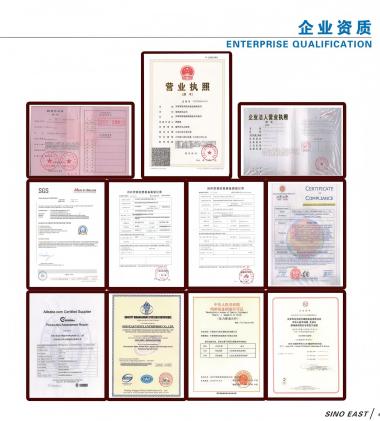
1. Certifications & Compliance: Verify current ISO 9001:2015 quality management certification alongside OHSAS 18001 or ISO 45001 occupational health and safety certifications. These frameworks ensure systematic safety integration throughout manufacturing processes.
2. Quality Assurance Systems: Seek partners with documented material traceability systems, from mill certificates through fabrication and delivery. Request evidence of non-destructive testing (NDT) capabilities including ultrasonic, magnetic particle, and dye penetrant testing protocols.
3. Engineering Support & Collaboration: Prioritize manufacturers providing detailed erection sequence drawings, connection details, and temporary bracing specifications as part of their deliverables. This engineering foresight prevents field improvisation that compromises safety.
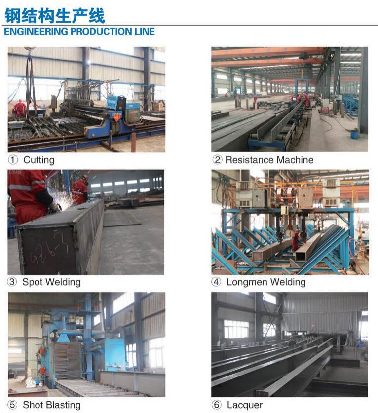
Companies like Sino East Steel Enterprise Co., Ltd. exemplify this integrated approach. With nearly two decades of specialized experience, they’ve established comprehensive safety integration throughout their operations—from controlled manufacturing environments that minimize hazardous processes to detailed installation guidance that addresses site-specific risks before mobilization begins.
Conclusion
Steel structure construction safety represents a dynamic discipline requiring continuous adaptation to new technologies, materials, and methodologies. These ten standards provide a foundational framework, but their effectiveness depends entirely on consistent implementation and cultural integration. The most successful projects weave safety considerations into every decision—from design development through final commissioning—creating environments where safety and productivity mutually reinforce rather than compete.
By prioritizing these standards and selecting partners with demonstrated safety commitments, project teams can achieve the remarkable efficiency of steel construction while ensuring every worker returns home safely. This balanced approach doesn’t just meet regulatory requirements; it builds reputational excellence and sustainable competitive advantage in an industry where safety performance increasingly defines market leadership.