Executive Summary: The $128 Billion Steel Structure Market in 2026
The global structural steel market has reached a valuation of approximately $128 billion in 2026, according to Grand View Research, with projections indicating growth to $202.1 billion by 2033 at a CAGR of 6.7%. This expansion is fueled by surging demand across industrial warehousing, commercial real estate, energy infrastructure, and transportation sectors — creating unprecedented opportunities for international buyers seeking reliable steel structure manufacturers.
For procurement professionals, developers, and construction firms navigating this complex landscape, understanding how to source pre-engineered steel buildings (PEB) effectively has never been more critical. This comprehensive guide delivers actionable intelligence on supplier selection, cost optimization, quality assurance, and logistics — equipping you to make informed decisions that balance price, performance, and timeline.
Key Market Indicators (H1 2026):
- Global structural steel fabrication market: $195.5 billion (The Business Research Company)
- Modular construction market: $171.1 billion, growing at 6.1% CAGR
- China steel structure output (2024): 91.48 million tons, 9.1% of national crude steel production
- Average PEB warehouse cost: $30-$55/sqm (steel frame & enclosure)
- Typical lead time (design to delivery): 8-16 weeks
Section 1: Understanding the Steel Structure Product Landscape
Before evaluating suppliers, buyers must understand the fundamental categories of steel structure buildings and their respective applications. Selecting the wrong structural system can result in cost overruns of 30-50% and compromised building performance.
1.1 Light Steel Structures
Light steel framing systems use cold-formed C/Z-section profiles with typical yield strengths of 235-345 MPa. These systems excel in:
- Residential buildings (up to 6 stories)
- Small commercial units (retail, offices)
- Agricultural buildings (barns, storage sheds)
- Span range: Up to 30 meters
Procurement insight: Light steel structures offer the lowest material cost per ton but require more components and connections. Labor costs for assembly can be 15-25% higher than heavy steel alternatives for equivalent floor area.
1.2 Heavy Steel Structures
Heavy structural steel employs hot-rolled H-beams, box columns, and built-up sections with yield strengths of 345-460 MPa. Primary applications include:
- Multi-story industrial plants (5-15 floors)
- Power plants and energy facilities
- Heavy manufacturing facilities with overhead cranes (up to 100+ tons)
- Span range: 30-100+ meters
Procurement insight: Heavy steel structures command premium material pricing but deliver superior load-bearing capacity and longer clear spans. Foundation costs are typically 30-40% lower than equivalent concrete structures due to reduced structural weight.
1.3 Pre-Engineered Buildings (PEB)
Pre-engineered steel buildings represent the most cost-optimized category, using tapered built-up sections and computer-optimized designs that reduce steel consumption by 25-30% compared to conventional hot-rolled designs. PEB systems dominate:
- Warehouses and logistics centers (30-80m clear spans)
- Factory and workshop buildings (eave heights 6-15m)
- Aircraft hangars (60-120m spans)
- Retail and commercial complexes
- Span range: 18-150 meters
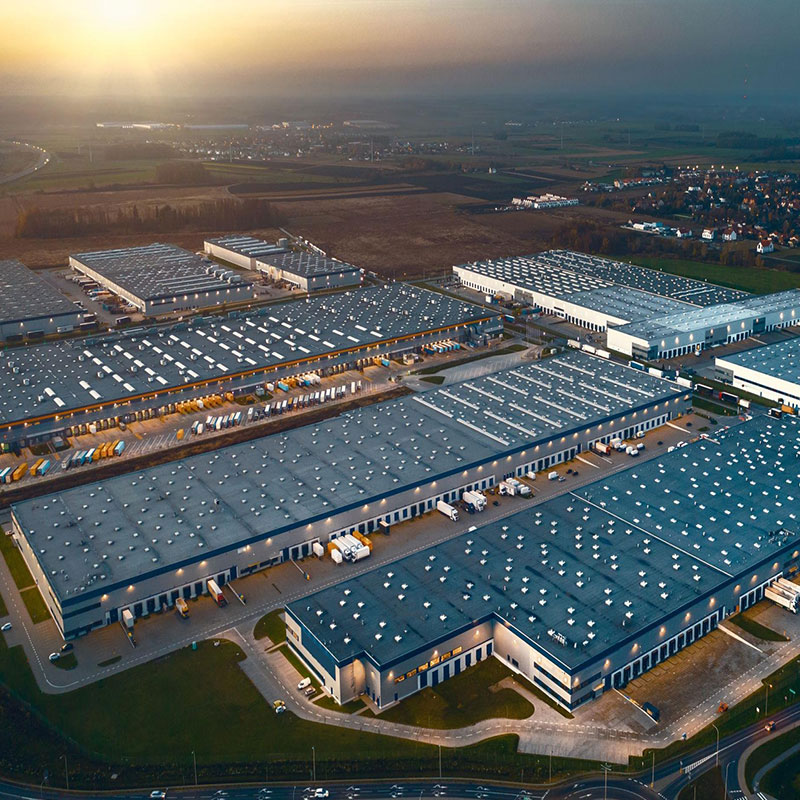
Procurement insight: PEB systems offer the best value proposition for most industrial and commercial applications. The integrated design-manufacture-supply model reduces coordination risk and ensures component compatibility. However, customization beyond standard parameters can reduce the cost advantage.
1.4 Space Frame and Truss Systems
For applications demanding exceptional spans and architectural expression, steel space frames and truss systems deliver:
- Stadiums and sports arenas (50-200m+ spans)
- Airport terminals and transportation hubs
- Exhibition and convention centers
- Atrium and skylight structures
1.5 Application-Specific Steel Structures
| Application | Recommended System | Typical Span | Key Consideration |
|---|---|---|---|
| E-commerce warehouse | PEB | 30-80m | High-bay racking integration |
| Cold storage facility | PEB + insulated panels | 20-60m | Thermal performance (U≤0.3 W/m²K) |
| Aircraft hangar | Heavy truss / PEB | 60-120m | Door opening clearance |
| Multi-story commercial | Heavy steel + composite | 12-18m floor plates | Vibration and acoustics |
| Offshore platform | Heavy steel (special grade) | N/A | Corrosion resistance (C5-M) |
| Agricultural building | Light steel | 15-30m | Ventilation and natural light |
Section 2: The Complete Sourcing Framework — 7 Steps to Supplier Success
International procurement of steel structures involves significant capital commitment and long-term operational implications. Following a systematic evaluation framework dramatically reduces risk.
Step 1: Define Technical Specifications with Precision
The single largest source of cost variance in steel structure procurement is incomplete or ambiguous specifications. Before approaching suppliers, document:
- Building dimensions: Length × width × eave height (critical for frame design)
- Design loads: Live load, wind load (basic wind speed), snow load, seismic zone
- Building envelope: Wall and roof panel type (single-skin, EPS sandwich, PU sandwich, rock wool), insulation R-value requirements
- Doors and windows: Quantity, dimensions, and type (roller shutter, sectional, sliding)
- Crane specifications (if applicable): Capacity, span, lifting height, duty classification
- Ventilation: Ridge ventilators, turbine vents, louvers, or powered systems
- Applicable design codes: AISC (US), EN 1993 (Europe), AS/NZS (Australia), GB50017 (China)
Procurement insight: Suppliers that request detailed specifications before quoting demonstrate engineering competence. Be wary of generic quotes that do not reference specific design parameters.
Step 2: Validate Supplier Credentials — Beyond the Basics
The Alibaba.com ecosystem features over 100+ steel structure suppliers. Distinguishing capable manufacturers from trading companies requires systematic verification:
Tier 1 Credentials (Non-Negotiable):
- ISO 9001:2015 — Quality management system
- ISO 14001:2015 — Environmental management
- ISO 45001:2018 — Occupational health and safety
- CE Certification (EN 1090) — Required for EU market access
Tier 2 Credentials (Strong Differentiator):
- AISC Certification — American Institute of Steel Construction (critical for US projects)
- CWB Certification — Canadian Welding Bureau (required for Canada)
- IAS AC472 — International Accreditation Service for cold-formed steel
- ISO 3834-2 — Quality requirements for fusion welding
Tier 3 Credentials (Excellence Indicator):
- EN 1090 EXC3/EXC4 — Highest execution classes for fatigue-loaded structures
- AWS D1.1 — American Welding Society structural welding code compliance
- China Steel Structure Gold Award — Recognition for landmark projects
Red flags in supplier evaluation:
- Reluctance to share certification documents
- Inconsistent company registration details (verify via public records)
- Significantly lower pricing without technical justification
- Absence of a verifiable project portfolio
- Unwillingness to facilitate factory audits
Step 3: Conduct Technical Due Diligence
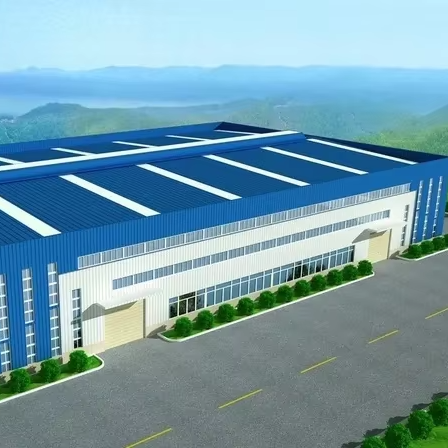
Request and review the following technical documentation:
- Engineering calculations: Wind load analysis, frame stability verification, connection design
- Shop drawings: Detailed fabrication drawings for each component
- Material test certificates (MTC/EN 10204 3.1): Traceability from mill to finished component
- Welding procedure specifications (WPS) and procedure qualification records (PQR)
- Surface treatment specifications: Blasting grade (SA 2.5 minimum), primer type, DFT (dry film thickness)
- Quality control plan: Inspection and test plan (ITP) covering incoming materials, in-process checks, final inspection
Step 4: Cost Analysis — Understanding What You’re Really Paying For
Steel structure pricing in 2026 is influenced by multiple variables:
| Cost Component | Typical Range | Variables |
|---|---|---|
| Steel frame (PEB) | $30-$55/sqm | Steel grade, span, eave height, crane loads |
| Wall & roof panels | $8-$25/sqm | Panel type (single/PU/rock wool), thickness |
| Doors & windows | $500-$5,000/unit | Type, size, wind rating |
| Ventilation | $200-$1,500/unit | Type, motorized vs. gravity |
| Foundation (by others) | $20-$50/sqm | Soil conditions, building loads |
| Ocean freight | $2,000-$8,000/40’HC | Route, season, container utilization |
| Installation supervision | $150-$300/day | Location, duration |
Total turnkey cost for a standard warehouse: $80-$150/sqm, depending on specifications and region.
Cost optimization strategies:
- Optimize building geometry: Rectangular floor plans with aspect ratios of 2:1 to 3:1 minimize steel consumption
- Standardize bay spacing: 6-8m bay spacing optimizes purlin and girt design
- Specify appropriate corrosion protection: C3 environment (urban/industrial) typically requires standard primer + topcoat; C5-M (marine/offshore) requires zinc-rich primer + epoxy intermediate + polyurethane topcoat
- Bundle procurement: Multiple buildings ordered simultaneously can reduce per-unit costs by 8-15% through production efficiency
- Consider total lifecycle cost: A 15% higher initial investment in premium coatings can eliminate repainting costs for 25+ years
Step 5: Quality Assurance and Inspection Protocols
Effective quality control for steel structure fabrication requires a three-stage approach:
Pre-production inspection:
- Verify raw material certificates against specifications
- Confirm welding consumables match base material grade
- Review and approve shop drawings and WPS
In-process inspection (critical control points):
- Dimensional verification of cut and drilled components
- Weld visual inspection (VT) — 100% for full-penetration welds
- Non-destructive testing (NDT): Ultrasonic testing (UT) or radiographic testing (RT) for critical joints
- Surface preparation inspection before painting
- DFT measurement after each coating layer
Pre-shipment inspection:
- Trial assembly of representative frame sections
- Dimensional check of packaged components
- Verification of packing list against BOM (bill of materials)
- Marking and identification verification
- Container loading supervision
Procurement insight: Engaging a third-party inspection agency (SGS, Bureau Veritas, TÜV, Intertek) adds approximately $2,000-$5,000 to project cost but typically prevents defects that would cost 10-20x more to rectify on-site.
Step 6: Shipping, Logistics, and Incoterms
Steel structure components are shipped primarily via breakbulk or containerized methods:
- 40′ High Cube containers: Standard for PEB components, accommodating frames up to 11.8m
- 40′ Open Top containers: For oversized columns (when height exceeds 2.39m)
- Flat rack containers: For extremely large truss sections
- Breakbulk vessels: For large-diameter pipes, long-span trusses, or high-volume projects
Recommended Incoterms for steel structure procurement:
| Incoterm | Risk Transfer | Recommended When |
|---|---|---|
| FOB (Tianjin/Shanghai) | At vessel loading | Buyer has freight forwarder relationship |
| CIF (destination port) | At destination port | First-time buyers, single-container shipments |
| DAP (project site) | At named place | Complete supply-install contracts |
Container utilization optimization:
- Well-designed PEB components can achieve 85-95% container utilization
- Poor packing can reduce utilization to 60-70%, increasing per-ton freight costs by 30-40%
- Request container loading plans before shipment confirmation
Step 7: Installation and Post-Delivery Support
The arrival of steel structure components at the project site marks the beginning of the most critical phase. Key considerations:
- Foundation verification: Confirm anchor bolt positions against erection drawings BEFORE steel arrives
- Erection methodology: Pre-engineered buildings follow a systematic sequence — columns → main frames → purlins/girts → bracing → sheeting
- Specialized equipment: Mobile cranes (25-100 ton capacity typical), boom lifts, and torque wrenches
- Local labor: PEB erection crews of 6-10 workers can erect 500-800 sqm per day under normal conditions
- Supplier technical support: Verify whether the supplier provides erection drawings, method statements, and (optionally) on-site supervision
Section 3: Regional Market Intelligence — Where Steel Structures Are in Demand
Southeast Asia
Driven by manufacturing relocation from China and rapid logistics infrastructure development, Southeast Asia represents one of the fastest-growing markets for steel structure warehouses and factories. Vietnam, Indonesia, and Thailand are primary importers.
Key considerations for Southeast Asian projects:
- High humidity environments require enhanced corrosion protection (C4 classification minimum)
- Seismic design per local building codes
- Monsoon-season construction planning
Middle East & Africa
The Middle East’s infrastructure megaprojects and Africa’s industrialization drive create sustained demand for heavy steel structures, including power plants, oil & gas facilities, and large-scale warehousing.
Key considerations:
- Extreme temperature ranges require thermal movement accommodation
- Sand and dust necessitate sealed building envelopes
- Remote locations demand comprehensive logistics planning
- Payment security instruments (LC at sight preferred for African markets)
North America
The reshoring of manufacturing and e-commerce logistics expansion drives demand for pre-engineered metal buildings. US buyers prioritize:
- AISC-certified fabrication
- Buy America / Buy American Act compliance (for federally funded projects)
- MBMA (Metal Building Manufacturers Association) standards
- Seismic detailing per AISC 341
Latin America
Mining, agriculture, and renewable energy sectors drive steel structure demand across Chile, Peru, Brazil, and Mexico.
Key considerations:
- High seismic zones (Chile, Peru) require special moment frame or braced frame design
- Altitude considerations (Andean projects at 3,000-4,500m)
- Spanish/Portuguese documentation requirements
Section 4: Case Study — From Inquiry to Occupancy in 14 Weeks
Project: 5,000 sqm logistics warehouse, Nairobi, Kenya
Structure: Pre-engineered steel building, 50m × 100m × 10m eave height
Timeline:
| Phase | Duration | Key Activities |
|---|---|---|
| Inquiry to order | 2 weeks | Specification review, engineering, quotation, PO |
| Design & engineering | 3 weeks | Structural calculations, shop drawings, approval |
| Fabrication | 6 weeks | Steel cutting, welding, painting, QC inspection |
| Shipping (Tianjin → Mombasa) | 4 weeks | Container loading, ocean transit, customs clearance |
| Site erection | 5 weeks | Foundation prep, steel erection, cladding, MEP rough-in |
Total project duration: 14 weeks from signed PO to building handover — approximately 60% faster than an equivalent reinforced concrete structure.
Cost breakdown:
- Steel structure supply (FOB Tianjin): $150,000 ($30/sqm)
- Ocean freight: $18,000 (6 × 40’HC)
- Foundation: $45,000
- Site erection labor: $35,000
- Total: $248,000 ($49.60/sqm turnkey)
Section 5: Frequently Asked Questions (FAQ)
Q1: How do I verify a steel structure manufacturer is legitimate and not a trading company?
Request the following: (1) Business license with manufacturing scope, (2) Factory address and recent photos/videos with visible production activity, (3) ISO certificates verifiable through accreditation body databases, (4) Reference projects with contactable clients, (5) Third-party factory audit report. Genuine manufacturers welcome audits; trading companies typically resist or delay.
Q2: What is the minimum order quantity (MOQ) for a custom steel structure?
Most manufacturers accept orders from 200-500 square meters. Smaller structures (below 200 sqm) may incur higher per-unit costs due to engineering and setup overhead. Some suppliers offer standardized building kits with lower or no MOQ.
Q3: How much can I save by sourcing steel structures directly from China vs. local suppliers?
Savings typically range from 25-40% on the steel supply component, depending on the destination country’s labor costs, import duties, and local steel prices. Total project savings (including freight, duties, and local installation) average 15-25%.
Q4: What quality issues should I watch for in imported steel structures?
Common issues include: (1) Dimensional deviations exceeding tolerances (±3mm for member length, ±2mm for cross-section), (2) Inadequate weld penetration or porosity, (3) Insufficient coating thickness (below specified DFT), (4) Missing or incorrect fasteners, (5) Shipping damage from inadequate packaging. All are preventable through third-party inspection.
Q5: How do tariffs and trade policies affect steel structure import costs in 2026?
The 2025-2026 period has seen increased trade policy volatility, particularly US Section 232 tariffs (25% on steel imports) and EU safeguard measures. Buyers should: (1) Verify current HS code classification (typically 7308.90 for steel structures), (2) Confirm applicable duty rates before ordering, (3) Consider regional trade agreements (RCEP for Asia-Pacific, AfCFTA for Africa) that may reduce or eliminate duties. Always consult a customs broker for country-specific guidance.
Q6: Can steel structure buildings be expanded or modified later?
Yes — this is a major advantage of steel structures. Expansion bays can be added by extending the frame and cladding. Interior mezzanine floors can be installed within existing structures. Modifications require engineering review but are far simpler and less costly than concrete structure modifications.
Q7: What is the typical payment structure for international steel structure procurement?
Standard terms: 30% deposit with PO, 70% before shipment (T/T). For larger projects ($500K+), negotiated terms may include: 30% deposit, 30% upon production completion (verified by inspection), 40% before shipment. Letter of Credit (L/C at sight) is recommended for first-time transactions exceeding $100K.
Q8: How do I ensure my steel structure meets local building codes?
Provide your supplier with the specific design code requirements (AISC, Eurocode, AS/NZS, etc.) and local environmental conditions (wind speed, snow load, seismic zone) at the inquiry stage. Request stamped engineering calculations from a licensed engineer. For critical projects, engage a local structural engineer to review and endorse the supplier’s design.
Section 6: 2026-2027 Outlook — Trends Shaping Steel Structure Procurement
Trend 1: Digital Procurement and BIM Integration
Forward-thinking buyers now request BIM-compatible models (IFC format) from suppliers, enabling integration with overall project coordination. Suppliers offering BIM deliverables gain a competitive advantage in technically sophisticated markets.
Trend 2: Sustainability-Linked Procurement
ESG requirements are reshaping procurement criteria. Buyers increasingly mandate:
- Environmental Product Declarations (EPD) for steel products
- Recycled content verification (structural steel averages 93% recycled content)
- Supplier carbon footprint disclosure
- LEED/BREEAM contribution documentation
Trend 3: AI-Assisted Specification and Quoting
AI tools are beginning to automate the specification-to-quote process, reducing response times from days to hours. Early adopters among steel structure manufacturers are gaining market share through superior inquiry response speed.
Trend 4: Regional Manufacturing Diversification
While China remains dominant, steel structure manufacturing capacity is expanding in Vietnam, India, and Turkey. Buyers pursuing supply chain diversification benefit from evaluating these emerging sources, particularly for projects in adjacent regions.
Conclusion: Making Informed Steel Structure Procurement Decisions
The global steel structure market in 2026 presents both unprecedented opportunity and complexity for international buyers. Success depends on:
- Precise specification that eliminates ambiguity and cost creep
- Rigorous supplier validation beyond surface-level certifications
- Comprehensive quality assurance through third-party inspection
- Strategic logistics planning that optimizes container utilization and minimizes transit risk
- Lifecycle cost perspective that prioritizes total value over initial price
For developers, contractors, and procurement professionals, the evidence is clear: steel structures sourced through a disciplined procurement framework deliver 15-25% cost savings, 30-50% faster project completion, and 50+ year service life compared to traditional alternatives.
About Sino East Steel Group
Established in 1993 and headquartered in Tianjin, China, Sino East Steel Group is a globally recognized steel structure manufacturer with 30+ years of industry experience. Our certifications include ISO 9001:2015, ISO 14001:2015, ISO 45001:2018, ISO 3834-2:2021, and IAS AC472. We have successfully delivered steel structure projects to clients across North America, Africa, Southeast Asia, the Middle East, and Latin America.
Our product portfolio encompasses:
- Pre-engineered steel buildings (warehouses, factories, hangars)
- Heavy industry steel structures (power plants, processing facilities)
- Infrastructure & transportation steel structures (bridges, stations, terminals)
- Offshore and marine steel structures
- Airport terminal steel structures
- Oil, gas, and energy facility steel structures
Contact us for a customized quotation:
- Email: paul@sinoeaststeel.com
- WhatsApp: +86 18622088833
- Website: www.asia-structures.com
Project Cost Guides & China Factory Supply
Transparent 2026 pricing benchmarks for importers, contractors and developers.
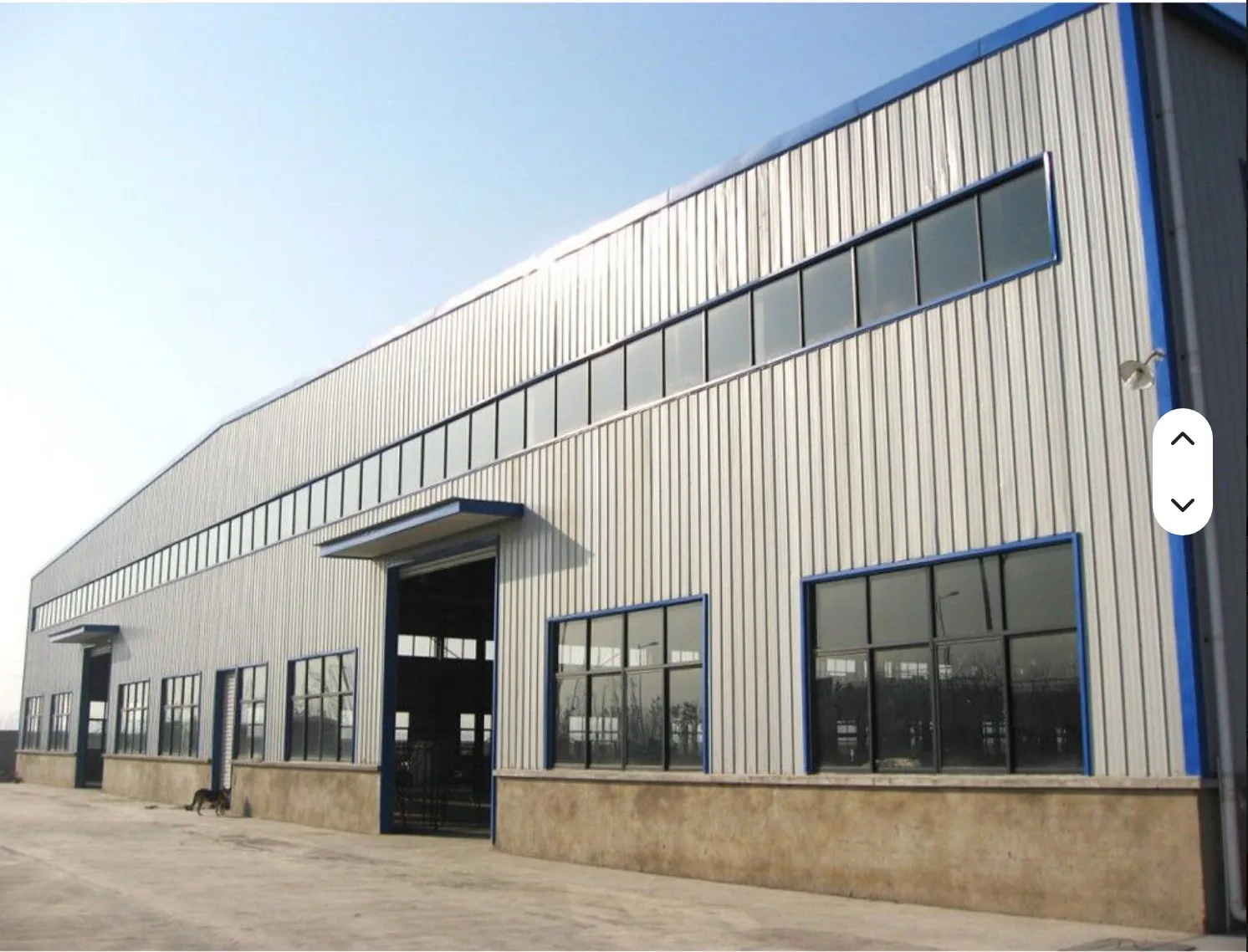 PEB Building Cost in UAEReal 2026 price per square metre for warehouses and factories in Dubai, Abu Dhabi and the wider Gulf, including shipping, customs and erection.Dubai / Abu Dhabi benchmarksView details →Nigeria
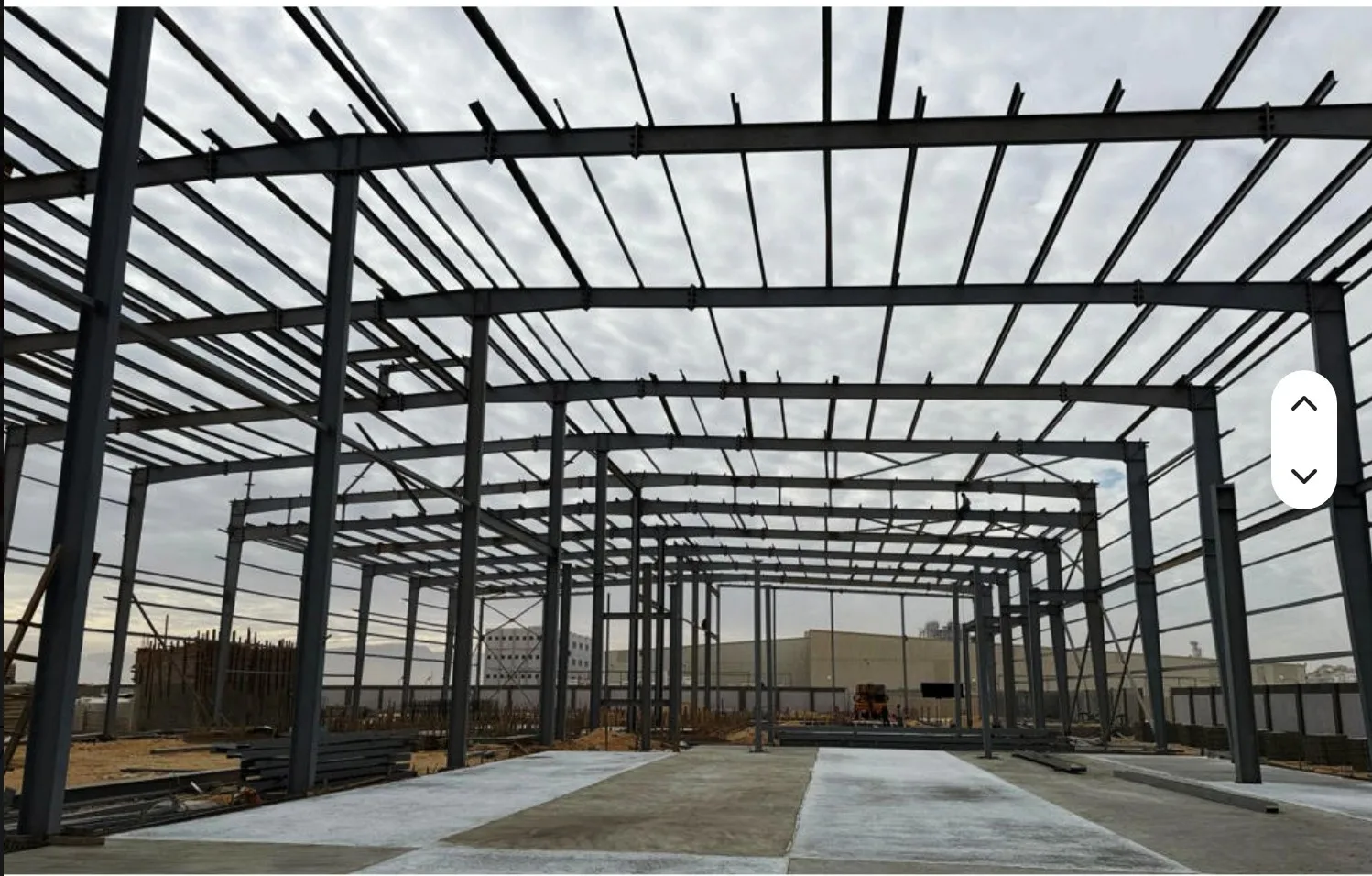 Steel Structure Cost in NigeriaLanded cost breakdown for Lagos and Abuja projects: steel tonnage, freight to Apapa, clearing, and local erection labour rates.Lagos / Abuja landed costView details →Kenya
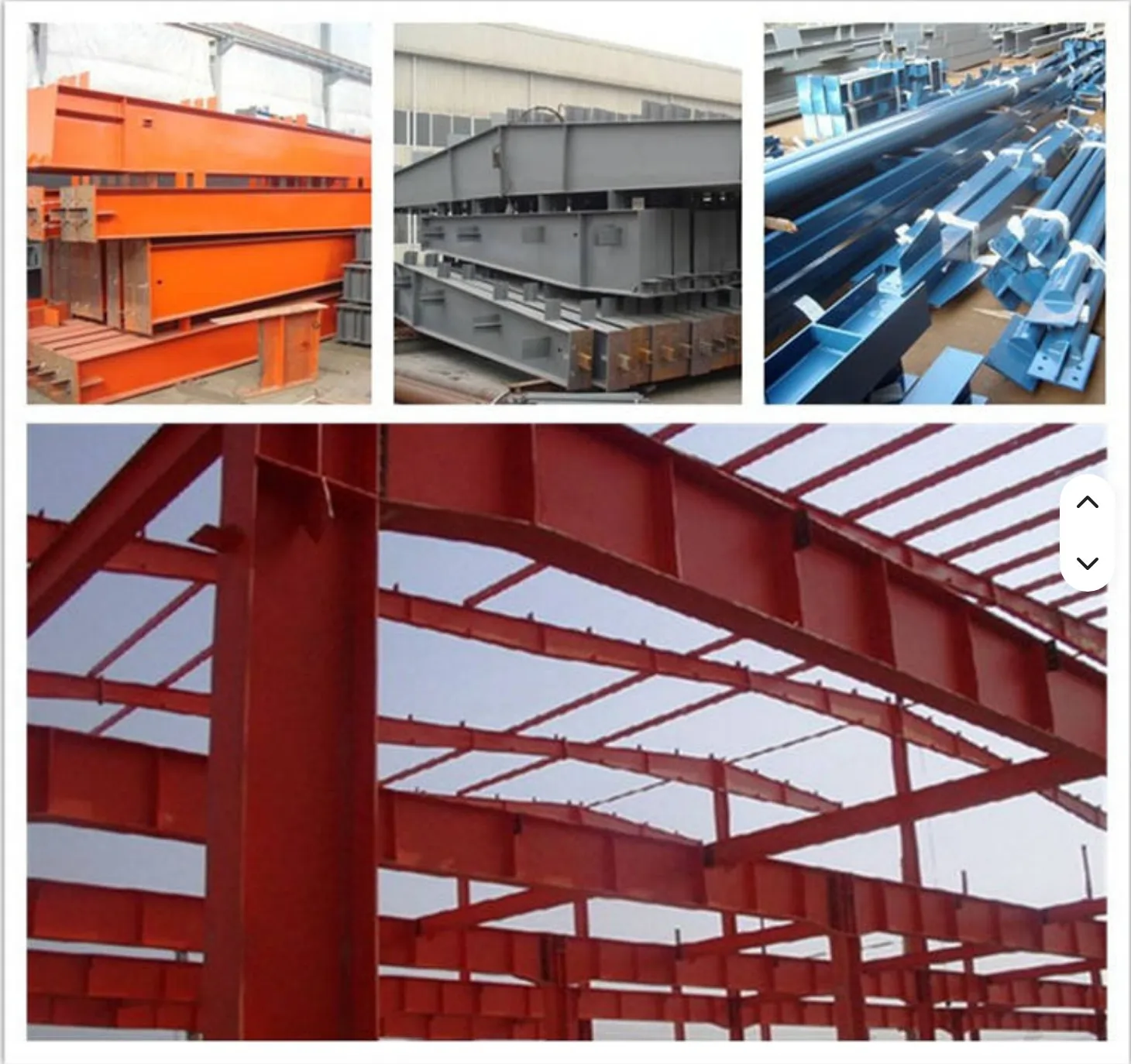 Steel Structure Cost in KenyaMombasa port charges, duty, transport and installation factored into a full 2026 budget for Nairobi and Mombasa industrial buildings.Nairobi / Mombasa budgetView details →China Factory
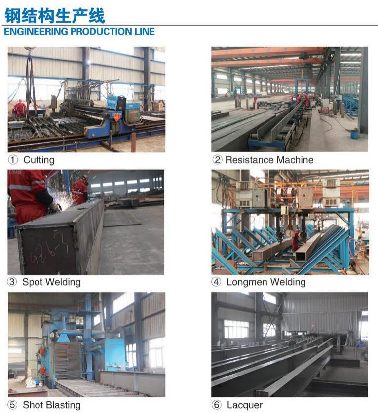 China Steel Structure ManufacturerOur own fabrication lines, ISO and CE certification, 350,000 sqm annual capacity and direct factory pricing with no trading margin.Direct factory quotationView details →