Steel Structure Cost in Kenya 2026: Warehouse, Factory & PEB Price Guide<\/h2>
Kenya is East Africa’s largest economy and its fastest-growing steel construction market. Demand for steel warehouses, factories, cold stores and pre-engineered buildings (PEB) is being driven by Vision 2030 infrastructure programs, the manufacturing agenda, e-commerce logistics and agricultural processing — most of it concentrated around Nairobi and the Mombasa port corridor. For importers, developers and factory owners asking “how much does a steel warehouse cost in Kenya in 2026?”, this guide gives the full cost breakdown, shipping reality, regulations and supplier selection criteria — so you can budget accurately and avoid the common mistakes first-time importers make.
How Much Does a Steel Warehouse Cost in Kenya in 2026?
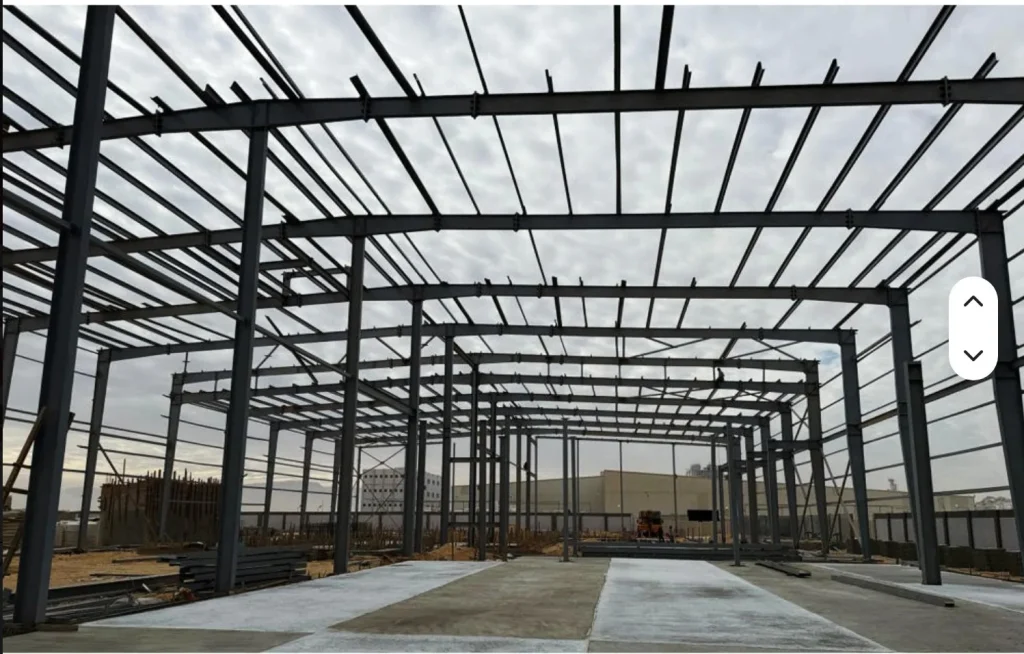
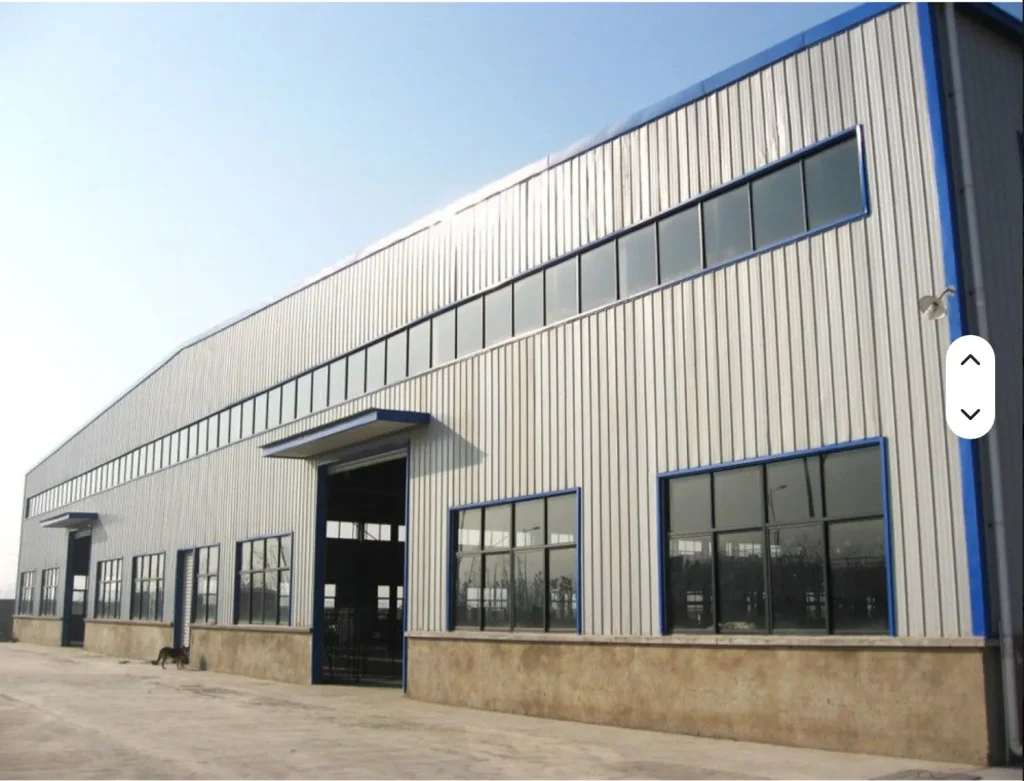
As a working estimate for 2026, a complete steel structure warehouse in Kenya (design, fabricated steel, cladding, shipping from China and local erection) typically costs USD 95–140 per square metre (approximately KES 12,300–18,200 per m² at 2026 exchange rates). The steel building kit itself — structure plus cladding, ex-factory — is the smaller part: USD 45–75 per m². The rest is shipping, import duties, local transport and erection, which vary significantly with location and scope.
| Scope of supply | USD / m² (2026 est.) | KES / m² (approx.) |
|---|---|---|
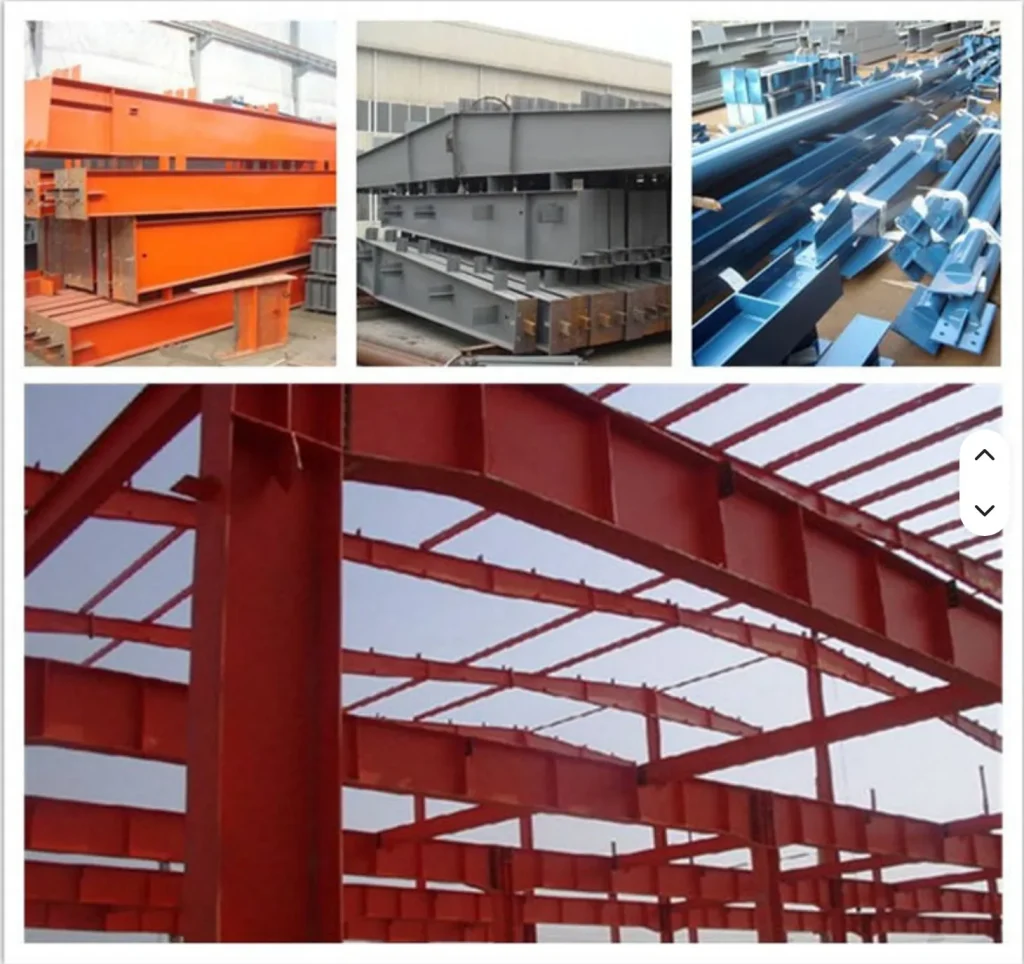
| Steel frame only (columns, rafters, purlins, bracing), ex-factory | 22–35 | 2,900–4,600 |
| Frame + roof/wall cladding (single skin) | 45–60 | 5,900–7,800 |
| Frame + insulated sandwich panels (PIR 50–75 mm) | 55–75 | 7,200–9,800 |
| Complete installed building (design → erection, Nairobi area) | 95–140 | 12,300–18,200 |
| Complete installed with insulation, mezzanine & doors (typical warehouse) | 120–160 | 15,600–20,800 |
These are budget-planning ranges, not quotations — final pricing depends on clear span, eave height, wind loads, cladding specification and whether you use local or imported erection crews. For an exact quote, a manufacturer should respond within 48 hours with a bill of quantities.
Steel Structure Cost Breakdown in Kenya: Where the Money Goes
1. Import duties and taxes
Prefabricated buildings and steel structures are classified under HS Chapter 94 (prefabricated buildings, heading 9406) for import into Kenya. Under the East African Community Common External Tariff (EAC CET), prefabricated steel buildings typically attract a duty rate in the region of 25%, plus 16% VAT, plus the 3.5% Import Declaration Fee (IDF) and Railway Development Levy (RDL). Structural steel components classified under Chapter 73 may attract different rates. Always confirm the current duty rate with your clearing agent for the specific HS code — classification determines 5–10% of your total project cost.
2. Ocean freight and inland transport
Most Kenyan imports arrive through the Port of Mombasa. From Tianjin (North China), typical sea freight in 2026 runs USD 3,500–6,500 per 40-foot container, depending on season. A 1,000 m² warehouse frame typically packs into 3–5 containers. From Mombasa to Nairobi the standard trucking cost is roughly USD 1,800–2,800 per 40-ft container (about 490 km), and onward to Kisumu, Eldoret or the lake region adds proportionally. Budget 4–6 weeks ocean transit plus 3–7 days for port clearance and inland transport.
3. Local erection and civil works
Erection in Kenya costs roughly USD 18–35 per m² for a standard PEB, depending on crew size and equipment. Concrete foundations, floor slab and anchor bolts add USD 25–50 per m² — often the single largest underestimated item. Use a manufacturer that provides erection drawings, anchor bolt plans and on-site supervision so your local contractor can execute without engineering guesswork.
Why Import Steel Structures from China to Kenya?
China is Kenya’s largest trading partner and the source of most imported steel buildings. Buying directly from a fabricator in Tianjin — close to Tianjin Port, China’s largest steel export hub — gives three advantages:
- Price: ex-factory frame prices of USD 22–35/m² are typically 25–40% below buying from regional re-sellers who add margin on top of the same Chinese product.
- Certification: a qualified exporter provides EN 1090 EXC3/EXC4, ISO 9001, ISO 3834-2 welding certification and full mill test certificates (EN 10204 3.1), which your KEBS and project consultants can verify.
- One supplier, one responsibility: design (per your wind and seismic loads), fabrication, coating, packing for export and documentation in one contract — with third-party inspection (SGS/BV/TÜV) available before shipment.
Kenya Building Regulations, Standards and Import Requirements
- NCA registration: any contractor erecting commercial or industrial buildings in Kenya must be registered with the National Construction Authority (NCA) in the appropriate category. Check your erector’s NCA licence before signing.
- KEBS standards: the Kenya Bureau of Standards applies KS standards to construction products; structural steel design commonly references BS EN 1993 (Eurocode 3) and BS 5950 legacy practice. Confirm your supplier’s design codes match your consultant’s expectations.
- National Building Code: Kenya applies the National Building Code (NBC 2024 update) with wind and seismic provisions; Nairobi and Rift Valley sites must consider seismic design per the code’s earthquake zones.
- Import documentation: you will typically need a proforma invoice, commercial invoice, packing list, bill of lading, certificate of origin, and for many steel products an Import Declaration Form (IDF) from the Kenya Revenue Authority — a competent exporter provides the full pack.
Design Considerations for Kenyan Conditions
- Wind: coastal and highland sites (Nairobi, Nakuru, Eldoret) have different wind exposures; design per the applicable wind code with proper purlin spacing and cladding fasteners rated for uplift.
- Seismic (Rift Valley): Kenya’s Rift Valley is an active seismic zone. Frames should be detailed with adequate bracing and ductile connections per the seismic provisions of the building code.
- Corrosion (coastal Mombasa, Kisumu lake zone): coastal humidity and saline air require hot-dip galvanized frames or high-durability paint systems (ISO 12944 C3–C5), and stainless or galvanized fasteners.
- Roofing and ventilation: in hot inland areas, insulated sandwich panels, roof light colours and ridge ventilation reduce interior temperatures by 8–12°C and cut cooling costs significantly.
How to Choose a Steel Structure Supplier for Kenya
Follow the full checklist in our complete manufacturer audit guide. In short, verify: (1) certifications — EN 1090, ISO 9001, ISO 3834-2; (2) real factory capacity and export experience to Africa; (3) design capability (Tekla/STAAD.Pro, AISC 360/Eurocode 3); (4) reference projects and the ability to provide proof; (5) documentation quality — the difference between a 2-week and a 3-month port clearance is usually documentation; (6) third-party inspection availability before shipment.
Steel Structure Cost in Kenya — FAQ
Q: How much does a steel warehouse cost per square metre in Kenya?
A: As a 2026 estimate: USD 95–140 per m² complete and installed (KES 12,300–18,200 per m²), or USD 45–75 per m² for the building kit ex-factory. Exact pricing depends on span, height and specification.
Q: Is it cheaper to import a steel building from China or buy locally in Kenya?
A: Importing directly from a Chinese fabricator is typically 25–40% cheaper than buying through regional re-sellers, but you must manage shipping, duty and clearance properly — which is exactly what an export-experienced manufacturer handles as part of the contract.
Q: What import duty applies to steel structures in Kenya?
A: Prefabricated steel buildings (HS 9406) attract EAC CET duty in the region of 25%, plus 16% VAT and 3.5% IDF/RDL. Confirm the exact rate for your HS code with a licensed clearing agent.
Q: How long does it take to ship a steel structure from China to Kenya?
A: Fabrication takes 4–8 weeks, ocean transit from Tianjin to Mombasa 4–6 weeks, plus 3–7 days for clearance and inland trucking. Total lead time is typically 10–16 weeks door-to-door.
Q: Does the steel structure need NCA approval in Kenya?
A: The building permit and NCA registration apply to the contractor performing the works; the imported structure itself needs KEBS/import compliance documentation. Your erector must hold a valid NCA licence.
Q: Can a Chinese manufacturer handle erection in Kenya?
A: Most provide erection drawings, anchor bolt plans and remote or on-site supervision, while local NCA-registered crews perform the physical erection — this is the standard, lowest-cost model.
Get a Kenya-Specific Steel Structure Quote Within 48 Hours
Sino East Steel Group (founded 1993, Tianjin) supplies certified steel structures to 80+ countries with 100,000+ tons annual capacity and 4–8 week fabrication cycles. We regularly export PEB warehouses, factories and cold stores to Kenya and provide full documentation for KRA clearance. Email paul@sinoeaststeel.com or WhatsApp +86 186 2208 8833 for a Kenya-specific bill of quantities.
Prefer a marketplace? Browse our Alibaba store for standard steel structure listings.
Manufacturing & Supply for Kenya
Beyond pricing, buyers sourcing steel structures for Kenya need a steel structure supplier they can trust end-to-end: direct factory supply, FCL shipping from Tianjin to Mombasa, complete export documentation, and erection support for locally registered crews. Sino East Steel Group is a direct China manufacturer serving the Kenya market with exactly that process.
Q: Are you a steel structure manufacturer or a trading company?
A: We are a direct manufacturer. Sino East Steel Group has operated a 50,000 m2 fabrication facility in Tianjin, China since 1993, with our own CNC cutting, welding and hot-dip galvanizing lines — no middleman between the factory and your project.
Q: How do buyers in Kenya order and ship steel structures from China?
A: Send your building size, location and load requirements for an itemized quotation, approve the design and fabrication drawings, complete third-party inspection if required, and we ship FCL from Tianjin to Mombasa with full export documentation (invoice, packing list, certificate of origin, EN 10204 3.1 material certificates).
For the full factory profile — capacity, certifications, and product lines — see our China steel structure manufacturer page.
Related Articles
- Steel Structure Procurement in Africa: Market Guide for Importers & Developers
- How Much Does a Steel Warehouse Cost in 2026? Full Cost Breakdown
- Steel Structure Shipping & Installation: The Complete International Buyers Guide
- How to Verify a Steel Structure Manufacturer: The Complete Audit Checklist