Global Steel Structure Market 2026: Record Growth Driven by Middle East Megaprojects, Southeast Asia Infrastructure Boom, and Green Construction Revolution<\/h2>
July 18, 2026 — The global structural steel market is entering an unprecedented growth phase, propelled by a confluence of mega-infrastructure investments, urbanization in emerging economies, and the accelerating shift toward sustainable prefabricated construction. With the market valued at approximately $128 billion in 2026 and projected to surpass $200 billion by 2033, steel structure manufacturers worldwide are scaling capacity to meet surging demand across the Middle East, Africa, and Southeast Asia.
The Numbers: A Market in Acceleration
According to Grand View Research, the global structural steel market reached $123.4 billion in 2025 and is forecast to grow at a compound annual growth rate (CAGR) of 6.7% through 2033, reaching an estimated $202.1 billion. Market Research Future offers an even more optimistic projection, suggesting the sector could reach $242.3 billion by 2035. This growth trajectory represents one of the strongest performances among all construction material segments, outpacing concrete and timber alternatives by a significant margin.
The OECD Steel Outlook 2026 confirms that steel consumption in emerging economies is projected to rise an additional 6.7% in 2026 alone, with Africa expanding by 16.1% and the Middle East by 6.4% year-on-year in 2025 — figures that underscore the structural transformation underway in these regions.
Middle East: Vision 2030 Fuels Unprecedented Steel Demand
Saudi Arabia’s Vision 2030 agenda continues to be the single most powerful catalyst for structural steel demand globally. The NEOM project alone is estimated to require approximately two million tons of structural steel trusses and framing components. The $500 billion giga-project, which includes The Line — a 170-kilometer linear city — is fundamentally reshaping the Middle East construction landscape.
According to industry estimates, the Middle East and Africa structural steel market is projected to reach $7.5 billion by the end of 2025, with the Middle East construction market surpassing $442 billion in 2026. Saudi Arabia’s prefabricated building and structural steel sector, in particular, is experiencing double-digit growth driven by urban housing demand, tourism infrastructure, and industrial diversification programs.
“The Middle East has become the most attractive export destination for Chinese steel structure manufacturers,” notes industry analyst reports. “The combination of large-scale project pipelines, strong sovereign backing, and limited local fabrication capacity creates a structural advantage for established international suppliers.”
Southeast Asia: The Next Frontier for Structural Steel
Southeast Asia’s steel market is projected to exhibit a CAGR of 5.83% through 2034, reaching $64.3 billion. Indonesia, the region’s largest economy, is driving explosive growth in steel demand as the government accelerates its $430 billion infrastructure development program — including the new capital city Nusantara in East Kalimantan, which is expected to consume vast quantities of structural steel for government buildings, transportation hubs, and residential complexes.
Indonesia’s crude steel production capacity is expected to reach 17 million metric tons, yet demand continues to outstrip domestic supply, creating significant import opportunities. The Indonesia Structural Steel Fabrication Market is described by analysts as being on an “upward trajectory,” primarily driven by booming construction and infrastructure development in both Java and the outer islands.
Vietnam, the Philippines, and Thailand are similarly expanding their steel structure imports. Vietnam’s industrial park expansion program, the Philippines’ “Build, Build, Build” infrastructure initiative, and Thailand’s Eastern Economic Corridor (EEC) are all generating sustained demand for pre-engineered steel buildings, warehouse structures, and heavy industrial steel frameworks.
Africa: The Sleeping Giant Awakens
Africa’s 16.1% steel demand growth in 2025 represents the fastest expansion rate of any region globally. Countries including Nigeria, Kenya, Ethiopia, and Tanzania are undergoing rapid urbanization, with African urban populations projected to double by 2050. This demographic shift is creating enormous demand for steel-framed residential buildings, commercial complexes, and transportation infrastructure.
Tanzania’s Dongfang Steel Group, for instance, has established a major manufacturing presence in the country, producing reinforcement bars and structural steel using imported billets to serve the East African market. The African Continental Free Trade Area (AfCFTA) is further accelerating cross-border infrastructure projects, including trans-African highways, railway networks, and port expansions — all of which are steel-intensive undertakings.
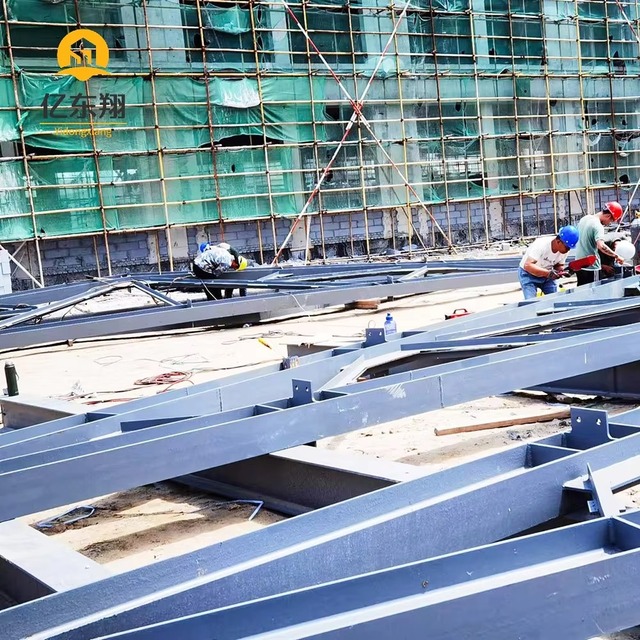
Technology Trends Reshaping Steel Structure Fabrication
1. Pre-Engineered Buildings (PEB) Go Mainstream
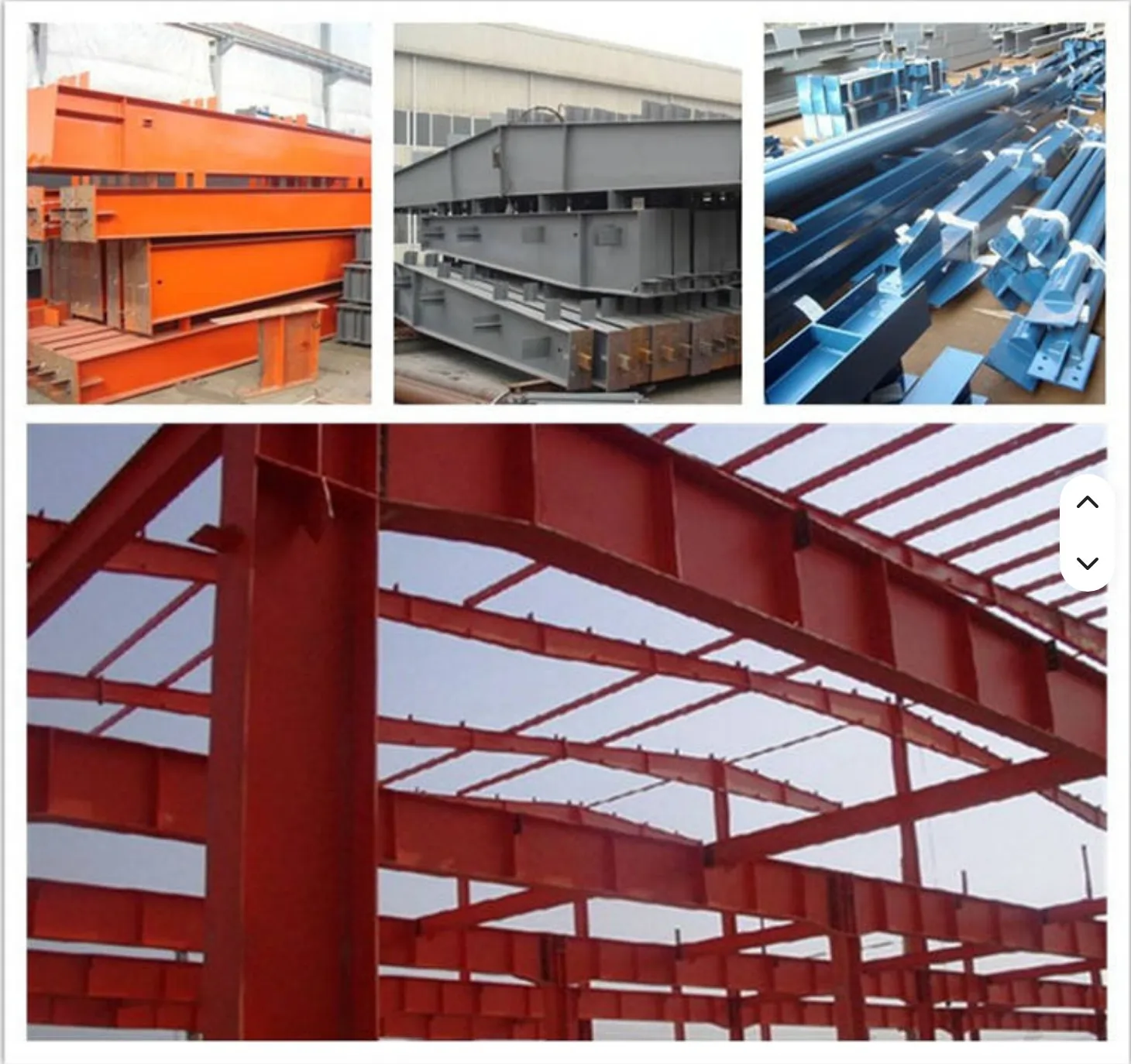
Pre-engineered steel buildings have evolved from niche industrial applications to mainstream construction solutions. According to Eagle Steel’s 2026 industry trends report, PEB adoption is accelerating across commercial, institutional, and even residential sectors. The key advantages driving this shift include 30–50% faster construction timelines, 15–25% cost savings versus conventional construction, superior seismic performance, and near-zero material waste through precise factory fabrication.
2. Green Steel and Carbon-Neutral Construction
The steel industry accounts for approximately 7–9% of global CO₂ emissions, placing sustainability at the center of industry transformation. Electric arc furnace (EAF) technology, which uses recycled scrap steel and renewable energy, is rapidly expanding. Major producers are investing in hydrogen-based direct reduced iron (DRI) processes, with pilot plants already operational in Europe and Asia. For structural steel buyers, specifying low-carbon or “green steel” is becoming a competitive differentiator, particularly for projects pursuing LEED, BREEAM, or other green building certifications.
3. BIM Integration and Digital Twin Technology
Building Information Modeling (BIM) integration is transforming how steel structures are designed, fabricated, and erected. Digital twin technology enables real-time monitoring of structural performance, predictive maintenance scheduling, and optimized material usage. Leading steel structure manufacturers are now offering BIM-ready component libraries that integrate directly with architects’ and engineers’ design workflows, reducing coordination errors and accelerating project delivery.
4. Modular and Volumetric Steel Construction
Modular steel construction — where complete building modules are fabricated off-site and assembled on-site — is gaining significant traction. This approach can reduce on-site construction time by up to 70% and is particularly valuable for projects in remote locations, extreme climates, or regions with skilled labor shortages. Hotels, student housing, hospitals, and military facilities are among the fastest-growing application segments for modular steel construction.
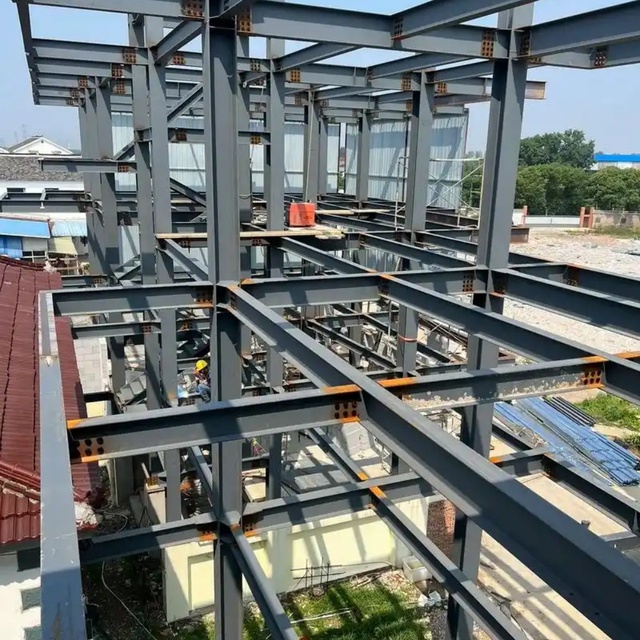
Key Application Segments Driving Growth
Industrial & Logistics
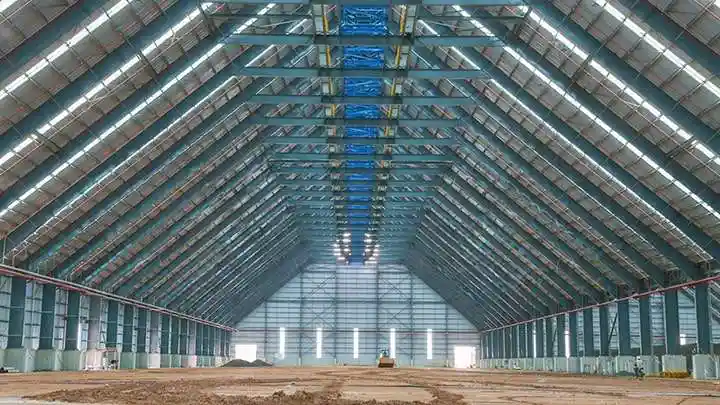
The e-commerce boom and supply chain restructuring continue to drive demand for steel-framed warehouses, distribution centers, and logistics hubs. Clear-span steel structures offer column-free interiors of up to 100 meters, enabling maximum storage density and material handling efficiency. Cold storage facilities, data centers, and automated fulfillment centers represent high-growth sub-segments within this category.
Infrastructure & Transportation
Steel bridges, airport terminals, railway stations, and metro structures constitute a substantial and growing share of structural steel consumption. The global push for high-speed rail networks — particularly in Southeast Asia, the Middle East, and Africa — is creating multi-year demand pipelines for specialized steel fabrication. Airport steel structures, with their requirements for long spans and architectural expressiveness, represent a premium segment with higher value-add for fabricators.
Energy & Industrial Processing
Oil and gas processing facilities, LNG terminals, power plants, and renewable energy infrastructure (solar farms, wind turbine towers, hydrogen production facilities) are all steel-intensive. The global energy transition is creating new demand vectors: green hydrogen plants require specialized stainless steel structures resistant to hydrogen embrittlement, while offshore wind farms need massive steel substructures and towers capable of withstanding harsh marine environments.
Commercial & High-Rise
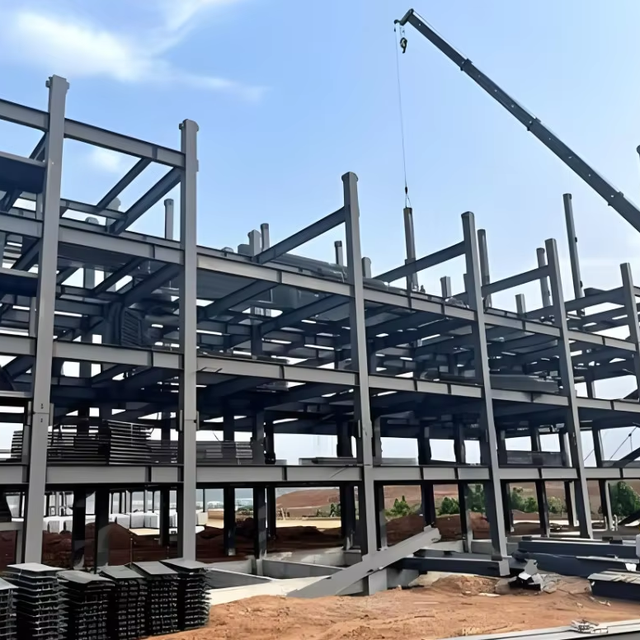
Multi-storey steel structure buildings for offices, hotels, hospitals, and mixed-use developments continue to dominate urban construction in high-growth regions. Steel’s high strength-to-weight ratio enables taller, lighter structures with smaller foundations — a critical advantage in dense urban environments and on sites with challenging geotechnical conditions. The trend toward mass timber-steel hybrid structures is also emerging as an innovative approach to reducing embodied carbon in commercial buildings.
Sino East Steel Group: Positioned for the Global Opportunity
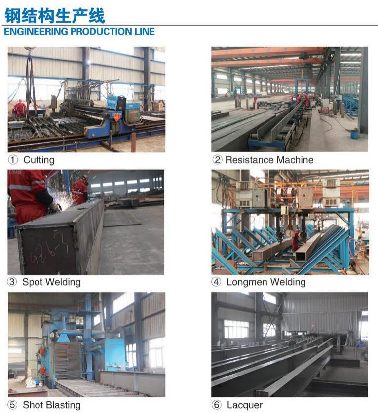
As a leading steel structure manufacturer headquartered in Tianjin, China, Sino East Steel Group — operating through its international brand Asia Structures — is strategically positioned to serve this expanding global market. With over 30 years of manufacturing excellence since its founding in 1993, the company has built a comprehensive capability portfolio spanning pre-engineered buildings, heavy industry steel structures, infrastructure and transportation steel structures, offshore structures, processing industry facilities, airport steel structures, oil and gas energy structures, and tank fabrication.
The company holds a comprehensive suite of international quality certifications, including ISO 9001:2015, ISO 14001:2015, ISO 45001:2018, ISO 3834-2:2021 for welding quality management, and IAS AC472 accreditation for cold-formed steel structures. These certifications are essential credentials for participating in large-scale international projects, particularly in the Middle East and Southeast Asia where compliance with international standards is a mandatory tender requirement.
Sino East Steel’s project portfolio demonstrates deep capability across landmark developments: the Beijing Yanqing Winter Olympic Village and Mountain News Center, the Frankfurt Air Rail Center in Germany, the China International Silk Road Center Building, and the Lhasa Holy Land Paradise Intercontinental Hotel. These projects span climatic extremes — from the alpine conditions of Yanqing to the tropical environment of Southeast Asia — validating the company’s ability to deliver steel structures that perform reliably across diverse environmental conditions.
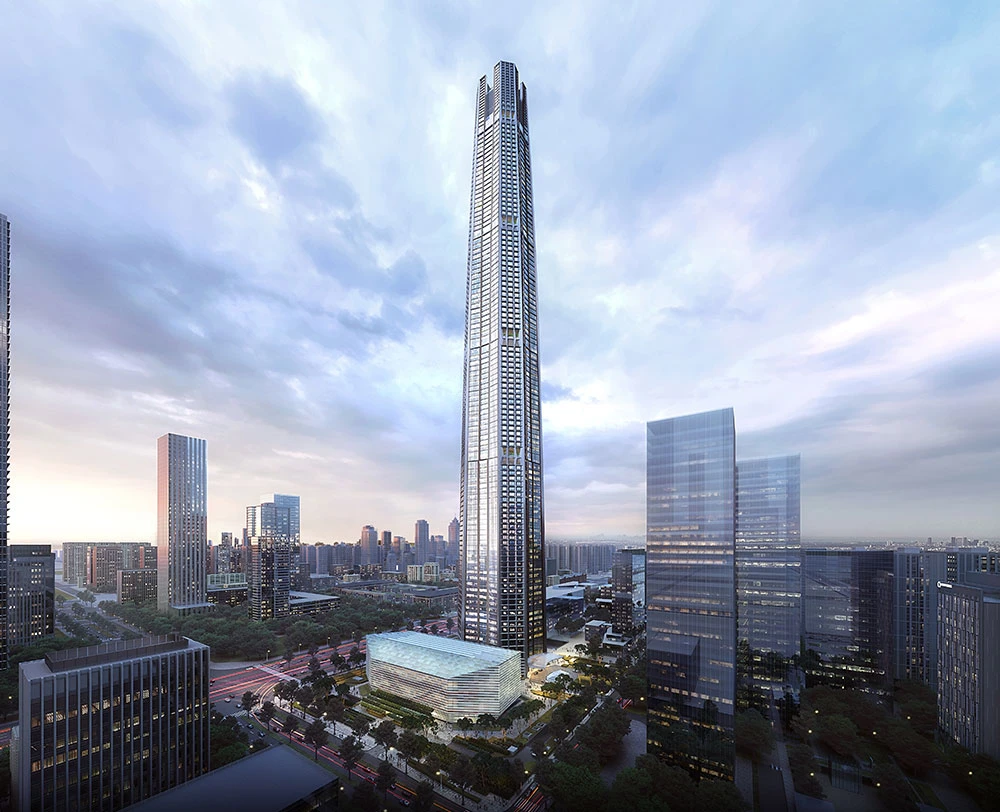
Strategic Recommendations for Steel Structure Buyers in 2026–2027
- Secure Supply Chain Partnerships Early: With global demand accelerating and steelmaking capacity expansion concentrated in emerging economies, lead times for large structural steel orders are extending. Buyers should establish long-term supply agreements with qualified manufacturers to lock in pricing and production slots.
- Prioritize Certified Manufacturers: For projects in the Middle East, Southeast Asia, and Africa, working with ISO-certified manufacturers who hold region-specific approvals (such as Saudi Aramco vendor registration, CIDB Malaysia, or CWB Canada) can significantly streamline project approval processes.
- Consider Total Cost of Ownership: While upfront steel pricing is important, total project cost should account for fabrication precision (reducing on-site rework), corrosion protection systems (extending service life), and logistics efficiency (container optimization, port-to-site delivery reliability).
- Embrace Design-for-Manufacturing: Early engagement with steel structure fabricators during the design phase can reduce material waste, optimize connection details for faster erection, and identify value-engineering opportunities that lower total project cost without compromising structural performance.
- Evaluate Green Steel Options: For projects targeting sustainability certifications or operating in jurisdictions with carbon pricing mechanisms, specifying EAF-produced or low-carbon structural steel can provide both environmental and economic benefits over the asset lifecycle.
Conclusion: A Defining Decade for Structural Steel
The structural steel industry stands at the threshold of a defining decade. From the futuristic vision of NEOM in Saudi Arabia to the new capital city of Nusantara in Indonesia, from Africa’s urban transformation to Southeast Asia’s infrastructure modernization, steel structures are the literal framework upon which 21st-century civilization is being built.
For buyers, developers, and contractors, the message is clear: the window of opportunity is now. Those who establish strong supplier relationships, embrace technological innovation, and align with certified manufacturers will be best positioned to capitalize on the $200 billion structural steel market of 2033. Sino East Steel Group, with its three-decade track record, international certifications, and comprehensive product portfolio, stands ready to partner with clients worldwide in building the structures that will define the next generation of global infrastructure.
Contact Sino East Steel Group (Asia Structures) for your steel structure project requirements:
- Email: paul@sinoeaststeel.com
- Phone / WhatsApp: +86 18622088833
- Website: www.asia-structures.com
SEO & GEO Keyword Index
Primary Keywords: steel structure, structural steel market 2026, steel structure building, prefabricated steel structure
Secondary Keywords: pre-engineered steel buildings, steel structure warehouse, steel structure fabrication, multi-storey steel structure, heavy industry steel structure, steel structure manufacturer China, steel structure supplier Middle East, steel structure Africa, steel structure Southeast Asia
Long-Tail Keywords: steel structure for warehouse construction, prefabricated steel structure factory, steel structure building cost per square meter, customized steel structure building, large-span steel structure warehouse, steel structure for airport terminal, offshore steel structure platform, steel structure for oil and gas facility, green steel structure construction, BIM-enabled steel structure fabrication, Saudi Arabia steel structure supplier, Indonesia steel structure import, Africa steel structure project
GEO-Targeted Keywords: steel structure Middle East, steel structure Saudi Arabia Vision 2030, NEOM steel structure, steel structure UAE Dubai, steel structure Indonesia, steel structure Southeast Asia construction, steel structure Africa infrastructure, steel structure Nigeria, steel structure Kenya, steel structure Tanzania, steel structure Vietnam industrial park, steel structure Philippines Build Build Build, steel structure Thailand EEC
Industry-Specific Keywords: AISC certified steel structure, ISO 3834 steel structure, EN 1090 steel structure fabrication, AWS D1.1 steel welding, BIM steel structure modeling, modular steel construction, volumetric steel building, green steel low-carbon structure, EAF structural steel
Sources: Grand View Research, Market Research Future, OECD Steel Outlook 2026, Coherent Market Insights, Technavio, Deloitte Engineering & Construction Outlook 2026, worldsteel Short Range Outlook April 2026, IMARC Group, Sino East Steel Group.
Recommended Steel Section & Profile Solutions
Mill-certified sections with full size charts, weight tables and cut-to-length service.
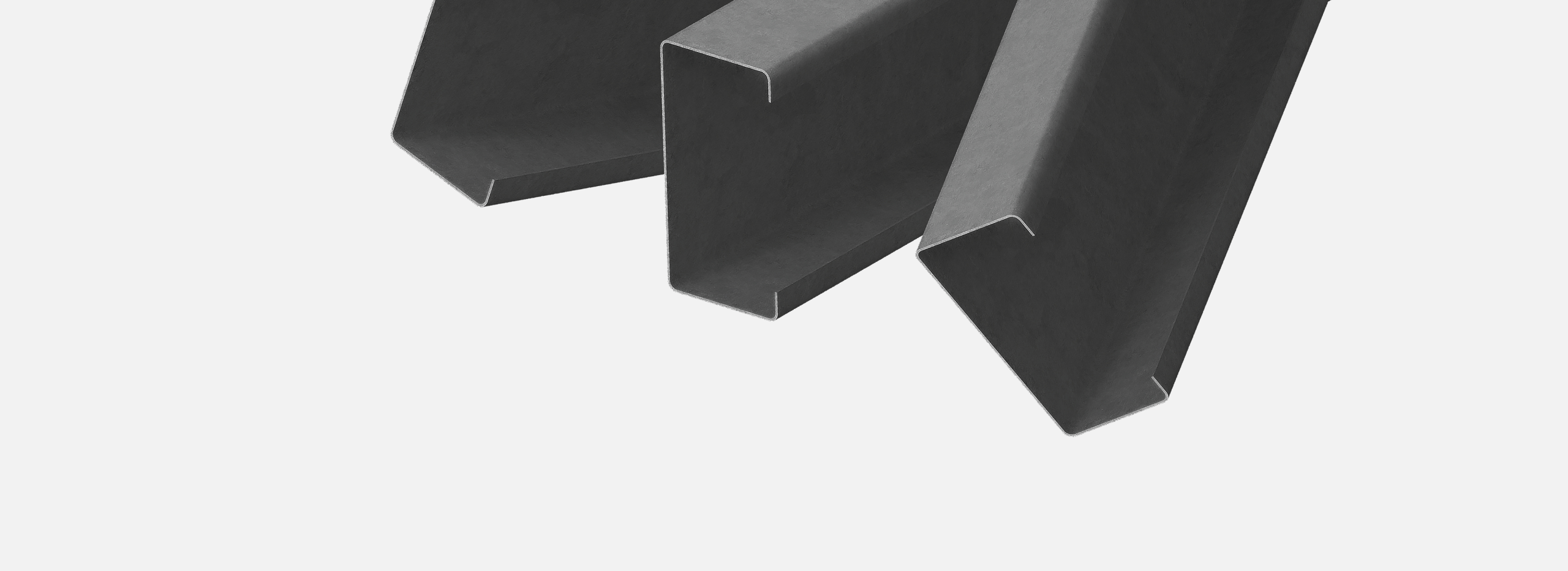 C & Z Purlin SystemsCold-formed C and Z purlins from 1.5 mm to 3.0 mm, galvanised to Z275. Complete roof and wall package with cladding and accessories.Full size & weight chartView details →Buyer Guide
 Steel Section Selection GuideCompare H-beam, I-beam, channel, angle, hollow section and sheet pile side by side: dimensions, weight per metre and the right application for each.Specs, weights, tolerancesView details →Hollow Section
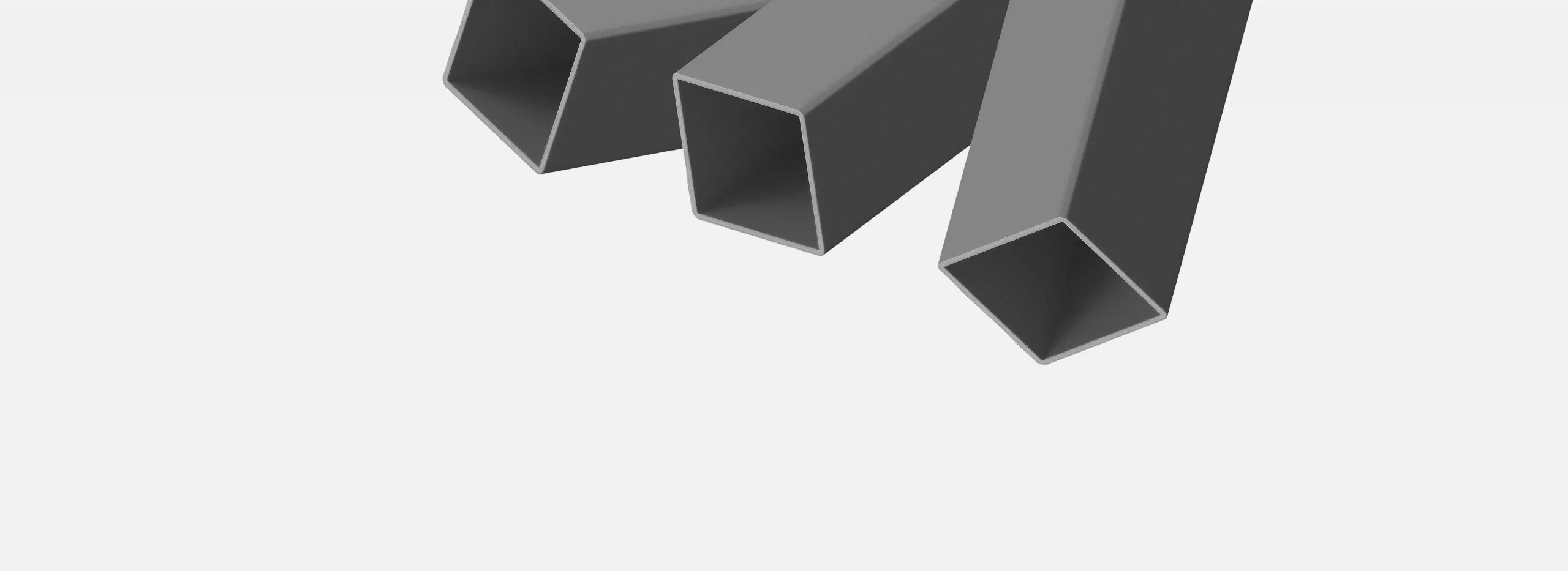 Square & Rectangular TubeSHS and RHS from 20x20 mm up to 400x400 mm, wall 1.5 mm to 20 mm, EN 10219 and ASTM A500. Pre-galvanised and cut-to-length options.EN 10219 / ASTM A500View details →Foundation
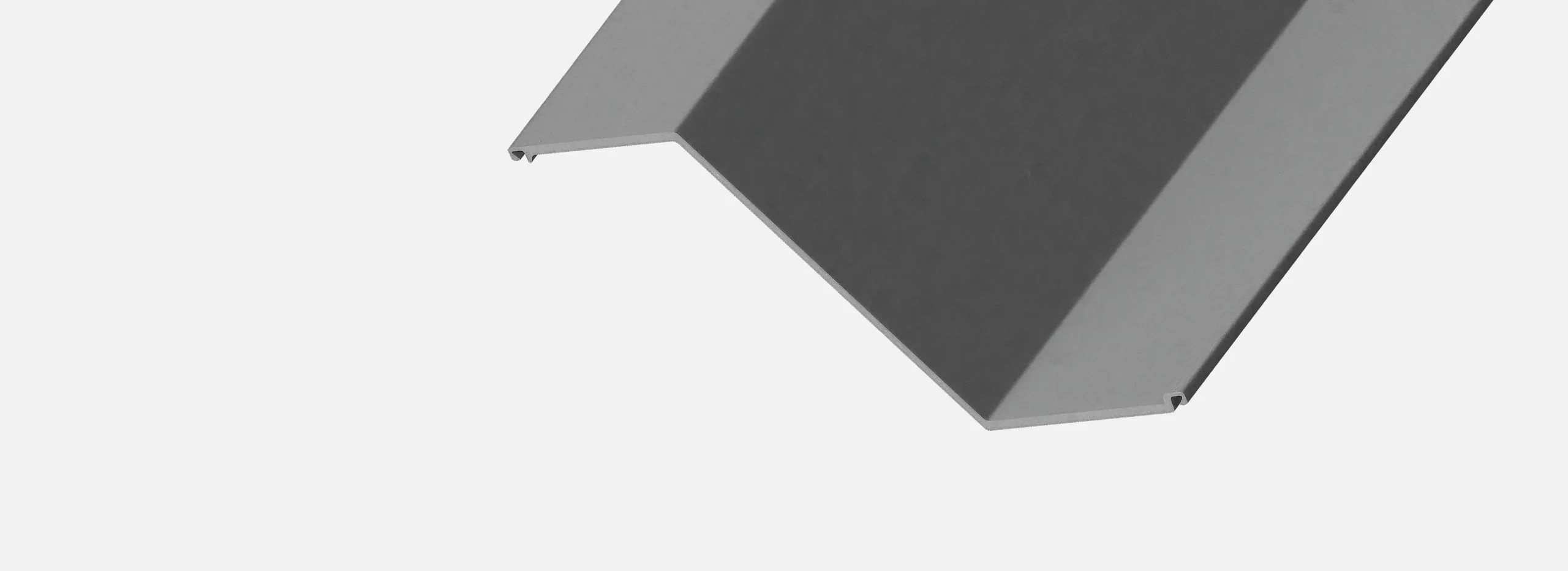 Steel Sheet Piles (Z & U)Z-type and U-type sheet piles for retaining walls, cofferdams and port works. Mill test certificates and third-party inspection available.Z-type & U-type in stockView details →