Steel Structure Cost in Nigeria 2026: Warehouse & Factory Building Price Guide<\/h2>
Nigeria is Africa’s most populous country and its largest economy — and one of the highest-demand markets in Africa for steel warehouses, factory buildings and pre-engineered structures. With Lagos and the South-West industrial belt expanding, the federal government’s industrialisation push, and a booming e-commerce and logistics sector, developers and manufacturers are asking the same question: how much does a steel structure cost in Nigeria in 2026, and how do I import one reliably? This guide answers both — with realistic cost ranges, the true cost of importing through Lagos ports, the regulatory requirements, and the supplier checklist that separates professional exporters from middlemen.
How Much Does a Steel Structure Cost in Nigeria in 2026?
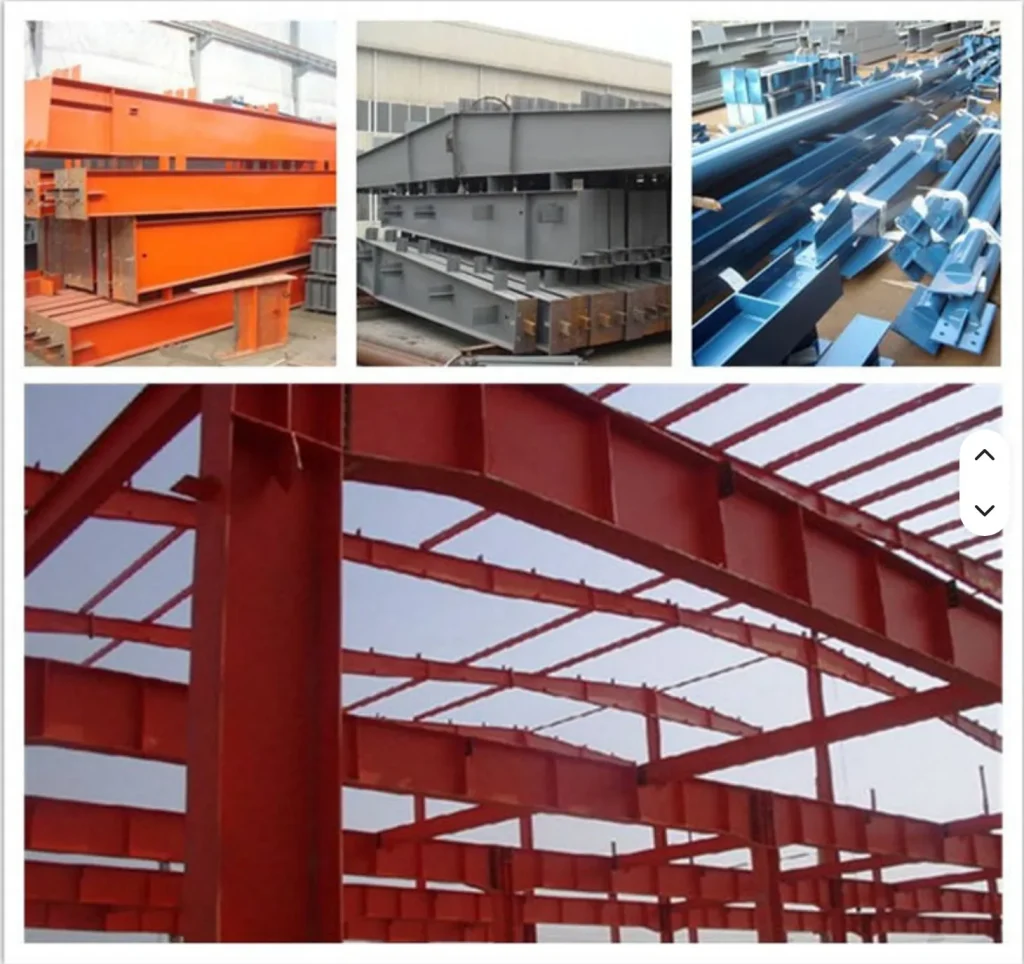
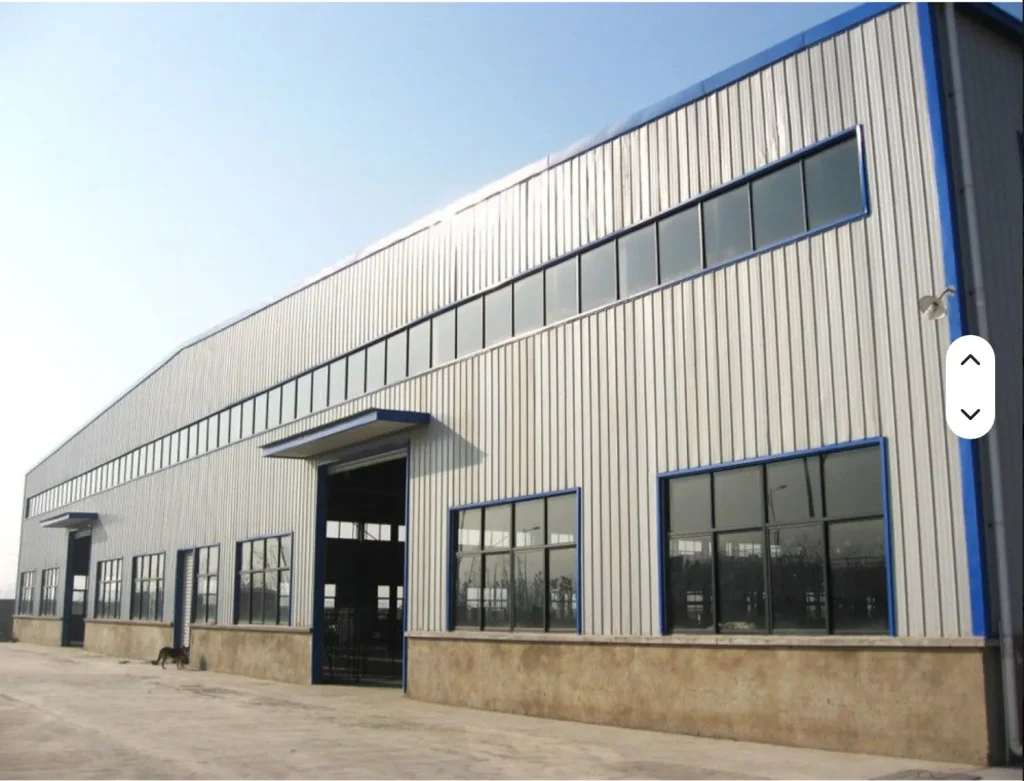
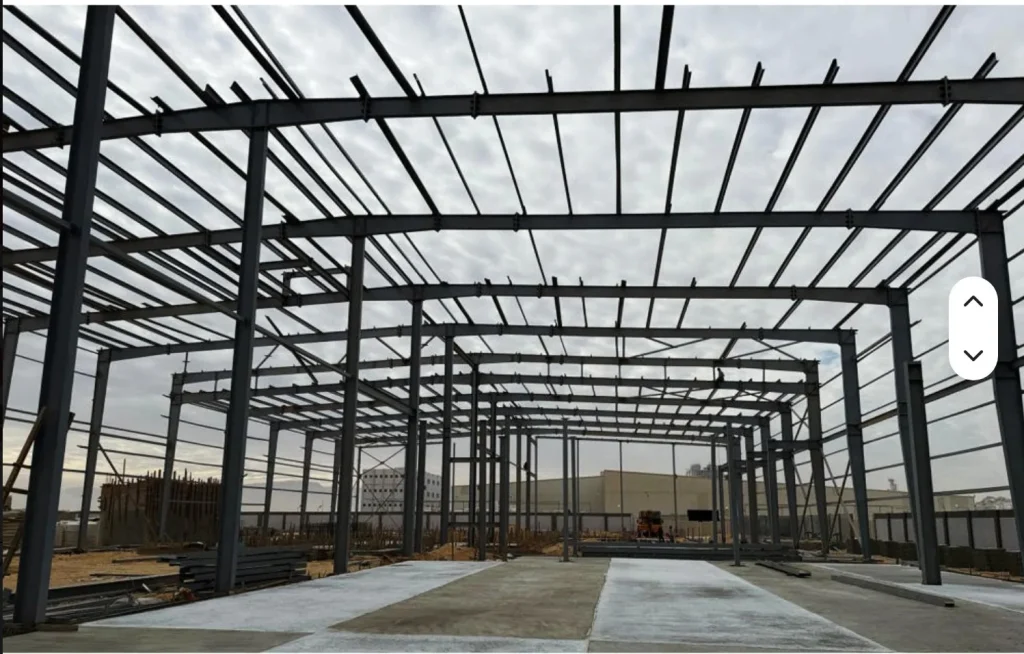
As a 2026 working estimate, a complete steel warehouse or factory building in Nigeria (frame, cladding, shipping from China and local erection) typically costs USD 100–150 per square metre (approximately ₦145,000–218,000 per m² at 2026 exchange rates). The steel building kit ex-factory — structure and cladding — is USD 45–75 per m². The balance is ocean freight, import duties, port charges, inland transport and erection, which vary widely with location and scope.
| Scope of supply | USD / m² (2026 est.) | ₦ / m² (approx.) |
|---|---|---|
| Steel frame only (columns, rafters, purlins, bracing), ex-factory | 22–35 | 32,000–51,000 |
| Frame + roof/wall cladding (single skin) | 45–60 | 65,000–87,000 |
| Frame + insulated sandwich panels (PIR 50–75 mm) | 55–75 | 80,000–109,000 |
| Complete installed building (design → erection, Lagos area) | 100–150 | 145,000–218,000 |
| Complete installed with insulation, mezzanine & fire-rated finishes | 130–180 | 189,000–261,000 |
These are planning ranges, not quotations. Final pricing depends on clear span, eave height, wind and seismic loads, cladding specification, and the distance from the port to site. A serious manufacturer responds within 48 hours with a formal bill of quantities.
Steel Structure Cost Breakdown in Nigeria: What Really Drives the Price
1. Import duties and port charges (often underestimated)
Prefabricated steel buildings enter Nigeria under HS Chapter 94 (heading 9406). Import duty for prefabricated buildings is in the region of 10–20%, with 7.5% VAT (reduced rate) plus a surcharge on the CIF value, and Nigeria’s ports add substantial terminal handling, storage and clearing costs. Structural steel sections (Chapter 73) attract different rates and may be subject to additional levies. Confirm current duty and surcharge rates for your specific HS code with a licensed customs broker before committing — port-side surprises are the most common budget blowout for first-time importers.
2. Ocean freight and port-to-site transport
Most imports arrive through Apapa or Tin Can Island ports in Lagos. From Tianjin, 2026 sea freight is roughly USD 4,000–7,500 per 40-foot container depending on season and carrier. A 1,000 m² building packs into 3–5 containers. Lagos port congestion means budgeting 2–4 weeks for clearance is realistic; trucking from Apapa to sites within Lagos costs around USD 700–1,200 per 40-ft container, and substantially more to Onitsha, Kano or Abuja. Total ocean transit from China is 4–6 weeks.
3. Erection and civil works
Erection in Nigeria costs roughly USD 20–40 per m² depending on crew and equipment availability. Foundations, floor slab and anchor bolts add USD 25–50 per m². Because skilled steel erection crews are concentrated around Lagos, sites in other regions can cost more. Ask your supplier for erection drawings and anchor bolt plans so any competent local contractor can execute without re-engineering.
Why Buy Steel Structures Directly from China for Nigeria?
- Cost advantage: Chinese ex-factory frames at USD 22–35/m² beat re-seller pricing by 25–40% — and most “local” Nigerian steel buildings are Chinese products with local margins added.
- Certified quality: a qualified exporter supplies EN 1090 EXC3/EXC4 conformity, ISO 9001, ISO 3834-2 welding certification, EN 10204 3.1 mill certificates and third-party inspection (SGS/BV/TÜV) before shipment — essential evidence for your consultants and for Nigeria’s standards bodies.
- Design compliance: design to the Nigerian National Building Code with AISC 360 or Eurocode 3, including wind loading for coastal Lagos and the correct seismic detailing for the country’s moderate seismicity.
Nigeria Regulations: Permits, Codes and Import Compliance
- National Building Code (NBC): Nigeria’s National Building Code (updated 2019) governs structural design; ensure the manufacturer’s design basis (Eurocode 3 / AISC 360 with Nigerian load values) is acceptable to your registered architect/engineer.
- LASBCA (Lagos): building permits in Lagos are issued by the Lagos State Building Control Agency; approvals require stamped drawings from registered professionals. Other states have their own building control agencies.
- SON / NIS standards: the Standards Organisation of Nigeria (SON) administers NIS standards for construction materials; imported steel should carry test certificates traceable to the mill.
- Customs compliance: Form M, PAAR (Pre-Arrival Assessment Report), commercial invoice, packing list, bill of lading and certificate of origin are the standard import set — an export-experienced manufacturer provides the complete documentation pack, which is the single biggest factor in fast clearance.
Design Considerations for Nigerian Conditions
- Wind: Lagos and coastal areas experience high wind speeds; design per the NBC wind provisions with proper purlin spacing and uplift-rated cladding fasteners.
- Corrosion (coastal & high humidity): use hot-dip galvanized frames (ISO 1461) or high-durability paint systems per ISO 12944 (C3–C5), with stainless or galvanized fasteners — this is the difference between a 25-year building and a 10-year one.
- Heat and ventilation: insulated sandwich panels, light-coloured roofs and ridge ventilators reduce interior temperatures by 8–12°C and cut long-term energy costs for air-conditioned facilities.
- Rainfall: heavy tropical rainfall requires correctly sized gutters, downpipes and roof slope design to avoid ponding and leaks.
How to Choose a Steel Structure Supplier for Nigeria
Use our full manufacturer verification checklist. The five checks that matter most for Nigeria: (1) real certification — EN 1090, ISO 9001, ISO 3834-2; (2) proven African export experience with references you can verify; (3) design capability to the Nigerian NBC with Eurocode 3/AISC 360; (4) complete, correct documentation (Form M support, certificates of origin, MTCs) — this determines whether clearance takes 1 week or 6; (5) willingness to arrange third-party inspection before payment of the balance.
Steel Structure Cost in Nigeria — FAQ
Q: How much does a steel warehouse cost per square metre in Nigeria?
A: As a 2026 estimate: USD 100–150 per m² complete and installed (₦145,000–218,000 per m²), or USD 45–75 per m² for the building kit ex-factory. Price depends on span, height, cladding and distance from port.
Q: What are the import duty and taxes on steel structures in Nigeria?
A: Prefabricated buildings (HS 9406) attract duty in the region of 10–20%, plus 7.5% VAT and port surcharges on the CIF value. Verify the exact current rates with a licensed customs broker for your HS code.
Q: Is it cheaper to import steel buildings from China or use local suppliers in Nigeria?
A: Direct import from a certified Chinese fabricator is typically 25–40% cheaper than re-seller pricing. The key is choosing an exporter who manages documentation and inspection properly so port costs don’t eat the savings.
Q: How long does shipping from China to Nigeria take?
A: Fabrication 4–8 weeks, ocean transit from Tianjin to Lagos 4–6 weeks, plus 1–4 weeks for clearance (Lagos congestion varies). Plan 10–18 weeks total door-to-port.
Q: Do I need LASBCA approval for a steel warehouse in Lagos?
A: Yes — Lagos building permits come from LASBCA and require drawings stamped by registered professionals. Your supplier should provide structural calculations and drawings suitable for this submission.
Q: Can a Chinese manufacturer provide erection support in Nigeria?
A: Typically yes: erection drawings, anchor bolt plans and remote or on-site supervision, with local crews doing the physical erection — the standard cost-effective model.
Get a Nigeria-Specific Steel Structure Quote Within 48 Hours
Sino East Steel Group (founded 1993, Tianjin) exports certified steel structures to 80+ countries, including regular PEB warehouse and factory projects to Nigeria, with complete documentation for Nigerian customs clearance and third-party inspection available. Email paul@sinoeaststeel.com or WhatsApp +86 186 2208 8833 for a Nigeria-specific bill of quantities.
Prefer a marketplace? Browse our Alibaba store for standard steel structure listings.
Manufacturing & Supply for Nigeria
Beyond pricing, buyers sourcing steel structures for Nigeria need a steel structure supplier they can trust end-to-end: direct factory supply, FCL shipping from Tianjin to Lagos (Apapa or Tin Can), complete export documentation, and erection support for locally registered crews. Sino East Steel Group is a direct China manufacturer serving the Nigeria market with exactly that process.
Q: Are you a steel structure manufacturer or a trading company?
A: We are a direct manufacturer. Sino East Steel Group has operated a 50,000 m2 fabrication facility in Tianjin, China since 1993, with our own CNC cutting, welding and hot-dip galvanizing lines — no middleman between the factory and your project.
Q: How do buyers in Nigeria order and ship steel structures from China?
A: Send your building size, location and load requirements for an itemized quotation, approve the design and fabrication drawings, complete third-party inspection if required, and we ship FCL from Tianjin to Lagos (Apapa or Tin Can) with full export documentation (invoice, packing list, certificate of origin, EN 10204 3.1 material certificates).
For the full factory profile — capacity, certifications, and product lines — see our China steel structure manufacturer page.
Related Articles
- Steel Structure Procurement in Africa: Market Guide for Importers & Developers
- How Much Does a Steel Warehouse Cost in 2026? Full Cost Breakdown
- Steel Structure Shipping & Installation: The Complete International Buyers Guide
- Chinese vs Local Steel Structure Suppliers: An Honest Cost-Quality Comparison