
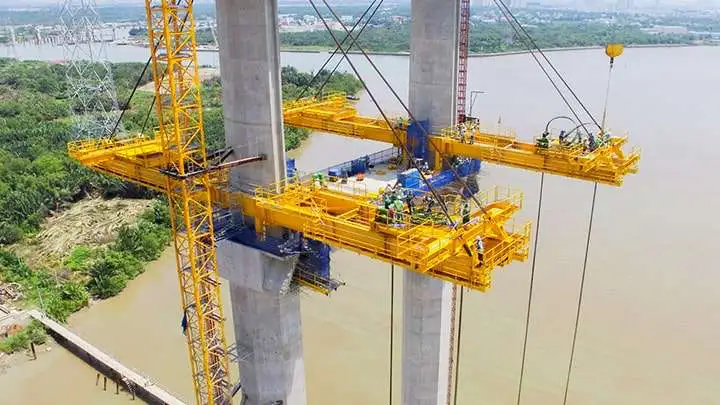
Global Steel Structure Market Surges Toward $405 Billion as Prefabrication and Green Construction Reshape the Industry in 2026<\/h2>
July 17, 2026 — The global steel structure industry is entering a transformative era, driven by the accelerating adoption of prefabricated construction methods, tightening sustainability mandates, and surging demand from logistics, manufacturing, and infrastructure sectors worldwide. With the prefabricated building and structural steel market valued at USD 260.6 billion in 2025 and projected to reach USD 405.5 billion by 2033 at a compound annual growth rate (CAGR) of 4.88%, steel structures have firmly established themselves as the backbone of modern construction.
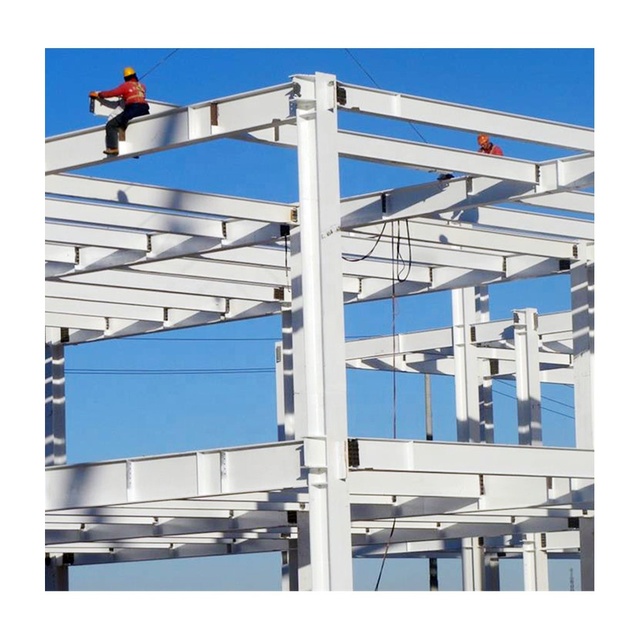
Market Overview: A $405 Billion Opportunity
The structural steel industry is experiencing its most significant growth cycle in decades. According to the IMARC Group, the global prefabricated building and structural steel market has demonstrated remarkable resilience, expanding from USD 245.7 billion in 2024 to an estimated USD 260.6 billion in 2025. The trajectory points to USD 405.5 billion by 2033, signaling sustained double-digit growth across multiple application segments.
Several macroeconomic forces are converging to fuel this expansion. Rapid urbanization in developing economies — particularly across Southeast Asia, Africa, and Latin America — continues to generate unprecedented demand for prefabricated steel structure warehouses, steel frame factory buildings, and modular steel construction solutions. Simultaneously, developed markets in North America and Europe are reinvesting in aging infrastructure, with steel structures offering the speed, durability, and cost-efficiency that traditional concrete construction cannot match.
The modular steel construction segment alone was valued at USD 26.67 billion in 2025 and is forecast to reach USD 42.90 billion by 2032, growing at a CAGR exceeding 7%. This sub-sector is poised to outpace the broader market as builders and developers increasingly recognize the advantages of off-site fabrication: 30-50% faster project timelines, up to 40% reduction in on-site labor, and significantly improved quality control through factory-controlled manufacturing environments.
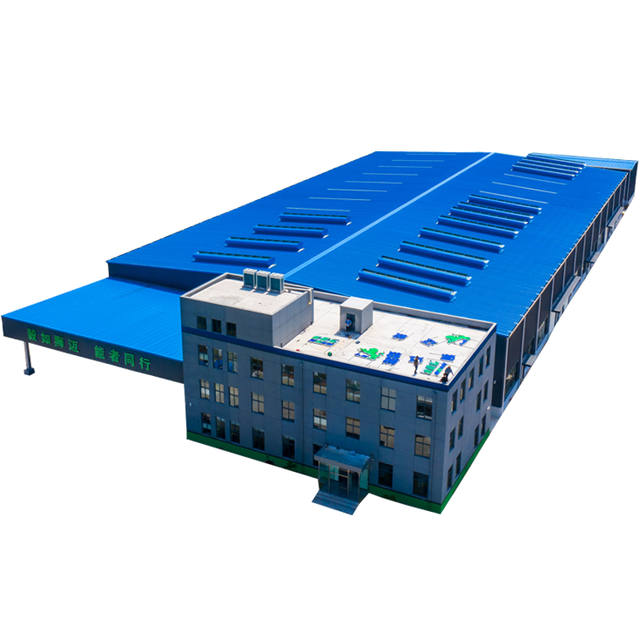
Prefabrication: The Defining Trend of 2026
Prefabrication has moved from a niche methodology to the industry standard. In 2026, prefabricated steel structure buildings account for an increasingly dominant share of new commercial and industrial construction starts. The shift is being driven by three irreducible advantages:
- Speed to Market: Pre-engineered steel buildings (PEB) can be designed, fabricated, and erected in a fraction of the time required for conventional construction. A typical 10,000-square-meter steel structure warehouse can be completed in 8-12 weeks from foundation to handover.
- Cost Predictability: With steel building costs in 2026 ranging from $25 to $100 per square foot depending on complexity and finish level, off-site fabrication eliminates weather delays, reduces material waste, and locks in pricing at the design stage.
- Design Flexibility: Modern steel frame structures can span up to 150 meters without internal columns, making them ideal for aircraft hangars, logistics centers, sports arenas, and large-scale manufacturing facilities.
China remains the world’s largest producer and exporter of steel structures, with hundreds of specialized manufacturers concentrated in Shandong, Hebei, Henan, and Liaoning provinces. These steel structure manufacturers offer complete turnkey solutions — from structural design and engineering calculations to fabrication, logistics, and on-site erection supervision — at highly competitive price points ranging from $20 to $70 per square meter for standard industrial buildings.
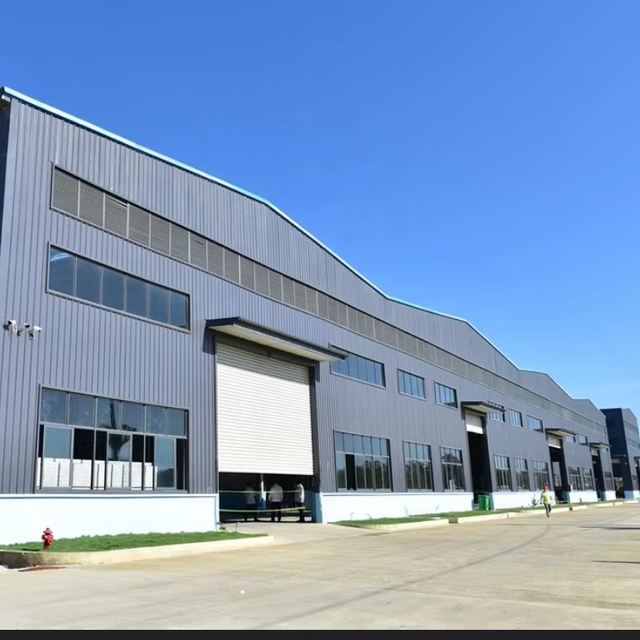
Sustainability: Green Steel Reshapes the Environmental Equation
The construction industry accounts for approximately 39% of global carbon emissions, and structural materials represent the single largest contributor. In response, the steel structure sector is undergoing a profound sustainability transformation that positions it as the most environmentally responsible choice for large-scale construction.
Modern steel structures achieve a 30% lower carbon footprint compared to equivalent concrete buildings. Steel is infinitely recyclable without loss of structural properties — in fact, structural steel boasts a global recycling rate exceeding 85%, making it the most recycled material on the planet. The emergence of green steel — produced using hydrogen-based direct reduction rather than coal-fired blast furnaces — promises to reduce the embodied carbon of new steel by up to 95% within the next decade.
Leading European and Asian steel producers have already committed to carbon-neutral production timelines, with the 4th European Green Steel Summit 2026 convening major stakeholders to accelerate the transition. For buyers and specifiers of steel structure buildings, specifying high-recycled-content steel and designing for disassembly and reuse at end-of-life are becoming standard practice — not just for environmental compliance, but because they demonstrably reduce total lifecycle costs.
The renovation and adaptive reuse of existing steel structures can save between 50% and 75% of embodied carbon emissions compared to new construction, according to a 2026 Forbes analysis. This finding is reshaping how developers and architects approach urban regeneration projects, particularly in dense city centers where demolition is politically and environmentally untenable.
Application Segments Driving Demand
1. Industrial Warehouses and Logistics Centers
The explosive growth of e-commerce and supply chain regionalization has created insatiable demand for steel structure warehouse buildings. Large-span, column-free interiors with clear heights of 12-18 meters are essential for modern automated storage and retrieval systems (AS/RS). Steel portal frame structures with sandwich panel cladding deliver the thermal performance, fire resistance, and rapid construction speed that logistics operators require. In 2026, warehouse construction accounts for approximately 35% of all structural steel consumption globally.
2. Manufacturing Plants and Factory Workshops
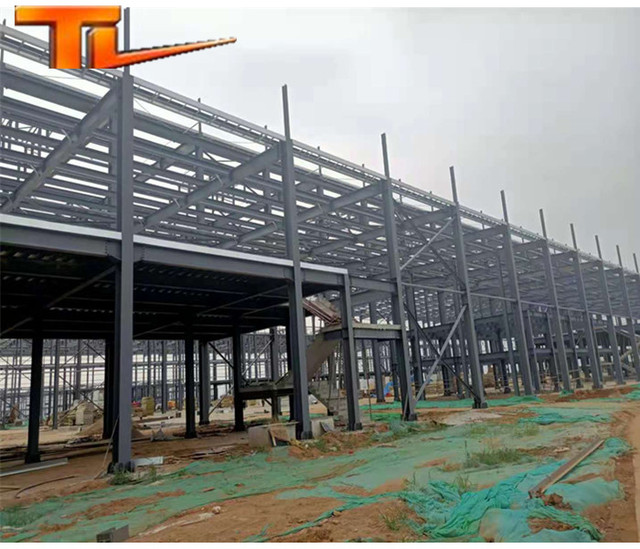
Steel structure factory buildings and steel structure workshops continue to represent the largest single application segment. The ability to integrate overhead cranes (up to 50-ton capacity), mezzanine floors, and specialized ventilation systems within a single structural envelope makes steel the material of choice for manufacturing facilities across automotive, aerospace, heavy machinery, and food processing sectors. Multi-span configurations up to 200 meters in width are now routinely achieved with optimized H-beam frame designs.
3. Agricultural and Cold Storage Buildings
Steel structure poultry houses, livestock barns, grain storage facilities, and cold storage warehouses represent a rapidly growing niche. Galvanized steel frames resist the corrosive effects of animal waste and agricultural chemicals, while insulated sandwich panel systems maintain precise temperature and humidity conditions essential for modern farming operations and cold chain logistics.
4. Commercial and Multi-Story Buildings
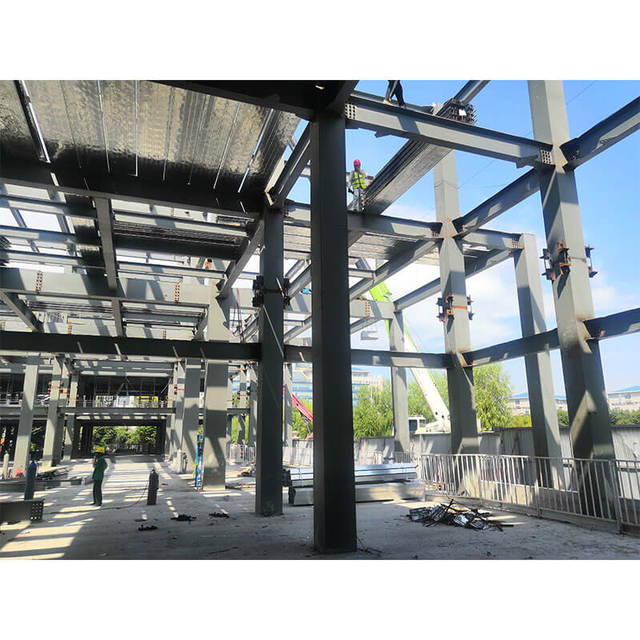
The application of steel structures in multi-story commercial buildings, office complexes, and even residential high-rises is expanding rapidly. Light-gauge steel framing systems, combined with composite deck slabs, can achieve floor-to-floor cycle times of just 3-4 days in buildings up to 10 stories. This speed advantage is particularly valuable in urban infill sites where construction disruption must be minimized.
Regional Market Dynamics
| Region | Market Share (2025) | Key Growth Drivers | CAGR (2025-2033) |
|---|---|---|---|
| Asia-Pacific | 42% | Urbanization, Belt & Road infrastructure, manufacturing expansion | 5.5% |
| North America | 22% | Reshoring, data center construction, warehouse demand | 4.2% |
| Europe | 18% | Green building mandates, renovation, modular housing | 4.8% |
| Middle East & Africa | 10% | Megaprojects, new city development, oil & gas infrastructure | 6.1% |
| Latin America | 8% | Industrialization, mining infrastructure, port expansion | 5.0% |
Asia-Pacific dominates the global landscape, with China alone accounting for over 50% of global steel production and a sophisticated ecosystem of steel structure manufacturers, engineering firms, and export-oriented fabricators. Chinese steel structure exporters have successfully penetrated markets across Africa (22% of exports), Southeast Asia (20%), South America (18%), and increasingly North America and Oceania, backed by competitive pricing and ISO 9001, CE, and AISC certifications.
The Middle East and Africa region is projected to achieve the highest growth rate at 6.1% CAGR, fueled by ambitious megaprojects such as Saudi Arabia’s NEOM, the expansion of Dubai’s logistics infrastructure, and the rapid industrialization of East African economies including Kenya, Tanzania, and Ethiopia. Steel structures are particularly well-suited to these environments, offering seismic resistance, thermal efficiency in extreme climates, and construction speed that traditional methods cannot match.
Cost Analysis: Steel Structure Pricing in 2026
Understanding steel structure cost per square meter is critical for project planning. In 2026, pricing exhibits significant variation based on design complexity, geographic location, finish level, and structural specifications:
- Basic Steel Frame Shell: $25 – $35 per sq. ft. (structural frame, roof, wall cladding)
- Insulated Steel Building: $20 – $50 per sq. ft. (with sandwich panel insulation)
- Turnkey Installed Building: $24 – $43 per sq. ft. (including slab, delivery, erection)
- Fully Finished Commercial: $70 – $100+ per sq. ft. (with HVAC, electrical, interior finishes)
For international buyers sourcing from Chinese steel structure manufacturers, FOB prices for standard industrial buildings range from $20 to $70 per square meter depending on steel grade (Q235B/Q355B), span requirements, seismic design categories, and cladding specifications. A typical 5,000-square-meter warehouse with 10-meter eave height, insulated roof and wall panels, and basic ventilation can be procured for approximately $25-$35 per square meter FOB, representing exceptional value compared to locally fabricated alternatives in most importing countries.
Steel prices have experienced upward pressure in 2026, with domestic mill price increases of approximately 16% in some markets, according to industry reports. However, the efficiency gains from prefabrication — reduced construction time, lower financing costs, and minimal material waste — continue to offset raw material inflation, keeping total project costs competitive against conventional concrete construction.
Key Considerations for Steel Structure Buyers
For procurement managers, developers, and contractors evaluating steel structure suppliers, several critical factors should guide the selection process:
1. Certifications and Quality Assurance
Reputable manufacturers hold internationally recognized certifications including ISO 9001 (quality management), ISO 14001 (environmental management), ISO 45001 (occupational health and safety), CE marking (European conformity), AISC (American Institute of Steel Construction), and CWB (Canadian Welding Bureau). These certifications are not merely bureaucratic formalities — they represent independently audited evidence of manufacturing capability, quality control systems, and design competence.
2. Design and Engineering Capability
Full-service steel structure companies provide comprehensive design and engineering services, including structural calculations compliant with local building codes (Eurocode, AISC, GB 50017, etc.), 3D BIM modeling, and detailed fabrication drawings. This turnkey approach eliminates coordination gaps between designer, fabricator, and erector — the most common source of project delays and cost overruns.
3. Logistics and Project Management
Experienced exporters manage the full logistics chain: container loading optimization (maximizing tonnage per container while protecting components from corrosion during sea freight), documentation (Certificate of Origin, Form E for preferential tariffs, Bill of Lading), and on-site technical supervision during erection. The best suppliers maintain dedicated project management teams that serve as single points of contact from initial inquiry through project handover.
4. After-Sales Support and Warranty
Structural warranties of 50 years on the main steel frame and 15-25 years on cladding systems are standard among reputable manufacturers. Buyers should verify warranty terms, including coverage for corrosion perforation, structural deflection limits, and wind/snow load performance, before committing to a supplier.
Technology and Innovation: The Digital Steel Structure
The convergence of Building Information Modeling (BIM), artificial intelligence, and automated fabrication is revolutionizing how steel structures are designed, manufactured, and assembled. Leading fabricators now integrate Tekla Structures and AutoCAD 3D into a seamless digital workflow that connects the design office directly to CNC cutting, drilling, and welding lines on the factory floor.
Key technological developments reshaping the industry in 2026 include:
- AI-Optimized Structural Design: Machine learning algorithms now generate optimized frame configurations that reduce steel tonnage by 8-15% while maintaining structural performance, delivering both cost savings and environmental benefits.
- Robotic Welding and Assembly: Automated welding cells with real-time quality monitoring achieve consistency levels impossible with manual processes, particularly on complex multi-pass full-penetration welds for heavy steel structures.
- Digital Twin Integration: Complete 3D digital twins of steel structures, embedded with fabrication data, material certificates, and installation sequences, are becoming standard deliverables — enabling owners to manage maintenance, modifications, and eventual decommissioning with full traceability.
- IoT-Enabled Smart Buildings: Structural health monitoring sensors embedded in critical connections provide real-time data on stress, deflection, and corrosion, enabling predictive maintenance and extending service life.
Future Outlook: 2026-2033
The structural steel industry stands at the intersection of multiple megatrends — urbanization, sustainability, digitization, and globalization of supply chains — that collectively guarantee sustained growth through 2033 and beyond. The OECD Steel Outlook 2026 projects global steel demand rising to 1.8 billion metric tonnes, with construction-grade structural sections representing an increasing share of total output.
Several developments warrant close attention from industry participants:
Green Steel Premiums: As carbon border adjustment mechanisms (CBAM) take effect in Europe and similar policies are considered in North America, the price premium for low-carbon and green steel products will narrow, accelerating adoption. Forward-thinking steel structure buyers should begin specifying Environmental Product Declarations (EPDs) and embodied carbon targets in procurement documents today.
Modular High-Rise Construction: The combination of cold-formed steel framing, hot-rolled structural cores, and factory-fitted MEP modules is pushing modular construction into the 20+ story range. Early adopters in the hospitality and student housing sectors are achieving 50% reductions in on-site construction duration.
Regional Supply Chain Reconfiguration: Geopolitical tensions and the lessons of pandemic-era disruption are driving a “China+1” sourcing strategy among major importers. Southeast Asian nations — particularly Vietnam, Indonesia, and Thailand — are investing heavily in structural steel fabrication capacity, creating both competition and opportunity for established Chinese exporters.
Conclusion: Positioning for Growth
The global steel structure market is not merely growing — it is fundamentally transforming. Buyers, developers, and investors who understand the converging trends of prefabricated steel construction, sustainable building practices, and digital fabrication technologies will be best positioned to capture the value created by this $405 billion market opportunity.
For organizations seeking reliable steel structure suppliers and prefabricated steel building manufacturers, the key to success lies in partnering with certified, experienced fabricators who offer comprehensive design-to-installation services, transparent pricing, and proven export logistics capabilities. The steel structure industry of 2026 rewards those who prioritize quality, sustainability, and long-term partnership over short-term price optimization.
Contact Asia Structures today to discuss your steel structure project requirements. Our team of structural engineers and procurement specialists provides end-to-end support — from feasibility assessment and budget estimation through design optimization, supplier qualification, and project management.
Sources: IMARC Group Prefabricated Building and Structural Steel Market Report (2025); OECD Steel Outlook 2026; Forbes Sustainability in Construction (February 2026); The Insight Partners Modular Steel Construction Market Report (2026); Titan Steel Structures Cost Guide (2026); European Green Steel Summit (2026).
Keywords: steel structure, prefabricated steel structure, steel structure warehouse, steel frame building, prefab steel building, steel structure workshop, industrial steel building, modular steel construction, pre-engineered steel building, light steel structure, steel structure manufacturer, steel structure supplier, steel structure cost, prefabricated steel warehouse, steel structure factory, steel building cost per square foot, green steel construction, sustainable steel building, structural steel market 2026
Recommended Modular Solutions For This Project
Factory-direct prefab housing, delivered flat-packed to cut ocean freight by up to 70%.
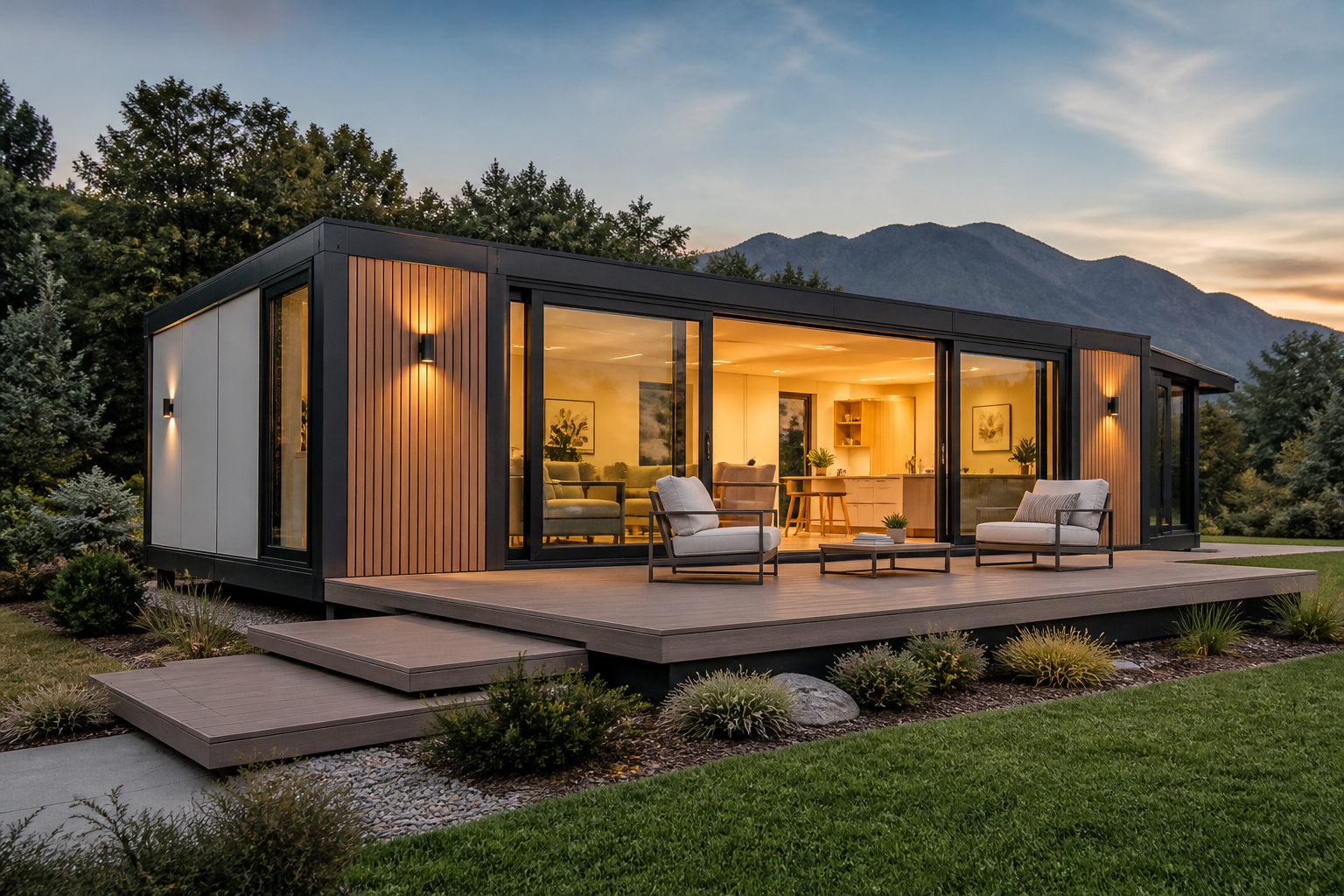 Expandable Container HouseA 20ft unit expands to 40ft living space in about 30 minutes. Two bedrooms, kitchen and bathroom ready. Popular for ADU, granny flats and backyard cabins in USA and Canada.From USD 6,800 / unitView details →Lowest Freight
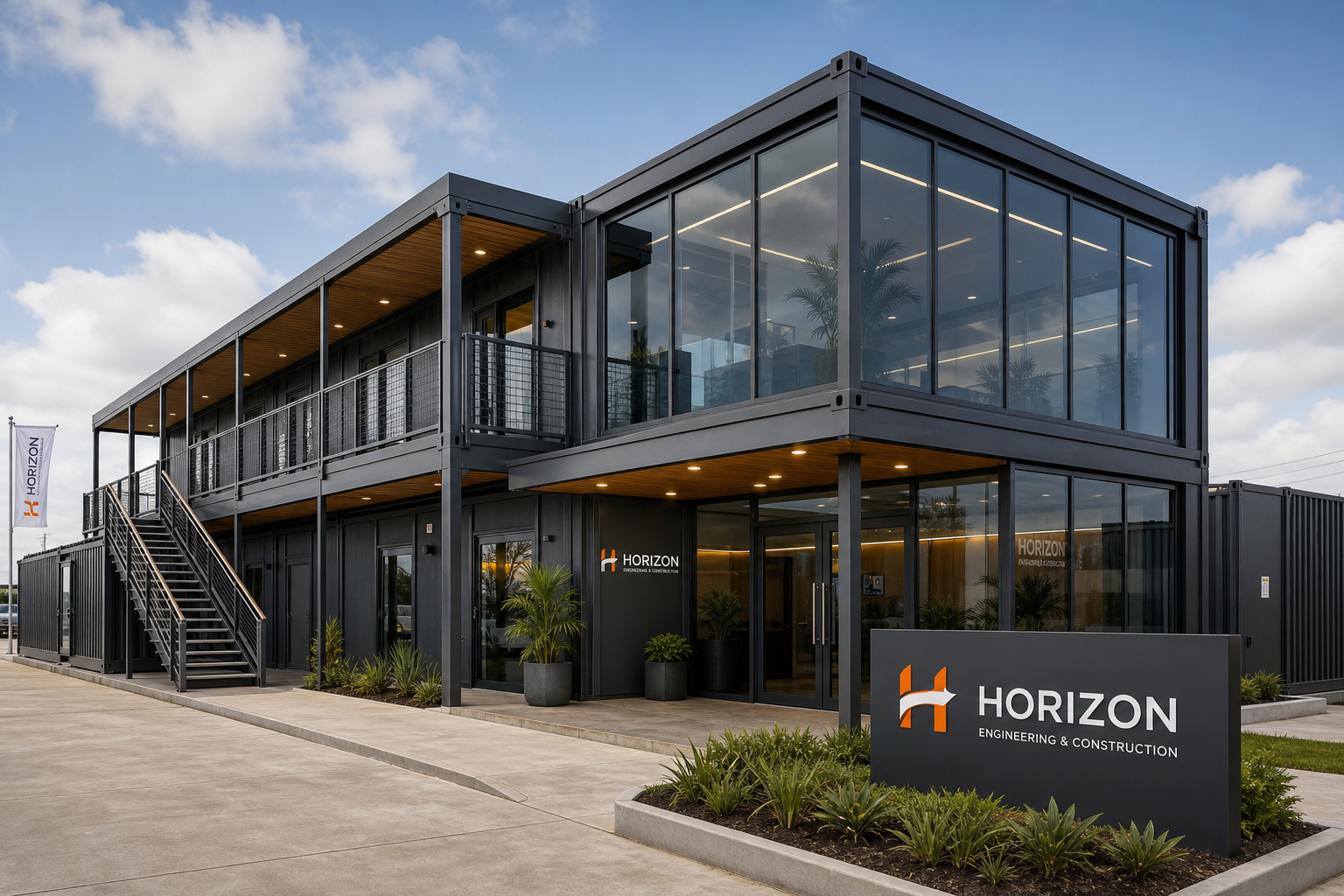 Flat Pack Container HouseKnock-down modular box: 4 units load into one 40HQ container. The fastest way to build labour camps, canteens and site accommodation.From USD 2,300 / unitView details →Remote Projects
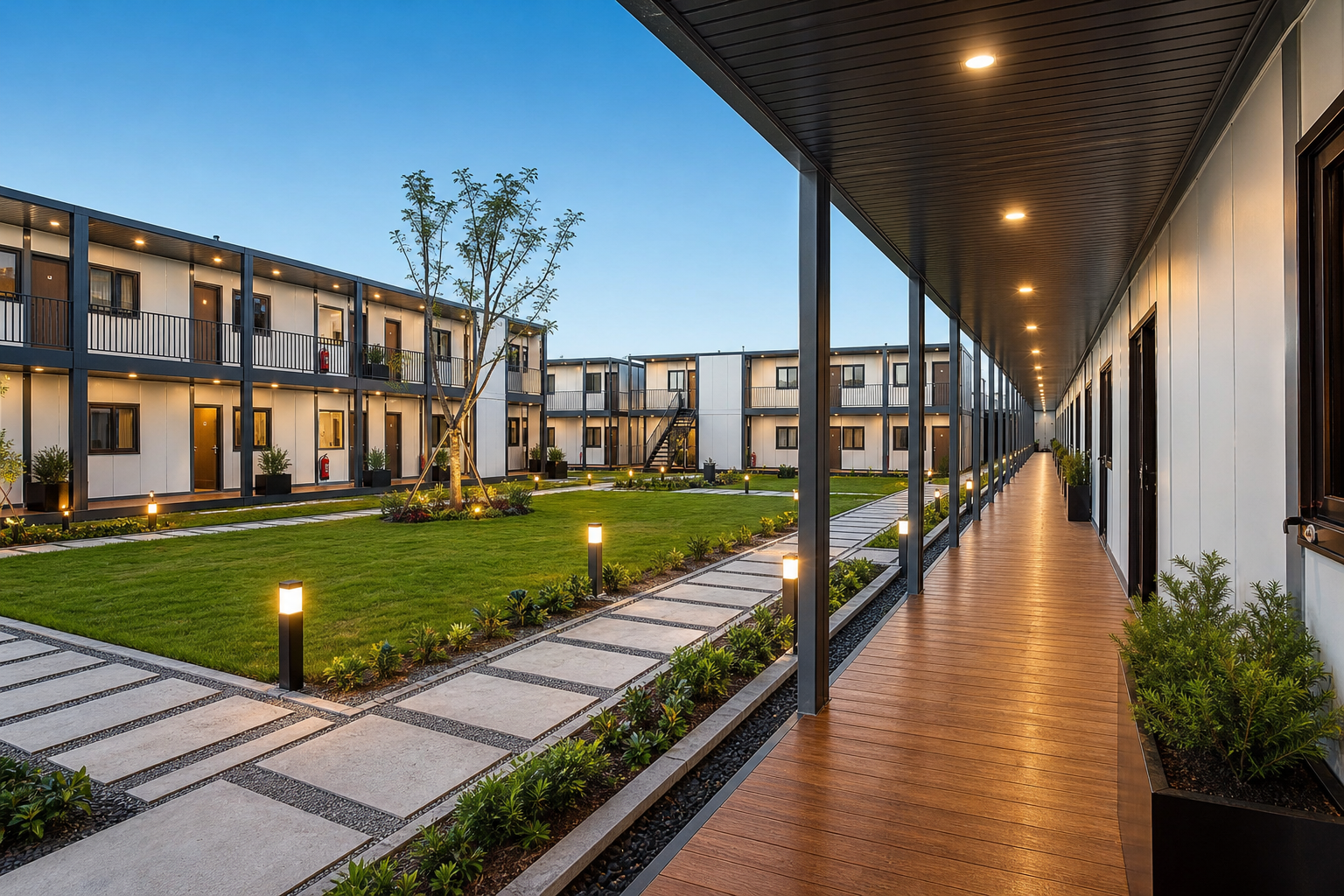 Mining Camp Container HousingInsulated FIFO accommodation for Pilbara, Queensland and African mine sites. Cyclone-rated, high wind load, 30-year design life, fully fitted bathrooms.Turnkey camp designView details →Site Facility
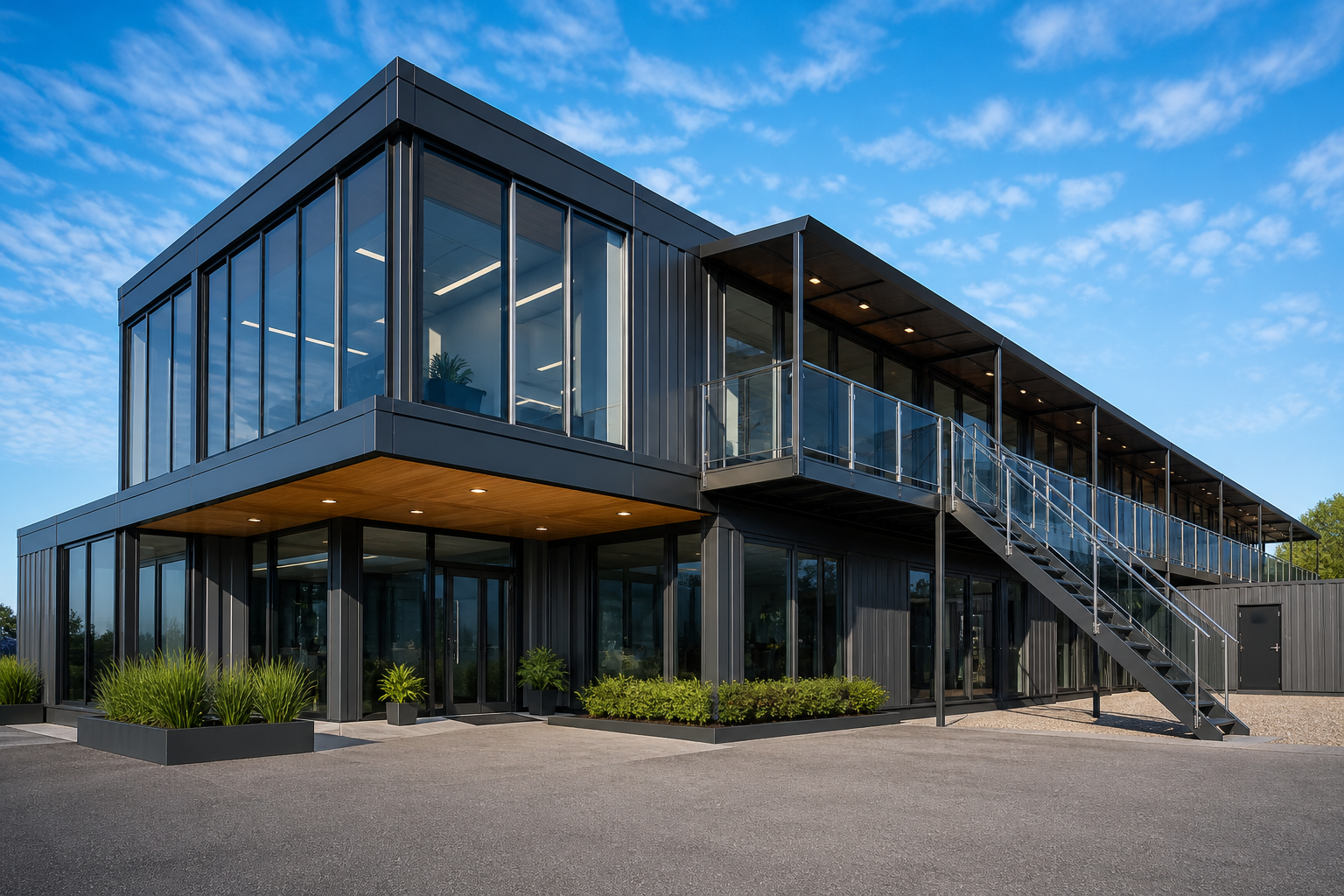 Modular Site OfficeStackable two-storey office and site headquarters units with glass curtain wall, split air conditioning and complete electrical fit-out.Stack up to 3 floorsView details →