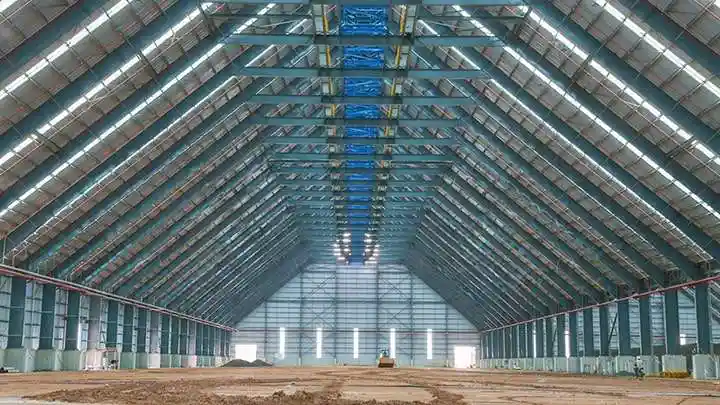
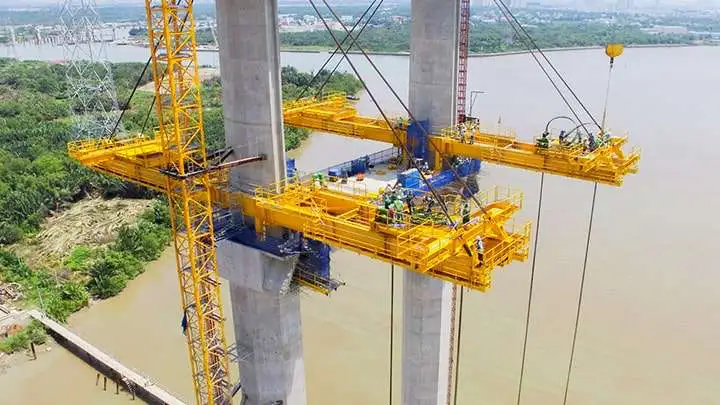
1. Executive Summary & Market Size
The global structural steel market has entered a period of sustained expansion. Valued at $123.4 billion in 2025, the market is projected to grow to $128.0 billion in 2026 and reach $202.1 billion by 2033, expanding at a compound annual growth rate (CAGR) of 6.7%. This robust expansion reflects a fundamental transformation in how the world builds — from industrial facilities and e-commerce logistics hubs to commercial complexes and resilient infrastructure.
Structural steel is emerging as the backbone of modern construction, driven by converging forces: digitalization, sustainability mandates, supply chain regionalization, and advanced material innovation. Its unparalleled strength-to-weight ratio, 100% recyclability, and speed of assembly make it the definitive choice for the next generation of global construction projects.
2. Global Market Trends & Innovations
The steel structure industry in 2026 is defined by several transformative trends:
- Green Steel & Decarbonization: The push toward carbon neutrality is driving the adoption of Electric Arc Furnace (EAF) technology and Hydrogen-based Direct Reduced Iron (DRI), reducing emissions by up to 75%.
- AI & Automation: Artificial Intelligence is revolutionizing fabrication. Automated CNC cutting, robotic welding, and AI-driven quality inspection have reduced errors by 60% and increased throughput by 40%.
- BIM & Digital Twins: Building Information Modeling (BIM) has evolved into a comprehensive digital ecosystem, enabling 4D scheduling and 5D cost integration for real-time project management.
- Advanced High-Performance Alloys: Increasing demand for HSLA grades and weathering steels offers higher strength and superior corrosion resistance with reduced material weight.
3. Regional Analysis: Middle East, Africa, and Asia-Pacific
Geographic growth hotspots are shifting, with the Middle East and Africa emerging as high-growth frontiers while Asia-Pacific maintains its manufacturing dominance.
Middle East & Africa: The Growth Frontier
The MEA market is projected to grow at a CAGR of 4.1% through 2030. Saudi Arabia’s Vision 2030 megaprojects, including NEOM and the Red Sea Project, are driving a multibillion-dollar demand for structural steel. In Africa, urbanization and infrastructure programs in Nigeria, Kenya, and Egypt are creating a massive deficit in industrial and housing solutions that steel structures are uniquely positioned to fill.
Asia-Pacific: The Global Powerhouse
Asia-Pacific commands over 60% of the global market share. China remains the world’s largest producer and consumer, benefiting from mature supply chains and extensive export networks. India’s rapid urbanization and Southeast Asia’s industrial park boom are further fueling double-digit growth in structural steel demand.
4. Pre-Engineered vs Prefabricated Buildings
Understanding the distinction between these modular construction methods is key for project efficiency:
- Pre-Engineered Buildings (PEB): These are fully designed and fabricated in a factory using standardized components optimized for specific loads. PEBs offer 30-50% time savings and lower total project costs.
- Prefabricated Structures: A broader category where components are manufactured off-site and assembled on-site. Prefabrication minimizes on-site labor requirements by up to 60% and reduces construction waste by 30-50%.
Both methods provide a “speed-to-market” advantage that is critical for industrial warehouses and commercial retail projects in 2026.
5. Market Forecast 2026-2033: Sustained Expansion
The structural steel market’s trajectory from $128 billion in 2026 to over $200 billion by 2033 is supported by strong macro fundamentals:
- Urbanization Momentum: An estimated 1 billion new urban residents by 2040 will require massive investments in housing and infrastructure.
- Climate Adaptation: Steel’s superior seismic performance and strength-to-weight ratio make it the material of choice for resilient construction in extreme weather zones.
- Industrial Policy: Global prioritization of domestic manufacturing and logistics infrastructure favors steel as the default building solution.
6. Frequently Asked Questions
Q: How much does a steel structure warehouse cost per square meter?
A: Costs typically range from $25 to $50 per square foot ($270-$540 per m²) for the structural frame. Turnkey solutions including foundation and cladding range from $50 to $120 per square foot.
Q: How long does a steel structure building last?
A: A properly maintained steel structure has a service life of 50-100 years. Protective coatings like hot-dip galvanization are critical for longevity.
Q: Is steel structure better than concrete for industrial buildings?
A: Yes, for applications requiring large clear spans (up to 90m) and rapid construction. Steel is 30-50% faster to erect and significantly lighter, reducing foundation costs.
Q: Are steel structures environmentally friendly?
A: Steel is the most recycled material on Earth and is 100% recyclable. Modern production increasingly uses green energy and recycled scrap, significantly lowering embodied carbon.
About Sino East Steel Group
Sino East Steel Group, established in 1993, is a premier global manufacturer of structural steel solutions. With over 30 years of experience and ISO-certified quality systems, we provide end-to-end design, fabrication, and logistics for projects worldwide. From industrial warehouses to landmark infrastructure, Sino East Steel is your partner in building the future.
Contact us today for a customized quotation: www.asia-structures.com
Project Cost Guides & China Factory Supply
Transparent 2026 pricing benchmarks for importers, contractors and developers.
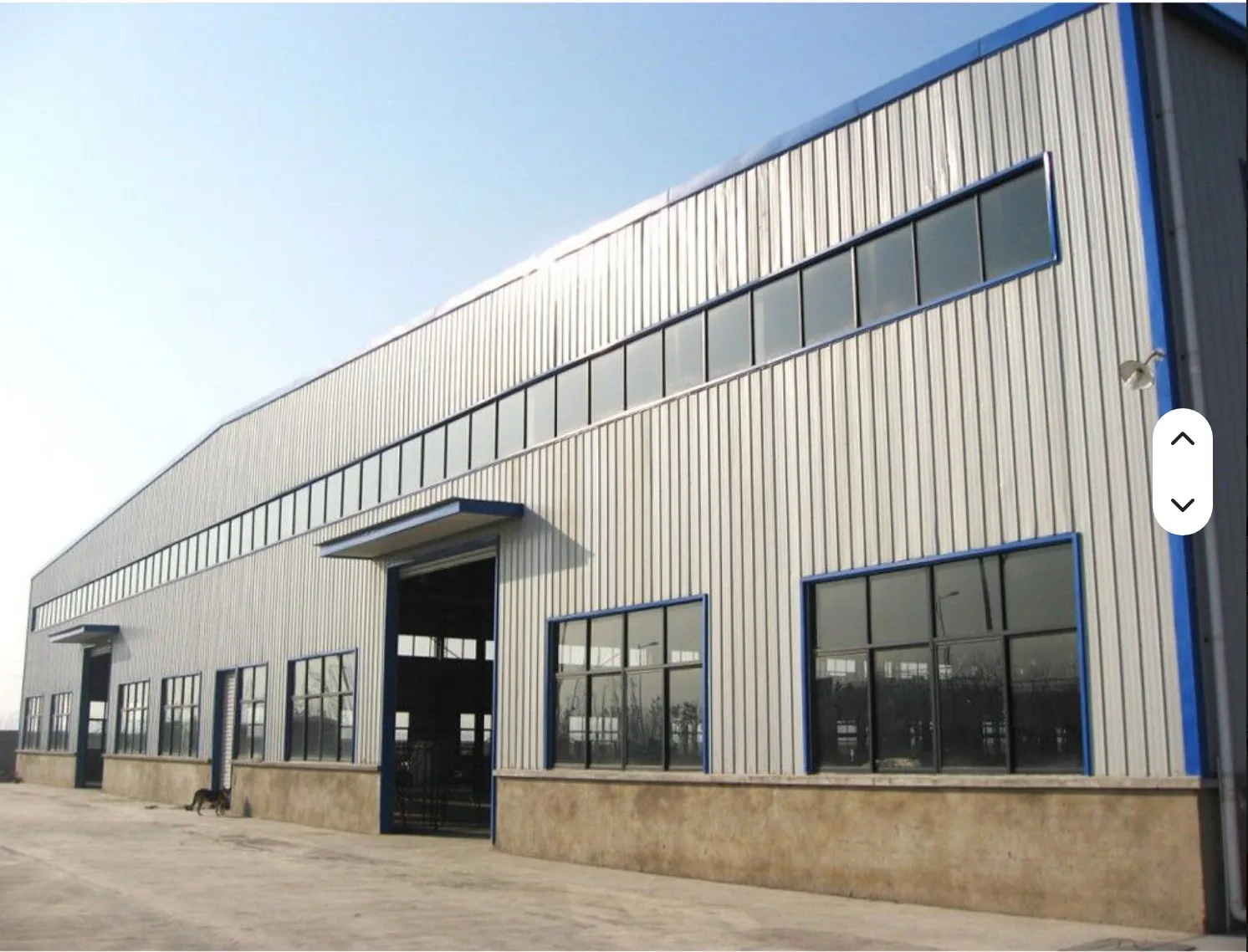 PEB Building Cost in UAEReal 2026 price per square metre for warehouses and factories in Dubai, Abu Dhabi and the wider Gulf, including shipping, customs and erection.Dubai / Abu Dhabi benchmarksView details →Nigeria
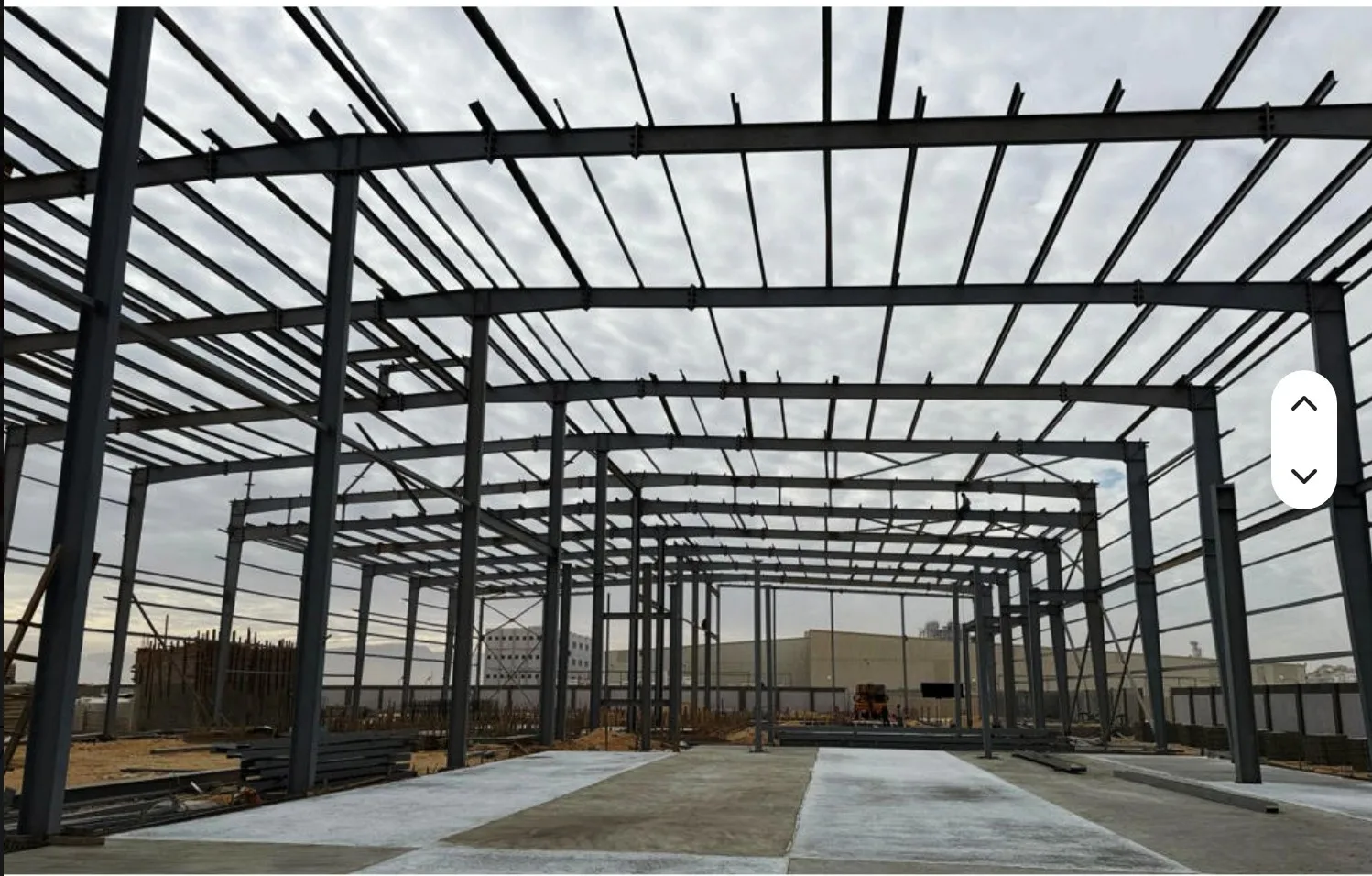 Steel Structure Cost in NigeriaLanded cost breakdown for Lagos and Abuja projects: steel tonnage, freight to Apapa, clearing, and local erection labour rates.Lagos / Abuja landed costView details →Kenya
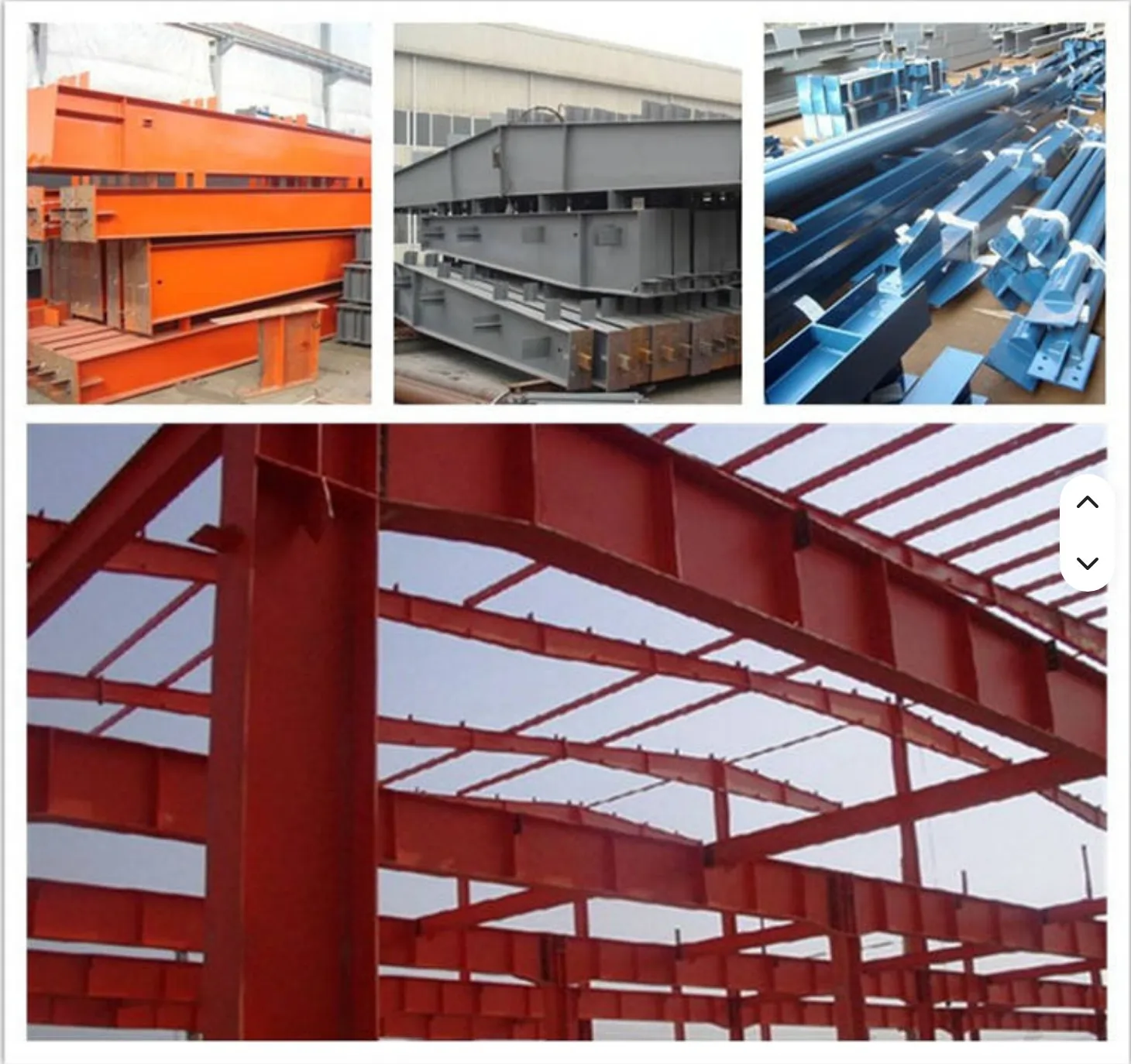 Steel Structure Cost in KenyaMombasa port charges, duty, transport and installation factored into a full 2026 budget for Nairobi and Mombasa industrial buildings.Nairobi / Mombasa budgetView details →China Factory
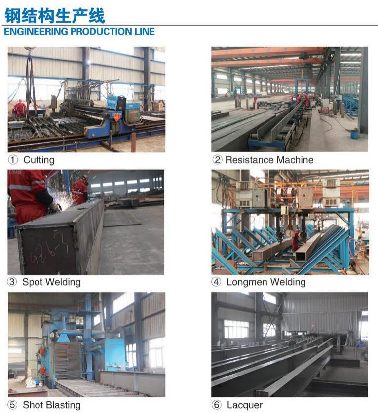 China Steel Structure ManufacturerOur own fabrication lines, ISO and CE certification, 350,000 sqm annual capacity and direct factory pricing with no trading margin.Direct factory quotationView details →