
By Asia Structures Editorial Team | July 15, 2026
The global structural steel market has entered a defining growth phase, with market valuation reaching $123.4 billion in 2025 and projected to expand to $128.0 billion in 2026, according to Grand View Research. Industry analysts forecast the sector will surpass $202.1 billion by 2033, representing a compound annual growth rate (CAGR) of 6.7%. Behind these numbers lies a fundamental shift in how the world builds — from traditional concrete-dominated construction to faster, more sustainable, and cost-efficient steel structure solutions.
This comprehensive analysis examines the key forces reshaping the steel structure industry in 2026, including regional growth hotspots, technological innovations, and the evolving demands of global buyers sourcing from leading manufacturers in China and beyond.
Global Market Dynamics: A $128 Billion Industry Accelerates
The structural steel sector’s robust growth trajectory reflects several converging megatrends. According to the OECD Steel Outlook 2025, global steelmaking capacity is set to increase by 6.7% (165 million metric tonnes) between 2025 and 2027, underscoring sustained confidence in long-term demand fundamentals.
The prefabricated building and structural steel market — a closely related segment — reached $260.6 billion in 2025 and is anticipated to hit $405.5 billion, growing at a CAGR of 4.88%, according to IMARC Group. This parallel trajectory highlights the accelerating shift toward modular and off-site construction methodologies, where steel structures offer unparalleled advantages in speed, quality control, and cost predictability.
Key Growth Drivers
| Driver | Impact |
|---|---|
| Urbanization in developing economies | Massive demand for industrial, commercial, and residential steel buildings |
| Infrastructure megaprojects | GCC Vision 2030, Belt and Road Initiative, African Union Agenda 2063 |
| Sustainability mandates | Steel’s 100% recyclability aligns with global green building standards |
| Labor shortages | Prefab steel structures reduce on-site labor by up to 40% |
| Supply chain resilience | Off-site manufacturing minimizes weather delays and material waste |
“The convergence of sustainability requirements, digital transformation, and the push for faster project delivery is fundamentally reshaping how the construction industry approaches structural steel,” notes the Deloitte 2026 Engineering and Construction Industry Outlook, which projects modest growth of nearly +1.8% in structures investment for 2026 after a decline in 2025.
Regional Hotspot: Middle East and Africa — The New Frontier
Perhaps no region exemplifies the steel structure industry’s transformative potential more than the Middle East and Africa (MEA), where market growth is projected at $300.4 million between 2026-2030 at a CAGR of 4.1% (Technavio). The OECD Steel Outlook 2026 reports that steel demand in Africa expanded by an extraordinary 16.1% in 2025, while the Middle East grew by 6.4% — both significantly outpacing global averages.
Saudi Arabia: Vision 2030’s Steel Backbone
Saudi Arabia stands as the region’s crown jewel. The Kingdom’s prefabricated building and structural steel market — valued at $4.8 billion in 2026 — is projected to nearly double to $9.52 billion by 2035, advancing at a 7.90% CAGR (MarkWide Research).
This explosive growth is anchored in Vision 2030 megaprojects of unprecedented scale:
- NEOM and The Line — a $500 billion futuristic city requiring millions of tonnes of structural steel
- Diriyah Gate — a $63 billion cultural and lifestyle destination
- Jeddah Central — a $20 billion urban regeneration project
- Red Sea Project — 50 hotels and 8,000 rooms across 22 islands
UAE: Prefab Market Surges Past $1 Billion
The UAE’s prefabricated building and structural steel market reached $699.3 million in 2025 and is projected to reach $1,062.9 million by 2034 (CAGR 4.62%), driven by Dubai’s 2040 Urban Master Plan and Abu Dhabi’s industrial expansion. The country’s construction sector is increasingly specifying steel structures for high-rise commercial towers, logistics hubs, and mixed-use developments.
Africa: The Sleeping Giant Awakens
Africa’s 16.1% steel demand growth in 2025 signals a continent at an infrastructure inflection point. Key markets include:
- Nigeria: Africa’s largest economy, with massive housing deficit driving demand for cost-effective steel structure solutions
- Kenya: Vision 2030 infrastructure program, including the Lamu Port-South Sudan-Ethiopia Transport (LAPSSET) corridor
- Egypt: New Administrative Capital project and Suez Canal Economic Zone developments
Asia-Pacific: The 60% Market Share Powerhouse
Asia-Pacific commands an estimated 60%+ share of the global prefabricated steel structure buildings market (DataM Intelligence), driven by:
- China: As the world’s largest steel producer and consumer, China’s steel structure industry benefits from mature supply chains, competitive pricing ($20-$60 per square meter for standard warehouses), and extensive export networks serving over 40 countries.
- India: Rapid urbanization, the “Make in India” initiative, and massive infrastructure spending under the National Infrastructure Pipeline are fueling double-digit growth in structural steel demand.
- Southeast Asia: Countries including Indonesia, Vietnam, and the Philippines are experiencing a construction boom in industrial parks, logistics centers, and commercial complexes.
Leading Chinese manufacturers such as Qingdao Xinguangzheng Steel Structure, Liaoning Zhongbei Steel Structure, and Hebei Baofeng Steel Structure have established robust export capabilities, shipping prefabricated steel warehouses, workshops, and multi-story steel buildings to markets across North America, South America, Africa, and Oceania.
Technology Revolution: AI, BIM, and Green Steel
The steel structure industry in 2026 is not just growing — it is transforming technologically.
AI-Driven Design and Fabrication
Artificial intelligence has moved from experimental to mainstream in steel detailing and fabrication. According to industry reports, AI-driven steel detailing now achieves accuracy rates exceeding 98%, reducing rework costs by up to 30% compared to traditional manual methods. Machine learning algorithms optimize material usage, predict structural performance, and automate quality inspection processes.
Building Information Modeling (BIM) as Standard
BIM adoption in steel structure projects has reached critical mass. The technology enables seamless collaboration between architects, engineers, fabricators, and contractors across different geographies — essential for international sourcing relationships where a buyer in Nigeria may be working with a design team in China and an installation crew on-site.
Green Steel and Sustainability
The push toward green steel — produced using hydrogen-based direct reduction rather than coal-fired blast furnaces — is reshaping procurement criteria. European and Middle Eastern buyers increasingly mandate Environmental Product Declarations (EPDs) and carbon footprint documentation. Steel’s inherent advantage of 100% recyclability without loss of properties positions it favorably against carbon-intensive alternatives like concrete.
Advanced Coatings and Materials
2026 has seen significant advances in protective coatings that extend structural steel lifespan to 50+ years even in corrosive coastal and industrial environments. High-strength cold-formed steel sections now deliver superior load performance while reducing material weight by up to 25%.
Application Segments: Where Demand Is Concentrated
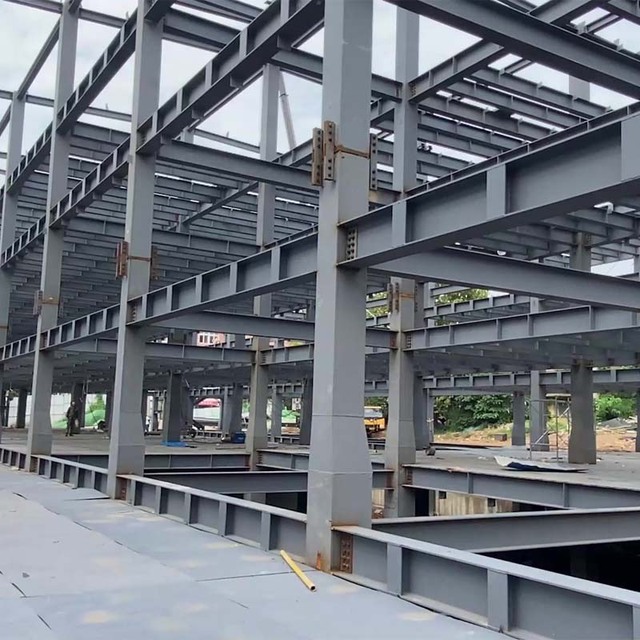
Industrial Warehouses and Workshops (Largest Segment)
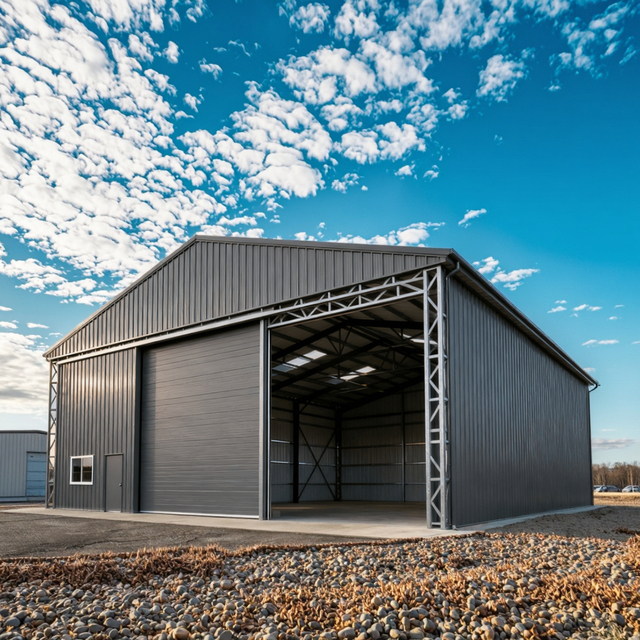
Industrial steel structure warehouses represent the dominant application segment, accounting for approximately 40% of total steel structure demand. Standard configurations range from 500 to 50,000+ square meters, with pricing typically between $20-$60 per square meter depending on specifications, seismic requirements, and insulation needs.
Key buyer requirements in 2026 include:
- Clear-span designs exceeding 30 meters for logistics flexibility
- Integrated solar-ready roofing systems
- Fire-rated wall and roof panels meeting ASTM/EN standards
- Multi-story configurations for high-land-cost urban locations
Commercial and Multi-Story Buildings
The shift toward steel-framed commercial buildings is accelerating, particularly in high-seismic zones. Modern steel structure designs enable:
- Faster construction — up to 40% reduction in build time vs. reinforced concrete
- Larger column-free spaces for retail and office layouts
- Easier future expansion and modification
Agricultural and Specialized Applications
Steel structure poultry houses, livestock barns, and grain storage facilities represent a growing niche, particularly in African and Southeast Asian markets where agricultural modernization programs drive demand.
Strategic Insights for International Buyers
For procurement managers and construction firms sourcing steel structures internationally in 2026, several strategic considerations emerge:
- Supplier diversification: With geopolitical uncertainties affecting global trade, buyers are increasingly maintaining relationships with 2-3 qualified suppliers across different regions.
- Quality certifications matter: ISO 9001, CE marking, AISC certification, and CWB (Canadian Welding Bureau) credentials have become baseline requirements rather than differentiators.
- Design-build capabilities: Suppliers offering integrated design, engineering, fabrication, and installation guidance (rather than material supply only) command premium positioning.
- Logistics optimization: Containerized steel structure components — designed for efficient flat-pack shipping — reduce freight costs by 15-25% compared to traditional bulk shipments.
- After-sales support: Buyers increasingly value suppliers who provide on-site installation supervision, local code compliance assistance, and long-term maintenance guidance.
2026-2033 Outlook: Sustained Expansion Ahead
The structural steel market’s projected growth from $128.0 billion in 2026 to $202.1 billion by 2033 represents one of the most compelling growth stories in the global construction materials sector. Several factors support this bullish outlook:
- Demographic momentum: The world will add approximately 1 billion urban residents by 2040, requiring massive investment in housing, commercial space, and infrastructure — all of which rely heavily on structural steel.
- Climate adaptation: As extreme weather events increase, steel’s superior strength-to-weight ratio and seismic performance make it the material of choice for resilient construction in vulnerable regions.
- Industrial policy alignment: Governments from Riyadh to Nairobi to Jakarta are prioritizing domestic manufacturing and logistics infrastructure — sectors where steel structures are the default building solution.
- Cost competitiveness: Steel prices have stabilized in 2026 after the volatility of 2021-2023, improving project budget predictability for developers and contractors.
Conclusion
The steel structure industry in 2026 stands at a historic intersection of surging global demand, technological transformation, and geographic expansion. With the MEA region emerging as a high-growth frontier, Asia-Pacific maintaining its manufacturing dominance, and sustainability imperatives reshaping procurement criteria, forward-looking stakeholders — from manufacturers and exporters to importers and project developers — have unprecedented opportunities to participate in this $128 billion global market.
For buyers seeking reliable steel structure solutions, the combination of competitive Chinese manufacturing, international quality certifications, and integrated design-build services offers a compelling value proposition that aligns with the speed, quality, and sustainability demands of modern construction.
Asia Structures is a leading source of industry intelligence for the global steel structure and construction materials sector. For inquiries about steel structure sourcing, design, or project consultation, contact our editorial team.
Related Keywords: steel structure, steel structure building, prefabricated steel structure, steel structure warehouse, steel structure workshop, industrial steel building, steel frame construction, prefab steel building, structural steel market, steel structure manufacturers China, steel structure Middle East, steel structure Saudi Arabia, steel structure Africa, steel structure export, pre-engineered steel building, metal building construction, steel structure design, green steel construction, modular steel building, steel structure price per square meter
Project Cost Guides & China Factory Supply
Transparent 2026 pricing benchmarks for importers, contractors and developers.
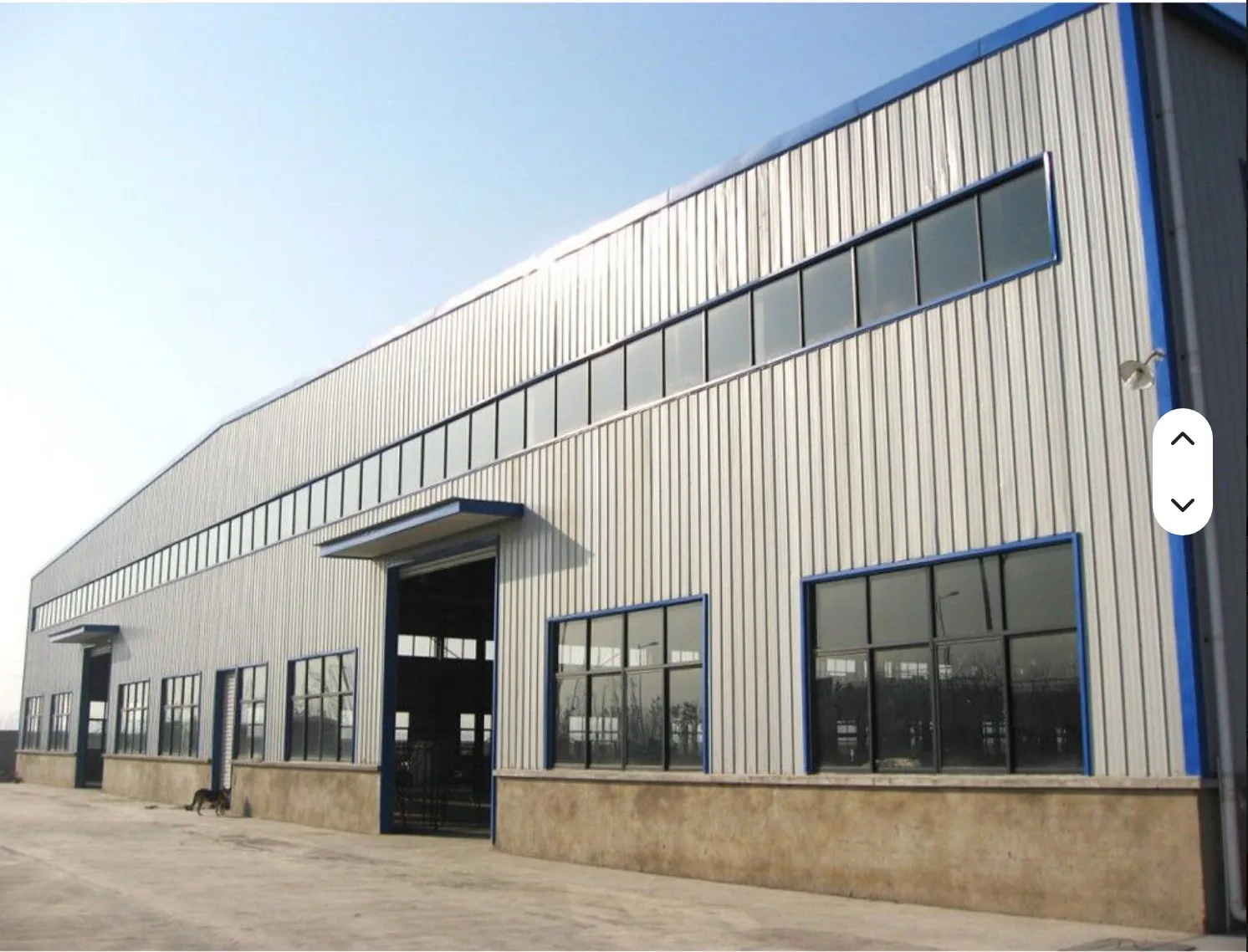 PEB Building Cost in UAEReal 2026 price per square metre for warehouses and factories in Dubai, Abu Dhabi and the wider Gulf, including shipping, customs and erection.Dubai / Abu Dhabi benchmarksView details →Nigeria
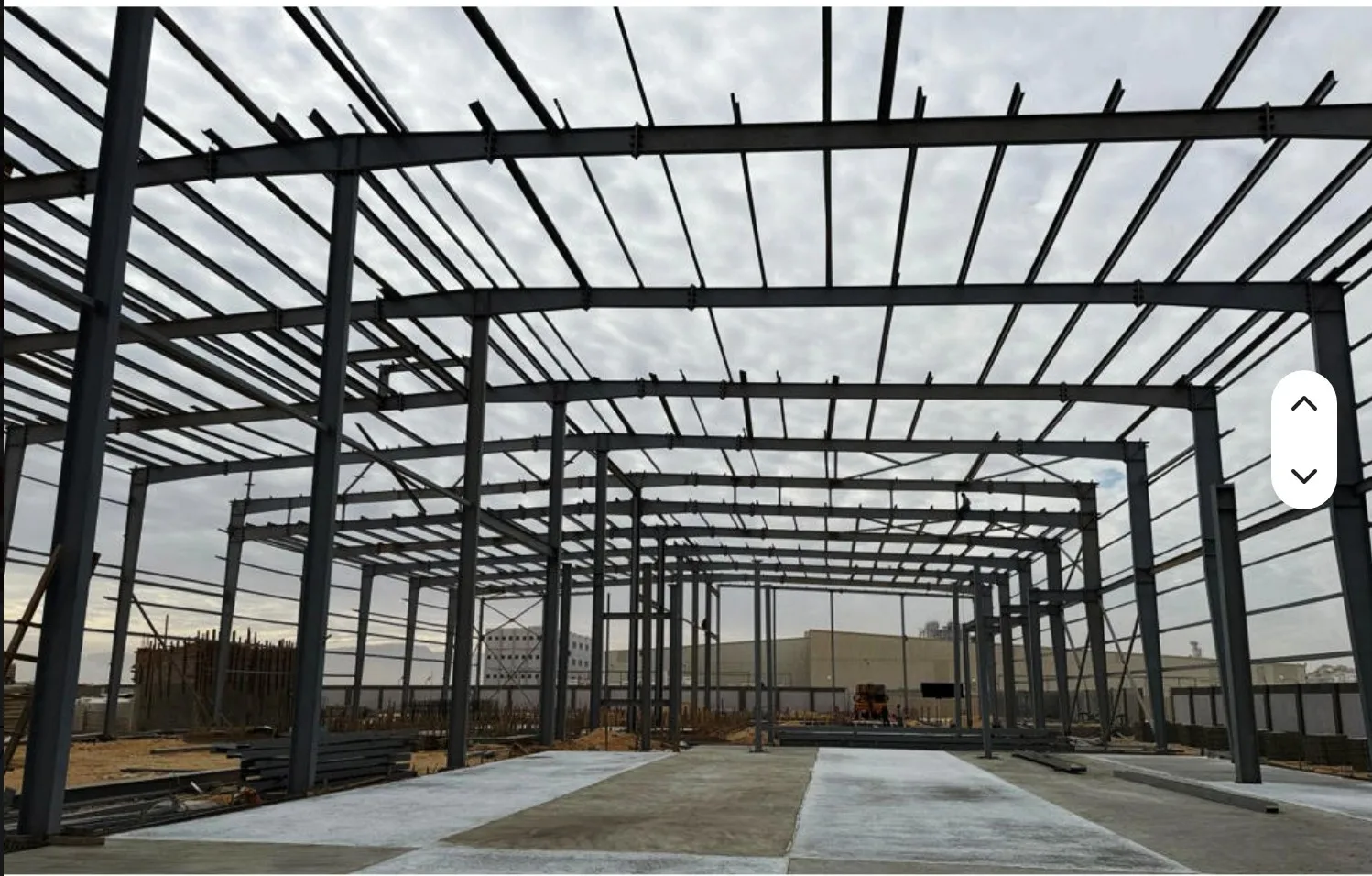 Steel Structure Cost in NigeriaLanded cost breakdown for Lagos and Abuja projects: steel tonnage, freight to Apapa, clearing, and local erection labour rates.Lagos / Abuja landed costView details →Kenya
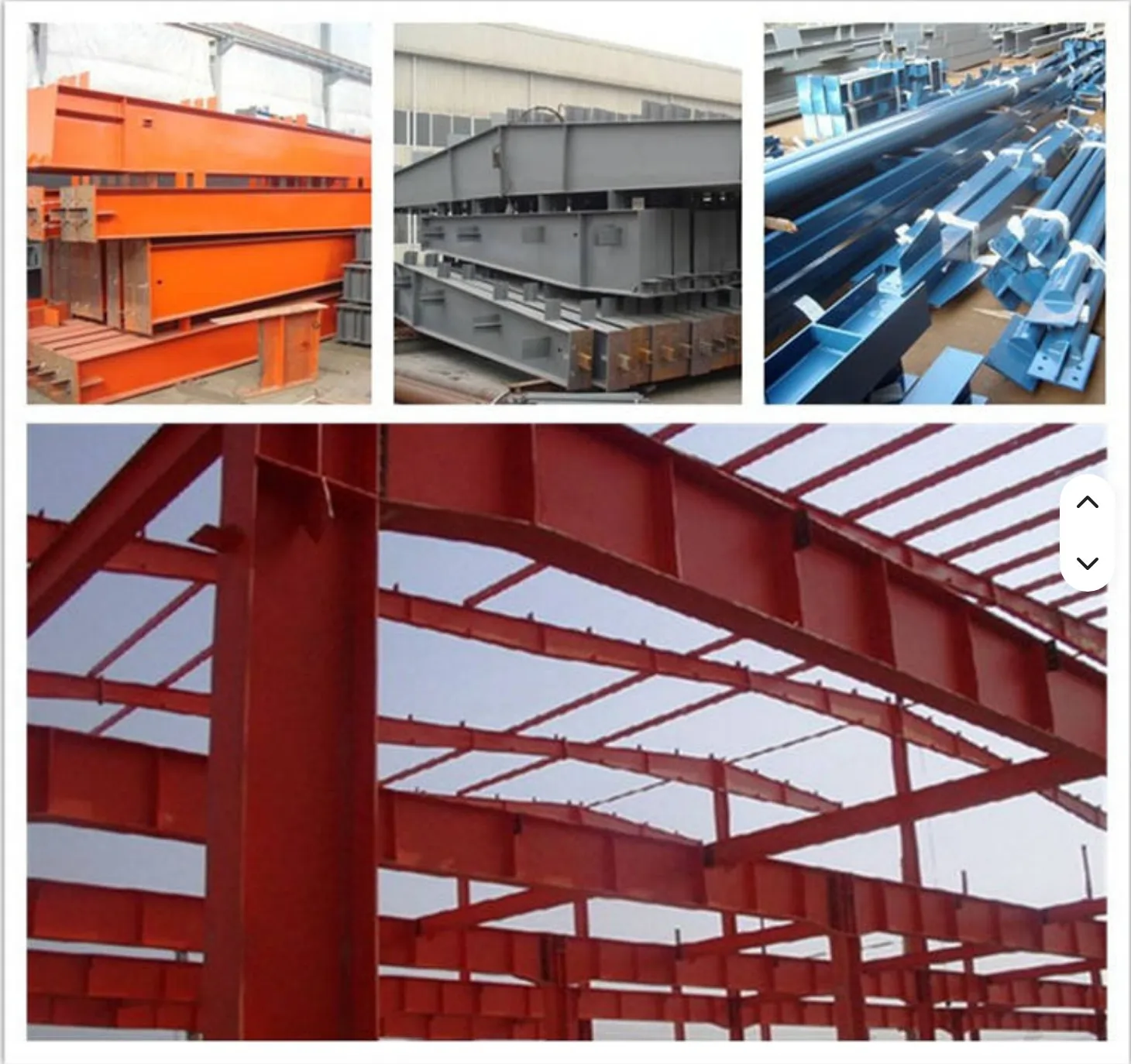 Steel Structure Cost in KenyaMombasa port charges, duty, transport and installation factored into a full 2026 budget for Nairobi and Mombasa industrial buildings.Nairobi / Mombasa budgetView details →China Factory
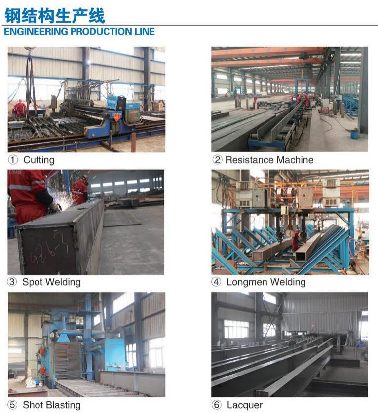 China Steel Structure ManufacturerOur own fabrication lines, ISO and CE certification, 350,000 sqm annual capacity and direct factory pricing with no trading margin.Direct factory quotationView details →