Global Steel Structure Industry Mid-2026 Report: Market Surges Past $131 Billion Amid Green Revolution and Middle East Infrastructure Boom<\/h2>
July 20, 2026 — The global steel structure market has entered a pivotal phase in mid-2026, propelled by an unprecedented convergence of mega-infrastructure spending in the Middle East, accelerating sustainability mandates across Europe and North America, and a structural shift toward prefabricated and modular construction systems worldwide. With the market now valued at $131.59 billion and projected to reach $202.1 billion by 2033 at a 6.7% compound annual growth rate (CAGR), steel structures are redefining what is possible in speed, strength, and environmental performance across the built environment.
Market Overview: $131.59 Billion and Accelerating
According to the latest data from Grand View Research and Research and Markets, the global structural steel market has demonstrated remarkable resilience despite headwinds in global trade and raw material pricing. Valued at $123.4 billion in 2025, the market expanded to an estimated $128.0 billion in early 2026 and is now tracking toward $202.1 billion by 2033. The Steel Structure Market Report 2026 from Research and Markets pegs the current valuation at $131.59 billion, with a forecast to reach $161.03 billion by 2030 — representing a 5.2% CAGR over that shorter horizon.
Multiple independent analyses converge on a single narrative: the structural steel sector is experiencing its most sustained growth cycle in over a decade. The OECD Steel Outlook 2026 projects global steel demand reaching 1,885 million tonnes by 2030, even as China’s consumption moderates. The real growth engine is shifting decisively to emerging markets — India, Southeast Asia, the Middle East, and Africa — where urbanization rates, industrial capacity expansion, and infrastructure investment are creating structural demand that outpaces the OECD average by a factor of three to four.
The Middle East Catalyst: Vision 2030, NEOM, and Beyond
No single region is having a larger impact on steel structure demand in 2026 than the Gulf Cooperation Council (GCC), led by Saudi Arabia’s transformative Vision 2030 agenda. The cumulative announced value of giga-projects under this umbrella has crossed $1.25 trillion, with active capital deployment accelerating across residential, commercial, entertainment, and industrial verticals. Steel — as the primary structural material for high-rise towers, stadiums, airports, and industrial facilities — sits at the very center of this spending wave.
The NEOM project, despite recent headlines about the scaling-back of The Line’s immediate timeline, continues to drive enormous demand for structural steel through its other components. Oxagon, the floating industrial city, has been redesignated as a priority development node, with a pivot toward AI data center infrastructure backed by a $5 billion Public Investment Fund commitment. Similarly, Trojena (the mountain tourism destination) and Sindalah (the luxury island resort) are progressing on schedule, each requiring tens of thousands of tonnes of fabricated structural steel.
Regional Steel Structure Procurement Shift
An important structural shift is underway in how GCC nations source their steel structures. Historically reliant on European and Turkish fabricators, Middle Eastern project owners are increasingly turning to Chinese manufacturers — attracted by competitive pricing, proven quality certifications (ISO 9001, CE, AISC), and the ability to deliver at the massive scale these projects demand. Chinese steel structure exporters, particularly those based in Shandong, Hebei, and Liaoning provinces, have reported a 30–45% year-over-year increase in Middle East-bound orders in the first half of 2026.
Green Steel and Sustainability: The Industry’s Defining Challenge
The steel industry contributes approximately 7–9% of global CO₂ emissions, placing it squarely in the crosshairs of regulators, investors, and customers demanding decarbonization. Yet steel’s inherent recyclability and the rapid evolution of green production technologies are transforming this challenge into a competitive advantage for forward-looking structural steel companies.
Three developments in 2026 are particularly consequential for the structural steel sector:
- Electric Arc Furnace (EAF) Capacity Expansion: Greensteel Australia announced a $500 million investment to build Australia’s first green steel facility on a 70,000 m² site in Mayfield North, using EAF technology powered by renewable energy. Similar projects are advancing in Europe under the EU Carbon Border Adjustment Mechanism (CBAM) framework, which is making low-carbon steel increasingly price-competitive.
- Embodied Carbon in Building Codes: The World Green Building Council’s mandate that all new buildings achieve at least 40% less embodied carbon by 2030 is reshaping procurement specifications. Structural engineers are now required to submit environmental product declarations (EPDs) for steel components, favoring suppliers with verifiable low-carbon production chains.
- Prefabrication as a Carbon Strategy: Research published in Springer’s Architecture, Structures and Construction journal demonstrates that prefabricated steel construction reduces on-site CO₂ emissions by approximately 11% compared to conventional methods, primarily through reduced material waste, optimized logistics, and shorter construction timelines. Prefabricated components can accelerate assembly by up to 40%, according to EuroSteel International.
United States: Tariffs, Capacity Utilization, and the Section 232 Overhang
The U.S. structural steel market presents a complex picture in mid-2026. On one hand, reshoring of manufacturing capacity, data center construction, and infrastructure spending under the Infrastructure Investment and Jobs Act continue to drive demand. The fabricated metal products subsector added approximately 3,400 jobs in June 2026, signaling underlying strength in fabrication and erection activities.
On the other hand, trade policy uncertainty is creating significant headwinds. The U.S. declined to renew USMCA as written on July 1, 2026, forcing the agreement into a rolling annual review that keeps Section 232 steel tariffs on the negotiating table through 2036. Hot-rolled coil (HRC) prices have climbed to $1,135 per ton, with lead times extending to 7.4 weeks — well above historical norms. Meanwhile, the U.S. Department of Commerce has initiated a circumvention inquiry into corrosion-resistant steel processed in Thailand using Chinese substrate, signaling that trade enforcement will remain a persistent sourcing variable.
Capacity utilization in the U.S. steel sector fell to 79.7% in the week ending July 11, 2026 — dipping below the 80% benchmark that analysts consider a threshold for sector health. This decline reflects a combination of softening demand in certain downstream segments and the ongoing adjustment to tariff-driven supply chain reconfigurations.
Southeast Asia: The Infrastructure Boom That Cannot Be Ignored
While the Gulf captures headlines, Southeast Asia is quietly building the foundations for what may become the world’s next great steel structure market. Indonesia’s new capital city Nusantara, Vietnam’s rapid industrial park expansion, the Philippines’ Build Better More program, and Thailand’s Eastern Economic Corridor collectively represent over $500 billion in committed infrastructure spending through 2030 — the vast majority requiring structural steel framing, roofing, and cladding systems.
Chinese steel structure exporters have a natural logistical advantage in serving this region, with shipping times of 7–15 days from major ports in Qingdao, Tianjin, and Shanghai compared to 35–45 days for European suppliers. This proximity advantage, combined with China’s massive fabrication capacity and the ongoing expansion of RCEP tariff preferences, positions Chinese manufacturers as the default supply chain for Southeast Asia’s structural steel requirements.
Technological Transformation: AI, Robotics, and Digital Twins
Steel structure design and fabrication are being revolutionized by technology in ways that directly impact cost, quality, and delivery timelines:
- AI-Optimized Structural Design: Machine learning algorithms are now capable of reducing steel tonnage in building frames by 8–15% while maintaining structural integrity — translating to millions of dollars in material savings on large projects.
- Robotic Welding and Fabrication: Industrial robot installations in the U.S. rebounded 11% to approximately 38,000 units in 2025, with steel fabrication being one of the fastest-growing application segments. Automated welding cells are reducing fabrication time by 30–50% for standard connection types.
- Digital Twin Integration: Simulation and digital twin tooling has crossed a cost threshold in 2026, making it accessible to mid-tier fabricators for the first time. Real-time digital replicas of steel structures enable predictive maintenance scheduling and lifecycle performance optimization.
- BIM-to-Fabrication Workflows: The direct integration of Building Information Modeling (BIM) with CNC fabrication equipment is eliminating manual takeoff errors and reducing material waste by an estimated 5–8%.
Price Outlook and Procurement Strategy for H2 2026
For procurement professionals and project developers, the steel structure pricing environment in H2 2026 demands careful navigation. Key factors shaping near-term pricing include:
- Raw Material Costs: HRC prices at $1,135/ton reflect sustained upward pressure. Zinc costs — critical for galvanized structural components — have risen for eleven of the past thirteen weeks. Coking coal remains elevated due to supply constraints.
- Excess Global Capacity: The OECD projects excess steelmaking capacity will reach 745 million tonnes in 2026, creating a paradoxical environment where upward price pressure from input costs coexists with structural overcapacity. This tension is likely to favor buyers who can commit to long-term supply agreements.
- Freight and Logistics: Container shipping rates from Asia to the Middle East and Europe have stabilized after the Red Sea disruption premium subsided, but remain 60–80% above pre-2023 baselines. Bulk and breakbulk shipping for structural steel components is experiencing tighter availability.
- Currency Dynamics: A strengthening U.S. dollar is improving the purchasing power of dollar-denominated buyers, effectively discounting Chinese steel structure exports for Middle Eastern and African clients who price contracts in USD.
Africa: The Next Frontier for Steel Structure Growth
Africa’s structural steel market is often overlooked in global analyses, but 2026 data suggests this is changing rapidly. The African Continental Free Trade Area (AfCFTA) is stimulating cross-border industrial investment, while urbanization rates across Nigeria, Kenya, Ethiopia, Egypt, and South Africa are creating demand for steel-framed commercial buildings, logistics centers, and manufacturing facilities at a pace not seen since China’s 2000s-era build-out.
Chinese steel structure exporters report that Africa now accounts for 15–22% of their export volume — up from less than 10% in 2020. The primary demand drivers are warehouse and logistics infrastructure (supporting e-commerce growth), agricultural processing facilities, and mineral extraction support structures. Importantly, African buyers are increasingly specifying international quality standards (ASTM, EN, BS) rather than accepting lower-grade materials — a trend that favors established manufacturers with certified quality management systems.
Key Structural Steel Product Segments to Watch
Within the broader steel structure market, several product segments are outperforming in 2026:
| Product Segment | 2026 Growth Driver | Key Regions |
|---|---|---|
| Pre-Engineered Steel Buildings (PEB) | Speed-to-market advantage; 40% faster assembly | Middle East, Southeast Asia |
| Heavy Structural Steel (Bridges, High-Rise) | Infrastructure megaprojects; urban densification | GCC, North America |
| Light Gauge Steel Framing | Residential and mid-rise commercial adoption | Africa, South Asia |
| Space Frame & Long-Span Structures | Airport, stadium, and exhibition center construction | Middle East, China |
| Steel Structure Workshop & Factory | Manufacturing reshoring; industrial park expansion | Southeast Asia, Africa |
Frequently Asked Questions About Steel Structures in 2026
What is the current size of the global steel structure market?
The global steel structure market is valued at $131.59 billion in 2026 and is projected to grow at a CAGR of 5.2% to reach $161.03 billion by 2030, according to Research and Markets. Grand View Research estimates the broader structural steel market at $128.0 billion in 2026, growing to $202.1 billion by 2033 at a 6.7% CAGR.
Why are prefabricated steel structures growing so rapidly?
Three factors drive prefabricated steel structure adoption: (1) construction speed — assembly is up to 40% faster than conventional methods; (2) cost predictability — factory-controlled fabrication reduces on-site labor and material waste; (3) sustainability compliance — prefabrication reduces on-site CO₂ emissions by approximately 11%, helping projects meet increasingly stringent green building codes.
How is Saudi Arabia’s Vision 2030 impacting steel structure demand?
Saudi Arabia’s Vision 2030 has committed over $1.25 trillion to giga-projects including NEOM, the Red Sea Project, Qiddiya, and ROSHN. These projects are creating sustained, large-volume demand for fabricated structural steel across residential, hospitality, entertainment, and industrial applications, with Chinese manufacturers emerging as key supply chain partners.
What are the advantages of Chinese steel structure manufacturers?
Chinese steel structure manufacturers offer competitive pricing (typically 20–35% below European equivalents), proven international certifications (ISO 9001, CE, AISC, AWS), massive production capacity enabling large-volume single-project delivery, and strategic logistics advantages for Middle Eastern, Southeast Asian, and African markets.
Is steel structure construction environmentally sustainable?
Yes. Steel is the world’s most recycled material, with an estimated 85–90% of structural steel recovered and recycled at end-of-life. Modern electric arc furnace production reduces CO₂ emissions by up to 75% compared to traditional blast furnace methods. Combined with prefabrication’s waste reduction benefits, structural steel offers one of the most credible pathways to low-carbon construction at scale.
What certifications should buyers look for in a steel structure supplier?
Key certifications for steel structure suppliers include ISO 9001 (quality management), CE marking (European compliance), AISC certification (American Institute of Steel Construction), AWS D1.1 (welding quality), and ISO 14001 (environmental management). Buyers should also verify the supplier’s track record on projects of similar scale and complexity.
Conclusion: A Market at an Inflection Point
As the steel structure industry moves through the second half of 2026, the sector finds itself at a genuine inflection point. On the demand side, megaproject spending in the Middle East, infrastructure build-out across Southeast Asia and Africa, and sustainability-driven renovation cycles in developed markets are creating a multi-year demand runway that is rare in heavy industrial sectors. On the supply side, Chinese manufacturers are consolidating their position as the global default for cost-competitive, quality-certified structural steel — a position reinforced by logistics advantages, production scale, and improving perceptions of quality.
The challenges are real: trade policy volatility, raw material cost inflation, and the long transition to green steel production will test the industry’s resilience. But the fundamental drivers — urbanization, industrialization, and the need for faster, cleaner construction methods — are structural, not cyclical. For project developers, procurement professionals, and investors, the message from mid-2026 is clear: the steel structure market is not just growing — it is being reshaped in ways that will define the built environment for decades to come.
Keywords Index
steel structure, structural steel market 2026, prefabricated steel building, pre-engineered steel building, steel structure warehouse, steel frame construction, green steel construction, Vision 2030 steel demand, NEOM steel structure, steel structure workshop, China steel structure manufacturer, steel structure industry trends 2026, modular steel building, heavy steel structure, light gauge steel framing, structural steel fabrication, steel building sustainability, Section 232 steel tariffs, steel structure Middle East, steel structure Southeast Asia, steel construction cost 2026, prefab steel frame, industrial steel building, BIM steel fabrication, steel structure procurement, global steel demand 2030
This article was published as part of Asia Structures’ ongoing coverage of the global steel structure industry. For inquiries about steel structure procurement, design, or fabrication, contact our team.
Project Cost Guides & China Factory Supply
Transparent 2026 pricing benchmarks for importers, contractors and developers.
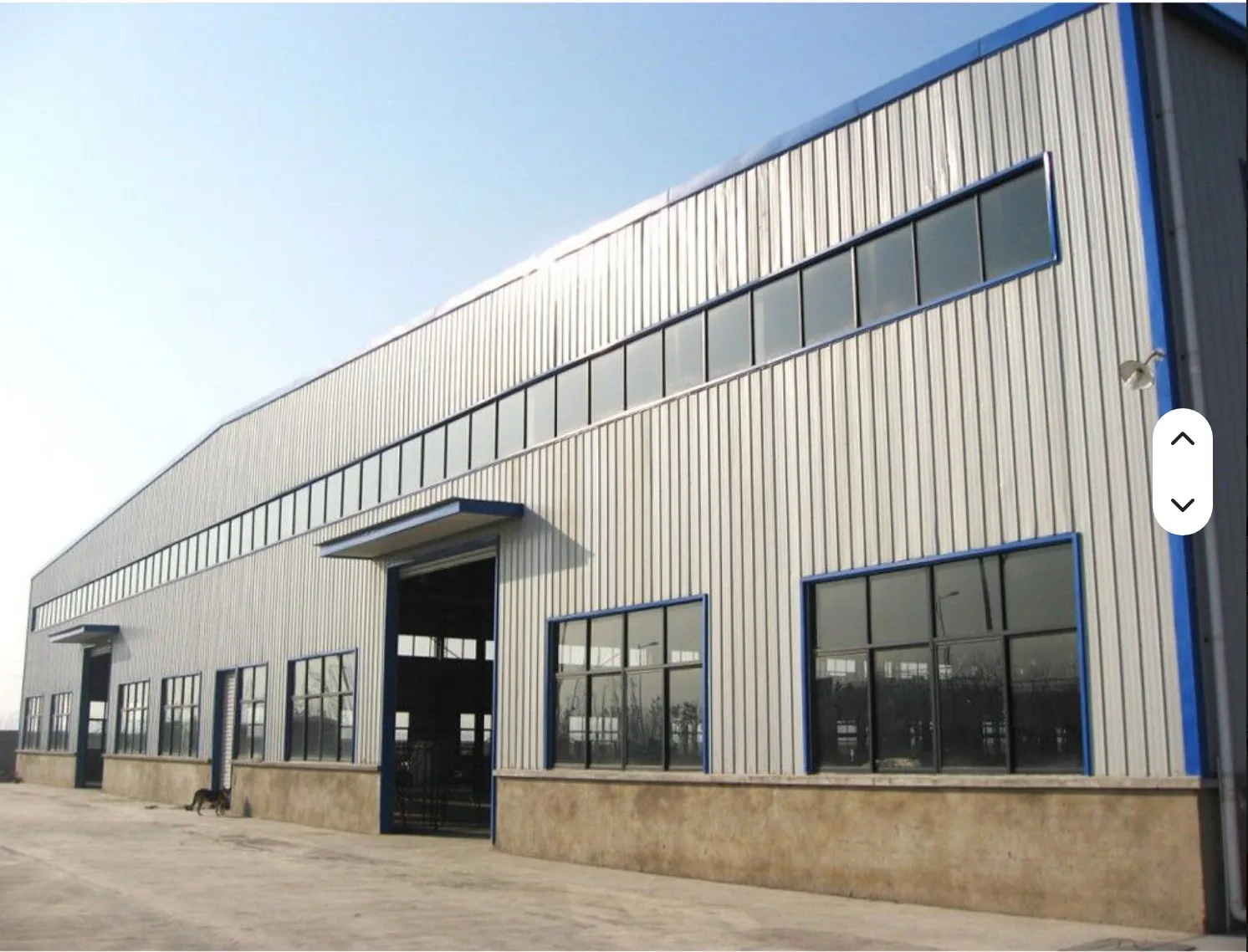 PEB Building Cost in UAEReal 2026 price per square metre for warehouses and factories in Dubai, Abu Dhabi and the wider Gulf, including shipping, customs and erection.Dubai / Abu Dhabi benchmarksView details →Nigeria
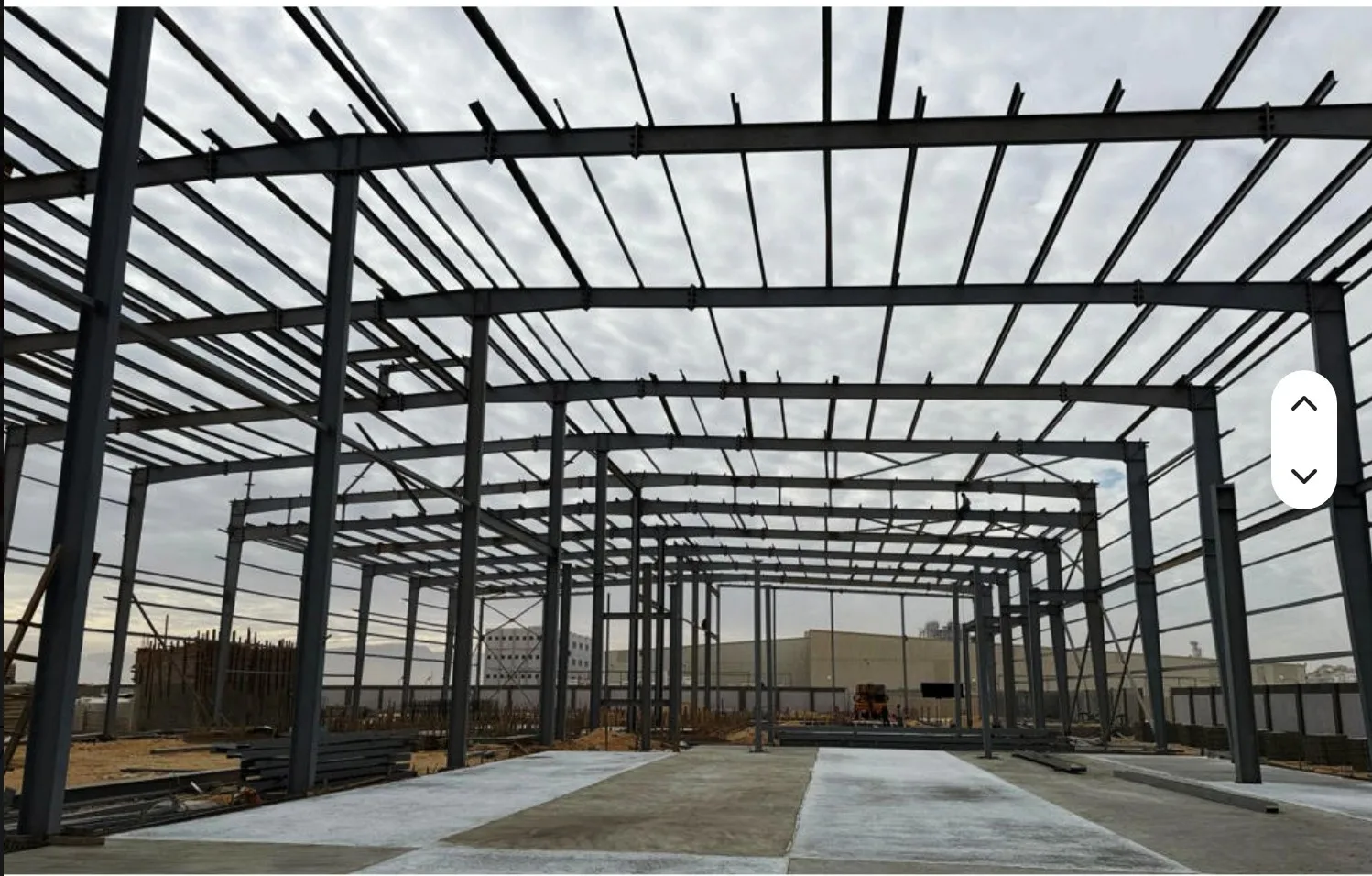 Steel Structure Cost in NigeriaLanded cost breakdown for Lagos and Abuja projects: steel tonnage, freight to Apapa, clearing, and local erection labour rates.Lagos / Abuja landed costView details →Kenya
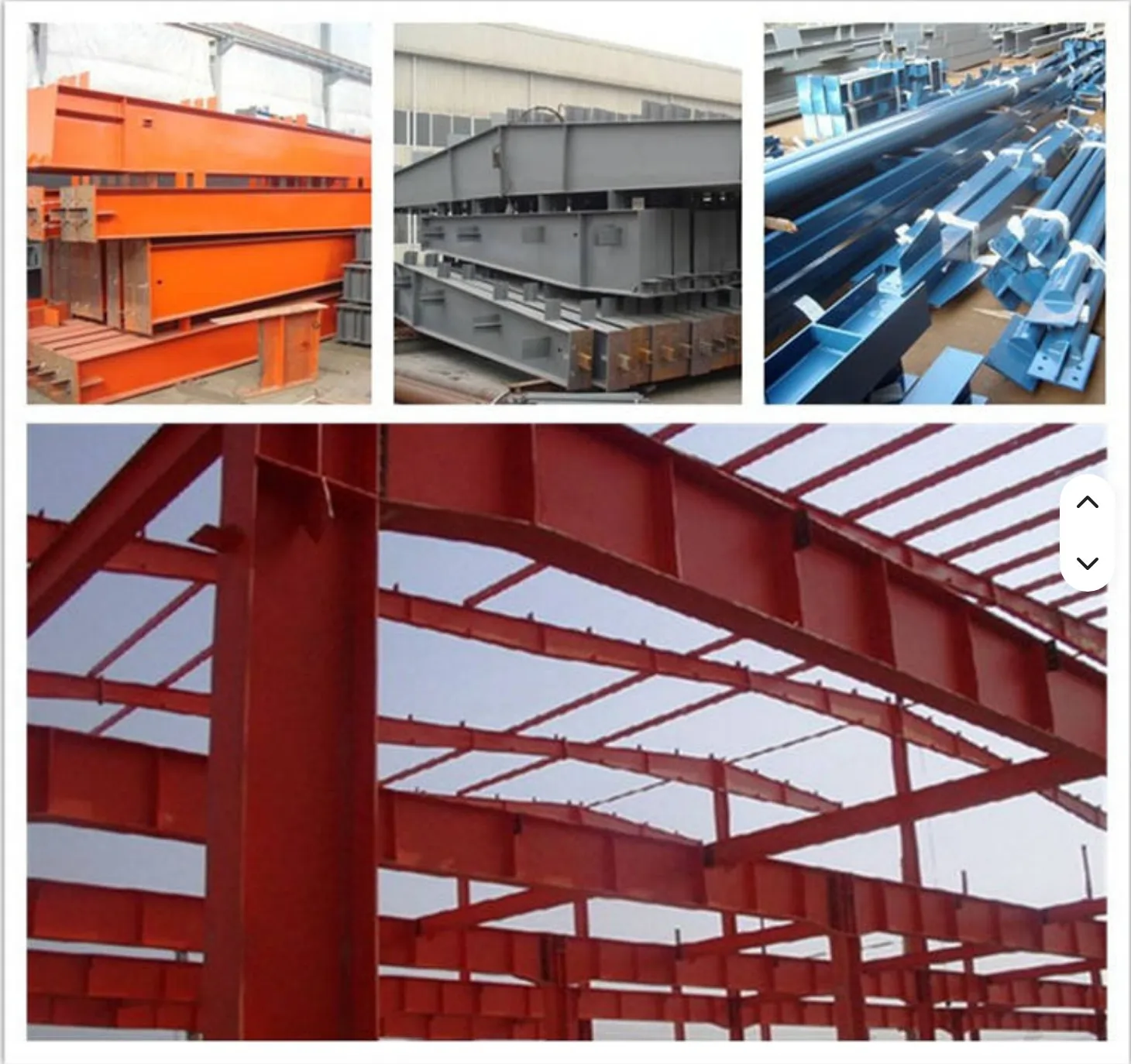 Steel Structure Cost in KenyaMombasa port charges, duty, transport and installation factored into a full 2026 budget for Nairobi and Mombasa industrial buildings.Nairobi / Mombasa budgetView details →China Factory
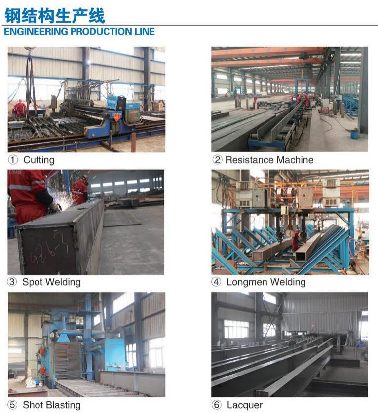 China Steel Structure ManufacturerOur own fabrication lines, ISO and CE certification, 350,000 sqm annual capacity and direct factory pricing with no trading margin.Direct factory quotationView details →