By Asia Structures Editorial Team | July 6, 2026
Executive Summary
The global structural steel market, valued at $123.4 billion in 2025, is projected to reach $202.1 billion by 2033, growing at a compound annual growth rate of 6.7%. This robust expansion reflects a fundamental transformation in how the world builds — from warehouses and industrial facilities to commercial complexes and residential housing. Steel structures, particularly prefabricated and modular systems, are emerging as the backbone of modern construction, driven by four converging forces: digitalization, sustainability mandates, supply chain regionalization, and advanced material innovation.
This comprehensive analysis examines the key trends reshaping the steel structure industry in 2026, addresses the most pressing questions from engineers, contractors, and property developers, and provides actionable insights for businesses looking to leverage steel construction for their next project.
What Is Driving the Global Steel Structure Market in 2026?
The steel structure industry is experiencing a paradigm shift. What was once a commodity-driven sector defined by price per ton is now a technology-intensive field where speed of delivery, carbon footprint, and design flexibility determine competitive advantage.
Market Growth by the Numbers
| Segment | 2024/2025 Value | Growth Projection | Key Driver |
|---|---|---|---|
| Global Structural Steel | $123.4B (2025) | $202.1B by 2033 (CAGR 6.7%) | Infrastructure investment |
| Prefabricated Steel Buildings | $45B (2024) | $47B (2025) | Labor shortages, speed |
| Modular & Prefabricated Construction | $171.1B (2025) | CAGR 6.1% through 2035 | Urbanization, cost efficiency |
| High-Performance Alloys (US) | — | CAGR 8.35% (2026-2033) | Defense, energy, manufacturing |
Four Pillars Reshaping the Industry
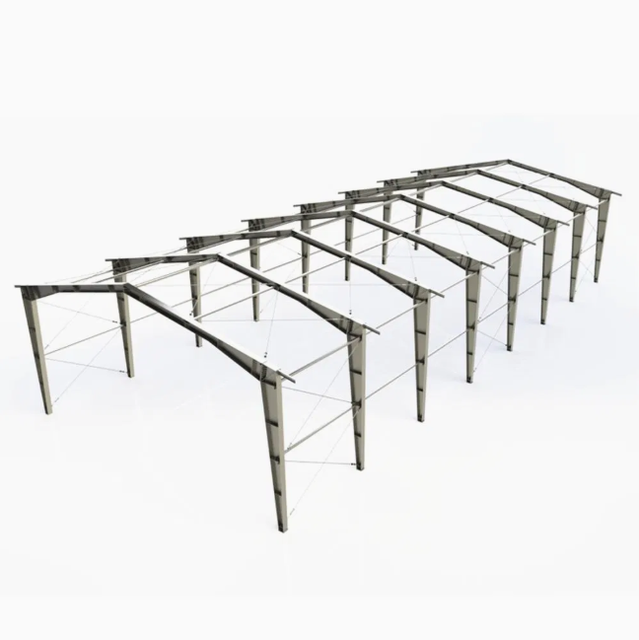
Industry analysts have identified four interconnected strategies — the “4 D’s” — that define success in today’s steel construction landscape:
- Digitalization — AI-driven design, robotic fabrication, and IoT-enabled quality control
- Domesticization — Regional supply chains responding to geopolitical shifts and local content mandates
- Decarbonization — Green steel production and carbon accountability in procurement
- Differentiation — Advanced alloys, modular systems, and value-added engineering services
How Is AI Transforming Steel Structure Design and Fabrication?
Artificial intelligence has moved from experimental pilots to operational necessity in steel fabrication. In 2026, fabricators who have not integrated AI into their workflows face a measurable competitive disadvantage.
AI Applications Across the Steel Construction Value Chain
Predictive Quality Control. Machine learning algorithms now analyze weld quality in real time, detecting microscopic defects that human inspectors might miss. Companies implementing welding automation report up to 40% faster production cycles and a 60-80% reduction in weld defects and rework, according to industry data compiled by MetalRecruiters.
Generative Design Optimization. AI-powered structural design software can generate thousands of frame configurations in minutes, optimizing for material usage, load-bearing capacity, and seismic performance simultaneously. This capability is particularly valuable for long-span industrial buildings and multi-story steel-framed commercial structures.
Supply Chain Intelligence. Predictive analytics track raw material flows from mill to fabrication shop, enabling just-in-time inventory management that reduces working capital requirements and minimizes storage costs.
Digital Twin Integration. Steel structure projects increasingly incorporate digital twins — virtual replicas that simulate structural behavior under various load conditions before a single beam is fabricated. This technology reduces design errors, accelerates permitting, and provides owners with a living asset management tool for the building’s entire lifecycle.
What This Means for Your Project
For property developers and contractors, AI adoption in the steel supply chain translates directly to shorter lead times (typically 15-25% faster), higher first-pass quality with fewer site corrections, more accurate cost estimation and scheduling, and better value engineering without compromising safety.
Why Are Prefabricated Steel Buildings Growing Faster Than Traditional Construction?
The prefabricated steel building segment is outpacing conventional construction across virtually every market. This is not a temporary trend — it represents a structural shift in how buildings are conceived, designed, and delivered.
The Speed-Value Equation
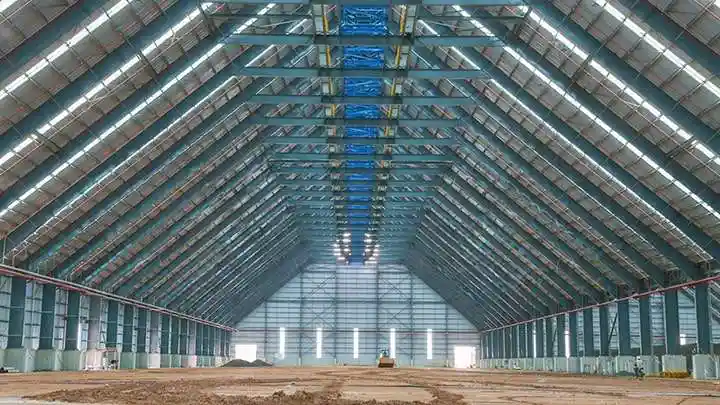
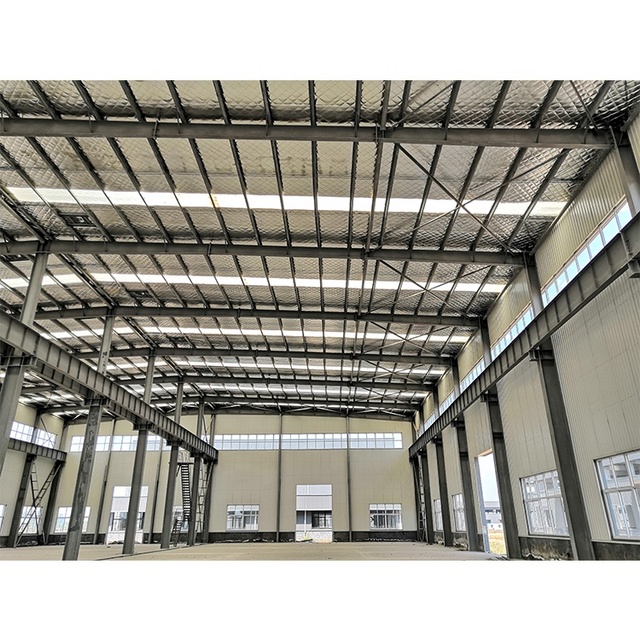
A prefabricated steel warehouse or workshop can be erected in weeks rather than months. The components are engineered, cut, welded, and surface-treated in a controlled factory environment, then shipped to site for rapid assembly. This approach reduces on-site labor requirements by 40-60%, minimizes weather-related delays, produces less construction waste (steel is 100% recyclable), achieves tighter dimensional tolerances, and lowers total project cost by 15-30% compared to conventional methods.
Applications Expanding Beyond Industrial
While steel-framed warehouses and factories remain the largest application segment, prefabricated steel is rapidly penetrating new markets including multi-family residential, agricultural buildings, commercial retail, institutional and healthcare facilities, and emergency housing solutions.
What Is Green Steel and Why Does It Matter for Construction Procurement?
The steel industry accounts for approximately 10% of global CO2 emissions annually. As governments tighten carbon regulations and major project owners adopt ESG procurement criteria, the carbon intensity of structural steel has become a commercial liability — not just an environmental consideration.
Green Steel Production Pathways
Electric Arc Furnace (EAF) Technology can process up to 100% scrap steel, dramatically reducing the carbon footprint. The United States, where approximately 70% of steel is already produced via EAF, is well-positioned to meet growing demand for low-carbon structural steel.
Hydrogen-Based Direct Reduced Iron (DRI) reduces iron ore using green hydrogen instead of coal — the only byproduct is water vapor. Several major steel producers have announced hydrogen-DRI facilities expected online between 2027 and 2030.
For buyers of structural steel: Environmental Product Declarations (EPDs) are becoming standard requirements in bid documents. Projects seeking LEED, BREEAM, or Green Star certification can earn credits by specifying low-carbon steel. Government infrastructure contracts increasingly include carbon-intensity thresholds.
How Are Trade Policies Affecting Steel Structure Supply Chains?
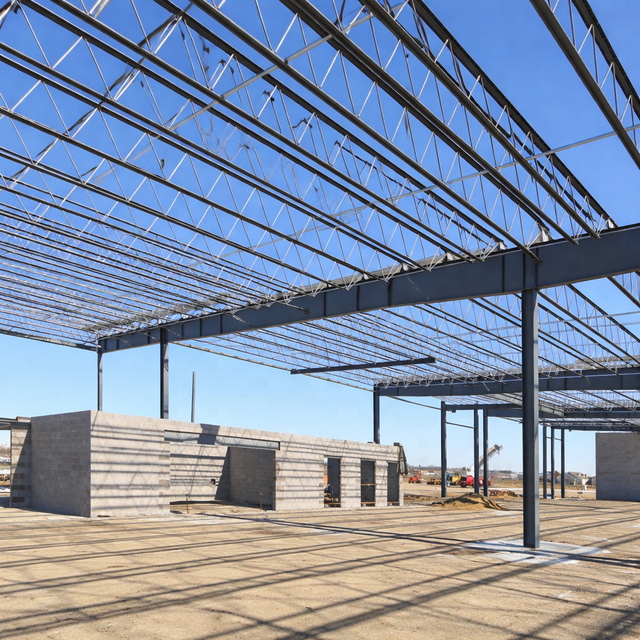
The $1.2 trillion US Infrastructure Investment and Jobs Act ensures sustained demand for structural steel. Every $1 billion in infrastructure investment requires approximately 50,000 net tons of steel. US steel consumption is projected to increase by 1.8% in 2026.
A critical regulatory milestone takes effect on October 1, 2026: all manufactured products used in US federal infrastructure projects must contain at least 55% domestic content by cost. For international suppliers, this demands audited supply chains, strategic partnerships with US fabricators, and transparent material origin documentation.
What Types of Steel Structure Buildings Offer the Best ROI?
- Steel Warehouse & Logistics Centers — ROI: High. Clear spans 30-80m, rapid 3-6 month construction, 50+ year service life.
- Industrial Workshops & Factories — ROI: High. Crane runway integration, mezzanine capability, fire-rated options.
- Prefabricated Commercial Buildings — ROI: Medium-High. Faster time-to-revenue, architectural flexibility.
- Multi-Story Steel Buildings — ROI: Medium. Reduced foundation costs, faster floor cycles.
What Should You Look for When Selecting a Steel Structure Supplier?
- Engineering & Design Capability — In-house structural engineering team, BIM deliverables, local code experience
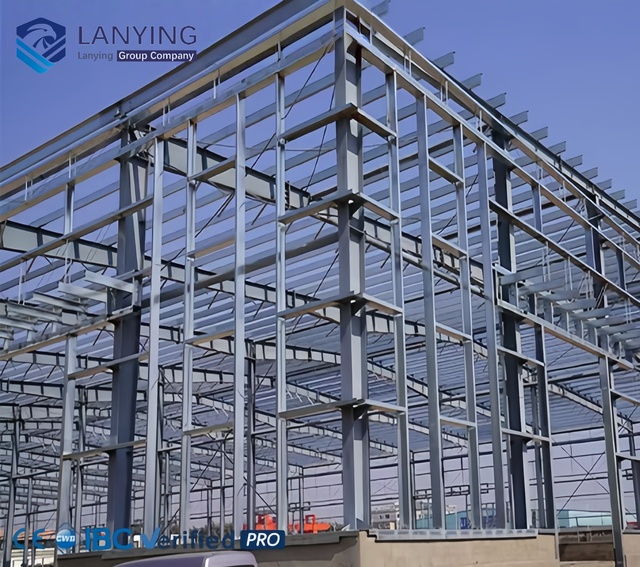
- Quality Certifications — ISO 9001, CE Marking (EN 1090), AISC, CWB, AWS D1.1
- Production Capacity & Track Record — Annual output, factory equipment, verifiable project portfolio
- Logistics & Installation Support — Export documentation, on-site supervision, warranty (10-50 years)
- Sustainability Credentials — EPDs, recycled content, carbon transparency
FAQ: Common Questions About Steel Structures
How much does a steel structure warehouse cost per square meter?
Steel structure warehouse costs typically range from $25 to $50 per square foot ($270-$540 per square meter) for the structural frame. Total installed cost including foundation, cladding, doors, and MEP systems ranges from $50 to $120 per square foot. Prefabricated systems from manufacturers in China often offer 15-30% cost savings.
How long does it take to build a steel structure building?
A standard 10,000 sq ft steel warehouse can be erected in 4-8 weeks from foundation completion. Full project timeline including design (2-4 weeks), fabrication (4-8 weeks), and erection spans 10-20 weeks total.
What is the lifespan of a steel structure building?
Properly designed steel structure buildings have a design service life of 50+ years. With protective coatings and regular maintenance, many structures remain in service for 75-100 years. Steel does not rot, warp, or suffer termite damage.
Is steel structure better than concrete for industrial buildings?
For most industrial applications requiring large open spaces and rapid delivery, steel is preferred: 40-60% faster construction, 60-70% less foundation load, clear spans up to 80m, and easier future expansion. Concrete offers better fire resistance without additional treatment.
Key Takeaways
- The steel structure market is growing at 6.7% CAGR — driven by infrastructure, e-commerce logistics, and prefabrication.
- AI and automation: fabricators using robotic welding achieve 40% faster production with 60-80% fewer defects.
- Green steel procurement is becoming a competitive requirement — EPDs now standard in major bids.
- Prefabricated steel delivers 15-30% cost savings and 40-60% faster construction.
- Supplier selection is critical — prioritize engineering, certifications, production capacity, and after-sales support.
Article published July 6, 2026. Market data sourced from Grand View Research, GM Insights, World Steel Association, American Iron and Steel Institute, and International Energy Agency. Product imagery sourced from verified Alibaba.com steel structure manufacturers including Tianjin Dongfang Haoyu International Trading Co., Ltd.
Recommended Modular Solutions For This Project
Factory-direct prefab housing, delivered flat-packed to cut ocean freight by up to 70%.
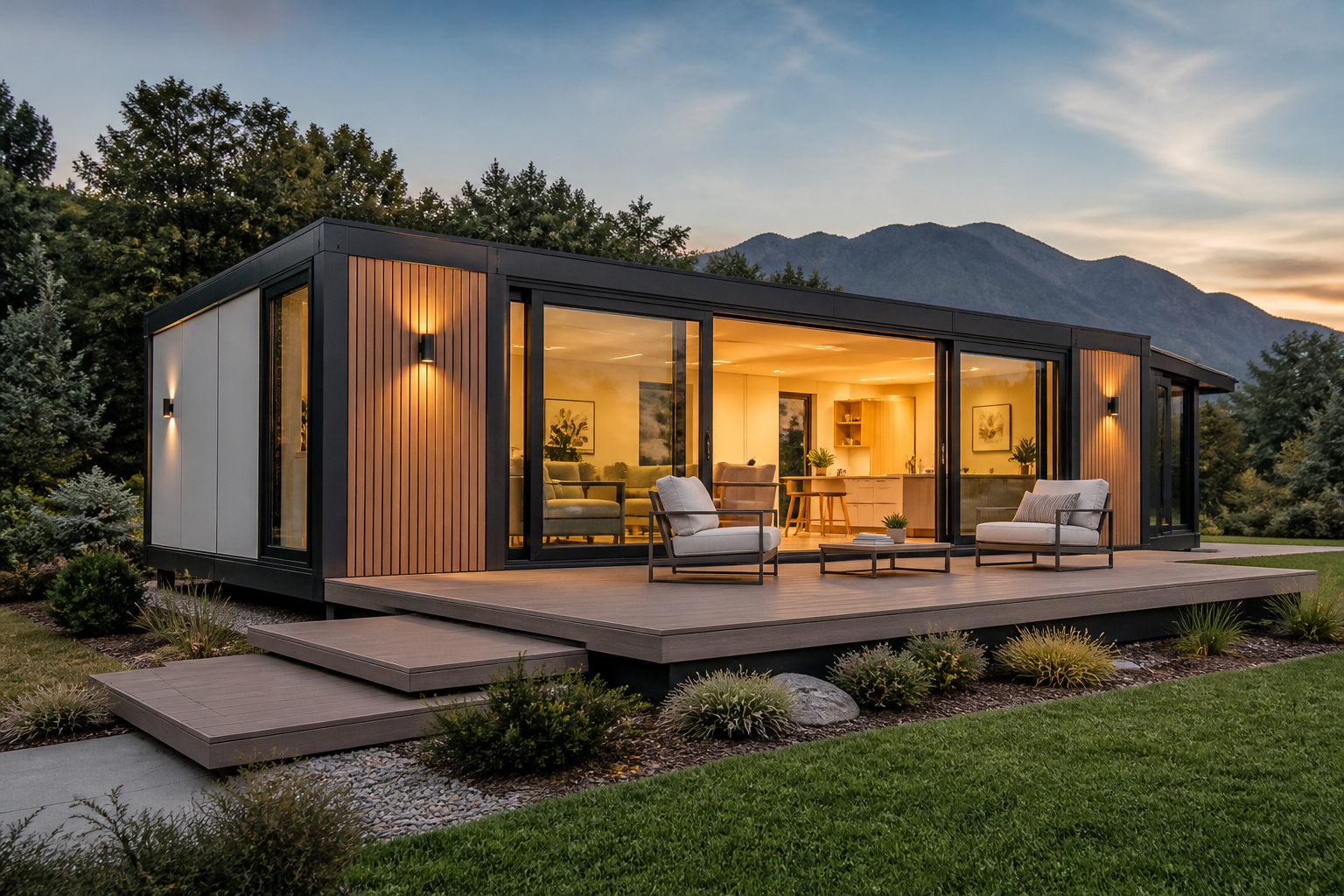 Expandable Container HouseA 20ft unit expands to 40ft living space in about 30 minutes. Two bedrooms, kitchen and bathroom ready. Popular for ADU, granny flats and backyard cabins in USA and Canada.From USD 6,800 / unitView details →Lowest Freight
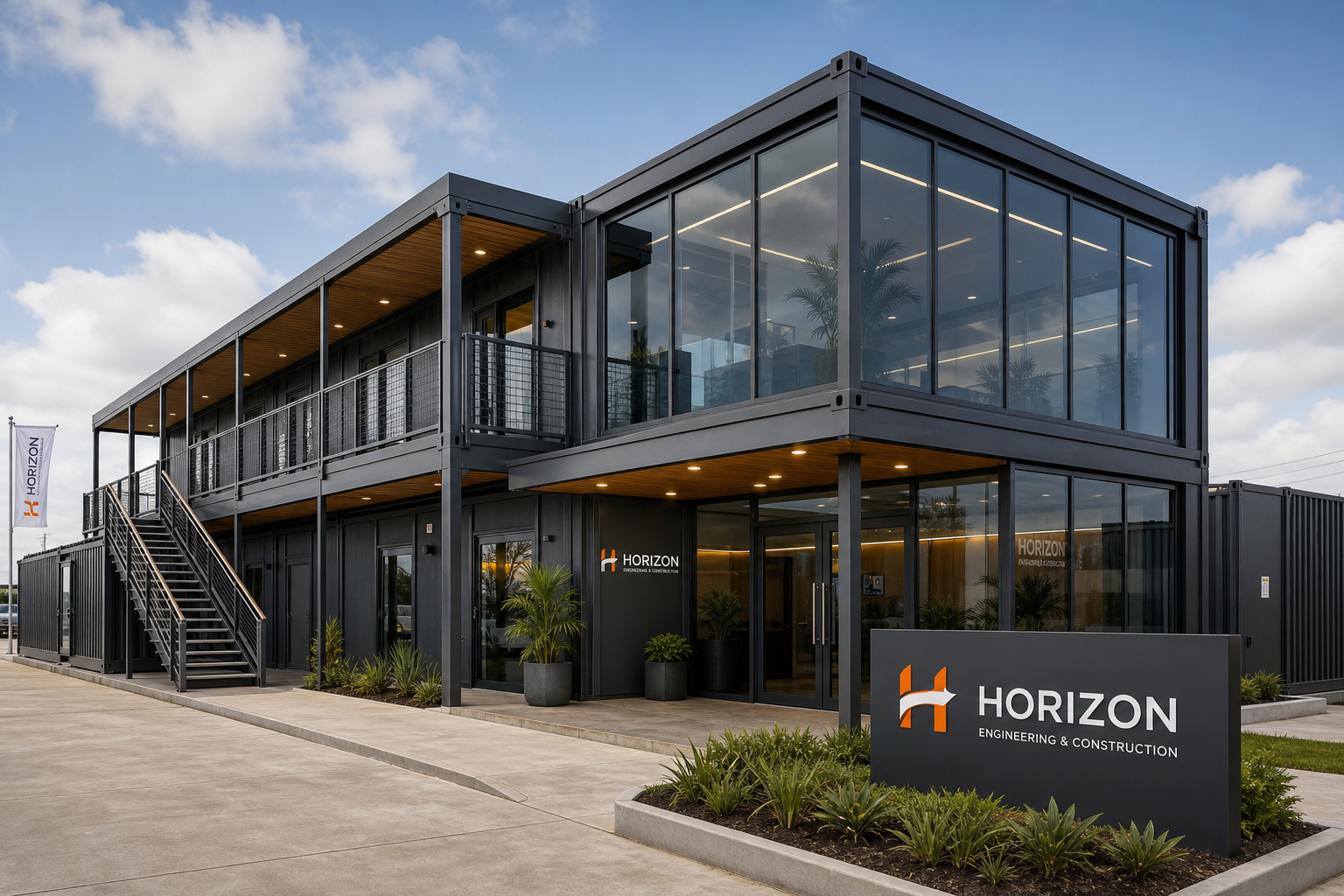 Flat Pack Container HouseKnock-down modular box: 4 units load into one 40HQ container. The fastest way to build labour camps, canteens and site accommodation.From USD 2,300 / unitView details →Remote Projects
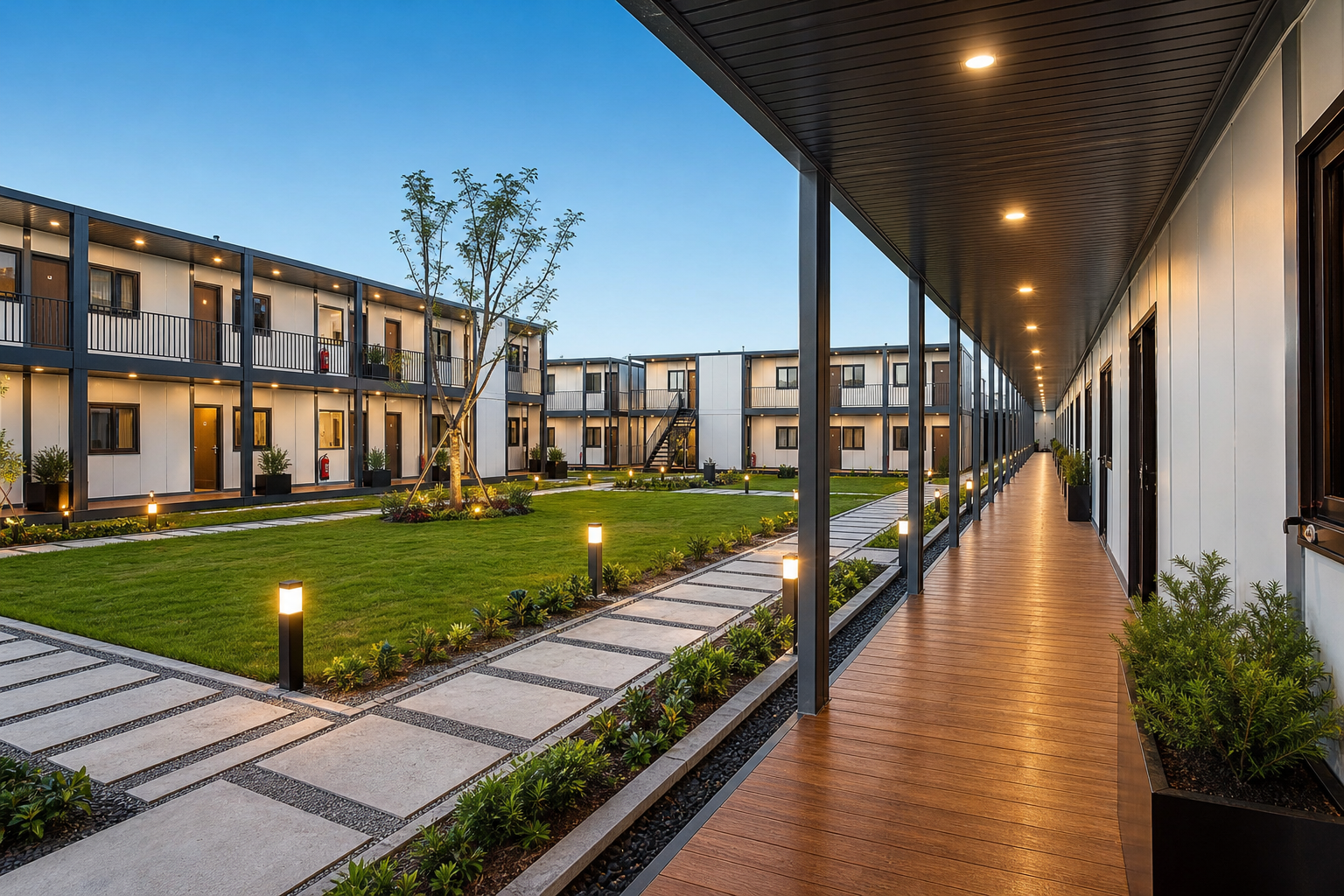 Mining Camp Container HousingInsulated FIFO accommodation for Pilbara, Queensland and African mine sites. Cyclone-rated, high wind load, 30-year design life, fully fitted bathrooms.Turnkey camp designView details →Site Facility
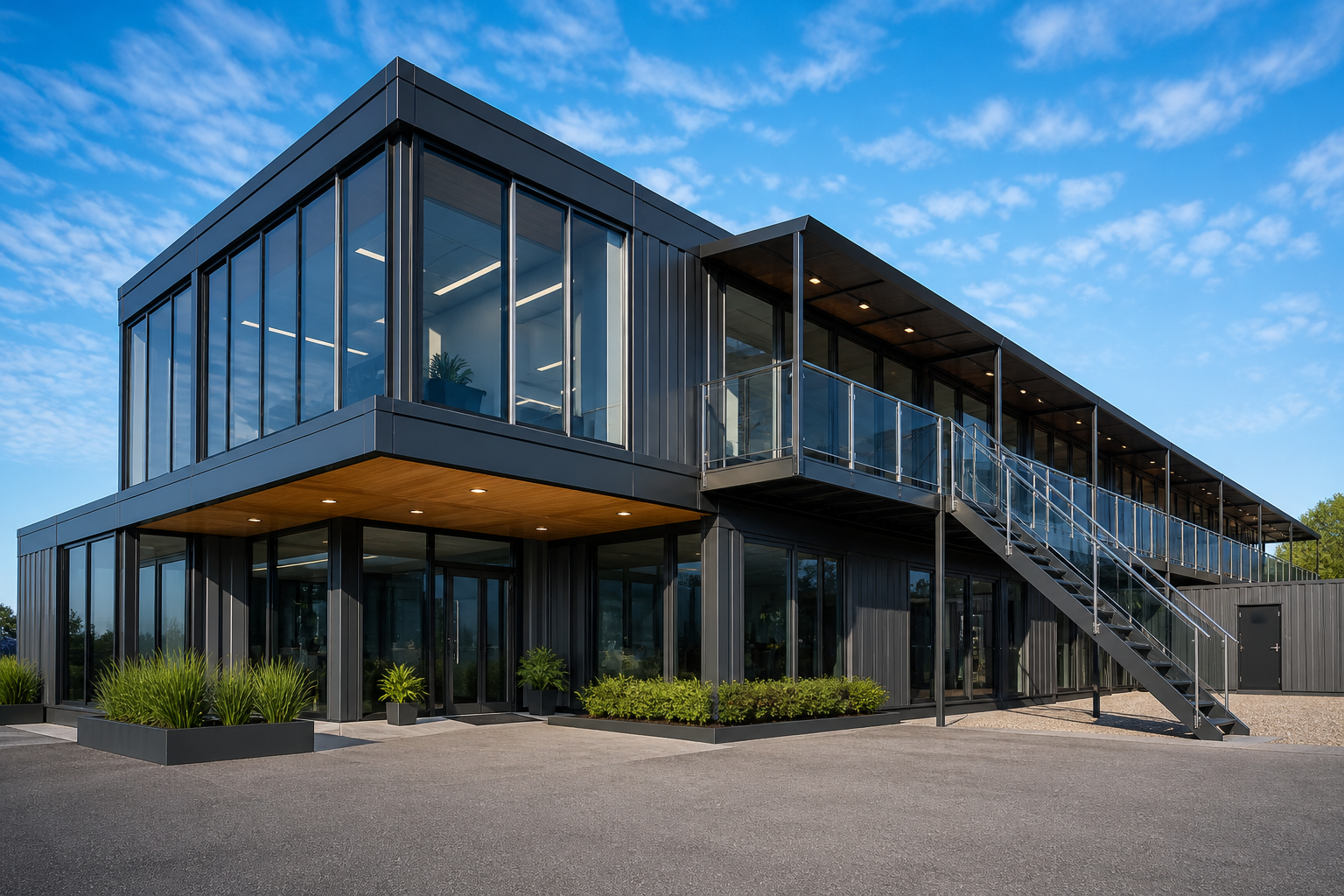 Modular Site OfficeStackable two-storey office and site headquarters units with glass curtain wall, split air conditioning and complete electrical fit-out.Stack up to 3 floorsView details →