Global Steel Structure Industry Enters New Growth Era: $202 Billion Market by 2033 as Middle East and Southeast Asia Drive Unprecedented Demand<\/h2>
By Asia Structures News Desk | July 19, 2026
SHANGHAI — The global structural steel industry is experiencing what analysts describe as a “structural super-cycle,” with demand projections climbing to $202.1 billion by 2033, according to Grand View Research’s latest market analysis. Growing at a compound annual rate of 6.7% from its $123.4 billion valuation in 2025, the sector is being propelled by a convergence of mega-infrastructure spending, decarbonization mandates, and the accelerating shift toward modular construction — particularly in the Middle East, Southeast Asia, and Africa.
“Steel is no longer just a commodity — it’s the backbone of the global energy transition and urban expansion,” said a senior analyst at a leading industry research firm. “Every major infrastructure program announced in 2026 has structural steel at its core.”
Market Fundamentals: A Sector in Acceleration
The structural steel market’s growth trajectory reflects deep structural shifts in how the world builds. The Asia Pacific region commands a dominant 69.4% revenue share as of 2025, with China remaining the single largest national consumer. But the real story in 2026 is the geographic diversification of demand — from Saudi Arabia’s Vision 2030 giga-projects to Indonesia’s new capital city Nusantara and Vietnam’s rapid industrial expansion.
Key market data points shaping the 2026 outlook:
| Metric | Value | Source |
|---|---|---|
| Global market size (2025) | $123.4 billion | Grand View Research |
| 2033 projected value | $202.1 billion | Grand View Research |
| CAGR (2026-2033) | 6.7% | Grand View Research |
| Asia Pacific revenue share | 69.4% | Grand View Research |
| Non-residential segment CAGR | 6.9% | Grand View Research |
| ASEAN steel demand (2026) | 87.9 million mt | SEAISI |
| Global crude steel output (2026 est.) | ~1,773 million mt | World Steel Association |
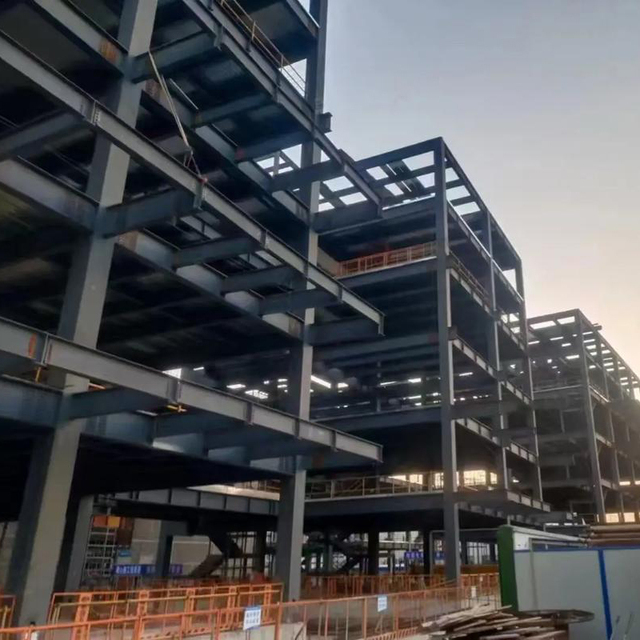
The non-residential segment — industrial facilities, commercial buildings, and infrastructure — remains the largest consumer of structural steel and is forecast to grow at 6.9% CAGR through 2033. Beams, particularly I-beams and H-beams, account for approximately 32% of product segment revenue, forming the load-bearing skeleton of virtually every modern steel-framed building.
Saudi Arabia and the Middle East: Vision 2030 Reshapes the Landscape
No single market captures the ambition of the steel structure industry quite like Saudi Arabia. The Kingdom’s Vision 2030 program has unleashed a wave of construction spending that continues to reshape global steel supply chains in 2026. The cumulative announced value of giga-projects under Vision 2030 has surpassed $1.25 trillion, with active capital deployment accelerating across multiple fronts.
The NEOM project, despite recent reports of scaling adjustments for The Line’s immediate timeline, continues to drive significant structural steel demand through its other nodes — particularly Oxagon, the floating industrial city that has been redesignated as a priority development zone. The Public Investment Fund (PIF) has committed $5 billion to AI data centers at Oxagon, each requiring substantial structural steel frameworks.
Saudi Arabia’s prefabricated building and structural steel market is being driven by several converging forces:
- Urban housing demand: The Kingdom targets 70% homeownership by 2030, requiring millions of square meters of steel-framed residential construction.
- Tourism infrastructure: Giga-projects including the Red Sea Project, Qiddiya, and Diriyah Gate rely on structural steel for hotels, entertainment venues, and support facilities.
- Industrial diversification: New manufacturing hubs and logistics zones require steel structure warehouses, factories, and distribution centers.
Saudi Arabia is expected to spend approximately 60 billion riyals ($16 billion) on contract adjustments between 2026 and 2030, with penalty payments and redesign fees reflecting the scale of ongoing construction activity. For structural steel suppliers and fabricators, the message is clear: the Middle East represents a multi-decade demand opportunity.
Market Insight: The Saudi structural steel market is projected to grow in tandem with Vision 2030 milestones. Companies with established Middle East distribution channels and compliance with Saudi building codes (SBC) hold a significant competitive advantage.
Southeast Asia: ASEAN Infrastructure Boom Reaches Tipping Point
Southeast Asia has emerged as the second major demand engine in 2026. Total apparent steel consumption across the ASEAN region reached more than 81 million metric tons in 2024 and is forecast to hit 87.9 million mt in 2026 — growth of 8.2% compared to 2024 levels, according to the South East Asia Iron and Steel Institute (SEAISI).
Vietnam leads the region with the strongest year-on-year growth, expected to expand steel demand by 6.5% in 2026 alone. The country’s structural steel fabrication market is estimated to grow at approximately 9% CAGR, driven by:
- Rapid industrialization attracting foreign direct investment
- Expansion of manufacturing parks and export processing zones
- Major infrastructure projects including the North-South Expressway and Long Thanh International Airport
- Growing adoption of prefabricated steel construction for commercial and logistics buildings
Indonesia presents a mixed but compelling picture. While the broader steel industry faces import penetration pressure in 2026, the structural steel segment benefits directly from the Nusantara capital relocation project — one of the world’s largest ongoing construction undertakings. Indonesia’s crude steel production reached 17 million mt in 2024, ranking 14th globally, but domestic production capacity is increasingly supplemented by imports of high-grade structural sections.
The Philippines, Thailand, and Malaysia are each pursuing major infrastructure programs — airports, mass transit systems, and industrial estates — that collectively represent billions of dollars in structural steel procurement opportunities over the next five years.
The Belt and Road Initiative continues to channel Chinese construction-grade steel into Southeast Asian markets, making the region both a critical export destination and a competitive battleground for steel structure suppliers worldwide.
The Green Steel Revolution: Decarbonization Becomes Non-Negotiable
Perhaps no trend is reshaping the steel structure industry more fundamentally than the push toward sustainability. In 2026, “green steel” has transitioned from a niche concept to a procurement requirement — particularly in European and North American markets where carbon border adjustment mechanisms are tightening.
Key sustainability developments in 2026:
- EU CBAM Tightening: The EU’s Carbon Border Adjustment Mechanism entered a more stringent phase on July 1, 2026, replacing previous safeguard measures with a significantly tighter import quota regime. Structural steel exporters to Europe must now provide verified carbon footprint data or face escalating tariffs.
- Circular Economy Advantages: Structural steel contains an average of 92% recycled content and is 100% recyclable without loss of mechanical properties. A structural steel beam recycled in 2026 produces approximately 70% fewer carbon emissions compared to an equivalent virgin steel product.
- Green Steel Investment Surge: Greensteel Australia announced a $500 million investment in July 2026 to build the country’s first dedicated green steel facility on a 70,000 m² site in Mayfield North — a signal that decarbonized steel production is commercially viable at scale.
- Prefabrication as Carbon Reduction: Prefabricated steel components reduce on-site construction waste by 30-50% and cut project carbon footprints by up to 30% compared to conventional concrete-heavy alternatives.
For procurement managers, the sustainability equation is increasingly straightforward: specify recycled-content structural steel, source from manufacturers with verified environmental product declarations (EPDs), and prioritize prefabricated systems that minimize on-site energy consumption.
Procurement Tip: When evaluating structural steel suppliers in 2026, ask for ISO 14001 certification, EPD documentation, and recycled content percentages. These credentials are becoming mandatory for projects seeking green building certifications such as LEED v5 and BREEAM.
AI and Robotics Transform Steel Fabrication
The integration of artificial intelligence and robotics into steel fabrication represents a paradigm shift in 2026. According to IoT Analytics’ comprehensive report, 96% of machine builders are now in some stage of AI adoption, and structural steel fabrication is no exception.
AI-driven innovations reshaping the industry:
- Automated Quality Inspection: AI vision systems now detect weld defects, surface irregularities, and dimensional deviations with accuracy rates exceeding 98%, reducing rework costs by up to 60%.
- Generative Design Optimization: AI algorithms optimize structural steel frameworks for weight, cost, and material efficiency — generating designs that reduce steel tonnage by 10-15% while maintaining structural integrity.
- Robotic Welding and Assembly: Advanced robotic systems deliver consistent weld quality with tolerances measured in microns, enabling factories to produce complex steel assemblies with fewer skilled welders — critical in an industry facing global labor shortages.
- Predictive Maintenance: Machine learning models forecast equipment failures before they occur, reducing unplanned downtime in fabrication facilities by up to 40%.
- Digital Twin Integration: Full digital replicas of steel structures enable real-time performance monitoring throughout a building’s lifecycle, from fabrication through occupancy.
These technologies are not theoretical — they are being deployed at scale in 2026. Steel fabrication facilities in China, South Korea, and Germany are leading the adoption curve, with robotic welding cells operating 24/7 and AI quality systems processing thousands of inspection points per minute.
Prefabrication: The Speed Imperative
The global shift toward prefabricated and pre-engineered steel buildings continues to accelerate. The prefabricated building and structural steel market reached $260.6 billion in 2025 and is on track to exceed $405 billion, driven by compelling economics:
- 40% faster construction: Factory-fabricated components eliminate weather delays and reduce on-site assembly time.
- 30-50% waste reduction: Precision manufacturing minimizes material waste compared to traditional on-site cutting and welding.
- Labor efficiency: With skilled construction workers in critically short supply globally, prefabrication shifts labor from job sites to controlled factory environments.
- Quality consistency: Factory-controlled conditions produce more consistent weld quality and dimensional accuracy — up to 80% fewer defects compared to field fabrication.
The prefabrication trend is particularly pronounced in data center construction, logistics warehousing, and cold storage facilities — sectors where speed-to-market directly impacts revenue. Amazon, Google, and Microsoft have each incorporated prefabricated steel systems into their 2026-2027 data center expansion plans.
Regional Opportunities: Where the Smart Money Is Going
Africa
Africa’s structural steel market is in early-stage acceleration, with key opportunities in:
- East Africa: Kenya, Tanzania, and Ethiopia are investing in transportation infrastructure and industrial parks.
- West Africa: Nigeria’s construction sector, driven by urbanization and oil-sector investment, is the region’s largest steel consumer.
- North Africa: Egypt’s New Administrative Capital and Morocco’s renewable energy infrastructure require substantial structural steel.
Central Asia and the Caucasus
The Middle Corridor trade route — connecting China to Europe via Central Asia — is driving investment in logistics hubs, rail terminals, and warehousing facilities across Kazakhstan, Uzbekistan, and Azerbaijan, creating new demand for steel structure buildings.
Latin America
Brazil, Mexico, and Colombia are seeing increased structural steel consumption for manufacturing plants, mining infrastructure, and commercial real estate, with nearshoring trends boosting Mexican industrial construction.
Price Trends and Procurement Outlook: H2 2026
Steel prices in mid-2026 present a mixed picture. Global steel demand is projected to recover by only 0.4% in 2026 to 1.81 billion mt, marking the fifth year of near-stagnation in overall crude steel consumption. However, structural steel — particularly fabricated sections — commands premium pricing due to value-added processing and strong construction-sector demand.
Key factors shaping structural steel pricing in H2 2026:
- EU import quotas tightening from July 2026, potentially redirecting Asian steel exports to other markets
- U.S. raw steel capacity utilization hovering near 80%, with construction demand supporting elevated long-product prices
- Chinese structural steel prices remaining competitive due to domestic overcapacity, creating favorable conditions for international buyers
- Scrap steel prices trending upward as electric arc furnace (EAF) capacity expands globally
For procurement managers, the window for locking in favorable structural steel pricing may narrow through late 2026 as infrastructure spending accelerates across multiple regions simultaneously. Forward contracting with established suppliers — particularly those offering design-engineering-fabrication integrated services — provides the best price stability.
What This Means for Industry Stakeholders
For Building Owners and Developers: The current market environment favors early engagement with structural steel suppliers. Lead times for custom-fabricated sections are extending, and price advantages accrue to those who contract before demand peaks converge across regions.
For Architects and Engineers: The expanding capabilities of AI-driven design optimization and the growing availability of high-strength steel grades (up to 690 MPa yield strength) are enabling more ambitious structural designs. Familiarity with these advanced materials and digital tools is becoming a competitive differentiator.
For Contractors: Prefabrication and modular steel systems represent the clearest path to mitigating labor shortages while maintaining project schedules. Investment in installation equipment and training for prefabricated system assembly should be a 2026-2027 priority.
For Steel Fabricators: The convergence of AI, robotics, and sustainability requirements demands capital investment. Fabricators who modernize their facilities now — particularly in emerging markets — will capture disproportionate market share as regional demand accelerates.
Conclusion: A Defining Decade for Structural Steel
The structural steel industry stands at the intersection of mega-trends that will define global construction for decades: urbanization, decarbonization, digitalization, and the reconfiguration of global supply chains. The $202 billion market projected for 2033 is not merely a number — it represents millions of tons of steel forming the skeleton of tomorrow’s cities, factories, bridges, and energy infrastructure.
For stakeholders across the value chain — from raw material suppliers to design engineers to end-users — the imperative is clear: invest in sustainability, embrace digital transformation, and position for growth in the markets that matter most. The Middle East, Southeast Asia, and Africa are not emerging markets — they are now markets, and the structural steel industry is responding accordingly.
Keywords Index
Steel structure, structural steel market, prefabricated steel building, steel structure warehouse, steel structure workshop, steel fabrication, green steel, sustainable construction, modular construction, Saudi Arabia Vision 2030, NEOM project, ASEAN steel demand, Vietnam steel market, Indonesia infrastructure, structural steel beams, H-beam, I-beam, steel frame building, pre-engineered building, PEB, steel structure price, steel procurement, carbon border adjustment mechanism, CBAM, recycled steel content, AI steel fabrication, robotic welding, digital twin construction, Middle East construction, Southeast Asia infrastructure, Africa steel market, steel structure supplier, steel structure manufacturer
This article was prepared by the Asia Structures editorial team using data from Grand View Research, SEAISI, World Steel Association, OECD Steel Outlook 2026, and industry sources. For inquiries about structural steel procurement or project consultation, contact our team.
Recommended Steel Section & Profile Solutions
Mill-certified sections with full size charts, weight tables and cut-to-length service.
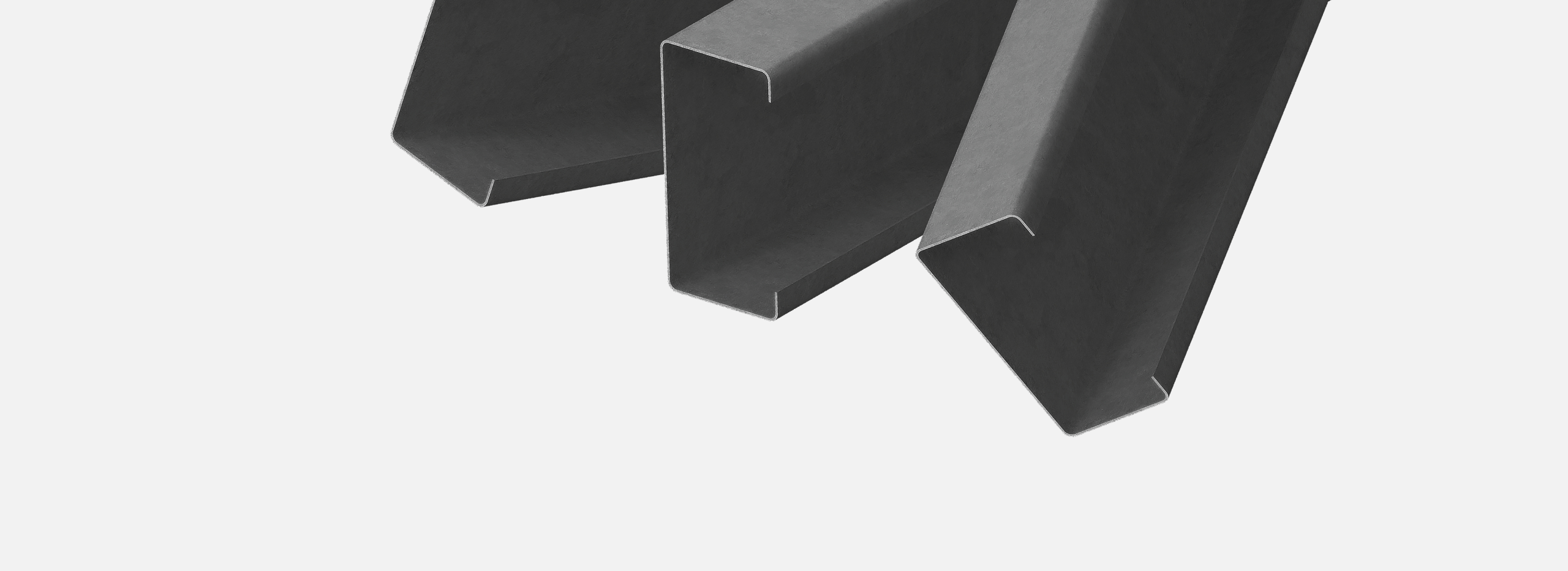 C & Z Purlin SystemsCold-formed C and Z purlins from 1.5 mm to 3.0 mm, galvanised to Z275. Complete roof and wall package with cladding and accessories.Full size & weight chartView details →Buyer Guide
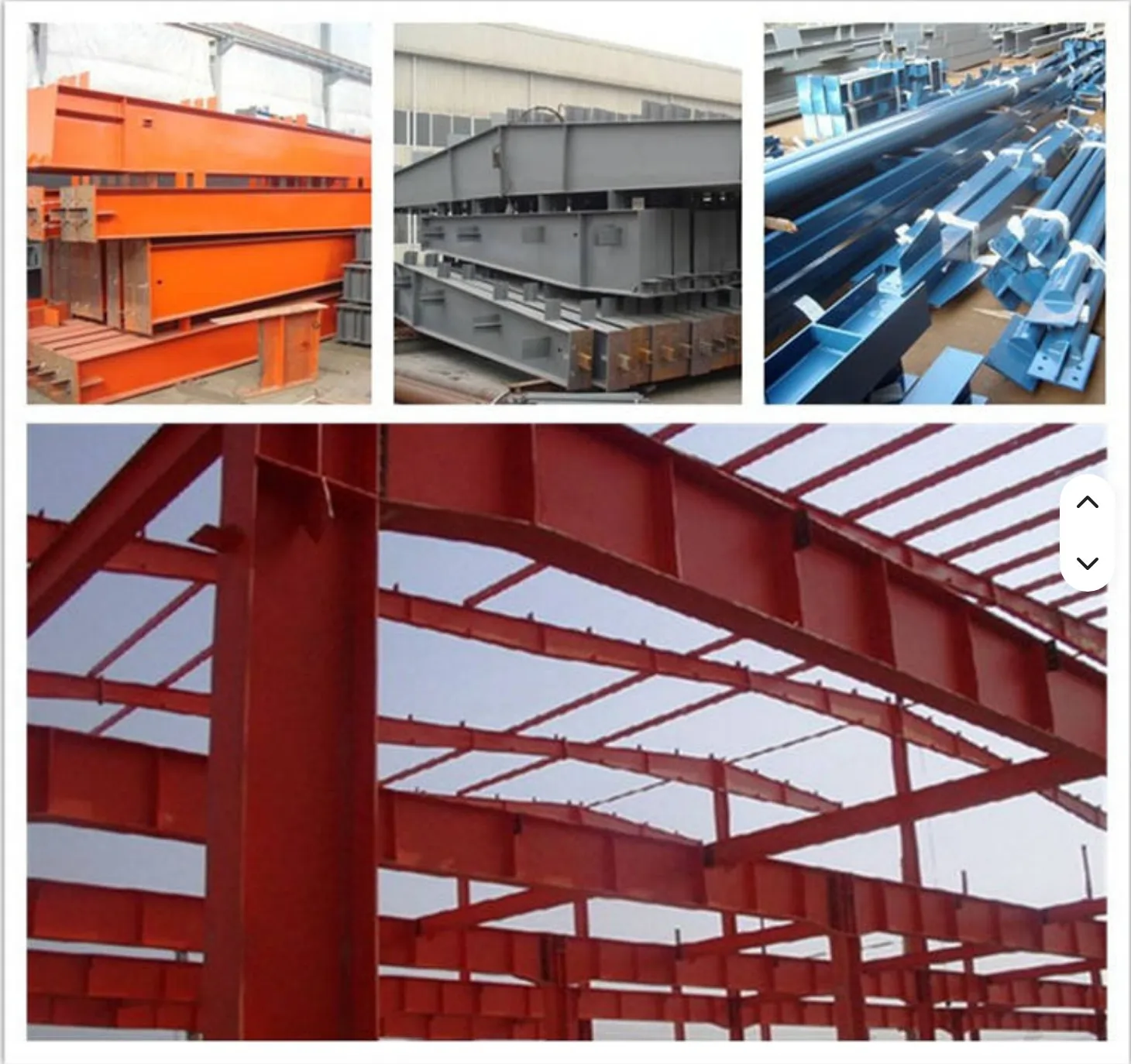 Steel Section Selection GuideCompare H-beam, I-beam, channel, angle, hollow section and sheet pile side by side: dimensions, weight per metre and the right application for each.Specs, weights, tolerancesView details →Hollow Section
 Square & Rectangular TubeSHS and RHS from 20x20 mm up to 400x400 mm, wall 1.5 mm to 20 mm, EN 10219 and ASTM A500. Pre-galvanised and cut-to-length options.EN 10219 / ASTM A500View details →Foundation
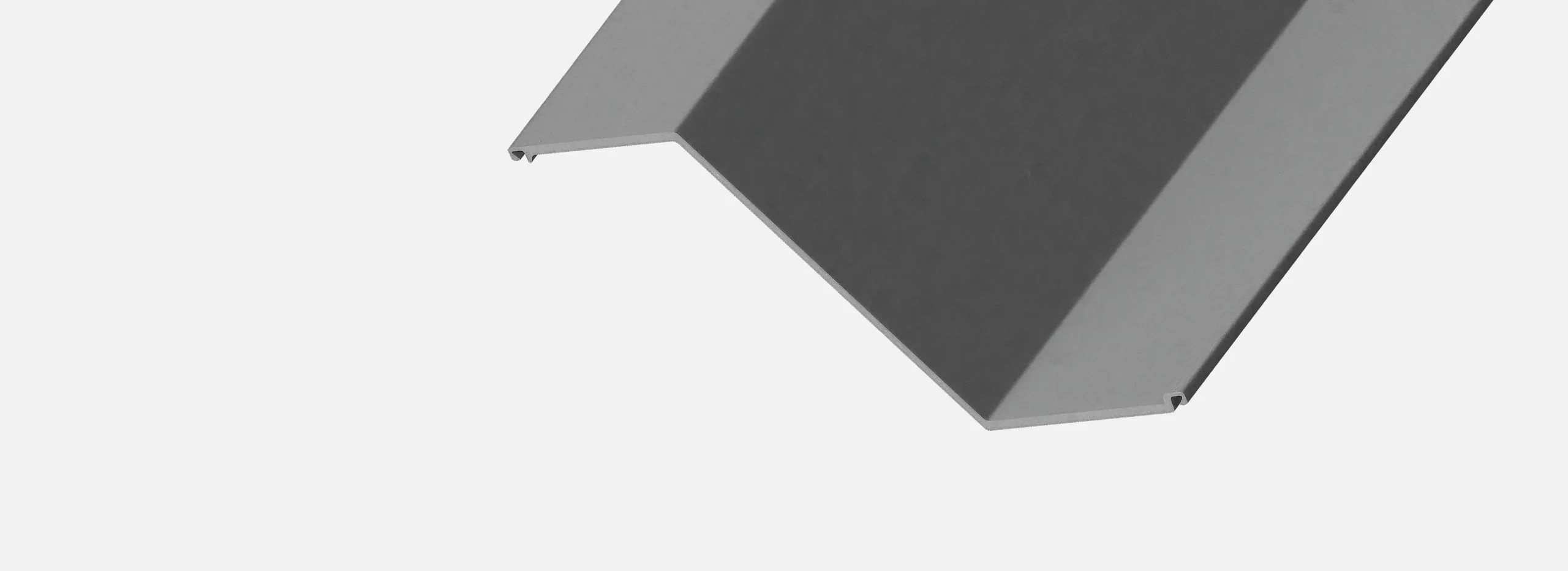 Steel Sheet Piles (Z & U)Z-type and U-type sheet piles for retaining walls, cofferdams and port works. Mill test certificates and third-party inspection available.Z-type & U-type in stockView details →