Lipped Channels: Sizes, Weight Chart, Prices & Specifications for Industrial Buildings<\/h2>
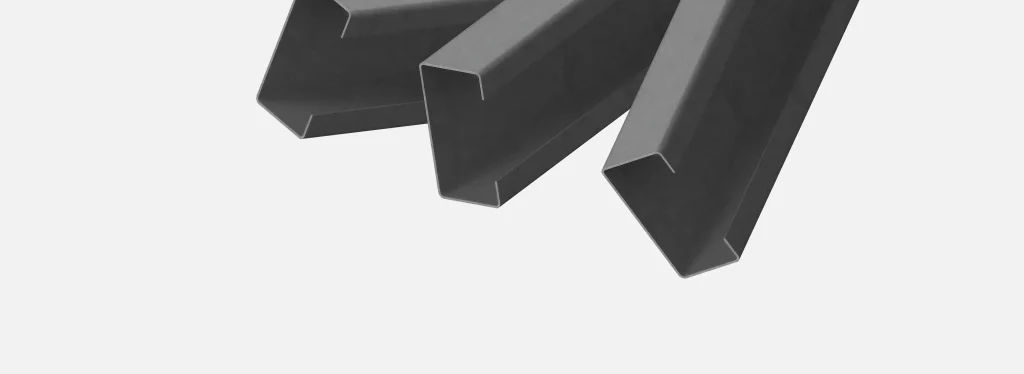
Lipped channels are cold-formed steel C-shaped sections with short inward-turned lips on the ends of the flanges. The lips stiffen the section against local buckling, which lets a lipped channel carry noticeably more load than a plain channel of the same gauge. Lipped channels are used as roof purlins, wall girts, studs, joists, and framing members in warehouses, factories, pre-engineered buildings, and light steel structures. This page is the complete buying reference from Sino East Steel Group — a direct steel structure manufacturer in Tianjin, China: lipped channel sizes, lipped channel weight per metre, material and galvanizing options, 2026 FOB prices, and the exact way to order for your project.
1. What Is a Lipped Channel?
A lipped channel is a cold-rolled, C-section steel member with two stiffening lips turned inward at the ends of the flanges. In cross-section it looks like a C or a “lipped C”. The lips are the defining feature: they delay local buckling of the compression flange and web, raising the section’s load capacity and stiffness compared with a plain channel of identical depth, width, and thickness.
Lipped channels are roll formed from galvanized or cold-rolled steel strip, then punched with oval or round holes to accept bolts, screws, and cladding fixings. They are manufactured to international standards including EN 10162, JIS G 3350, ASTM A1003, and GB/T 6723. Because they are produced in continuous rolls, lengths are limited only by transport: 6 m, 9 m, and 12 m are standard, with longer pieces available for special projects.
2. Lipped Channel vs Plain Channel: Which One Do You Need?
| Comparison | Lipped Channel | Plain Channel |
|---|---|---|
| Cross-section | C-section with inward lips at flange ends | C/U-section without lips |
| Local buckling resistance | Higher — lips stiffen flanges and web | Lower; limited by flange slenderness |
| Load capacity | Higher for the same gauge; longer spans | Lower; suits lighter duty |
| Best for | Purlins, girts, studs, joists, racking | Light framing, brackets, tie members |
| Cost | Slightly higher per metre (more material) | Cheapest profile per metre |
| Typical use | Secondary steelwork, cold-formed frames | Light channels, non-structural trims |
For most structural secondary members, the extra material in the lips pays for itself through higher capacity per kilogram of steel. See our plain channels page for the lighter-duty alternative, and our C purlin page for the closely related cee section used in purlin runs.
3. Lipped Channel Sizes & Dimensions
Standard lipped channel sizes cover section depths from 50 mm to 300 mm. The table below lists common profiles with their flange and lip dimensions. Custom sizes and lengths are produced to order — our roll forming line adjusts to any profile within the capacity of the coil width.
| Section (mm) | Depth × Flange × Lip | Typical Thickness | Common Lengths |
|---|---|---|---|
| L50 | 50 × 25 × 10 | 1.5–2.0 mm | 6 / 9 / 12 m |
| L60 | 60 × 30 × 10 | 1.5–2.0 mm | 6 / 9 / 12 m |
| L75 | 75 × 40 × 10 | 1.5–2.0 mm | 6 / 9 / 12 m |
| L100 | 100 × 50 × 15 | 1.5–2.5 mm | 6 / 9 / 12 m |
| L120 | 120 × 50 × 15 | 1.5–2.5 mm | 6 / 9 / 12 m |
| L140 | 140 × 50 × 15 | 1.5–2.5 mm | 6 / 9 / 12 m |
| L150 | 150 × 60 × 15 | 1.8–2.5 mm | 6 / 9 / 12 m |
| L160 | 160 × 60 × 15 | 1.8–2.5 mm | 6 / 9 / 12 m |
| L180 | 180 × 70 × 18 | 2.0–3.0 mm | 6 / 9 / 12 m |
| L200 | 200 × 70 × 18 | 2.0–3.0 mm | 6 / 9 / 12 m |
| L220 | 220 × 75 × 18 | 2.0–3.0 mm | 6 / 9 / 12 m |
| L250 | 250 × 75 × 20 | 2.5–3.0 mm | 6 / 9 / 12 m |
| L300 | 300 × 80 × 20 | 2.5–3.0 mm | 6 / 9 / 12 m |
Dimension tolerances follow EN 10162 and GB/T 6723: depth ±2 mm, flange width ±2 mm, lip ±1.5 mm, thickness per coil tolerance, and straightness within 1/500 of length. When you specify a lipped channel, quote the depth first (web), then the flange width, then the lip, then the thickness — for example L150 × 60 × 15 × 2.0 mm. For a size not listed, send your drawing and our tooling team will confirm the profile and lead time.
4. Lipped Channel Weight Chart (kg per metre)
Indicative weights for common galvanized lipped channel sections (calculated per GB/T 6723, ±5%):
| Section | 1.5 mm | 2.0 mm | 2.5 mm | 3.0 mm |
|---|---|---|---|---|
| L100 × 50 × 15 | 2.7 kg/m | 3.5 kg/m | — | — |
| L120 × 50 × 15 | 2.9 kg/m | 3.8 kg/m | — | — |
| L140 × 50 × 15 | 3.1 kg/m | 4.1 kg/m | 5.2 kg/m | — |
| L150 × 60 × 15 | — | 4.6 kg/m | 5.7 kg/m | — |
| L160 × 60 × 15 | — | 4.7 kg/m | 5.9 kg/m | — |
| L180 × 70 × 18 | — | 5.4 kg/m | 6.8 kg/m | 8.1 kg/m |
| L200 × 70 × 18 | — | 5.7 kg/m | 7.2 kg/m | 8.6 kg/m |
| L220 × 75 × 18 | — | — | 7.7 kg/m | 9.3 kg/m |
| L250 × 75 × 20 | — | — | 8.4 kg/m | 10.1 kg/m |
| L300 × 80 × 20 | — | — | 9.5 kg/m | 11.4 kg/m |
Use the lipped channel weight chart to estimate freight and steel tonnage for your quotation: a 40 ft container holds roughly 22–25 tonnes of nested lipped channels, typically covering 1,500–2,500 m of sections depending on profile. Multiply the per-metre weight by your total length to get net tonnage, then add 2–3% for punching waste, end cuts, and packaging.
5. Material Grades & Corrosion Protection
| Option | Specification | Best For |
|---|---|---|
| Structural steel | Q235B / S235JR — yield 235 MPa | Dry internal environments |
| High-strength steel | Q355B / S355JR / S450–S550 (cold forming) | Long spans, heavy loads |
| Galvanized (pre-painted coil) | Z180 / Z275 / Z350 / Z450 g/m² per EN 10346 | Corrosive atmospheres, coastal sites |
| Hot-dip galvanized (after forming) | HDG 70–85 µm (ISO 1461) | Aggressive coastal / industrial exposure |
| Paint coating | Polyester / PVDF topcoat, optional | Architectural color matching |
For warehouse and factory projects in humid or coastal regions — including much of Africa, the Middle East, and Southeast Asia — specify at least Z275 galvanizing. Our mill test certificates (EN 10204 3.1) accompany every batch, and we can add pre-painted finishes where the channels remain visible.
6. Lipped Channel Prices in 2026 (FOB China)
Indicative export pricing from our Tianjin factory (FOB, 2026):
| Product | Indicative Price | MOQ |
|---|---|---|
| Galvanized lipped channel (Z275, standard sections) | USD 780–980 per tonne FOB | 5 tonnes (mix sizes OK) |
| High-strength / thick sections (2.5–3.0 mm) | USD 820–1,050 per tonne FOB | 5 tonnes |
| Hot-dip galvanized lipped channel (HDG) | USD 950–1,200 per tonne FOB | 10 tonnes |
| Punching / custom length / drilling | Included or nominal charge | — |
Prices move with global steel coil markets and exchange rates, so treat these as planning ranges. For a firm quotation send your sections, quantities, and destination port to paul@sinoeaststeel.com. To estimate the full landed cost of a steel building in your market, see our Kenya, Nigeria, and UAE cost guides.
7. Lipped Channel Applications
- Roof purlins and wall girts — spanning between rafters and columns; typical spacing 1.2–1.5 m.
- Light steel framing (LSF) — wall studs and floor joists in modular and panelized buildings.
- Pre-engineered buildings (PEB) — secondary members where the higher stiffness of the lipped section trims steel tonnage.
- Mezzanines, platforms, and stairs — joists, stringers, and edge members.
- Racking and storage systems — uprights and beams in pallet racking.
- Solar mounting structures — rail supports and purlins for rooftop and ground-mount PV.
Related cold-formed profiles we manufacture: C Purlin, Plain Channels, Hat Channels, Z Section Steel, U Channels, and UPN Channels. For the full range of steel structure products — PEB, warehouses, and heavy steel — start from our product catalogue.
8. Why Buy Lipped Channels Direct from Sino East Steel Group
Sino East Steel Group is a direct China steel structure manufacturer, not a trader. Since 1993 we have operated a 50,000 m² fabrication facility in Tianjin Industrial Park, Daqiuzhuang — China’s largest steel processing hub — with our own cold roll forming lines, CNC punching, and hot-dip galvanizing capacity.
- Factory-direct pricing — no middleman; 20–40% below regional re-seller prices.
- Certified quality — ISO 9001:2015, ISO 3834-2, EN 1090 EXC3/EXC4, AWS D1.1; mill test certificates on every batch.
- Custom profiles and punching — holes, slots, and lengths to your shop drawings.
- Export documentation — invoice, packing list, certificate of origin, EN 10204 3.1 certificates for smooth clearance.
- 100,000+ tonnes annual capacity — standard sections ship in 1–2 weeks; custom profiles in 3–4 weeks.
Before committing to any factory, use our manufacturer verification checklist — we welcome third-party inspection at any stage.
9. How to Order Lipped Channels from China
- Send your section size (or drawing), length, quantity, and destination port.
- Receive an itemized quotation within 24–48 hours (FOB/CIF).
- Approve the shop drawing and punching pattern.
- We fabricate and test (SGS/BV/TÜV inspection optional).
- We ship FCL from Tianjin with full export documentation.
For complete projects — purlins plus primary steel — see our procurement guide for importers.
10. Lipped Channel Span & Spacing Guide
Span and spacing depend on section size, steel grade, and local wind/snow loads — always confirm with structural calculations. As a planning reference for lipped channels used as roof purlins with 1.2–1.5 m spacing and light cladding:
| Section | Typical Single Span | Typical Continuous (spliced) Span |
|---|---|---|
| L140 × 50 × 15 × 2.0 | 3.0–4.0 m | 4.5–5.5 m |
| L160 × 60 × 15 × 2.0 | 3.5–4.5 m | 5.0–6.0 m |
| L200 × 70 × 18 × 2.0 | 4.5–5.5 m | 6.0–7.0 m |
| L250 × 75 × 20 × 2.5 | 5.0–6.5 m | 7.0–8.5 m |
| L300 × 80 × 20 × 3.0 | 6.0–7.5 m | 8.0–9.5 m |
Because the lips suppress local buckling, lipped channels typically span 10–15% further than a plain channel of the same depth and gauge. Our engineers can produce a full purlin schedule and connection detail for your frame free of charge when you request a quotation.
11. Packing, Shipping & Delivery
Lipped channels are stacked and nested into compact bundles, strapped with steel bands, and loaded into 40 ft containers or break-bulk holds at Tianjin Port. Each bundle carries a mark tag with your project name, section, and length for easy site sorting. Standard export documentation — commercial invoice, packing list, bill of lading, certificate of origin, and EN 10204 3.1 mill test certificates — is provided with every shipment.
Typical transit times: 3–4 weeks to the Middle East (Jebel Ali), 4–6 weeks to East and West Africa (Mombasa, Lagos), 4–5 weeks to Europe, and 3–5 weeks to North America. For full-project shipping details, read our international shipping and installation guide.
12. Lipped Channel FAQ
Q: What is the difference between a lipped channel and a plain channel?
A: A lipped channel has short inward-turned lips at the flange ends, which resist local buckling and raise load capacity; a plain channel has no lips and is lighter and cheaper but carries less for the same gauge.
Q: What sizes do lipped channels come in?
A: Standard depths range from 50 mm to 300 mm with flange widths of 25–80 mm, lips of 10–20 mm, thicknesses from 1.5 mm to 3.0 mm, and lengths up to 12 m (custom lengths available).
Q: How much does a lipped channel cost?
A: In 2026, galvanized lipped channels run roughly USD 780–980 per tonne FOB China; hot-dip galvanized sections USD 950–1,200 per tonne. Freight and duty vary by destination.
Q: What is the weight of a lipped channel per metre?
A: For example, an L160×60×15×2.0 mm section weighs about 4.7 kg/m; an L250×75×20×2.5 mm section about 8.4 kg/m. Use our weight chart above for planning.
Q: Are lipped channels galvanized?
A: Yes — we supply Z180 to Z450 galvanized channels per EN 10346, or fully hot-dip galvanized (HDG 70–85 µm) sections for coastal and aggressive environments.
Q: What is the standard for lipped channels?
A: Common standards are EN 10162, JIS G 3350, ASTM A1003, and GB/T 6723. Our production and tolerances comply with all four.
Q: Can you make custom lipped channel profiles?
A: Yes. Our roll forming line produces custom depths, flange widths, lips, holes, and lengths to your shop drawings, with 3–4 weeks tooling and production lead time.
Q: What is the recommended spacing for lipped channels?
A: For roof purlins with light cladding (0.5 mm sheet or sandwich panel), the standard spacing is 1.2–1.5 m; heavier or insulated panels may require 1.0–1.2 m. Wall girt spacing is typically 1.2–1.5 m depending on panel spanning capacity and wind zone.
Q: How do I get a lipped channel quotation?
A: Email your section size, length, quantity, and destination port to paul@sinoeaststeel.com or message us on WhatsApp — you will receive an itemized FOB/CIF quotation within 48 hours.
Get a Lipped Channel Quote — Direct from the Factory
Send your sections, lengths, and quantities for an itemized FOB/CIF quotation within 48 hours.
Email: paul@sinoeaststeel.com | WhatsApp: +86 186 2208 8833
Recommended Steel Section & Profile Solutions
Mill-certified sections with full size charts, weight tables and cut-to-length service.
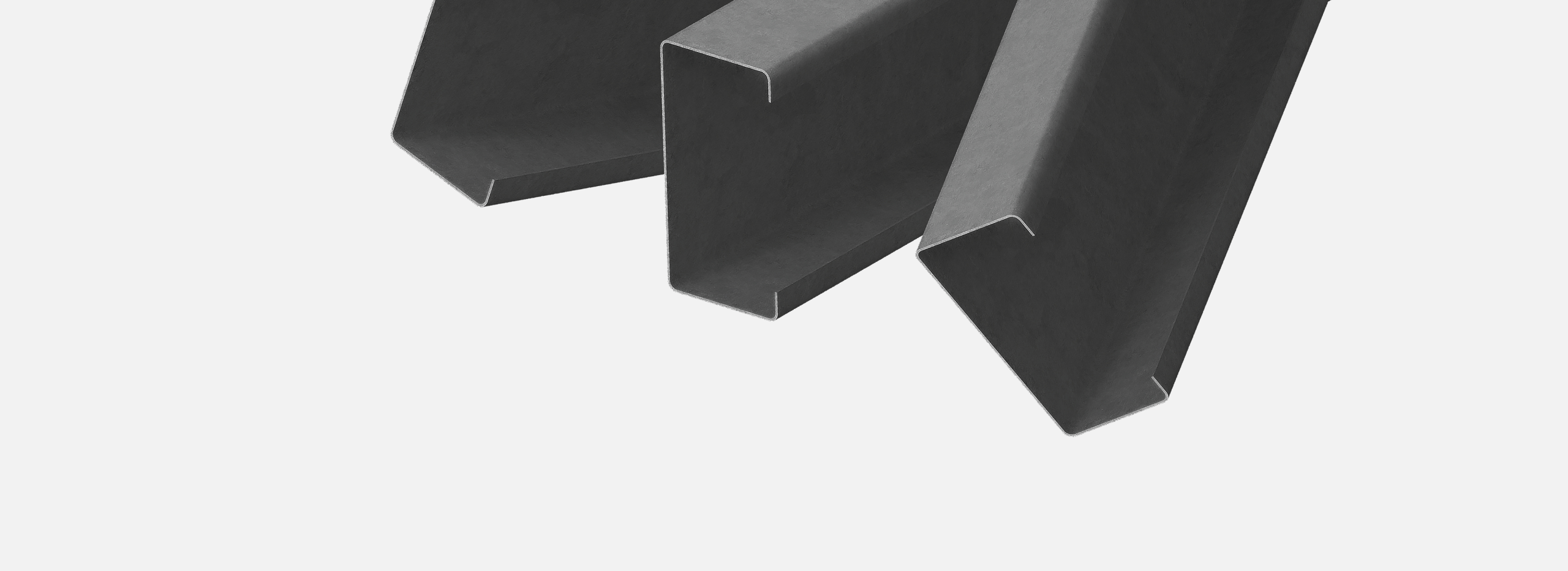 C & Z Purlin SystemsCold-formed C and Z purlins from 1.5 mm to 3.0 mm, galvanised to Z275. Complete roof and wall package with cladding and accessories.Full size & weight chartView details →Buyer Guide
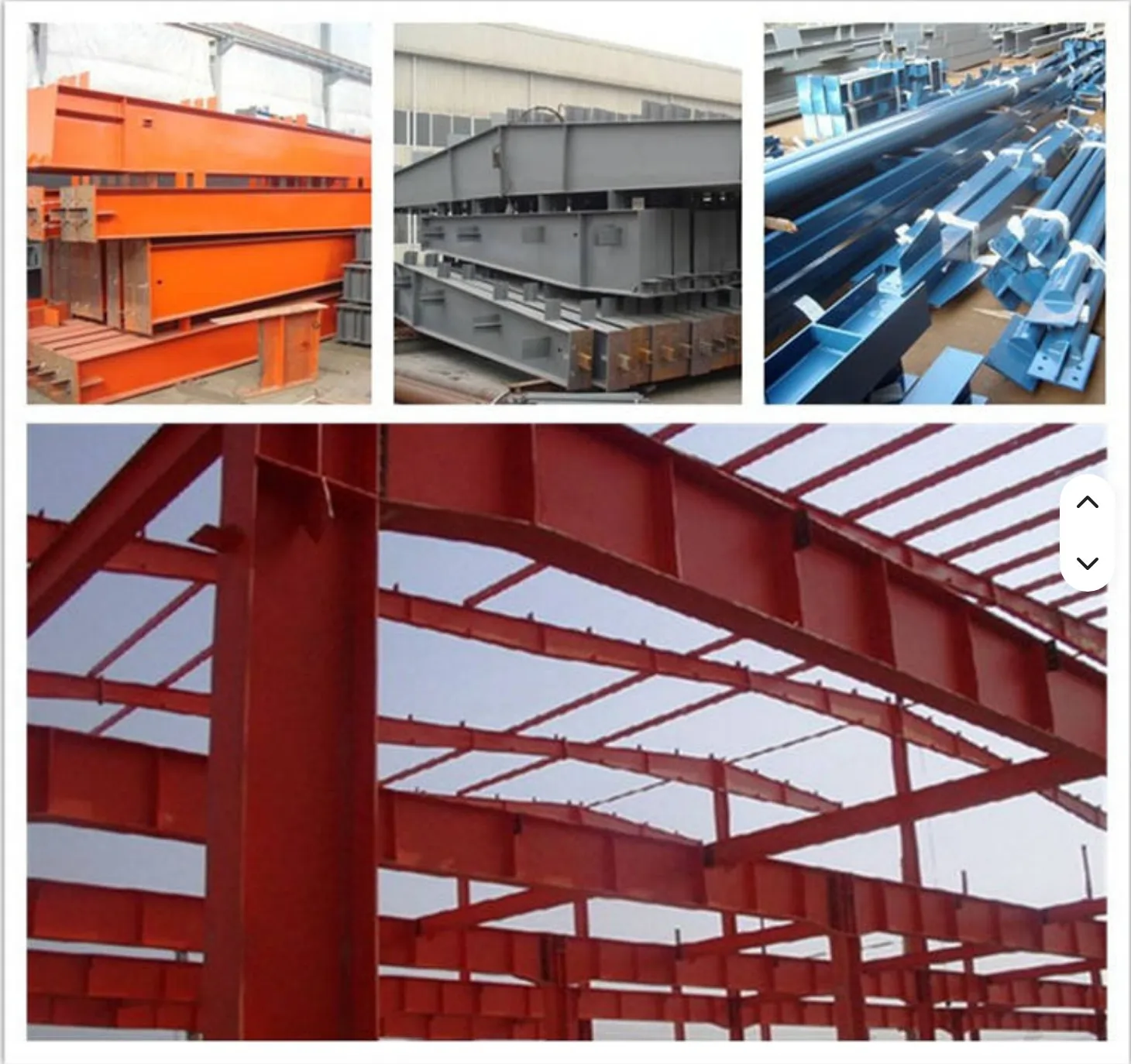 Steel Section Selection GuideCompare H-beam, I-beam, channel, angle, hollow section and sheet pile side by side: dimensions, weight per metre and the right application for each.Specs, weights, tolerancesView details →Hollow Section
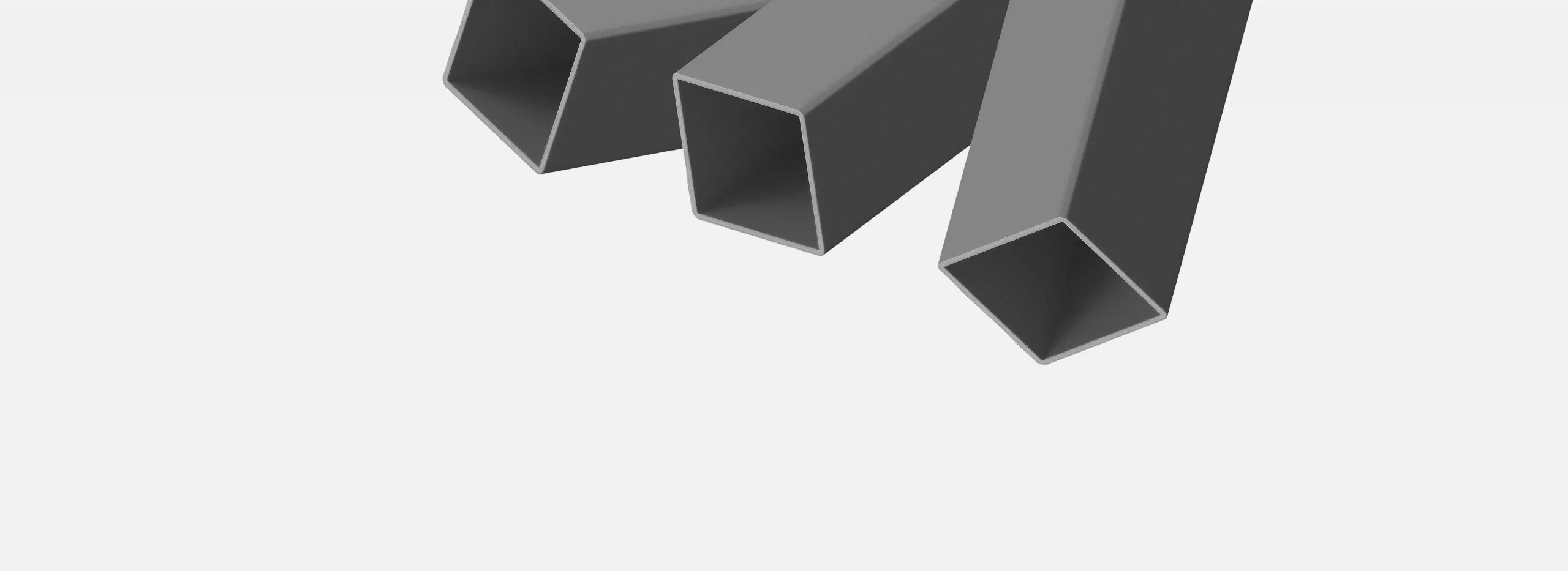 Square & Rectangular TubeSHS and RHS from 20x20 mm up to 400x400 mm, wall 1.5 mm to 20 mm, EN 10219 and ASTM A500. Pre-galvanised and cut-to-length options.EN 10219 / ASTM A500View details →Foundation
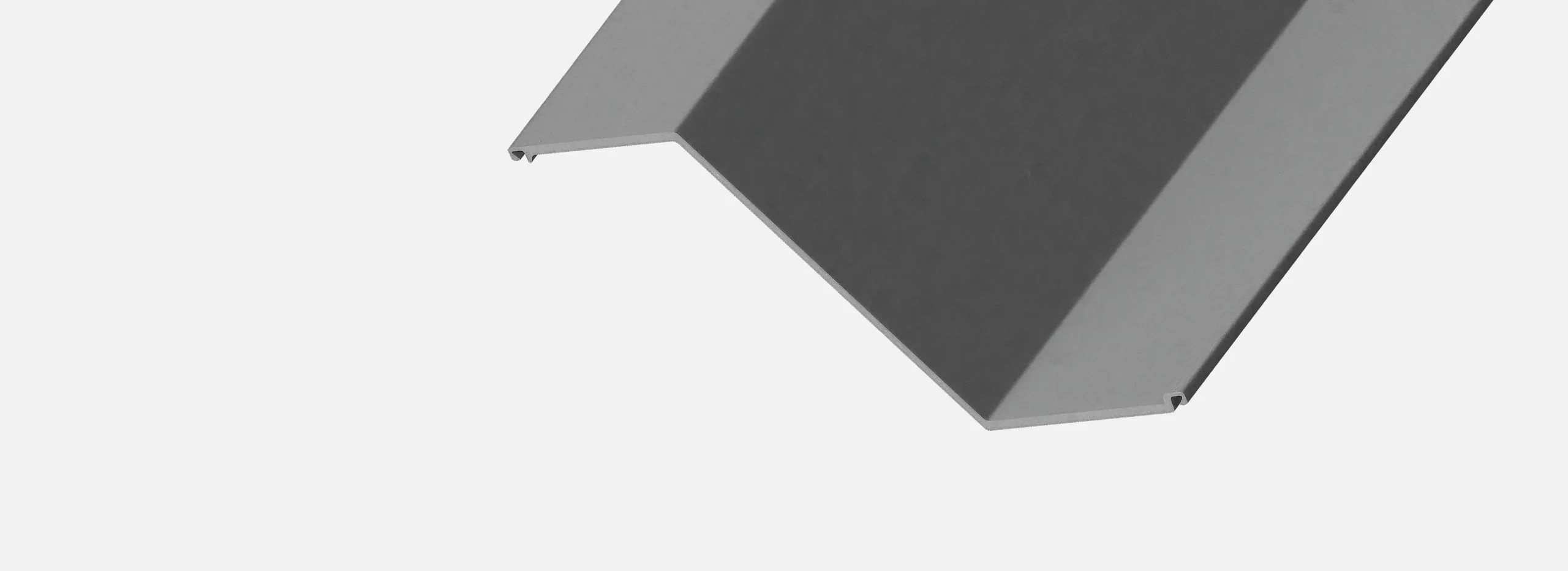 Steel Sheet Piles (Z & U)Z-type and U-type sheet piles for retaining walls, cofferdams and port works. Mill test certificates and third-party inspection available.Z-type & U-type in stockView details →