
By Sino East Steel Group | July 5, 2026
The global steel structure industry is entering a transformative era. With the structural steel market valued at $123.4 billion in 2025 and projected to reach $202.1 billion by 2033 at a CAGR of 6.7% (Grand View Research), demand for prefabricated steel structures, steel frame buildings, and light steel structure solutions continues to accelerate across industrial, commercial, and infrastructure sectors.

1. The Global Steel Structure Market: A Snapshot of Unprecedented Growth
According to the OECD Steel Outlook 2026, global steel demand is projected to reach 1.8 billion metric tonnes in 2026, recovering from a 2.6% contraction in 2025. The steel structure building segment — encompassing steel structure warehouses, steel structure workshops, steel structure factories, and commercial complexes — accounts for a significant share of this consumption.
Several macro trends are driving this growth:
- Urbanization in developing economies — Rapid city expansion in Africa, Southeast Asia, and South America requires fast, cost-effective construction methods.
- Infrastructure investment — Governments worldwide are funding transportation, energy, and public facilities — all of which rely on industrial steel structures.
- Industrial expansion — E-commerce logistics, manufacturing hubs, and data centers are fueling demand for steel structure warehouse and steel frame building solutions.
The prefabricated buildings market alone is projected to reach $190.73 billion in 2026, growing at a CAGR of 7.4%, signaling a major shift toward modular and off-site construction.
2. What Is a Steel Structure? Understanding the Fundamentals
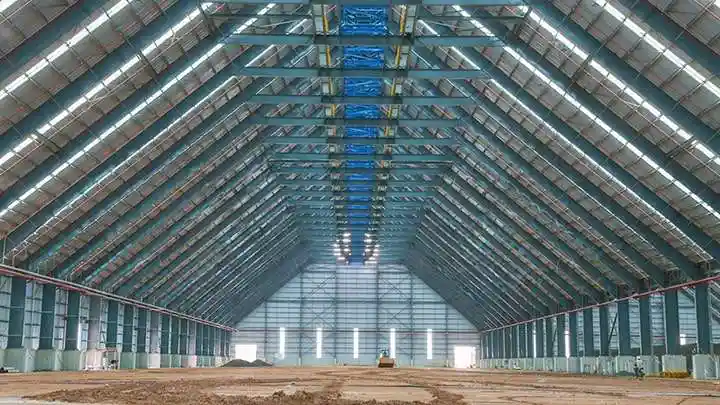
A steel structure is a construction framework composed of steel components — including columns, beams, trusses, and bracing systems — connected through welding, bolting, or riveting. Unlike traditional concrete structures, steel frame buildings offer superior strength-to-weight ratios, design flexibility, and faster construction timelines.
Key Components of a Steel Structure Building
| Component | Function |
|---|---|
| Steel Columns | Primary vertical load-bearing members |
| Steel Beams | Horizontal load-bearing members transferring loads to columns |
| Trusses & Girders | Span large distances in roofs and bridges |
| Bracing Systems | Lateral stability against wind and seismic forces |
| Purlins & Girts | Secondary framing for roof and wall panel attachment |
| Connection Elements | High-strength bolts, welds, and base plates |
Types of Steel Structures
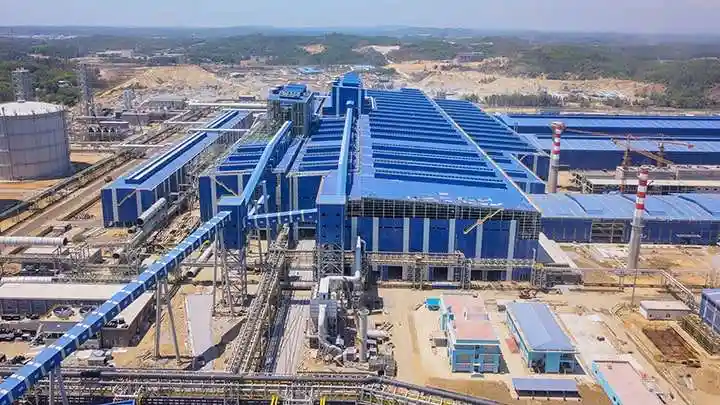
- Pre-Engineered Buildings (PEB) — Factory-designed, fabricated, and assembled on-site; ideal for warehouses, factories, and commercial buildings.
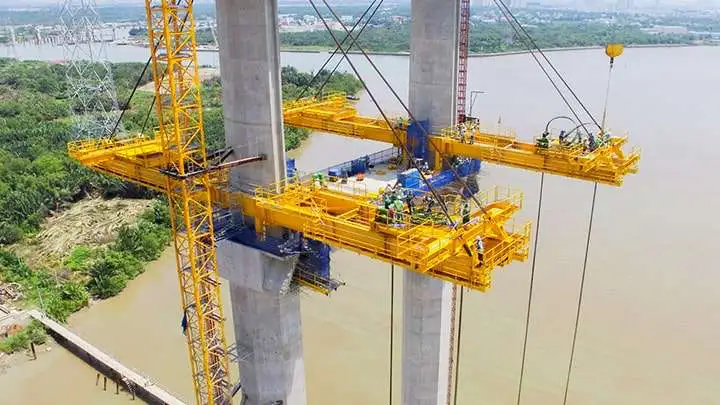
- Heavy Steel Structures — Multi-story buildings, bridges, stadiums, and industrial plants requiring high load capacity.
- Light Steel Structures — Residential, low-rise commercial, and agricultural buildings using cold-formed thin-gauge steel.
- Space Frame Structures — Three-dimensional truss systems for large-span roofs like airports and exhibition halls.
3. Advantages of Steel Structure Buildings: Why the Industry Is Switching
3.1 Speed of Construction
Prefabricated steel structures are manufactured off-site under controlled conditions while foundation work proceeds simultaneously. This parallel workflow can reduce total project timelines by 30–50% compared to traditional concrete construction. For businesses launching new warehouses or production facilities, this time-to-market advantage translates directly into competitive edge.
3.2 Cost-Effectiveness
While the initial steel structure cost per square meter varies by design complexity and location, the total lifecycle cost is often lower than concrete alternatives. Factors contributing to cost savings include:
- Reduced labor costs due to faster assembly
- Minimal on-site waste (less than 2% vs. 10–15% for concrete)
- Lower foundation costs due to lighter structural weight
- Predictable material pricing with fewer change orders
3.3 Design Flexibility
Steel’s high strength-to-weight ratio enables architects to create large clear spans up to 90 meters without intermediate columns, complex geometries, and adaptable floor plans. This is particularly valuable for steel structure warehouses requiring column-free storage space and steel structure factories needing flexible production layouts.
3.4 Durability and Longevity
A properly designed and maintained steel structure building can last 50–100 years. Modern corrosion protection — including hot-dip galvanizing, epoxy coatings, and weathering steel (Corten) — ensures excellent performance even in harsh industrial and coastal environments.
3.5 Sustainability and Recyclability
Steel is the world’s most recycled material. Structural steel contains an average of 93% recycled content, and at the end of a building’s life, nearly 100% of the steel can be recycled into new products without loss of quality. The steel industry has also reduced its carbon footprint by approximately 35% per ton of steel over the past three decades, with green steel initiatives using hydrogen-based direct reduction promising further decarbonization.
3.6 Seismic Performance
Steel’s inherent ductility makes it the material of choice in earthquake-prone regions. Steel structures can absorb and dissipate seismic energy through controlled plastic deformation, providing life-safety protection that rigid concrete structures cannot match.
4. Key Trends Shaping the Steel Structure Industry in 2026
4.1 Green Steel and Sustainable Construction
The push toward carbon neutrality is transforming steel production. Leading manufacturers are adopting Electric Arc Furnace (EAF) technology, which produces up to 75% less CO₂ than traditional blast furnaces. The European Union’s Carbon Border Adjustment Mechanism (CBAM) and similar regulations are accelerating the adoption of low-carbon structural steel.
For construction companies, specifying sustainable steel structure materials is increasingly important for LEED, BREEAM, and other green building certifications. Steel’s recyclability and the industry’s decarbonization trajectory position it as the most sustainable structural material for long-term building assets.
4.2 BIM and Digital Twin Integration
Building Information Modeling (BIM) has evolved from 3D modeling into a comprehensive digital ecosystem. In 2026, steel structure design workflows routinely incorporate:
- 4D BIM — linking 3D models with construction schedules for real-time progress tracking
- 5D BIM — integrating cost data for automated quantity takeoffs and budget forecasting
- Digital Twins — live digital replicas that monitor structural performance, predict maintenance needs, and optimize energy consumption throughout the building’s lifecycle
4.3 AI and Automation in Steel Fabrication
Artificial Intelligence is revolutionizing steel structure fabrication. Automated CNC cutting, robotic welding, and AI-driven quality inspection systems have reduced fabrication errors by up to 60% while increasing throughput by 25–40%. Machine learning algorithms now optimize material nesting, minimizing waste and lowering per-ton fabrication costs.
4.4 Modular and Prefabricated Construction
The shift toward prefabricated steel structures represents the most significant productivity gain in construction in decades. Modular construction — where complete building sections (modules) are fabricated off-site and assembled on-site — can reduce construction time by 50–70% and on-site labor requirements by 30–50%.
4.5 Cold-Formed Steel for Mid-Rise Buildings
Cold-formed steel (CFS) framing is rapidly gaining market share in mid-rise residential and commercial buildings (up to 10 stories). CFS offers excellent fire resistance, termite-proof construction, and precise factory dimensions that eliminate on-site cutting waste.
5. How to Choose a Steel Structure Manufacturer: A Buyer’s Checklist
Selecting the right steel structure manufacturer is critical to project success. Here are the key evaluation criteria:
| Criterion | What to Look For |
|---|---|
| Experience | 10+ years in the specific structure type (warehouse, factory, bridge, etc.) |
| Certifications | ISO 9001, ISO 14001, ISO 45001, ISO 3834 (welding), AISC, IAS AC472 |
| Engineering Capability | In-house design team with BIM/Tekla proficiency |
| Production Capacity | Annual tonnage capacity matching your project scale |
| Quality Control | Raw material traceability, in-process inspection, NDT testing |
| Project Portfolio | Demonstrated experience with similar-scale projects |
| Logistics | Export experience to your target region, packaging standards |
| After-Sales | Installation supervision, technical support, warranty terms |
6. Steel Structure vs. Concrete Structure: A Comparative Analysis
| Factor | Steel Structure | Concrete Structure |
|---|---|---|
| Construction Speed | 30–50% faster | Slower, curing required |
| Span Capability | Up to 90m clear span | Typically <15m without prestressing |
| Weight | Lighter (reduces foundation cost) | Heavier (larger foundations) |
| Seismic Performance | Excellent (ductile behavior) | Moderate (brittle failure risk) |
| Flexibility | Easy to modify/extend | Difficult to modify |
| Recyclability | 100% recyclable | Limited (downcycling to aggregate) |
| Fire Resistance | Requires fireproofing | Inherently fire-resistant |
| Lifecycle Cost | Lower (faster, adaptable) | Higher (slower, rigid) |
Verdict: For industrial, commercial, and large-span applications, steel structure buildings consistently outperform concrete in speed, flexibility, and total cost of ownership.
7. Spotlight: Sino East Steel Group — A Leading Steel Structure Manufacturer
Founded in 1993 and headquartered in Tianjin, China, Sino East Steel Group has grown into one of China’s premier steel structure manufacturers over three decades. The company’s comprehensive capabilities span the entire value chain.
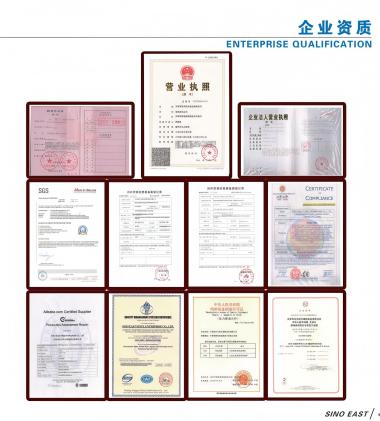
Certifications and Quality
Sino East holds multiple international certifications:
- ISO 9001:2015 — Quality Management
- ISO 14001:2015 — Environmental Management
- ISO 45001:2018 — Occupational Health & Safety
- ISO 3834-2:2021 — Welding Quality Requirements
- IAS AC472 — International Accreditation for Metal Building Systems
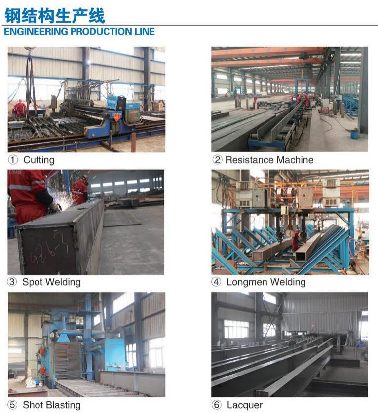
The company operates a full-process quality monitoring system covering raw material procurement, manufacturing, inspection, transportation, and after-sales service.
Landmark Projects
Sino East has contributed to numerous high-profile projects:
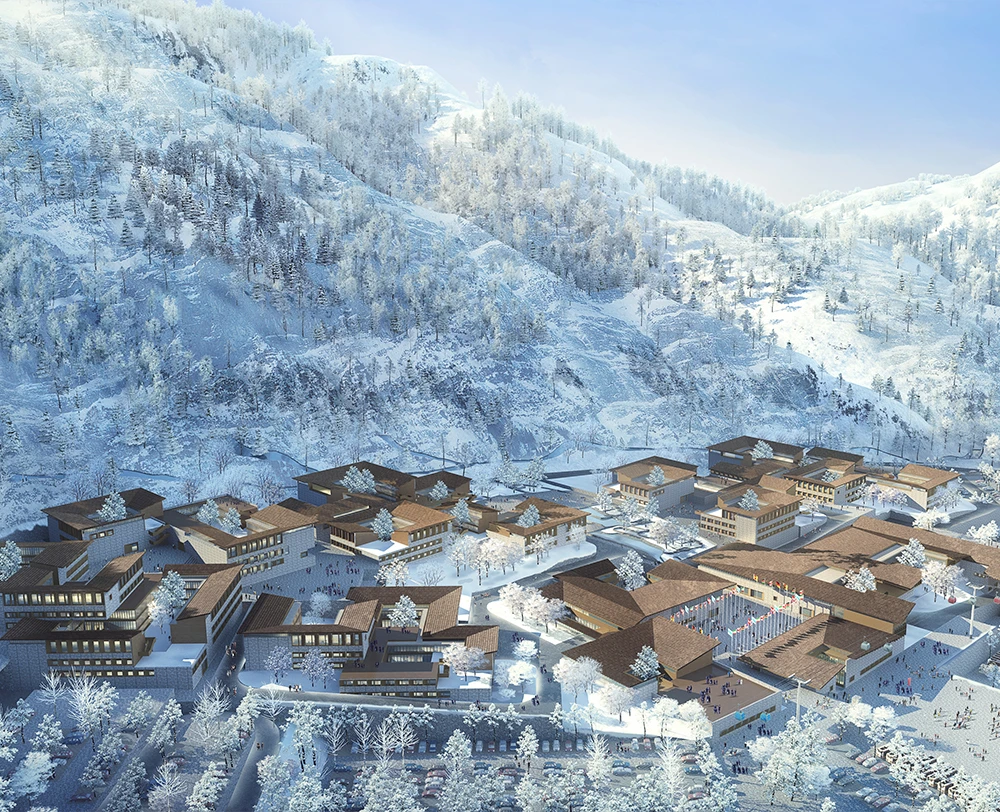
- Beijing Yanqing Winter Olympic Village and Mountain News Center — Steel structure for world-class sporting venues
- Frankfurt Air Rail Center, Germany — International infrastructure steel structure
- China International Silk Road Center Building — Landmark commercial steel frame building
- Lhasa Holy Land Paradise Intercontinental Hotel — High-altitude heavy steel structure
- Wuhan Century Home — Large-scale residential steel structure complex
Product Range
Sino East delivers a full spectrum of steel structure solutions:
- Pre-Engineered Buildings (PEB) — Warehouses, factories, workshops, showrooms
- Heavy Industrial Steel Structures — Power plants, steel mills, petrochemical facilities
- Infrastructure Steel Structures — Bridges, railway stations, airport terminals
- Offshore Steel Structures — Oil & gas platforms, marine terminals
- Commercial Steel Structures — Shopping malls, office towers, hotels
- Specialized Steel Structures — LNG tanks, processing plants, cold storage
8. Steel Structure Installation: Key Steps for Project Success
A successful steel structure installation follows a systematic process:
Step 1: Pre-Construction Preparation
- Technical review of design drawings and construction plans
- Site grading, access road preparation, and component storage planning
- Incoming inspection of all steel components against specifications
- Verification of embedded anchor bolt positions and elevations
Step 2: Foundation and Support Surface Preparation
- Foundation acceptance with total station re-survey
- Axis line and elevation control marking
- Support surface leveling using steel shims or grout
Step 3: Component Installation and Alignment
- Steel column erection — Lifting, positioning, alignment, and temporary bolting
- Verticality calibration — Using two theodolites at 90° angles or total station
- Beam installation — Main beams → secondary beams → bracing systems
- High-strength bolting — Initial tightening → re-tightening → final torque tightening
Step 4: Welding and Joint Consolidation
- Certified welders following approved Welding Procedure Specifications (WPS)
- Symmetrical welding to minimize distortion
- Non-Destructive Testing (NDT) — ultrasonic and radiographic inspection
Step 5: Enclosure and Finishing
- Purlin, girt, and brace installation
- Roof and wall panel systems with waterproof sealing
- Fireproofing and anti-corrosion finishing
Step 6: Quality Acceptance
- Comprehensive dimensional survey
- Documentation compilation (material certificates, inspection reports, as-built records)
9. The Future of Steel Structures: 2026–2033 Outlook
As we look ahead, several forces will reshape the steel structure building industry:
| Year | Global Structural Steel Market | Key Drivers |
|---|---|---|
| 2026 | $128.0 Billion | Infrastructure spending, industrial recovery |
| 2028 | $149.5 Billion (est.) | Modular construction adoption, green steel mandates |
| 2030 | $172.0 Billion (est.) | Emerging market urbanization, AI-driven efficiency |
| 2033 | $202.1 Billion | Full digital integration, net-zero carbon steel |
Emerging Opportunities
- Data Center Construction — AI computing demands are driving a data center building boom, with steel as the structural material of choice due to clear spans and rapid construction timelines.
- Cold Storage & Logistics — The growth of cold chain logistics in developing markets requires large, insulated steel structure warehouses.
- Renewable Energy Infrastructure — Solar panel mounting structures, wind turbine towers, and hydrogen production facilities all depend on structural steel.
- Disaster-Resilient Housing — Steel’s seismic and hurricane resistance makes it ideal for resilient housing in climate-vulnerable regions.
10. Conclusion
The steel structure industry stands at the intersection of technological innovation, sustainability imperatives, and surging global demand. From prefabricated steel structure warehouses to iconic skyscrapers and critical infrastructure, steel’s unmatched combination of strength, speed, flexibility, and recyclability positions it as the definitive building material of the 21st century.
For project owners, developers, and contractors evaluating steel structure building options, partnering with an experienced steel structure manufacturer like Sino East Steel Group — one that combines decades of expertise, international certifications, and a proven global project portfolio — is the surest path to project success.
For inquiries about steel structure design, fabrication, and installation, contact Sino East Steel Group at paul@sinoeaststeel.com“>paul@sinoeaststeel.com or visit www.asia-structures.com. WhatsApp: +86 18622088833
References
- Grand View Research, “Structural Steel Market Size & Share Report, 2026–2033”
- OECD, “Steel Market and Industry Prospects,” June 2026
- Deloitte, “2026 Engineering and Construction Industry Outlook”
- The Business Research Company, “Steel Structure Market Report 2026”
- Market Research Future, “Structural Steel Market Size & Growth Report, 2035”
- Accio, “Prefabricated Buildings Trends 2026”
Recommended Modular Solutions For This Project
Factory-direct prefab housing, delivered flat-packed to cut ocean freight by up to 70%.
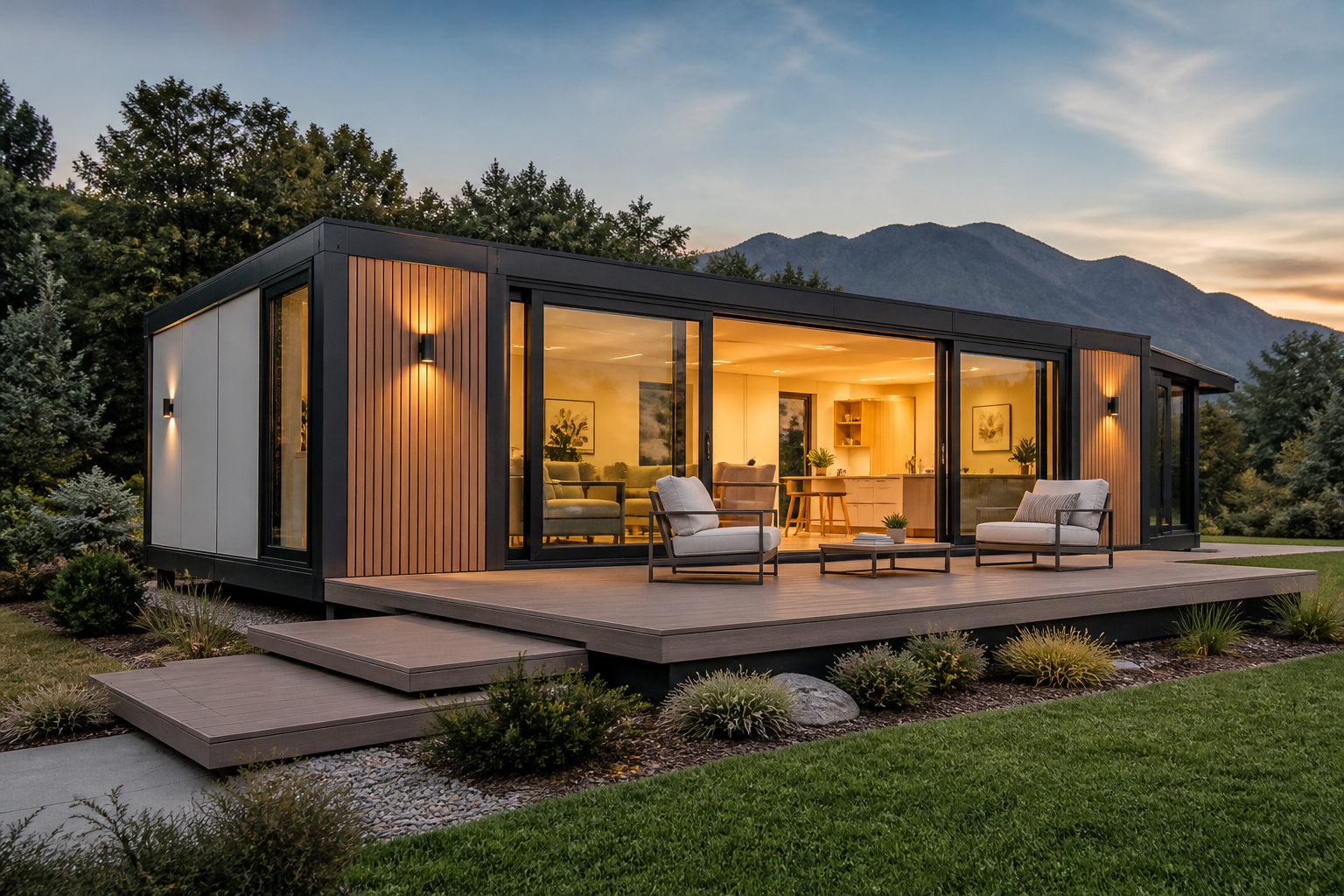 Expandable Container HouseA 20ft unit expands to 40ft living space in about 30 minutes. Two bedrooms, kitchen and bathroom ready. Popular for ADU, granny flats and backyard cabins in USA and Canada.From USD 6,800 / unitView details →Lowest Freight
 Flat Pack Container HouseKnock-down modular box: 4 units load into one 40HQ container. The fastest way to build labour camps, canteens and site accommodation.From USD 2,300 / unitView details →Remote Projects
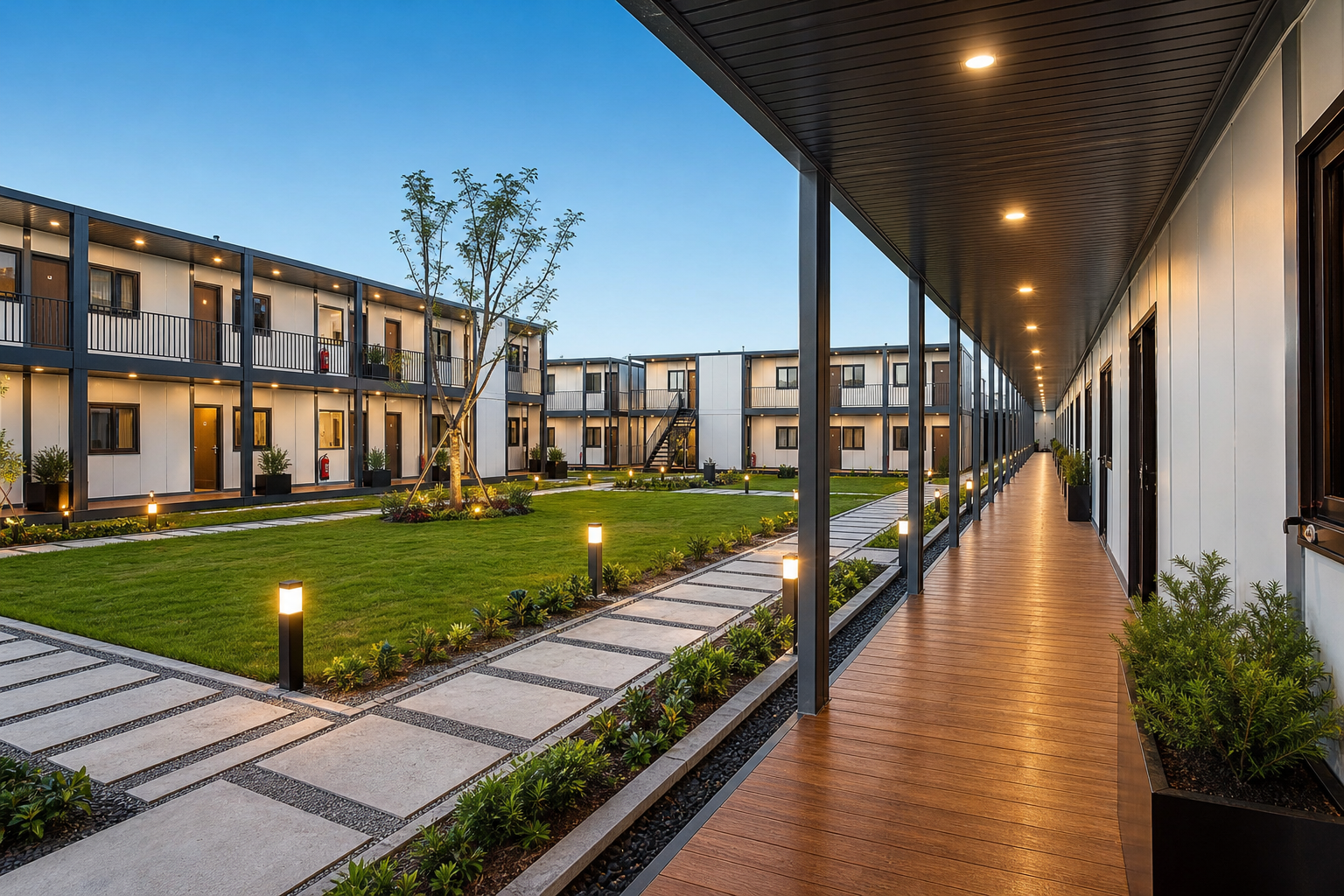 Mining Camp Container HousingInsulated FIFO accommodation for Pilbara, Queensland and African mine sites. Cyclone-rated, high wind load, 30-year design life, fully fitted bathrooms.Turnkey camp designView details →Site Facility
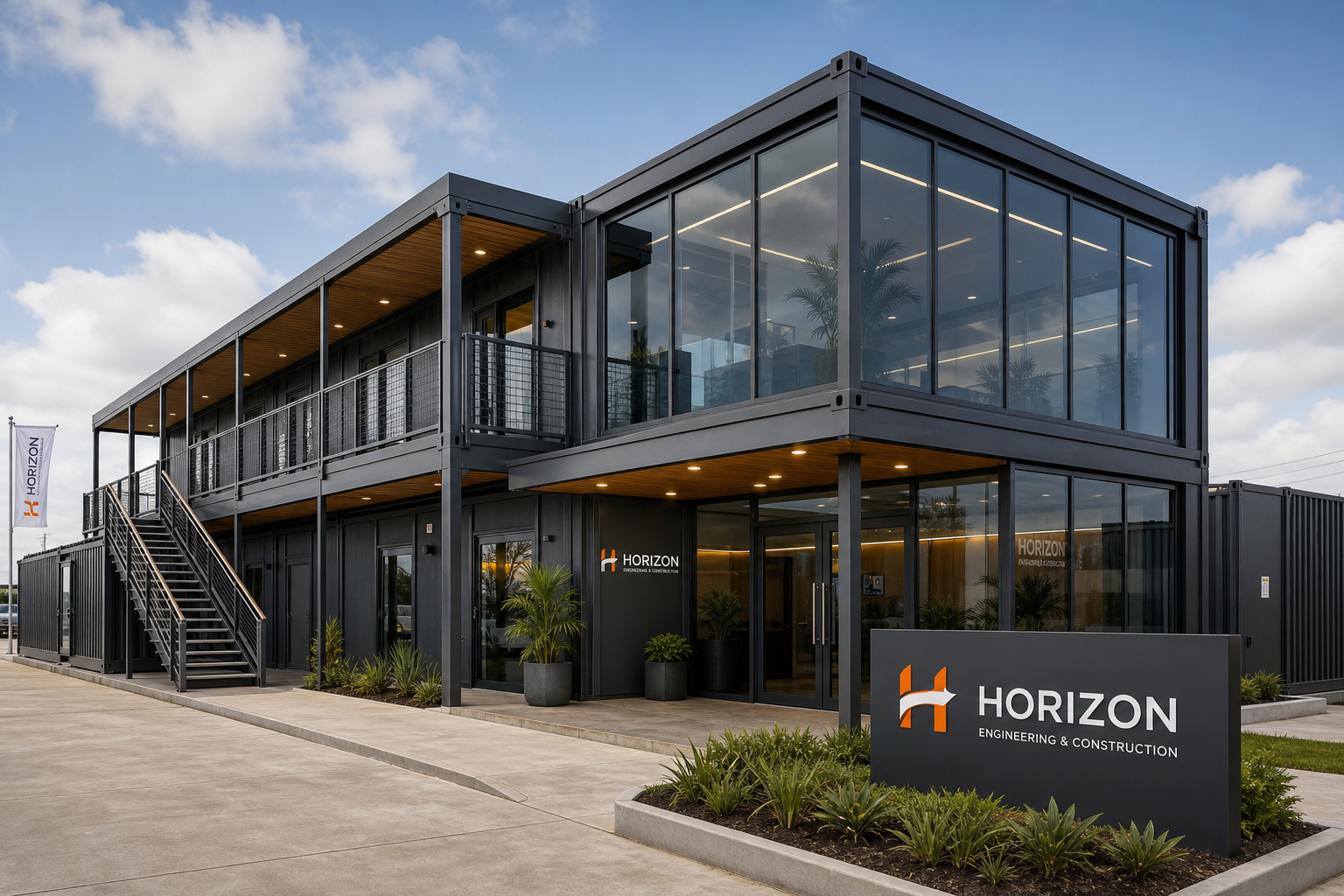
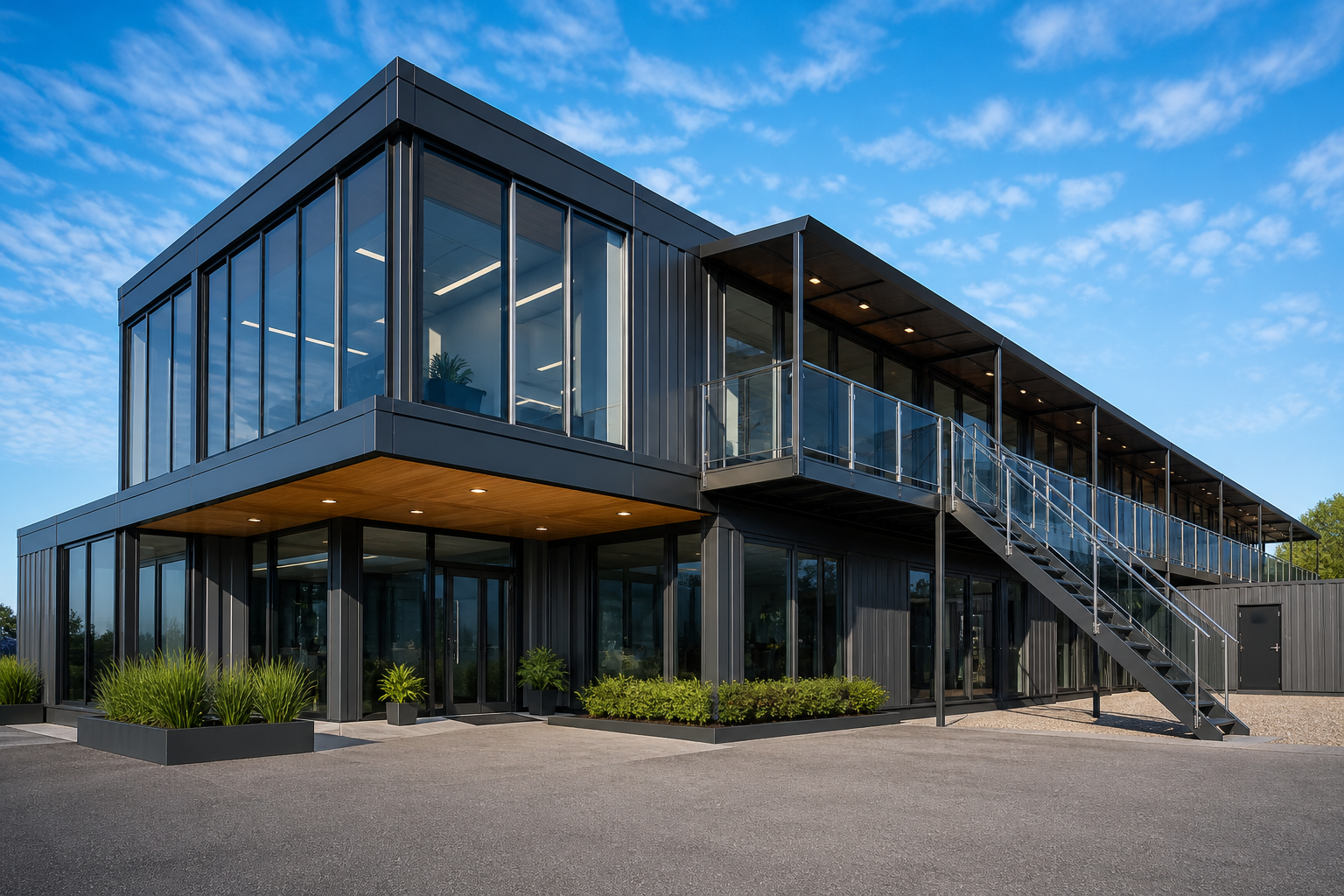 Modular Site OfficeStackable two-storey office and site headquarters units with glass curtain wall, split air conditioning and complete electrical fit-out.Stack up to 3 floorsView details →