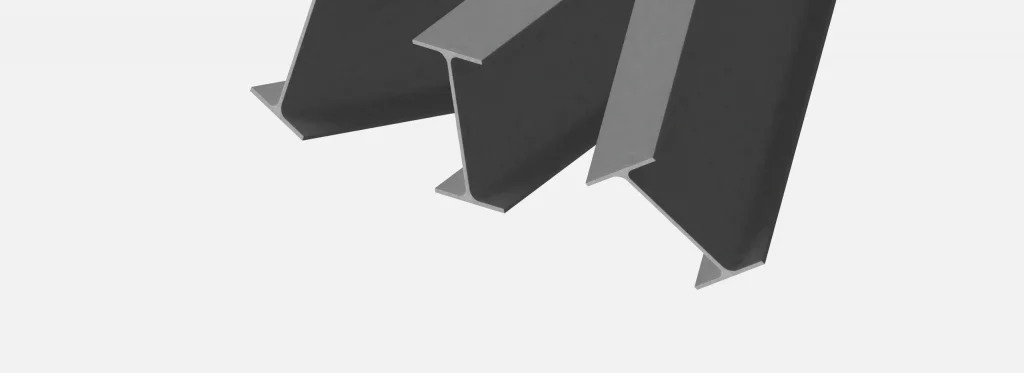

Steel Plates: Sizes, Weight Chart, Prices & Specifications<\/h2>
Steel plates are flat-rolled products with thickness typically from 3 mm up to 120 mm or more, supplied in widths of 1000–3000 mm and lengths up to 12 m. They are the base material for steel structure fabrication — column base plates, gusset plates, beam webs and flanges, platform decks, pressure vessels, and shipbuilding. This page is the complete buying reference from Sino East Steel Group — a direct steel structure manufacturer in Tianjin, China: steel plate sizes and the full steel plate weight chart, material grades and certification options, 2026 export prices, and the exact way to order steel plates for your project.
1. What Is a Steel Plate?
A steel plate is a flat, hot-rolled (or in some cases normalized or thermo-mechanically rolled) steel product with a rectangular cross-section. Plates are distinguished from sheets by thickness: in the international trade convention, products up to about 3 mm are classed as sheets, while anything from 3 mm up is a plate, with heavy plate commonly running from 25 mm to 120 mm. Plates are rolled from slab on reversing or Steckel mills, then leveled, cut to size, and tested for chemistry and mechanical properties.
Steel plates are produced to a wide family of standards depending on the application: EN 10025-2 for European structural plates, GB/T 3274 and GB/T 1591 for Chinese structural plates, ASTM A36 / A572 for American structural plates, EN 10225 and API 2W for offshore structures, ASTM A131 for shipbuilding, and ASME SA516 for pressure vessels. Dimensional tolerances follow EN 10029 or GB/T 709.
2. Steel Plate vs Steel Sheet: What Is the Difference?
| Comparison | Steel Plate | Steel Sheet |
|---|---|---|
| Thickness | 3–120 mm (heavy plate 25 mm and above) | 0.3–3 mm |
| Typical widths | 1000–3000 mm | 1000–1500 mm |
| Typical lengths | 2000–12000 mm | 2000–6000 mm |
| Production | Hot-rolled from slab, leveled, cut | Hot/cold-rolled from strip, cut or coiled |
| Best for | Base plates, gussets, heavy beams, vessels, ship hulls | Roof/wall cladding, ducting, tanks, enclosures |
| Typical standards | EN 10025-2, GB/T 3274, ASTM A36/A572, A131, SA516 | EN 10025-2, GB/T 708/709, ASTM A1008 |
If your application needs load-carrying thickness, buy plates; if it is cladding or lightweight enclosure work, see our steel sheets page for sizes and thickness data.
3. Steel Plate Sizes & Dimensions
Standard steel plate sizes cover thickness from 3 mm to 120 mm, widths from 1000 mm to 3000 mm, and lengths from 2000 mm to 12000 mm. The table below lists the common stock series; any thickness, width, and length combination within the rolling envelope can be supplied, and plates are cut to exact size on request.
| Thickness Range | Common Widths × Lengths | Typical Applications |
|---|---|---|
| 3 – 5 mm | 1000–1500 × 2000–6000 mm | Light gussets, floor plates, enclosures |
| 6 – 12 mm | 1000–2000 × 2000–6000 mm | Gusset plates, beam webs, platforms |
| 14 – 20 mm | 1500–2500 × 6000–12000 mm | Beam flanges, base plates, decks |
| 22 – 40 mm | 1500–3000 × 6000–12000 mm | Heavy columns, bridge components |
| 45 – 80 mm | 2000–3000 × 6000–12000 mm | Heavy equipment, offshore fabrication |
| 90 – 120 mm | 2000–3000 × 6000–12000 mm | Pressure vessels, heavy machinery |
Common imperial sizes are also stocked: 4 ft × 8 ft (1220 × 2440 mm), 5 ft × 10 ft (1525 × 3050 mm), 5 ft × 20 ft (1525 × 6100 mm), and 10 ft × 40 ft (3050 × 12200 mm). Dimensional tolerances follow EN 10029 and GB/T 709 — thickness tolerance for plates up to 20 mm is typically ±0.5–0.8 mm, and width/length +0/+20 mm.
4. Steel Plate Weight Chart (kg per m²)
Indicative theoretical weights for steel plates, calculated as thickness (mm) × 7.85 kg/m². Multiply by the plate area to get piece weight. Actual weights follow the mill’s certified section weight per EN 10029, within ±3–5%.
| Thickness | kg/m² | Thickness | kg/m² | Thickness | kg/m² |
|---|---|---|---|---|---|
| 3 mm | 23.6 | 14 mm | 109.9 | 40 mm | 314.0 |
| 4 mm | 31.4 | 16 mm | 125.6 | 45 mm | 353.3 |
| 5 mm | 39.3 | 18 mm | 141.3 | 50 mm | 392.5 |
| 6 mm | 47.1 | 20 mm | 157.0 | 55 mm | 431.8 |
| 8 mm | 62.8 | 22 mm | 172.7 | 60 mm | 471.0 |
| 10 mm | 78.5 | 25 mm | 196.3 | 70 mm | 549.5 |
| 12 mm | 94.2 | 30 mm | 235.5 | 80 mm | 628.0 |
| — | — | 35 mm | 274.8 | 100 mm | 785.0 |
| — | — | — | — | 120 mm | 942.0 |
Worked example: a 10 mm plate 1500 × 6000 mm has area 9.0 m² and weighs 78.5 × 9.0 = 706.5 kg; a 20 mm plate 2000 × 6000 mm weighs 157.0 × 12.0 = 1,884 kg. Use this steel plate weight chart for freight, craneage, and fabrication planning — tell us your plate list and we will compute the exact tonnage and container plan.
5. Steel Plate Material Grades & Certification
| Grade | Specification | Typical Application |
|---|---|---|
| Q235B / S235JR | EN 10025-2 / GB/T 3274 — yield 235 MPa | General fabrication, gussets, base plates |
| Q355B / S355JR / S355J2 | EN 10025-2 / GB/T 1591 — yield 355 MPa | Heavy beams, columns, bridges |
| ASTM A36 | Yield 250 MPa | US-code structural fabrication |
| ASTM A572 Gr.50 | Yield 345 MPa | High-strength US structural work |
| ASTM A131 Gr.A / Gr.AH36 | Shipbuilding plate | Hull and deck structures, barges |
| EN 10225 S355G8+M / API 2W Gr.50 | Offshore structural plate | Offshore platforms, jackets |
| ASME SA516 Gr.60 / Gr.70 | Pressure vessel plate | Boilers, storage tanks, pressure vessels |
Certification options include EN 10204 3.1 mill test certificates (standard with every order), 3.2 certification with third-party witness (SGS, BV, TÜV), and full heat-treatment reports for normalized or TMCP plates. For offshore and pressure vessel grades, specify the testing regime (UT, Charpy, through-thickness Z-tests) at quotation stage.
6. Steel Plate Prices in 2026 (FOB China)
Indicative export pricing from our Tianjin factory (FOB, 2026). Plate prices track hot-rolled coil and slab markets closely, so treat these as planning ranges and request a firm quotation for your thickness mix and quantity.
| Product | Indicative Price | MOQ |
|---|---|---|
| Structural plate Q235B / S235JR, 3–25 mm | USD 520–630 per tonne FOB | 10 tonnes (mix sizes OK) |
| High-strength plate Q355B / S355JR | USD 560–680 per tonne FOB | 10 tonnes |
| Heavy plate 30–120 mm | USD 550–680 per tonne FOB | 10 tonnes |
| Shipbuilding plate ASTM A131 / A36 | USD 620–780 per tonne FOB | 20 tonnes |
| Pressure vessel plate ASME SA516 | USD 780–980 per tonne FOB | 20 tonnes |
| Cutting to size / edge preparation | Included or nominal charge | — |
For a firm steel plate price quotation, send your plate list (thickness × width × length × quantity) and destination port to paul@sinoeaststeel.com. To estimate the full landed cost of a steel building in your market, see our Kenya, Nigeria, and UAE cost guides.
7. Steel Plate Applications
- Structural fabrication — column base plates, gusset plates, beam and column flange plates, splice plates in every steel frame.
- Platforms and mezzanine decks — solid and open-grid decking plates for industrial platforms and walkways.
- Shipbuilding and barges — hull plates, deck plates, and bulkheads in ASTM A131 grades.
- Pressure vessels and storage tanks — shell, head, and nozzle plates in SA516 and SA537 grades.
- Offshore structures — jacket legs, nodes, and deck plates in EN 10225 / API 2W grades.
- Heavy machinery and equipment — base frames, gearbox housings, and wear plates in Q355B and abrasion-resistant options.
For the full range of steel structure products we manufacture — PEB, warehouses, heavy steel, and all plate-based components — start from our product catalogue.
8. Why Buy Steel Plates Direct from Sino East Steel Group
Sino East Steel Group is a direct China steel structure manufacturer, not a trader. Since 1993 we have operated a 50,000 m² fabrication facility in Tianjin Industrial Park, Daqiuzhuang — China’s largest steel processing hub — with CNC plasma cutting, drilling, welding, and full inspection capability for plates.
- Factory-direct pricing — no middleman; 20–40% below regional re-seller prices on plate and all structural steel.
- Certified quality — ISO 9001:2015, ISO 3834-2, EN 1090 EXC3/EXC4, AWS D1.1; EN 10204 3.1 mill test certificates on every batch.
- Plate processing — cutting to exact size, edge preparation, drilling, and welding of plate components to your shop drawings.
- Export documentation — invoice, packing list, certificate of origin, EN 10204 3.1 certificates, and third-party inspection reports.
- 100,000+ tonnes annual capacity — stock plates ship in 1–2 weeks; cut-to-size and fabricated orders in 2–4 weeks.
Before committing to any factory, use our manufacturer verification checklist — we welcome third-party inspection at any stage of production.
9. How to Order Steel Plates from China
- Send your plate list (thickness × width × length), grade, quantity, and destination port.
- Receive an itemized quotation within 24–48 hours (FOB/CIF/CFR).
- Confirm certification requirements (EN 10204 3.1, 3.2, UT, Charpy).
- We produce and test (SGS/BV/TÜV inspection optional).
- We ship FCL from Tianjin with full export documentation.
For complete projects — plates plus primary steel and purlins — see our procurement guide for importers.
10. Plate Tolerances, Standards & Testing
Plates are supplied to the tolerances of EN 10029 or GB/T 709: thickness tolerance varies from ±0.25–0.8 mm on light plate to ±1.0–2.5 mm on heavy plate; width and length tolerance is typically +0/+20 mm on cut plates; flatness is per class N (normal) unless a tighter class is specified. Every plate carries the heat number, grade, and mill stamp, and full traceability is maintained from slab to shipment.
Testing options include tensile and bend tests, Charpy V-notch impact at the temperature your design requires, ultrasonic testing to EN 10160 class S1/E1, and through-thickness Z-direction tests for offshore nodes. Where the EN 1090 execution class demands it, plates are delivered with the matching inspection documentation so your fabricator can proceed without re-testing.
11. Packing, Shipping & Delivery
Plates are packed in steel-banded bundles on timber dunnage, or shipped loose for heavy plate, and loaded into 20 ft or 40 ft containers or break-bulk holds at Tianjin Port. Heavy plates over 20 mm often ship break-bulk to avoid container weight limits; we prepare the most economical stowage plan per your tonnage. Standard export documentation — commercial invoice, packing list, bill of lading, certificate of origin, and EN 10204 3.1 mill test certificates — is provided with every shipment.
Typical transit times: 3–4 weeks to the Middle East (Jebel Ali), 4–6 weeks to East and West Africa (Mombasa, Lagos), 4–5 weeks to Europe, and 3–5 weeks to North America. For full-project shipping details, read our international shipping and installation guide.
12. Steel Plate FAQ
Q: What are the standard steel plate sizes?
A: Standard thicknesses run from 3 mm to 120 mm, widths from 1000 mm to 3000 mm, and lengths from 2000 mm to 12000 mm. Common stock sizes include 1250 × 2500, 1500 × 3000, 1500 × 6000, 2000 × 6000, and 2500 × 12000 mm, plus imperial sizes such as 4 × 8 ft and 5 × 10 ft.
Q: How much does steel plate cost in 2026?
A: In 2026, structural plate Q235B/S235JR runs roughly USD 520–630 per tonne FOB China, Q355B/S355JR USD 560–680, shipbuilding plate USD 620–780, and pressure vessel plate USD 780–980 per tonne. Freight and duty vary by destination.
Q: How do I calculate steel plate weight?
A: Weight per m² = thickness (mm) × 7.85. Multiply by the plate area (length × width) for piece weight. A 10 mm plate weighs 78.5 kg/m²; a 20 mm plate 157.0 kg/m².
Q: What is the difference between steel plate and steel sheet?
A: Plate is generally 3 mm and thicker; sheet is 0.3–3 mm. Plate is hot-rolled from slab for load-carrying work; sheet is rolled from strip for cladding and lightweight enclosures. See our steel sheets page.
Q: Which standard are steel plates made to?
A:Structural plates follow EN 10025-2, GB/T 3274/1591, or ASTM A36/A572; ship plates ASTM A131; offshore plates EN 10225 or API 2W; pressure vessel plates ASME SA516. Tolerances follow EN 10029 or GB/T 709.
Q: Can you cut plates to size?
A: Yes — our CNC plasma cutting line cuts plates to exact dimensions, with edge preparation and drilling available, so you receive ready-to-fabricate pieces.
Q: Do you provide mill test certificates?
A:Yes — every batch ships with EN 10204 3.1 mill test certificates; 3.2 certificates with third-party witness (SGS/BV/TÜV), ultrasonic testing, and Charpy tests are available on request.
Q: Can plates be galvanized?
A:Galvanizing of plates is possible for components up to the bath size at our partner lines; for structural members we normally galvanize after fabrication. Confirm the part size with us before ordering.
Q: How do I get a steel plate quotation?
A:Email your plate list, grade, and destination port to paul@sinoeaststeel.com or message us on WhatsApp — you will receive an itemized FOB/CIF quotation within 48 hours.
Get a Steel Plate Quote — Direct from the Factory
Send your plate list and quantities for an itemized FOB/CIF quotation within 48 hours.
Email: paul@sinoeaststeel.com | WhatsApp: +86 186 2208 8833
Related products: Equal Angles · Unequal Angles · Steel Sheets · Chequered Plates
Project Cost Guides & China Factory Supply
Transparent 2026 pricing benchmarks for importers, contractors and developers.
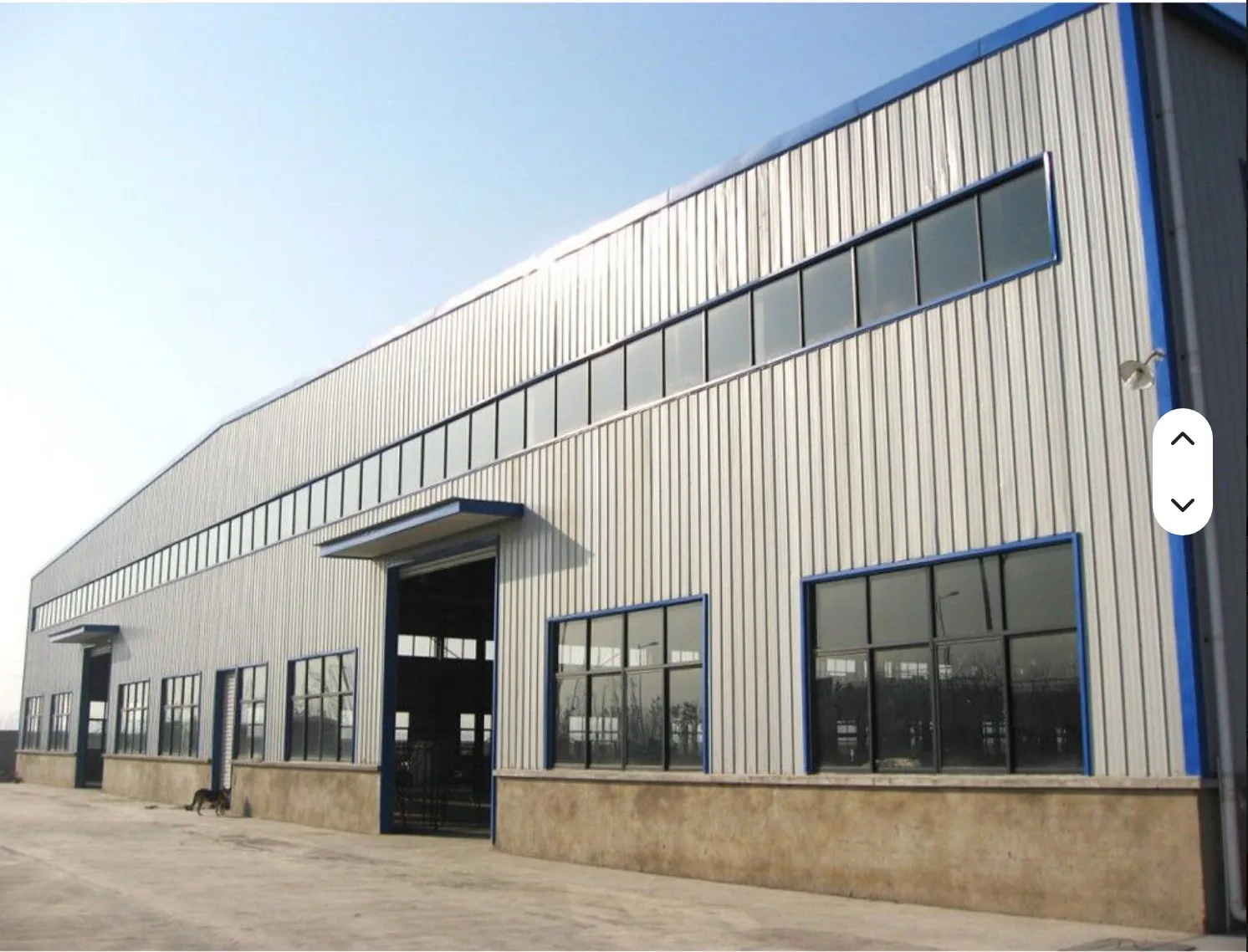 PEB Building Cost in UAEReal 2026 price per square metre for warehouses and factories in Dubai, Abu Dhabi and the wider Gulf, including shipping, customs and erection.Dubai / Abu Dhabi benchmarksView details →Nigeria
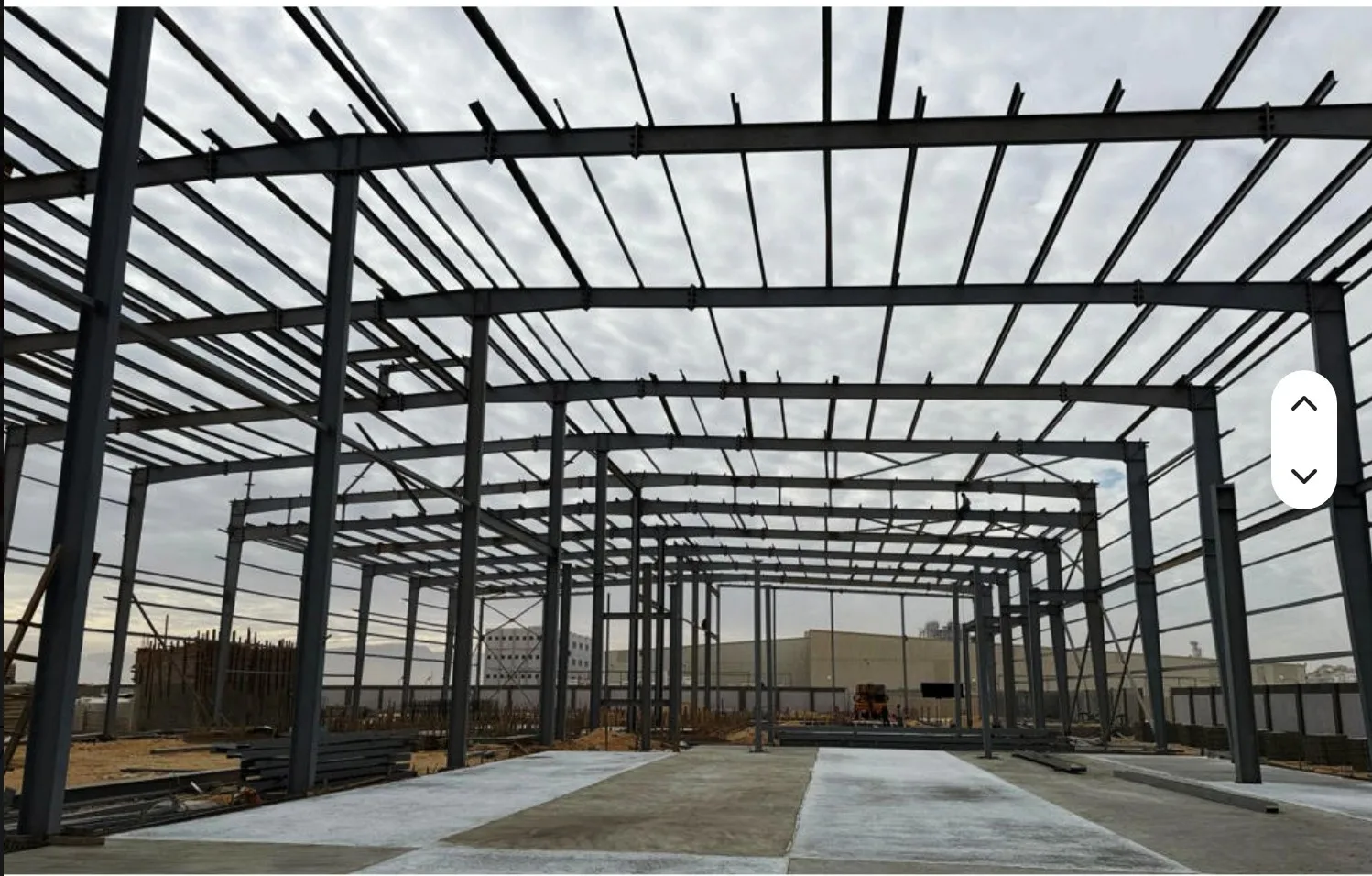 Steel Structure Cost in NigeriaLanded cost breakdown for Lagos and Abuja projects: steel tonnage, freight to Apapa, clearing, and local erection labour rates.Lagos / Abuja landed costView details →Kenya
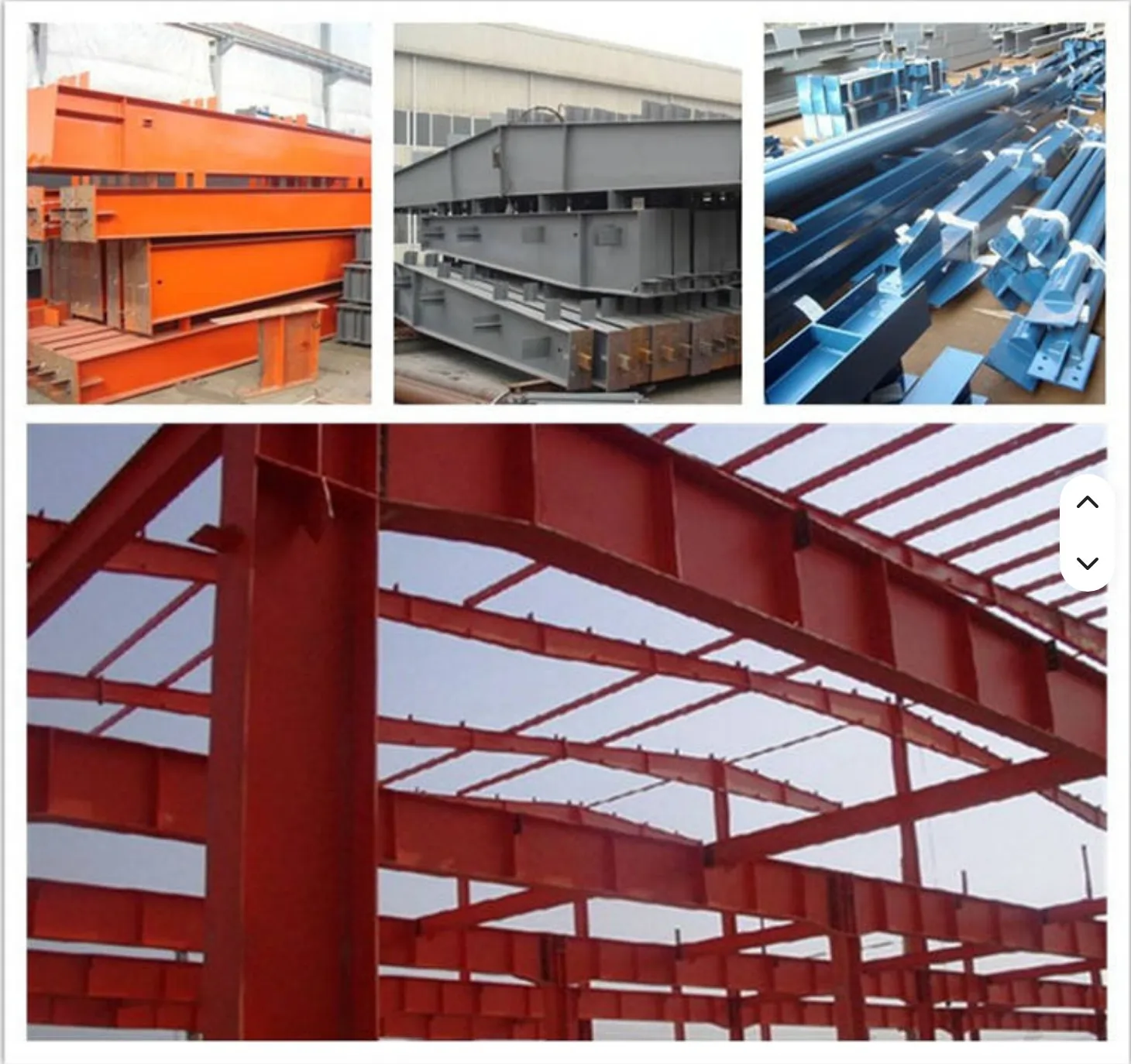 Steel Structure Cost in KenyaMombasa port charges, duty, transport and installation factored into a full 2026 budget for Nairobi and Mombasa industrial buildings.Nairobi / Mombasa budgetView details →China Factory
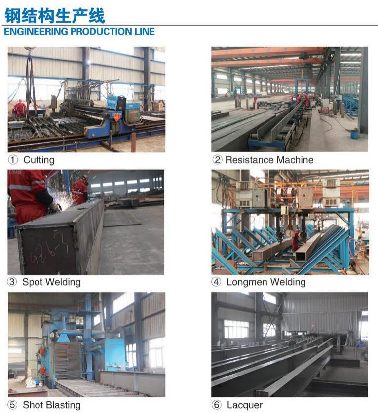 China Steel Structure ManufacturerOur own fabrication lines, ISO and CE certification, 350,000 sqm annual capacity and direct factory pricing with no trading margin.Direct factory quotationView details →