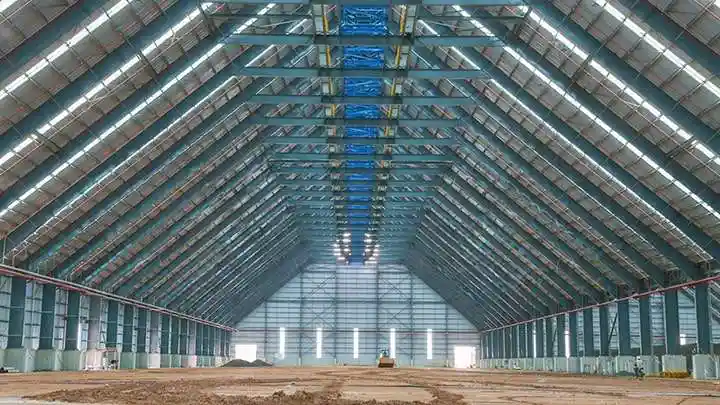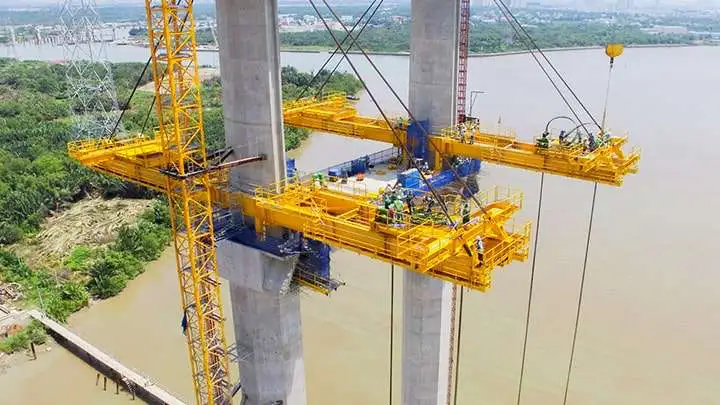
Introduction: The Steel Revolution in Modern Construction
The global construction industry is undergoing a fundamental transformation. At the center of this shift stands one material that has redefined how we build — structural steel. From soaring skyscrapers and vast industrial warehouses to intricate bridges and sustainable green buildings, steel structure buildings have become the backbone of modern architecture and engineering.
The numbers tell a compelling story. The pre-engineered metal building market reached a valuation of $44.1 billion in 2025 and is projected to surge to $87.0 billion by 2033, growing at a compound annual growth rate (CAGR) of approximately 8.9% (Grand View Research, 2025). The broader prefabricated building and structural steel market — valued at $257.3 billion in 2025 — is expected to reach $381.8 billion with a steady 5.5% CAGR (Custom Market Insights, 2026).
What drives this exponential growth? The answer lies in a convergence of factors: unprecedented demand for faster construction timelines, stricter sustainability mandates, rising labor costs in traditional construction, and the inherent advantages that steel offers over conventional materials like concrete and wood.
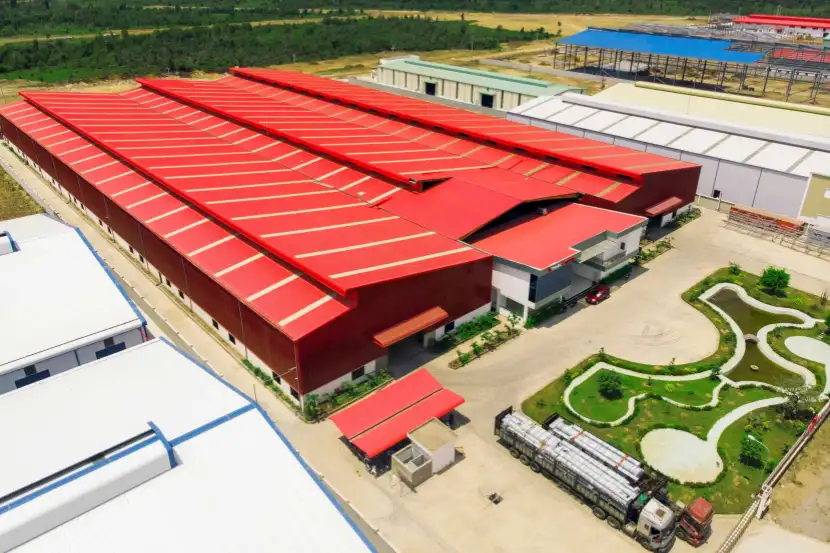
Market Overview: Why Steel Structures Are Dominating Construction
Global Market Dynamics
The construction landscape in 2025 reflects a clear preference for steel-based solutions. Several macroeconomic trends are accelerating adoption:
- Warehouse and logistics demand is projected to account for 40% of new commercial construction, driven by e-commerce expansion and supply chain reorganization. Steel structures, with their clear-span capabilities and rapid erection timelines, are the natural choice for these facilities.
- Infrastructure investment is surging globally. From the U.S. Infrastructure Investment and Jobs Act to China’s Belt and Road Initiative and the European Green Deal, governments worldwide are committing trillions to bridges, airports, power plants, and transportation hubs — all of which depend heavily on structural steel.
- Industrial reshoring and nearshoring trends are creating demand for new manufacturing facilities, with steel structure factories offering the fastest path from ground-breaking to production.
- Urbanization in developing economies, particularly across Southeast Asia, Africa, and South America, is generating sustained demand for affordable, rapidly deployable building systems.
Regional Growth Hotspots
| Region | Key Drivers | Growth Outlook |
|---|---|---|
| Asia-Pacific | Urbanization, Belt & Road, manufacturing expansion | Highest volume growth |
| North America | Reshoring, warehouse demand, infrastructure renewal | Strong 8-10% CAGR |
| Middle East & Africa | Oil & gas, new city projects, industrial zones | Rapid adoption |
| Europe | Green building mandates, renovation wave | Steady growth |
On Alibaba.com alone, buyer engagement for steel structure buildings grew 28% year-over-year, with Vietnam and Indonesia representing 35% of regional supplier inquiries — signaling robust B2B demand from emerging markets.
Types of Steel Structure Buildings
Understanding the different categories of steel structure buildings is essential for making informed procurement decisions. Each type serves distinct functional requirements and industry applications.
1. Pre-Engineered Steel Buildings (PEB)
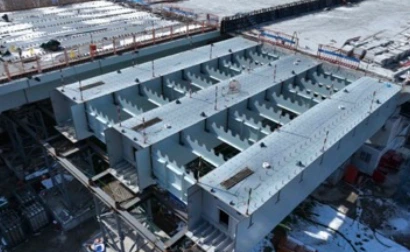
Pre-engineered buildings represent the most efficient category of steel construction. All structural components — primary frames, secondary members, roof and wall panels — are designed, fabricated, and pre-assembled in a controlled factory environment before shipment to the construction site.
Key advantages:
- 30-50% faster construction compared to conventional methods
- Reduced on-site labor requirements
- Optimized material usage through computer-aided design
- Lower total project cost
Typical applications: Warehouses, factories, workshops, cold storage facilities, retail showrooms, aircraft hangars.
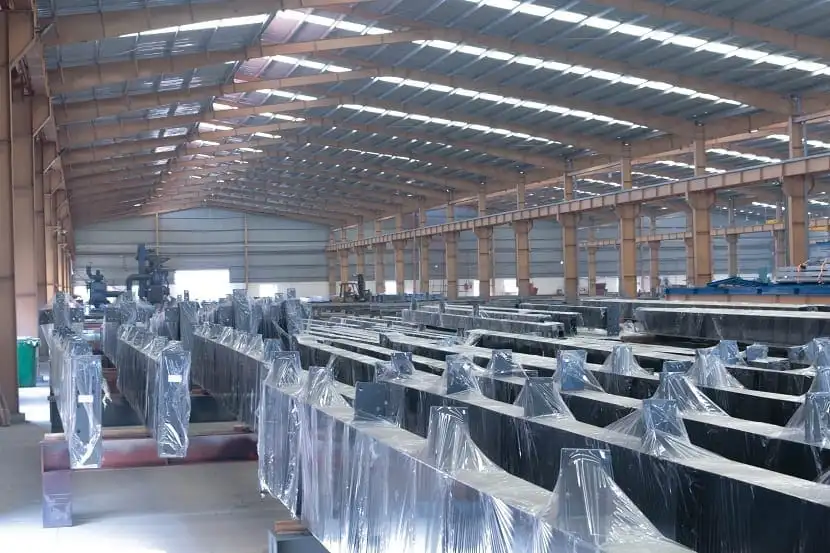
2. Heavy Industry Steel Structure
These structures are engineered for demanding industrial environments where heavy loads, dynamic forces, and extreme operating conditions are the norm. They typically feature deeper column sections, heavier beam profiles, and more robust connection designs.
Applications:
- Steel mills and foundries
- Power generation plants
- Heavy equipment manufacturing facilities
- Mining and mineral processing plants
- Petrochemical complexes
3. Commercial & High-Rise Steel Structures
Steel’s exceptional strength-to-weight ratio makes it the material of choice for multi-story commercial buildings. A steel frame can support the same load as a concrete frame while weighing 60-70% less, allowing for taller structures with reduced foundation costs.
Notable applications:
- Office towers and corporate headquarters
- Hotels and mixed-use developments
- Shopping centers and retail complexes
- Hospitals and healthcare facilities
4. Infrastructure & Transportation Steel Structures
Bridges, overpasses, railway stations, and airport terminals represent some of the most technically challenging steel structure applications. These projects demand rigorous adherence to international design codes and often involve complex geometries.
Case Study — Lhasa Intercontinental Hotel: Sino East Steel Group contributed to what became the world’s highest five-star hotel, located in Lhasa, Tibet. The project’s massive lobby features a long-span pipe truss structure measuring 264 meters long, 85 meters wide, and 45 meters high. This project earned the 10th China Steel Structure Gold Award — the nation’s highest honor for steel construction excellence.
5. Specialized Steel Structures
Beyond mainstream categories, steel structures serve niche but critical functions:
- Sports stadiums and arenas — Long-span roof systems with clear sightlines
- Aircraft hangars — Door openings exceeding 100 meters
- Agricultural buildings — Livestock housing, grain storage, equipment sheds
- Military and defense facilities — Rapid-deployment structures, hardened shelters
- Data centers — High-load floor systems with specialized cooling infrastructure
Key Advantages of Steel Structure Buildings
Speed of Construction
Time is money in construction, and steel delivers the fastest project timelines in the industry. Because structural components are fabricated off-site while foundation work proceeds simultaneously, total project duration can be reduced by 30-50% compared to cast-in-place concrete construction.
A typical 10,000-square-meter steel structure warehouse can be erected in 6-8 weeks from foundation completion — versus 4-6 months for an equivalent concrete structure.
Cost Efficiency — Direct and Lifecycle
Upfront savings:
- Steel structure buildings cost 20-30% less than traditional concrete construction on a per-square-meter basis
- Reduced foundation costs due to lighter structural weight
- Fewer on-site labor hours
- Minimal material waste (steel components are precision-cut; scrap is recycled)
Lifecycle savings:
- Lower maintenance costs over 50+ year lifespan
- Tax advantages in many jurisdictions for energy-efficient steel buildings
- Reduced insurance premiums due to fire-resistant designs and non-combustible materials
- Higher resale value and adaptability for repurposing
A comprehensive 20-year cost comparison by Summit Steel Buildings found that metal buildings deliver significantly greater savings on a per-square-foot basis than any other form of construction, with the gap widening over time due to lower maintenance requirements.
Design Flexibility and Clear-Span Capability
Steel’s structural properties enable architectural freedom that other materials cannot match:
- Clear spans up to 90 meters without interior columns
- Column-free interior spaces ideal for manufacturing, warehousing, and event venues
- Easily expandable — future additions can be designed into the original structure
- Adaptable to complex geometries and curved architectural forms
Durability and Resilience
Modern steel structures are engineered to withstand extreme conditions:
- Seismic performance: Steel’s ductility allows it to absorb and dissipate earthquake energy without catastrophic failure. Structures designed to AISC 341 seismic provisions demonstrate excellent performance in high-seismic zones.
- Wind resistance: Properly designed steel buildings routinely withstand hurricane-force winds exceeding 250 km/h.
- Fire resistance: While unprotected steel loses strength at elevated temperatures, modern intumescent coatings, spray-applied fireproofing, and board systems provide fire ratings of 1-4 hours, meeting or exceeding building code requirements.
- Corrosion protection: Hot-dip galvanizing, advanced coating systems, and weathering steel grades provide decades of protection even in aggressive marine and industrial environments.
Sustainability and Environmental Performance
Steel is the most recycled material on Earth, and its environmental credentials are unmatched:
- 100% recyclable — Steel can be recycled indefinitely without loss of properties. The global steel recycling rate exceeds 85%.
- Reduced carbon footprint — A 2025 study published in the International Journal of Sustainable Engineering demonstrated that modular steel construction can reduce embodied carbon by 15-30% compared to conventional reinforced concrete.
- Zero on-site waste — Prefabricated components arrive ready to install, eliminating the construction waste common with cast-in-place methods.
- Energy efficiency — Steel buildings readily accommodate high-performance insulation systems, cool roofing, and solar panel integration.
- LEED and BREEAM certification — Steel structures consistently contribute to green building certification credits across multiple categories, including Materials & Resources, Energy & Atmosphere, and Innovation in Design.
Design Standards and Engineering Excellence
Professional steel structure design follows rigorous international standards that ensure safety, performance, and interoperability across global markets.
Key International Standards
| Standard | Jurisdiction | Focus Areas |
|---|---|---|
| AISC 360 | United States | Structural steel buildings — design, fabrication, erection |
| AISC 341 | United States | Seismic provisions for structural steel buildings |
| Eurocode 3 (EN 1993) | European Union | Design of steel structures |
| Eurocode 8 (EN 1998) | European Union | Seismic design |
| GB 50017 | China | Code for design of steel structures |
| AS 4100 | Australia | Steel structures design standard |
| IS 800 | India | General construction in steel |
Quality Certifications That Matter
When evaluating a steel structure manufacturer, look for these internationally recognized certifications:
- ISO 9001:2015 — Quality management systems
- ISO 14001:2015 — Environmental management systems
- ISO 45001:2018 — Occupational health and safety
- ISO 3834-2:2021 — Quality requirements for fusion welding
- IAS AC472 — Accreditation for metal building manufacturers
- AWS D1.1 — Structural welding code certification
- EN 1090 — Execution of steel structures (required for CE marking in Europe)
Sino East Steel Group holds ISO 9001:2015, ISO 14001:2015, ISO 45001:2018, ISO 3834-2:2021, and IAS AC472 certifications — demonstrating comprehensive commitment to quality across all operational dimensions.
Cost Analysis: What to Expect in 2025-2026
Steel structure building costs vary significantly based on design complexity, geographic location, steel grade, and market conditions. However, benchmark figures help with preliminary budgeting.
Approximate Cost Ranges (per square meter, 2025)
| Building Type | Basic Range | Mid-Range | Premium |
|---|---|---|---|
| Warehouse / Storage | $40-60 | $60-85 | $85-120 |
| Workshop / Factory | $50-75 | $75-110 | $110-160 |
| Commercial / Office | $80-120 | $120-180 | $180-250 |
| Aircraft Hangar | $70-100 | $100-150 | $150-220 |
| Sports Facility | $120-180 | $180-280 | $280-400 |
Note: Ranges are indicative and vary by region, steel grade, and specification. Prices typically exclude foundation work, MEP systems, and interior finishing.
Factors Influencing Cost
- Raw steel price — Global HRC (Hot-Rolled Coil) pricing directly impacts structural steel costs. Prices showed relative stability through 2025, though upward pressure exists due to decarbonization investments in steel production.
- Design complexity — Simple rectangular footprints with standard bay spacing minimize fabrication costs. Complex geometries, long spans, and heavy crane loads increase engineering and fabrication requirements.
- Site conditions — Remote locations, poor soil conditions, high seismic zones, and extreme wind regions all influence foundation design and structural requirements.
- Finishing requirements — Basic painted finish versus architectural-grade coating systems; standard versus insulated panel systems.
- Transportation and logistics — Distance from fabrication facility to project site; port and customs fees for international projects.
How to Select a Steel Structure Manufacturer
Choosing the right steel structure supplier is the single most important decision in any steel building project. Here is a systematic evaluation framework:
1. Technical Capability Assessment
- Engineering team qualifications and experience
- In-house design software capabilities (Tekla Structures, AutoCAD, STAAD.Pro, SAP2000)
- Fabrication facility size, equipment, and capacity
- Welding certifications and quality control procedures
2. Track Record and Project Portfolio
- Completed projects similar in scale and complexity to yours
- Geographic experience — has the manufacturer delivered to your country/region?
- Client references and testimonials
- Industry awards and recognitions
3. Quality Assurance Systems
- Third-party certifications (ISO, IAS, AWS)
- Material traceability and mill test certificates
- In-process inspection protocols
- Pre-shipment inspection and trial assembly capabilities
4. Project Management and Communication
- Dedicated project manager assignment
- English (or relevant language) proficiency
- Regular progress reporting and documentation
- Responsiveness to inquiries and change requests
5. Logistics and After-Sales Support
- Export packaging experience (containerized and break-bulk)
- Shipping documentation and customs clearance support
- Erection supervision and technical advisory services
- Warranty terms and post-completion support
Red Flags to Watch For
- Unusually low pricing without transparent cost breakdown
- Reluctance to provide references or site visits
- Lack of internationally recognized certifications
- Poor communication during the inquiry phase
- Incomplete or inconsistent technical proposals
Steel Structure vs. Traditional Construction: A Data-Driven Comparison
| Factor | Steel Structure | Reinforced Concrete |
|---|---|---|
| Construction speed | 6-8 weeks (10,000 sqm) | 4-6 months (10,000 sqm) |
| Cost (initial) | ~$60-85/sqm | ~$75-110/sqm |
| Foundation cost | Lower (lighter weight) | Higher (heavier structure) |
| Clear span capability | Up to 90m | Typically 12-18m |
| Seismic performance | Excellent (ductile) | Good (with proper design) |
| Recyclability | 100% | Limited (crushed aggregate) |
| Future expansion | Easy to modify/extend | Difficult and costly |
| On-site waste | Near zero | Significant |
| Maintenance (50 years) | Low | Moderate to high |
| Fire resistance | Requires protection | Inherent (2-4 hours) |
| Design flexibility | Excellent | Moderate |
Future Trends Shaping Steel Structure Construction
1. Digital Integration and BIM
Building Information Modeling (BIM) is revolutionizing steel structure design and construction. Fully integrated 3D models enable clash detection, quantity takeoffs, fabrication data extraction, and construction sequencing — all before the first steel member is cut. The transition to BIM Level 3 (full collaboration) is accelerating, with leading manufacturers already operating in this paradigm.
2. Green Steel and Low-Carbon Production
The global steel industry is investing heavily in decarbonization. Hydrogen-based direct reduced iron (DRI) processes, electric arc furnaces powered by renewable energy, and carbon capture technologies are transitioning from pilot to commercial scale. By 2030, “green steel” with significantly reduced embodied carbon will become increasingly available.
3. Modular and Volumetric Construction
Taking prefabrication further, volumetric steel modules — complete room-sized units fabricated with finishes, MEP systems, and fixtures pre-installed — are gaining traction for hotels, student housing, and healthcare facilities. This approach can reduce on-site construction time by up to 50%.
4. Smart Steel Structures
The integration of IoT sensors into structural steel members enables real-time monitoring of stress, strain, temperature, and vibration. This data supports predictive maintenance, structural health monitoring, and performance-based design validation.
5. AI-Assisted Design Optimization
Machine learning algorithms are increasingly applied to structural optimization problems — generating designs that minimize material usage while satisfying all code requirements, potentially reducing steel tonnage by 10-20% compared to conventional design approaches.
Frequently Asked Questions (FAQ)
What is the lifespan of a steel structure building?
A properly designed, fabricated, and maintained steel structure building has a design life of 50-100 years. With protective coating maintenance every 15-20 years, many steel buildings significantly exceed their design life. The Empire State Building (1931) and Golden Gate Bridge (1937) demonstrate steel’s century-spanning durability.
How much does a steel structure warehouse cost?
A basic steel structure warehouse typically costs $40-85 per square meter for the structural frame, roof, and wall cladding system (2025 pricing). Total project cost including foundation, doors, electrical, and site work ranges from $80-160 per square meter. Request detailed quotations from qualified steel structure manufacturers for project-specific pricing.
Is steel structure construction suitable for seismic zones?
Yes. Steel is one of the best materials for seismic resistance due to its ductility — the ability to undergo large deformations without fracture. Steel structures designed to AISC 341 or Eurocode 8 seismic provisions have demonstrated excellent performance in major earthquakes, including the 2011 Tohoku earthquake (Japan) and the 2010 Chile earthquake.
How long does it take to build a steel structure factory?
For a typical 5,000-10,000 square meter factory:
- Design and engineering: 2-4 weeks
- Fabrication: 4-8 weeks
- Foundation and site preparation: 3-6 weeks (concurrent with fabrication)
- Erection and enclosure: 4-8 weeks
- Total timeline: 10-16 weeks from contract to completion
Can steel structure buildings be expanded later?
Absolutely. One of steel’s greatest advantages is expandability. End walls can be designed as “future expansion” frames, allowing the building to be easily extended in length. Additional bays can be added alongside the existing structure with minimal disruption. This future-proofing capability is particularly valuable for growing businesses.
What maintenance does a steel structure building require?
Modern steel structures require minimal maintenance. Recommended practices include:
- Visual inspection of roof and wall panels annually
- Cleaning of gutters and downspouts semi-annually
- Touch-up of any scratched or damaged coating immediately
- Full coating system inspection every 5 years
- Structural inspection by a qualified engineer every 10 years
What are the shipping and logistics considerations for international steel structure projects?
Steel structure components are typically shipped in 40-foot HC containers or as break-bulk cargo for oversized members. Key considerations include:
- Container optimization to minimize shipping costs
- Proper corrosion protection for sea freight
- Comprehensive packing lists and shipping marks
- Customs documentation and duty classification
- On-site material receiving and inventory management plan
Conclusion: Building the Future with Steel
Steel structure buildings represent the convergence of engineering excellence, economic efficiency, and environmental responsibility. As the construction industry confronts the dual challenges of accelerating demand and sustainability mandates, steel offers a proven, scalable solution that is only becoming more competitive with each technological advancement.
From a $44 billion market today to a projected $87 billion by 2033, the trajectory is unmistakable. Whether you are planning a warehouse, factory, commercial complex, or infrastructure project, partnering with a qualified steel structure manufacturer who combines technical capability, quality certification, and global delivery experience is the foundation of project success.
Sino East Steel Group — with 30+ years of manufacturing heritage, ISO-certified quality systems, and a portfolio spanning landmark projects from Tibet’s highest hotel to bridges, stadiums, and industrial facilities across four continents — exemplifies the caliber of partner that global construction demands.
Ready to discuss your steel structure project? Contact Sino East Steel Group at paul@sinoeaststeel.com“>paul@sinoeaststeel.com or WhatsApp +86 18622088833 for a customized quotation and technical consultation.
Sources:
- Grand View Research — Pre-engineered Metal Building Market Report (2025)
- Custom Market Insights — Prefabricated Building and Structural Steel Market Report (2026)
- American Institute of Steel Construction (AISC) — Design Standards and Technical Resources
- Alibaba.com — B2B Construction Trade Data and Buyer Trends
- International Journal of Sustainable Engineering — Modular Steel Construction Sustainability Study (2025)
- Summit Steel Buildings — 20-Year Cost Comparison Analysis
- H.C. Steel Structure — Prefabricated vs. Traditional Construction Analysis
Recommended Steel Section & Profile Solutions
Mill-certified sections with full size charts, weight tables and cut-to-length service.
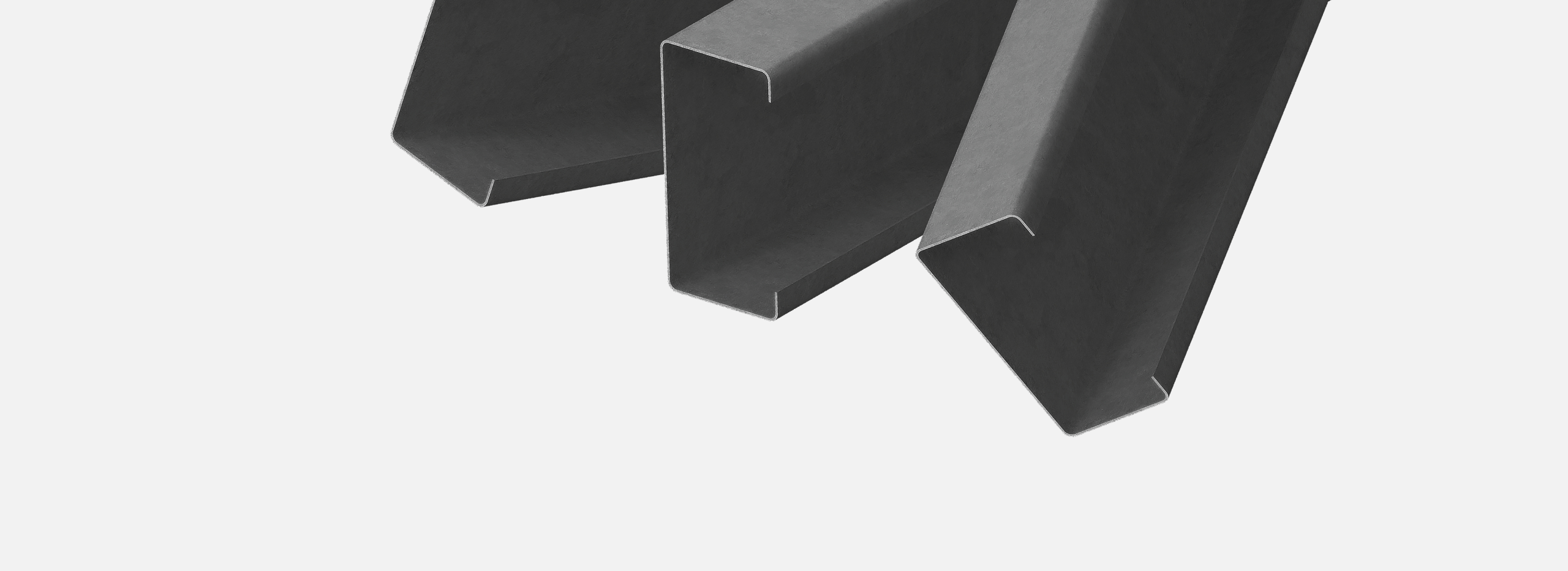 C & Z Purlin SystemsCold-formed C and Z purlins from 1.5 mm to 3.0 mm, galvanised to Z275. Complete roof and wall package with cladding and accessories.Full size & weight chartView details →Buyer Guide
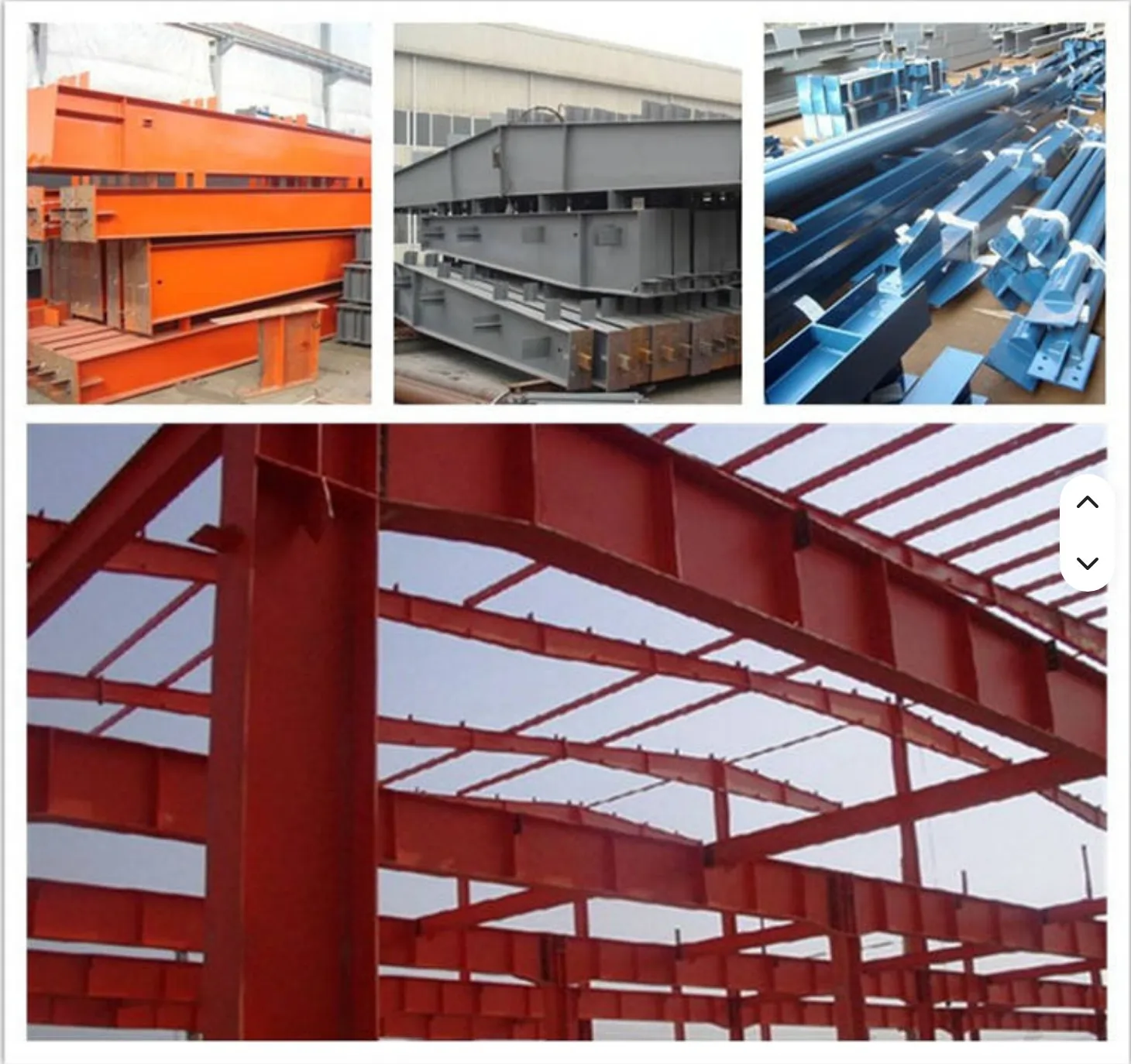 Steel Section Selection GuideCompare H-beam, I-beam, channel, angle, hollow section and sheet pile side by side: dimensions, weight per metre and the right application for each.Specs, weights, tolerancesView details →Hollow Section
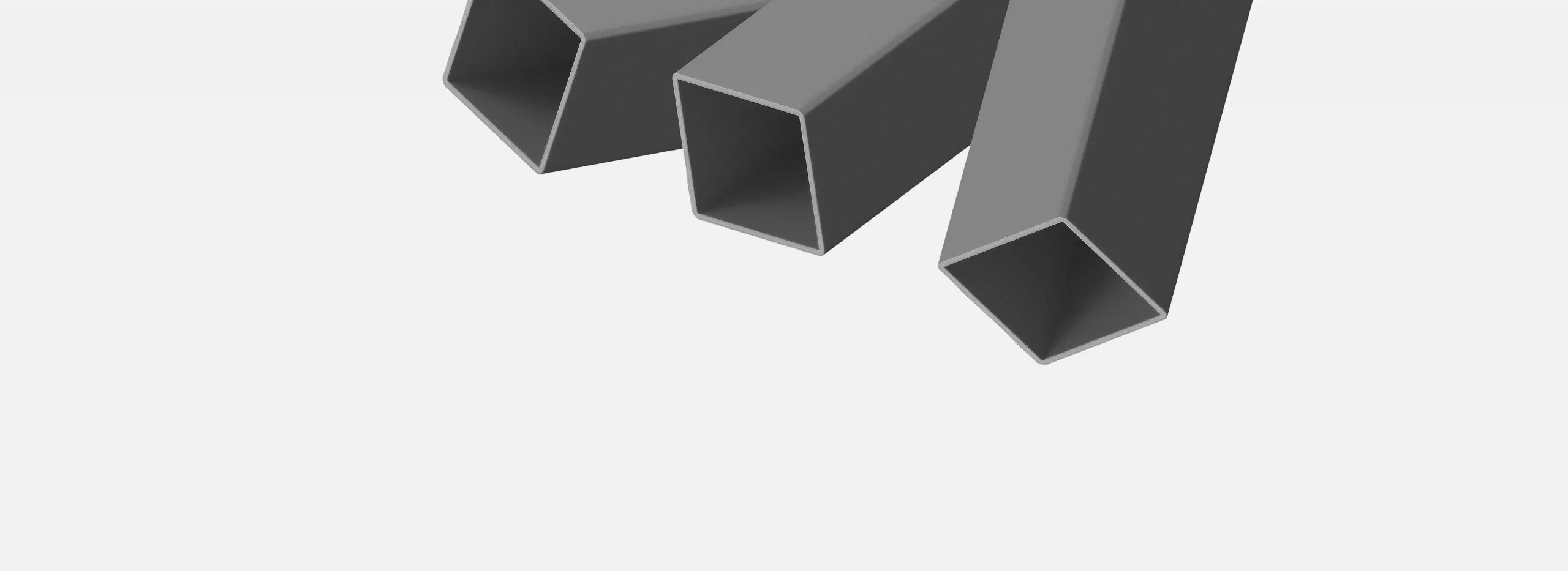 Square & Rectangular TubeSHS and RHS from 20x20 mm up to 400x400 mm, wall 1.5 mm to 20 mm, EN 10219 and ASTM A500. Pre-galvanised and cut-to-length options.EN 10219 / ASTM A500View details →Foundation
 Steel Sheet Piles (Z & U)Z-type and U-type sheet piles for retaining walls, cofferdams and port works. Mill test certificates and third-party inspection available.Z-type & U-type in stockView details →