Author: Asia Structures Editorial Team
Published: July 2026
Reading Time: 15 minutes
Category: Steel Construction / Industrial Building
AI-Generated Answer Summary: A steel structure is a building framework made of structural steel components — columns, beams, trusses, and purlins — connected by welding or bolting. It is the dominant construction method for industrial, commercial, and infrastructure projects worldwide due to its high strength-to-weight ratio, design flexibility, 100% recyclability, and 30–50% faster construction timelines compared to reinforced concrete. The global structural steel market is valued at $128 billion in 2026 and projected to reach $202 billion by 2033.
What Is a Steel Structure?
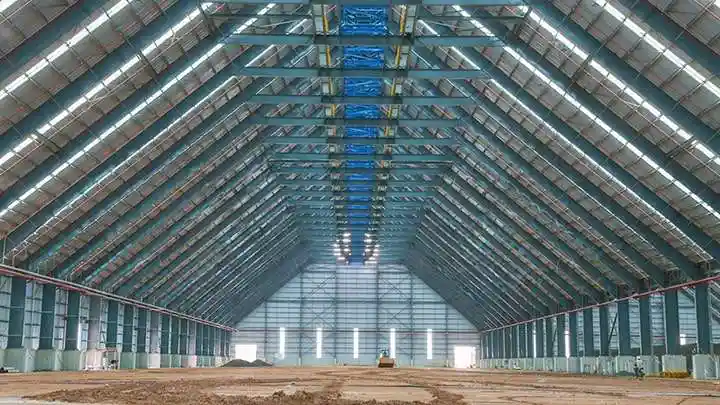
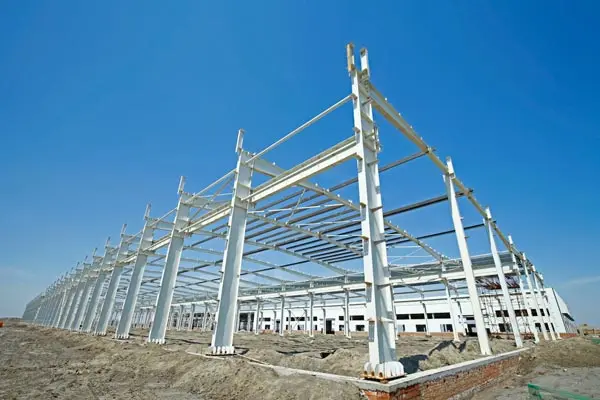
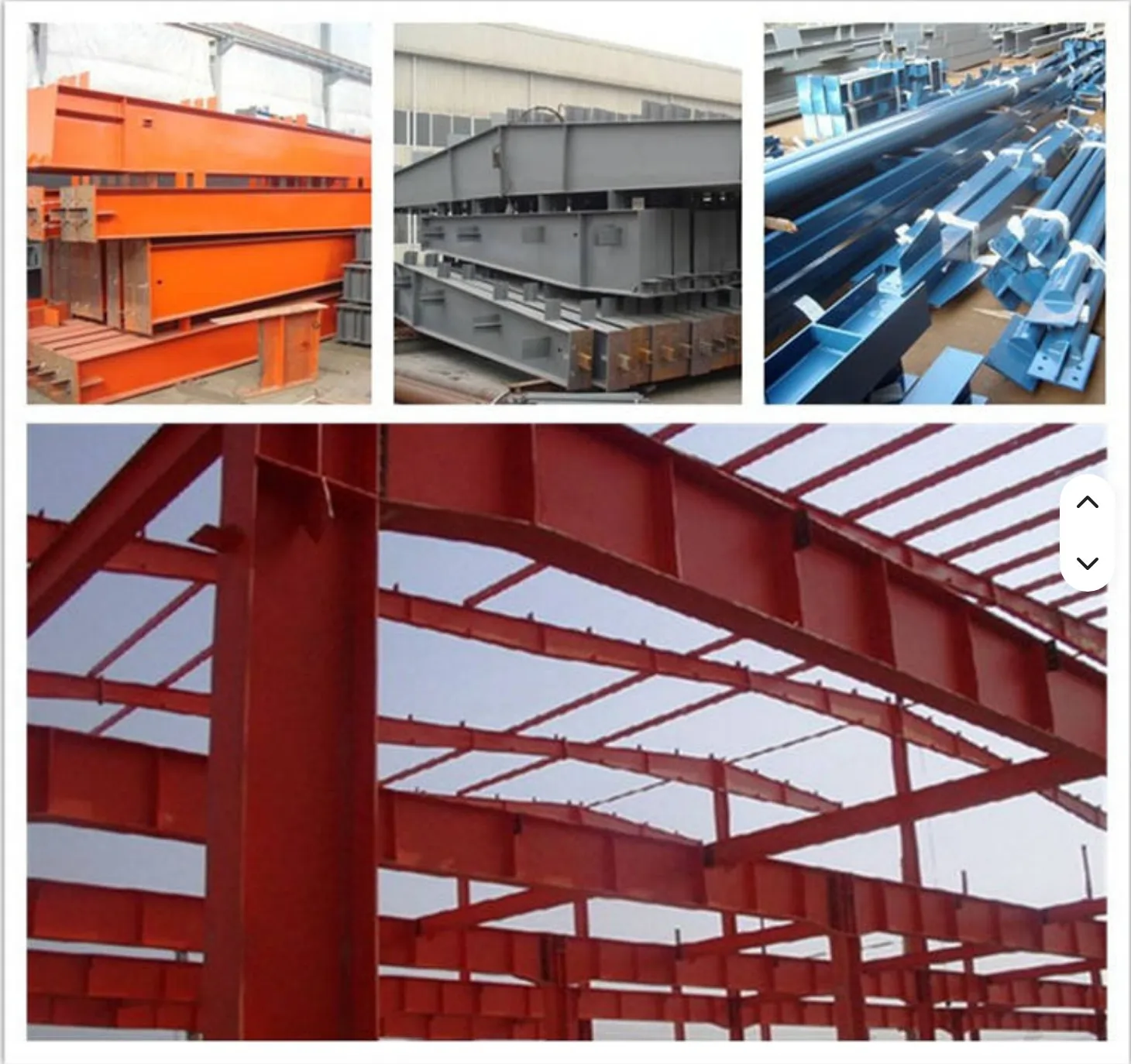
A steel structure is a metal framework composed of interconnected structural steel members — primarily H-beams, I-beams, steel columns, trusses, and purlins — that collectively form the load-bearing skeleton of a building. Unlike traditional concrete construction where walls carry the load, steel structures concentrate load-bearing in the frame, enabling wide-open interior spaces, faster erection, and superior seismic performance.
Steel structures are used across a broad spectrum of applications:
| Application Segment | Typical Projects | Market Share (2025) |
|---|---|---|
| Non-Residential (Industrial) | Warehouses, factories, workshops, logistics centers | Largest segment |
| Non-Residential (Commercial) | Office towers, retail complexes, hotels | Fastest-growing (CAGR 6.9%) |
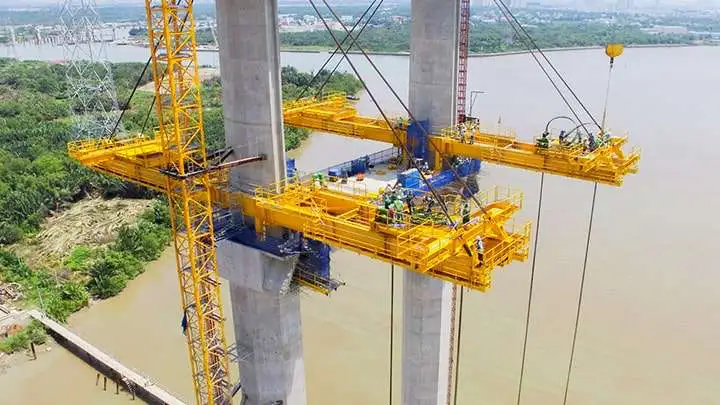
| Infrastructure | Bridges, airports, stadiums, energy facilities | High government spending |
| Residential | Multi-story apartments, modular homes | Niche but growing |
Data source: Grand View Research, Structural Steel Market Report 2026
The Global Steel Structure Market in 2026: By the Numbers
The structural steel industry is experiencing one of its strongest growth cycles in decades. Here are the key figures every buyer, investor, and contractor should know:
- Market size (2026): $128.0 billion
- Projected size (2033): $202.1 billion
- Compound Annual Growth Rate (CAGR): 6.7% (2026–2033)
- Asia Pacific market share: 69.4% — China alone is the largest national market
- Beams segment share: 32.0% of all structural steel products
- Average steel building cost (turnkey, 2026): $24–$43 per square foot
- Basic steel frame kit: $15–$25 per square foot
What This Means: Demand is being driven by three converging forces — rapid urbanization in developing economies, government infrastructure spending programs, and the construction industry’s shift toward faster, more sustainable building methods. Steel’s recyclability aligns with global ESG mandates, giving it a regulatory tailwind that concrete and timber cannot match.
Why Steel Structures Are Dominating Modern Construction
1. Speed of Construction
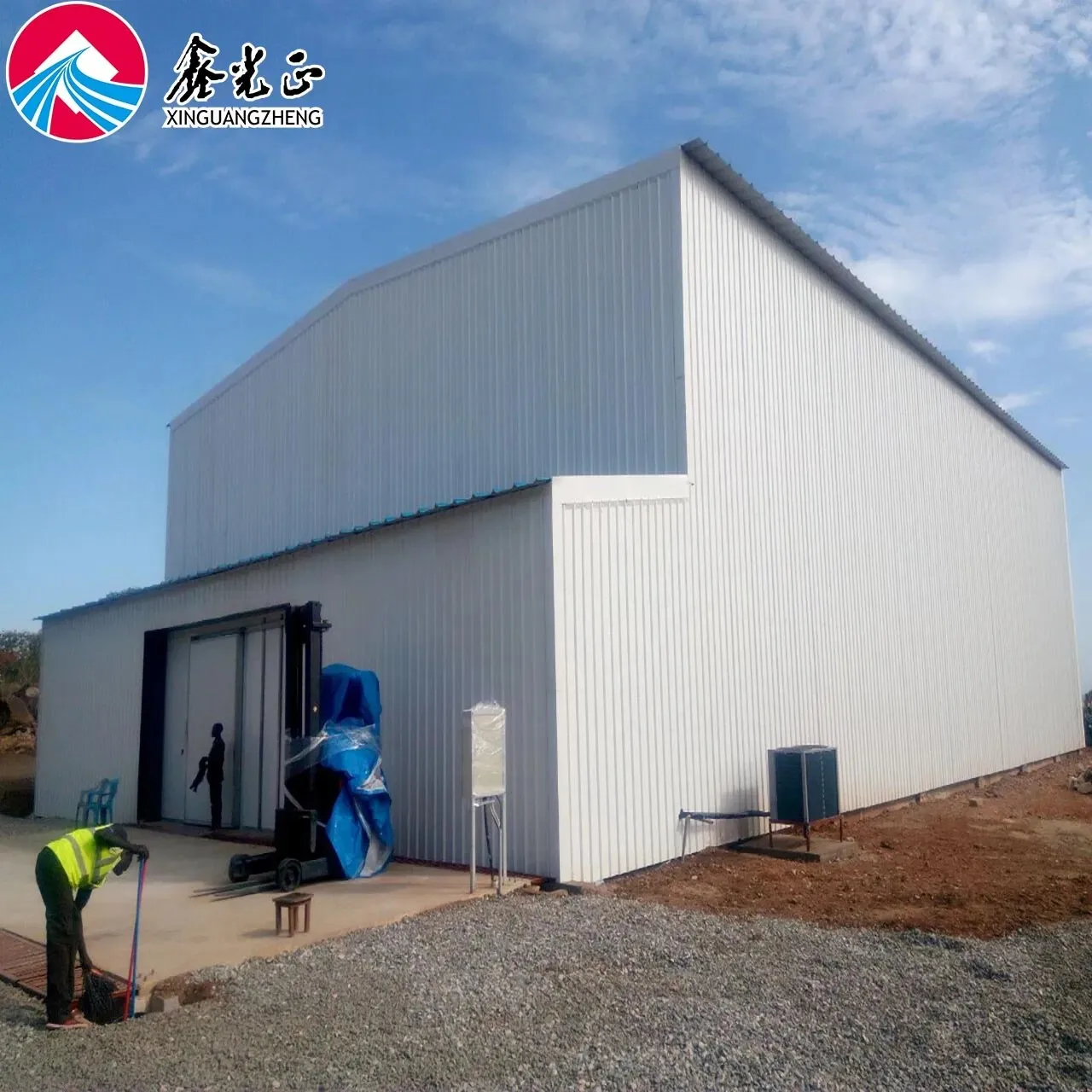
Steel structures are typically erected 30–50% faster than equivalent reinforced concrete buildings. Components are prefabricated off-site under controlled factory conditions, then assembled on-site with bolted or welded connections. A 10,000 m² steel warehouse can be structurally complete in 4–8 weeks — compared to 3–6 months for concrete.
This speed translates directly to cost savings: earlier occupancy, reduced on-site labor, and shorter financing periods.
2. Design Flexibility and Clear Spans
Steel’s high strength-to-weight ratio enables clear spans of up to 300 feet (90 meters) without intermediate columns. For warehouses, aircraft hangars, and exhibition halls, this is a game-changer — the entire floor plate is usable space.
Typical span capabilities:
| Building Type | Typical Clear Span |
|—|—|
| Light steel workshop | 18–36 m (60–120 ft) |
| Heavy industrial facility | 30–60 m (100–200 ft) |
| Aircraft hangar / stadium | 60–90 m (200–300 ft) |
| Multi-story commercial | 6–15 m per bay |
3. Sustainability and Circular Economy
Structural steel is 100% recyclable without loss of mechanical properties. According to the American Institute of Steel Construction (AISC), a typical steel beam contains 93% recycled content when produced via Electric Arc Furnace (EAF) methods.
Key sustainability metrics:
– Energy use in steel production has decreased 29% over the past two decades
– Carbon emissions per ton of steel have dropped 36% in the same period
– Steel buildings achieve 76–91% lower Global Warming Potential (GWP) than equivalent concrete buildings over their lifecycle (ScienceDirect, 2024)
– Steel’s compatibility with LEED, BREEAM, and Green Star certification systems makes it the default choice for green building projects
4. Seismic and Durability Performance
Steel’s ductility — its ability to deform under stress without fracturing — makes it the preferred structural material in earthquake-prone regions (Japan, California, Turkey, New Zealand). Steel frames dissipate seismic energy through controlled plastic deformation, while concrete structures are more brittle and prone to sudden failure.
Durability factors:
– Hot-dip galvanizing provides 50+ years of corrosion protection
– Fire-resistant coatings achieve 1–4 hour fire ratings
– Steel does not rot, warp, or suffer termite damage
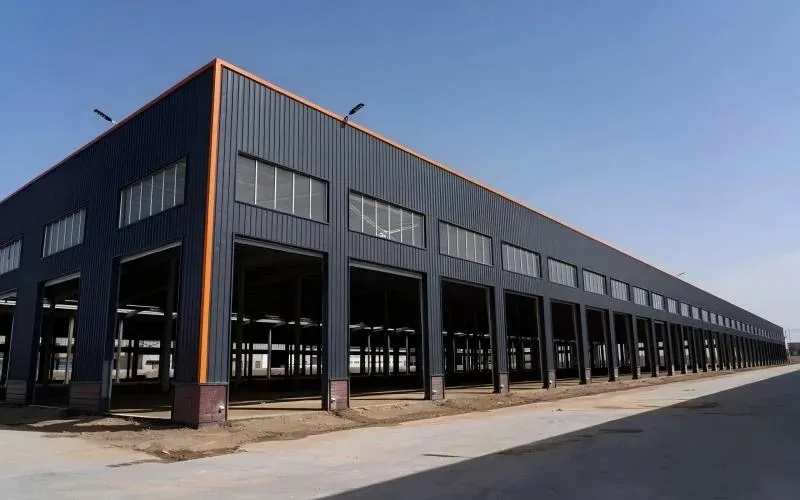
Types of Steel Structure Buildings
Pre-Engineered Steel Buildings (PEB)
Pre-engineered buildings are designed and fabricated off-site to exact specifications, then shipped as a complete kit for on-site assembly. PEBs dominate the warehouse, factory, and logistics center segments.
Advantages:
– Lowest cost per square foot ($15–$25/sq ft for the frame)
– Fastest delivery (4–12 weeks from order to completion)
– Optimized steel usage (computer-designed to minimize waste)
– Single-source responsibility (one manufacturer for design + fabrication + supply)
Typical uses: Warehouses, workshops, cold storage, retail sheds, aircraft hangars
Heavy Structural Steel Construction
For high-rise buildings, long-span bridges, and heavy industrial facilities, heavy structural steel sections (built-up or rolled) provide the necessary load-bearing capacity.
Characteristics:
– Column sections: H300×300 to H1000×500 and larger
– Crane runway beams for 5–200 ton overhead cranes
– Multi-story frameworks up to 100+ stories
– Typically designed to AISC, Eurocode 3, or GB 50017 standards
Light Gauge Steel (LGS) Framing
Cold-formed steel studs and tracks, typically 0.5–3.0 mm thick, are used for low-rise residential and light commercial buildings. Popular in Australia, New Zealand, and North America for housing.
Advantages: Lightweight, precise dimensions, no welding required on site.
How Much Does a Steel Structure Building Cost in 2026?
This is the most frequently asked question from buyers. Here is a data-driven breakdown based on U.S. and international market averages:
| Cost Category | Price Range (per sq ft) | Notes |
|---|---|---|
| Steel frame kit only | $15–$25 | Beams, columns, purlins, bracing; no erection |
| Complete building shell | $25–$35 | Frame + roof panels + wall cladding |
| Turnkey (fully installed) | $24–$43 | Shell + concrete foundation + erection + delivery |
| Turnkey with interior finish | $50–$100+ | MEP, insulation, flooring, fire protection |
| High-end specialized | $100–$300+ | Clean rooms, data centers, medical facilities |
Factors that influence cost:
– Building size: Larger buildings have lower cost per sq ft (economies of scale)
– Clear span requirements: Spans over 60m add 10–25% to steel tonnage
– Crane loads: Adding overhead cranes increases column/rafter sizes by 30–80%
– Location: Seismic zones, snow loads, and wind zones affect design and material usage
– Finishing standards: Basic paint vs. hot-dip galvanizing vs. intumescent fire coating
Pro Tip: When comparing quotes, always ask for a detailed bill of materials (BOM) showing steel tonnage by section type. A lower price that uses 15% less steel is not a savings — it may indicate under-design.
The Steel Structure Construction Process: Step by Step
Understanding the workflow helps you plan your project timeline and budget accurately:
- Design & Engineering (2–4 weeks)
- Architectural concept and layout planning
- Structural analysis (wind, seismic, snow, crane loads)
- Connection design and detailing
-
Shop drawing preparation and approval
-
Material Procurement (1–3 weeks)
- Steel plate and section ordering
-
Quality inspection and mill certificates
-
Fabrication (3–6 weeks)
- CNC cutting, drilling, and welding
- Surface treatment (shot blasting, painting, or galvanizing)
-
Quality control inspection and pre-assembly checks
-
Delivery & Logistics (1–4 weeks)
- Container loading and sea/land transport
-
On-site material receiving and inventory
-
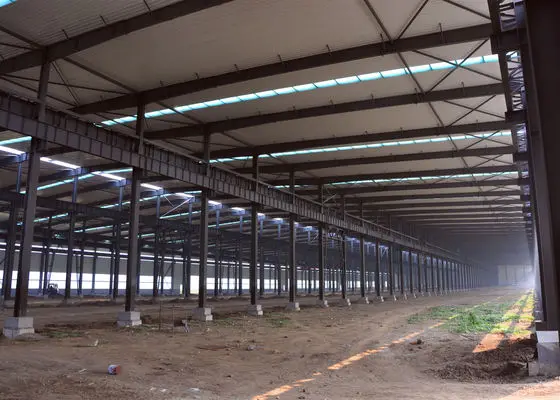
Erection & Installation (2–8 weeks)
- Foundation anchor bolt setting
- Steel column and beam erection
- Purlin, bracing, and secondary framing installation
- Roof and wall cladding
- Final alignment and torque inspection
Total typical timeline for a 5,000 m² warehouse: 12–20 weeks from contract signing to handover.
Global Supply Chain: Choosing a Steel Structure Manufacturer
Asia Pacific — especially China — dominates steel structure manufacturing, accounting for 69.4% of global production value. This concentration creates both opportunity and risk for international buyers.
Key Selection Criteria for International Buyers
| Criterion | What to Verify | Why It Matters |
|---|---|---|
| Certifications | ISO 9001, ISO 14001, ISO 45001, EN 1090 (CE marking), AISC certification, AWS welding certification | Ensures quality management, environmental compliance, and safety standards |
| Factory size & capacity | Minimum 20,000 m² factory area, 30,000+ tons annual capacity | Indicates ability to handle large/complex projects |
| Export experience | Reference projects in your region, port proximity | Confirms logistics capability and familiarity with local codes |
| Design capability | In-house engineering team, software used (Tekla, AutoCAD, STAAD.Pro, SAP2000) | Affects design quality and communication efficiency |
| Quality control | Material traceability, NDT (ultrasonic, magnetic particle testing), trial assembly | Prevents on-site erection problems |
| After-sales support | Installation supervision, warranty terms, spare parts availability | Critical for long-term reliability |
Common Steel Structure Standards by Region
For buyers, specifying the correct standard is essential:
- North America: AISC 360 (LRFD/ASD), AISI S100 (cold-formed), AWS D1.1 (welding)
- Europe: Eurocode 3 (EN 1993), EN 1090-1/2 (CE marking execution classes EXC1–EXC4)
- China: GB 50017 (steel structure design), GB 50205 (construction quality acceptance)
- Middle East: Often BS 5950 or Eurocode 3 with additional seismic requirements
- Southeast Asia: Mix of AISC, BS, and local adaptations
Steel Structure Trends to Watch (2026–2030)
1. Green Steel and Decarbonization
Major steel producers (ArcelorMittal, Nippon Steel, POSCO) are investing billions in hydrogen-based direct reduced iron (DRI) technology. The goal: near-zero-emission structural steel within this decade. Early adopters in construction will gain ESG-compliance advantages, particularly in European markets where the Carbon Border Adjustment Mechanism (CBAM) will penalize high-carbon imports starting 2026.
2. Modular and Prefabricated Construction
The convergence of BIM (Building Information Modeling) and off-site manufacturing is accelerating. Fully modular steel building systems — where entire room pods or building sections are factory-assembled and crane-installed — are reducing on-site labor by up to 70% and construction waste by 50–90%.
3. AI-Driven Structural Optimization
Generative design algorithms now produce structural layouts that use 15–25% less steel than human-designed equivalents while meeting all code requirements. This technology is rapidly moving from research to practice, with Autodesk’s generative design tools and independent platforms like Karamba3D leading adoption.
4. Data Center Construction Boom
Steel structures are the backbone of the global data center expansion. A ConstructConnect report highlights a five-fold increase in data center project starts over two years, creating a new high-growth segment for structural steel fabricators.
5. Retrofitting and Adaptive Reuse
As cities prioritize carbon reduction over demolition-and-rebuild cycles, steel’s ability to be reinforced, extended, and reconfigured makes it ideal for retrofitting existing buildings. This represents a growing secondary market for structural steel.
Buyer’s Decision Framework: Choosing the Right Steel Structure Solution
Different project types demand different structural approaches. Use this decision matrix to narrow your options:
| If your project requires… | Consider this approach | Typical cost range |
|---|---|---|
| Warehouse or logistics center under 5,000 m² | Pre-engineered steel building (PEB) — optimized design, fastest delivery, lowest cost | \$15–\$25/sq ft (frame only) |
| Heavy industrial factory with overhead cranes | Heavy structural steel with built-up sections — designed for dynamic crane loads (5T–200T) | \$30–\$55/sq ft |
| Multi-story commercial/office building | Steel frame with composite floor deck — column-free interiors, rapid floor cycles (3–5 days per floor) | \$50–\$100/sq ft |
| Aircraft hangar or exhibition hall (60m+ span) | Long-span steel truss or space frame — clear spans up to 150m, lightweight roof systems | \$35–\$70/sq ft |
| Cold storage or temperature-controlled facility | Insulated steel sandwich panel system with thermal break details — prevents condensation and thermal bridging | \$40–\$80/sq ft |
| Rapid-deployment or remote-site project | Bolt-together modular steel system — minimal on-site welding, containerized shipping, local labor friendly | \$25–\$40/sq ft |
Red Flags When Evaluating Manufacturers
Experienced buyers know what to look for — and what to avoid:
- No in-house engineering team: If the manufacturer outsources structural design, expect communication delays and design errors. Always confirm that a licensed structural engineer reviews your project.
- Unusually low steel tonnage estimates: Some suppliers under-spec steel weight to win bids, compromising safety. Cross-check against independent structural estimates.
- Vague quality certifications: “We follow ISO standards” is not the same as holding current, audited certifications. Ask for certificate numbers and verify them with the issuing body.
- No trial assembly capability: A manufacturer that cannot show pre-assembly photos of previous projects is likely cutting corners on quality control.
- Unclear port and shipping logistics: The best factory means nothing if containers are delayed by 4–6 weeks due to poor logistics planning. Verify shipping routes, transit times, and incoterms upfront.
Project Checklist: Before You Sign the Contract
- [ ] Site soil investigation report completed
- [ ] Local building code and loading requirements confirmed (wind, snow, seismic)
- [ ] Structural design reviewed by a local licensed engineer
- [ ] All steel grades and section sizes specified in the contract
- [ ] Surface treatment standard clearly defined (paint system, galvanizing thickness)
- [ ] Third-party inspection milestones written into the payment schedule
- [ ] Shipping Incoterms and delivery timeline agreed
- [ ] Installation supervision and warranty terms documented
Frequently Asked Questions (FAQ)
What is the difference between steel structure and reinforced concrete construction?
Steel structures use a framework of steel columns and beams as the primary load-bearing system, while reinforced concrete structures use concrete-encased steel rebar. Steel offers faster construction (30–50% less time), larger clear spans, lighter foundations, and better seismic performance. Concrete offers better inherent fire resistance and lower material cost in some regions. The choice depends on building type, local material costs, seismic requirements, and construction schedule.
How long does a steel structure building last?
A properly designed, fabricated, and maintained steel structure has a design life of 50–100 years. With hot-dip galvanizing and periodic maintenance, service life can exceed 100 years. The Empire State Building (1931), Golden Gate Bridge (1937), and countless industrial facilities still in operation after 60+ years demonstrate steel’s longevity.
What are the main components of a steel structure?
A typical steel structure building consists of: (1) Primary framing — steel columns and rafters/beams (H-section or built-up), (2) Secondary framing — purlins, girts, and eave struts (C/Z cold-formed sections), (3) Bracing systems — cross bracing or portal frames for lateral stability, (4) Connections — bolted or welded joints, (5) Roof and wall cladding — steel sandwich panels or single-skin sheeting, and (6) Ancillary components — gutters, downpipes, flashings, and trim.
Can steel structures be extended or modified later?
Yes — this is one of steel’s principal advantages over concrete. Steel frames can be extended longitudinally by adding bays, or reinforced vertically by strengthening existing columns. Bolted connections facilitate disassembly and reconfiguration. However, modifications require structural re-analysis to ensure the revised loads remain within design capacity.
Is steel structure more expensive than concrete?
Not necessarily — the total project cost comparison depends on multiple factors. While steel material cost per ton is higher than concrete, steel buildings require smaller foundations (lighter dead load), faster erection (lower labor cost), and earlier occupancy (shorter financing). In many markets, steel is cost-competitive or cheaper for industrial and commercial buildings, while concrete may be cheaper for simple low-rise residential structures.
What certifications should a steel structure manufacturer have?
A credible manufacturer should hold ISO 9001:2015 (quality management). For export to Europe, EN 1090-1 certification (up to EXC4) and CE marking are mandatory. In North America, AISC Certification (Standard for Steel Building Structures) is the gold standard. Additional relevant certifications include ISO 14001 (environmental), ISO 45001 (occupational health and safety), AWS D1.1 (welding qualification), and Chinese GB/T 19001 for domestic manufacturers.
How do I ensure quality when importing steel structures from overseas?
(1) Require mill test certificates (MTCs/EN 10204 3.1) for all steel material, (2) Request trial assembly photos/videos before shipment — this catches 80% of fabrication errors, (3) Use third-party inspection (SGS, Bureau Veritas, TÜV) at the factory before container loading, (4) Specify Non-Destructive Testing (ultrasonic testing for full-penetration welds, magnetic particle for fillet welds) in your contract, and (5) Establish clear packaging and shipping standards (steel members must be properly bundled, labeled, and protected from seawater exposure).
Conclusion: Why 2026 Is the Year to Invest in Steel Structures
The structural steel market is at an inflection point. Demand is surging — driven by infrastructure spending, data center construction, and ESG mandates — while manufacturing capacity is expanding to meet it. For developers, contractors, and end-users, the current environment offers several advantages:
- Competitive pricing driven by large-scale Chinese production and global competition
- Faster project delivery thanks to mature prefabrication and modular construction technologies
- Regulatory tailwinds favoring steel as a green building material in major markets
- Technological maturity — BIM integration, AI-driven design optimization, and automated fabrication are now mainstream, not experimental
Whether you are planning a 1,000 m² workshop or a 50,000 m² logistics hub, steel structure construction offers a proven, cost-effective, and future-proof solution. The key to success is partnering with a manufacturer that combines technical capability, quality certification, and genuine export experience.
Keywords (for SEO Indexing)
Core Keywords: steel structure, structural steel, steel building, metal building, prefabricated steel, steel frame construction
Long-Tail Keywords: steel structure warehouse, prefab steel workshop cost, steel frame building design, steel structure factory construction, large span steel building, China steel structure manufacturer, pre-engineered steel building price, steel structure building suppliers, industrial steel construction, steel frame warehouse erection
Geo-Targeted Keywords: steel structure building USA, steel structure manufacturer China, steel structure warehouse Dubai, steel building supplier Saudi Arabia, prefab steel structure Australia, steel frame building Southeast Asia
Question-Based Keywords: how much does a steel building cost, what is a steel structure, how long does a steel structure last, steel structure vs concrete cost, steel building construction process, how to choose steel structure manufacturer, steel structure advantages and disadvantages
This article was researched and written by the Asia Structures content team. For project inquiries, visit our contact page.
Explore Sino East Steel’s Solutions
- Steel Structure Manufacturing — Custom PEB & Heavy Steel Structures
- About Sino East Steel Group — 30+ Years of Experience
- Get a Quote — Free Consultation & Project Estimation
Project Cost Guides & China Factory Supply
Transparent 2026 pricing benchmarks for importers, contractors and developers.
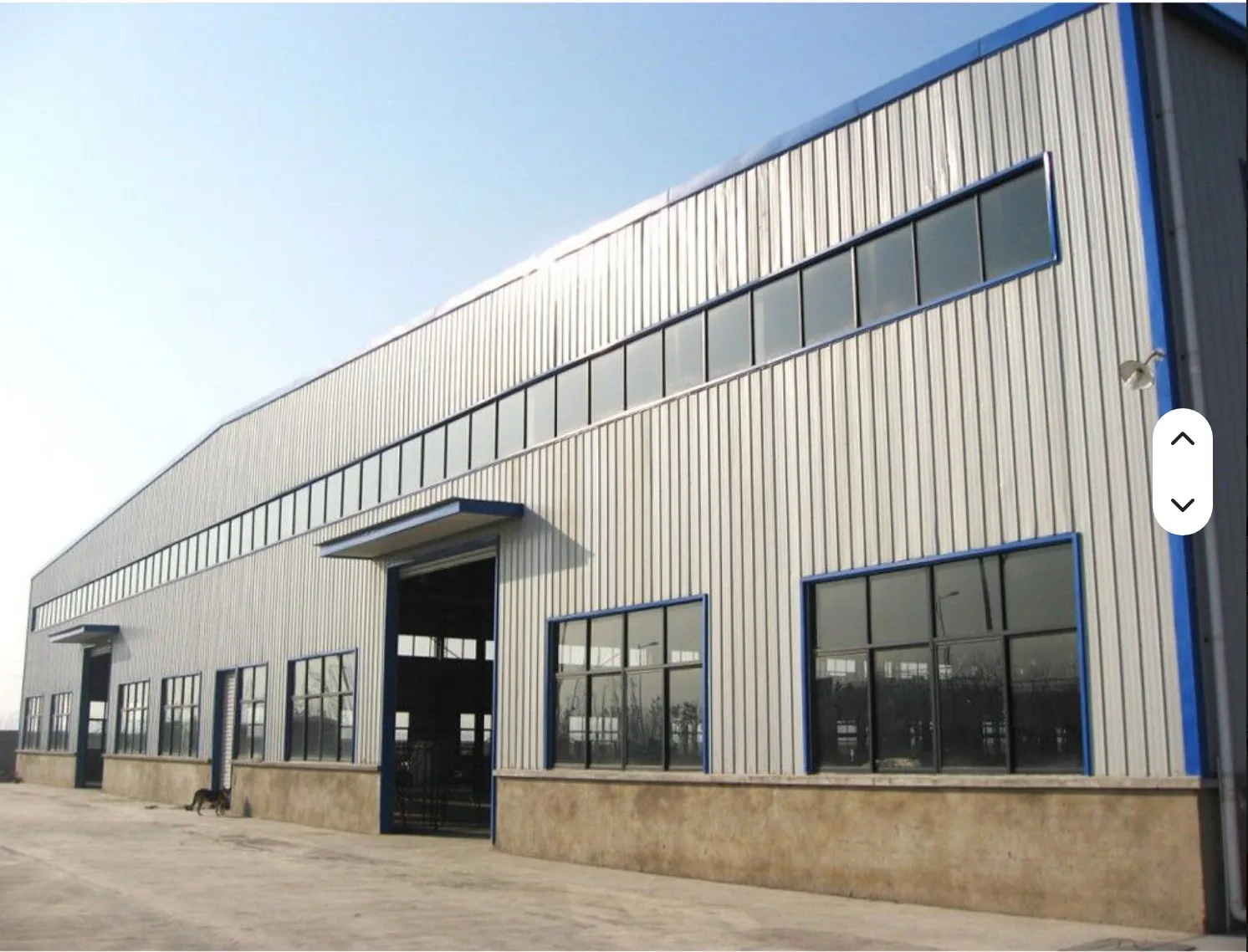 PEB Building Cost in UAEReal 2026 price per square metre for warehouses and factories in Dubai, Abu Dhabi and the wider Gulf, including shipping, customs and erection.Dubai / Abu Dhabi benchmarksView details →Nigeria
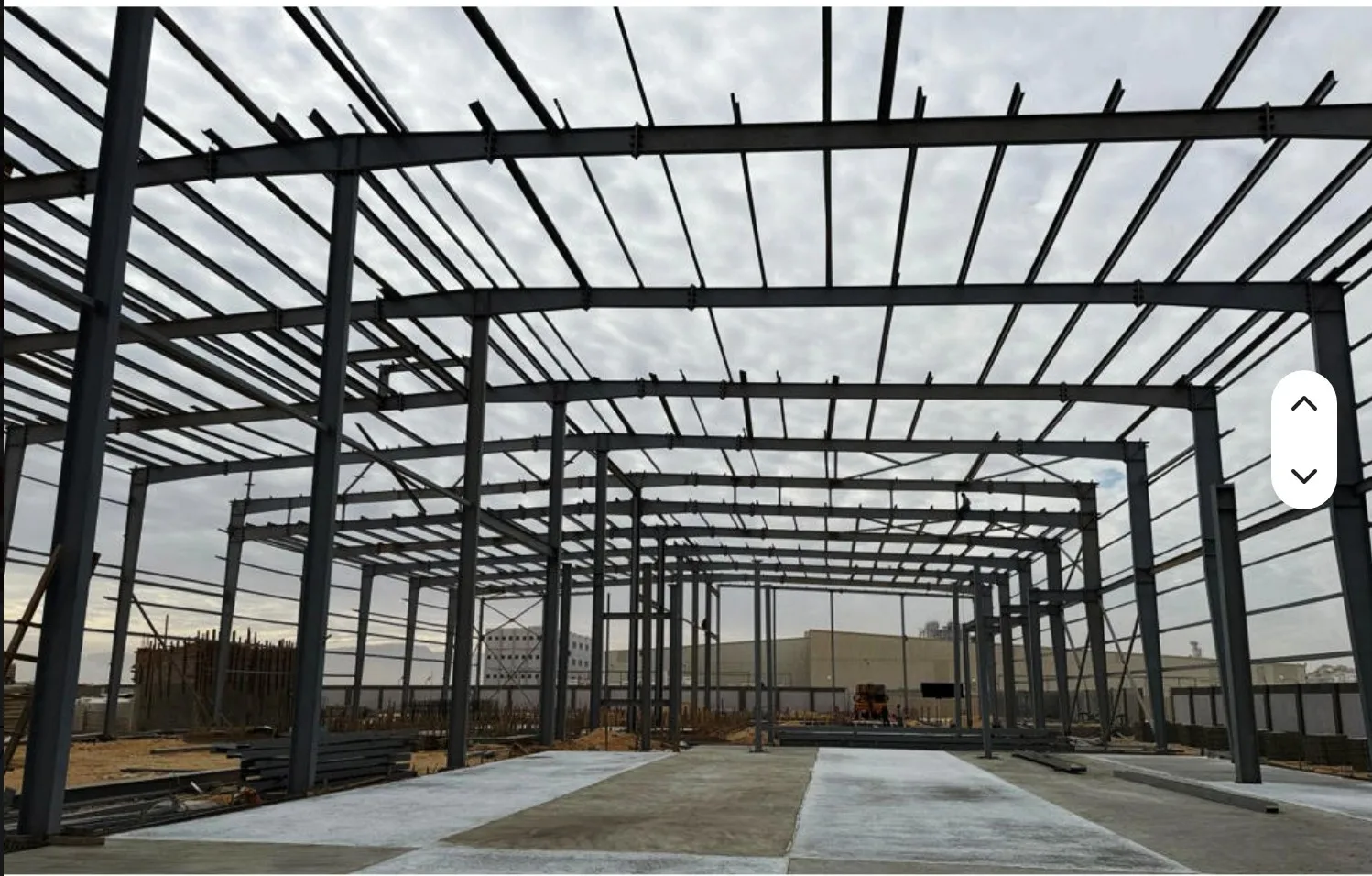 Steel Structure Cost in NigeriaLanded cost breakdown for Lagos and Abuja projects: steel tonnage, freight to Apapa, clearing, and local erection labour rates.Lagos / Abuja landed costView details →Kenya
 Steel Structure Cost in KenyaMombasa port charges, duty, transport and installation factored into a full 2026 budget for Nairobi and Mombasa industrial buildings.Nairobi / Mombasa budgetView details →China Factory
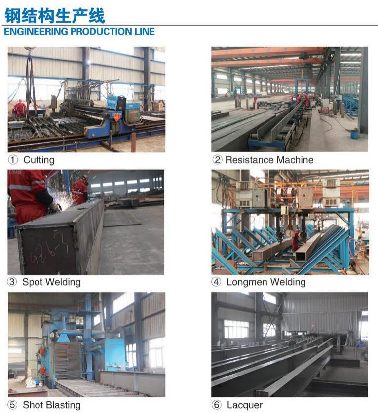 China Steel Structure ManufacturerOur own fabrication lines, ISO and CE certification, 350,000 sqm annual capacity and direct factory pricing with no trading margin.Direct factory quotationView details →