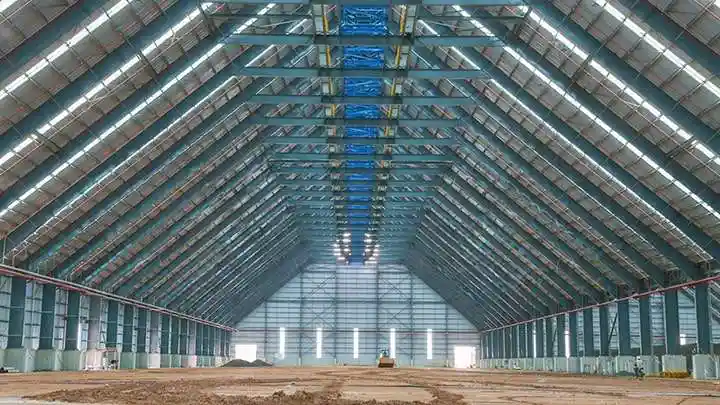
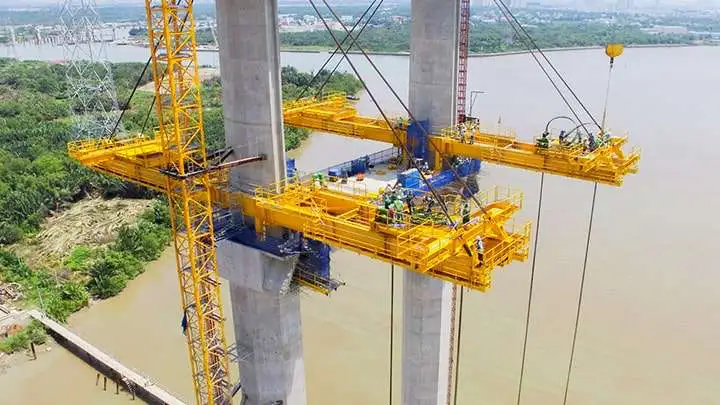
The Future of Steel Structure Construction: Trends, Benefits, and Global Outlook for 2025-2026
By Sino East Steel Group | July 2026
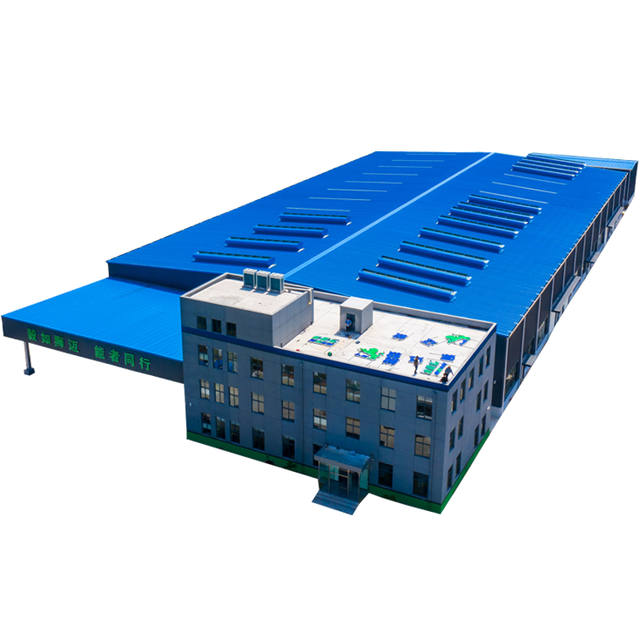
Introduction: Why Steel Structures Are Reshaping Global Construction
The global construction industry is undergoing a fundamental transformation. As project timelines shrink, sustainability mandates tighten, and cost pressures intensify, steel structure construction has emerged as the definitive solution for builders, developers, and industrial operators worldwide. The prefabricated steel structure buildings market was valued at approximately USD 45 billion in 2024 and is projected to grow at a CAGR of 6.1% through 2035, surpassing USD 171 billion in total modular construction value.
What drives this extraordinary growth? The answer lies in a convergence of factors: 30-50% faster construction times, 20-30% cost savings over traditional methods, 100% recyclability, and unparalleled design flexibility. From sprawling logistics warehouses in Dubai to aircraft hangars in Southeast Asia, steel structures are the backbone of modern infrastructure.
This comprehensive guide explores the latest trends, technical advantages, market outlook, and practical considerations for anyone evaluating steel structure solutions in 2025-2026.
What Is Steel Structure Construction?
A steel structure is a building framework composed of structural steel components — columns, beams, trusses, and purlins — fabricated to precise specifications and assembled on-site. Unlike traditional reinforced concrete construction, steel structures rely on the inherent strength-to-weight ratio of steel to create buildings that are simultaneously lighter, stronger, and more adaptable.
Key categories include:
| Category | Typical Applications | Span Range |
|---|---|---|
| Light Steel Structures | Residential, small commercial, agricultural | Up to 30m |
| Heavy Steel Structures | Industrial plants, multi-story buildings, power plants | 30-100m+ |
| Pre-Engineered Buildings (PEB) | Warehouses, factories, retail, hangars | 18-150m |
| Space Frame & Truss Systems | Stadiums, airports, exhibition halls | 50-200m+ |
Pre-Engineered Steel Buildings (PEB) deserve special attention. PEBs use 30% less steel than conventional structural designs by optimizing every component through computer-aided engineering. This approach has made steel structures the default choice for industrial and commercial construction across North America (33% market share), South America (17%), Africa (21%), and Southeast Asia (17%) — reflecting the global nature of steel structure exports from manufacturing hubs like China.
7 Compelling Advantages of Steel Structures Over Traditional Construction
1. Speed of Construction: 30-50% Faster
Prefabricated steel components are manufactured in controlled factory environments while site preparation proceeds in parallel. Once delivered, assembly follows a precise, bolt-together process that dramatically compresses project timelines.
Real-world data: A 10,000 sqm steel structure warehouse can be erected in 6-8 weeks, compared to 4-6 months for an equivalent concrete structure. This time compression translates directly into earlier revenue generation and reduced financing costs.
2. Cost Efficiency: 20-30% Savings
The cost advantage of steel structures stems from multiple sources:
- Reduced foundation costs: Steel structures weigh 60-70% less than comparable concrete buildings, requiring smaller, less expensive foundations
- Lower labor costs: Prefabrication reduces on-site labor by up to 30%
- Faster ROI: Earlier occupancy means earlier revenue
- Reduced lifecycle costs: Steel requires minimal maintenance and can be easily modified or expanded
3. Exceptional Strength-to-Weight Ratio
Structural steel offers the highest strength-to-weight ratio of any building material. A steel column can carry the same load as a concrete column 5-6 times its size. This enables:
- Longer clear spans (up to 150m without internal columns)
- Taller structures with smaller footprints
- Reduced seismic loads due to lower building mass
4. Design Flexibility and Future-Proofing
Steel structures can be easily modified, expanded, or reconfigured years after initial construction. Add a mezzanine floor, extend a bay, or reinforce for heavier equipment — steel accommodates change without the demolition required by concrete structures.
5. 100% Recyclable and Environmentally Sustainable
Steel is the world’s most recycled material. Structural steel contains an average of 93% recycled content, and at the end of a building’s life, 100% of the steel can be recycled into new steel products without loss of quality. Steel structures also contribute to LEED certification and other green building standards.
6. Durability and Low Maintenance
Modern steel structures incorporate advanced anti-corrosion treatments — hot-dip galvanizing, zinc-aluminum-magnesium (ZAM) coatings, and epoxy paint systems — that provide 50+ years of service life with minimal maintenance. Steel is also:
- Non-combustible (inherently fire-resistant when properly coated)
- Resistant to pests, mold, and rot
- Dimensionally stable (no warping, shrinking, or creeping)
7. Quality Control and Precision
Factory fabrication under ISO 9001, ISO 14001, ISO 45001, and CE certification ensures every component meets exact specifications. Computer-controlled cutting, welding, and drilling eliminate the variability inherent in on-site concrete work.
Key Applications: Where Steel Structures Excel
Industrial Warehouses and Logistics Centers
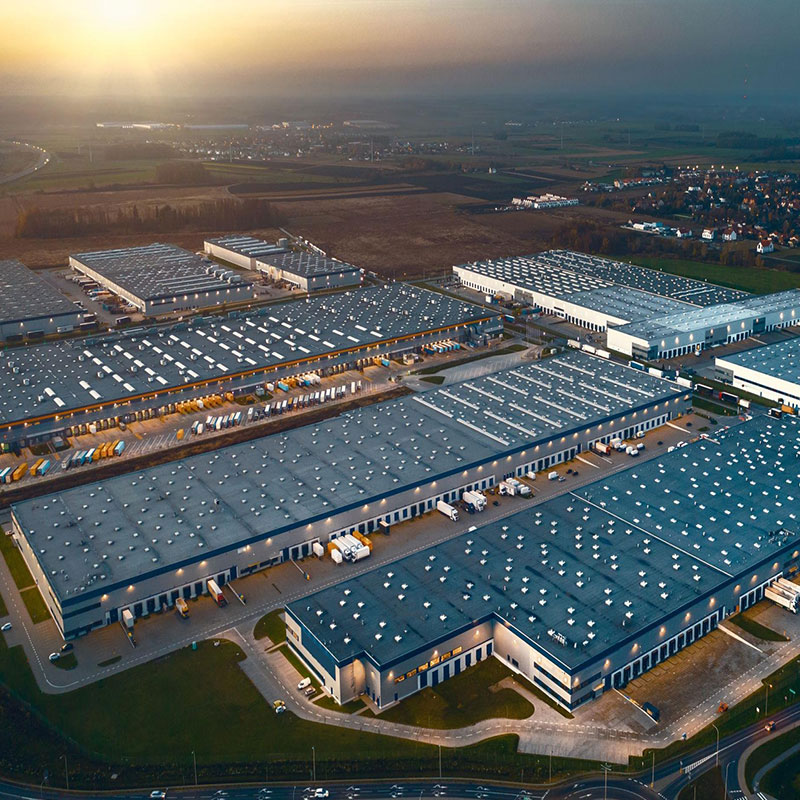
The rapid growth of e-commerce and global supply chains has created unprecedented demand for large-span, column-free warehouse space. Steel structures deliver clear spans of 30-80m, with eave heights of 9-15m, optimized for high-bay racking systems and automated material handling.
Aircraft Hangars and Aviation Facilities
Aircraft hangars require extraordinary clear spans — often 60-120m — to accommodate modern wide-body aircraft. Steel truss and space frame systems provide these spans efficiently, with integrated crane runway beams and fire protection systems.
Multi-Story Commercial and Industrial Buildings
Modern steel framing systems support 5-15 story buildings with column-free floor plates of 12-18m. Composite steel-concrete floor systems provide excellent vibration performance and acoustic isolation.
Stadiums, Arenas, and Public Venues
Steel space frames and truss systems create the iconic roof structures of modern stadiums, exhibition centers, and transportation hubs. Cantilevered designs of 40-60m are routinely achieved.
Agricultural and Cold Storage Facilities
Steel structures provide the hygienic, easily cleaned environments required for food processing and cold storage. Insulated sandwich panel systems combined with steel frames achieve thermal performance values of U=0.3 W/m²K or better.
Oil, Gas, and Energy Infrastructure
Offshore platforms, LNG terminals, and power plant structures demand steel’s combination of strength, corrosion resistance, and fatigue performance under extreme conditions.
2025-2026 Industry Trends: What’s Shaping the Market
Trend 1: Modular and Prefabricated Construction Goes Mainstream
Modular steel construction — where entire building sections are fabricated and fitted-out in factories, then assembled on-site — is the defining trend of 2025-2026. This approach reduces on-site construction time by 50-70% and virtually eliminates weather-related delays.
Key statistics:
- Modular construction market: USD 171.1 billion (2025), growing at 6.1% CAGR
- Factory-controlled quality reduces defects by 80%
- Waste reduction: up to 90% less on-site waste vs. traditional construction
Trend 2: Digital Twins and BIM Integration
Building Information Modeling (BIM) is now standard practice in steel structure design. Every component is digitally modeled before fabrication, enabling:
- Clash detection before steel is cut
- Precise quantity take-offs and cost estimation
- Integration with construction scheduling (4D BIM) and cost management (5D BIM)
- Digital twin creation for ongoing facility management
Trend 3: High-Strength and Advanced Steel Grades
New high-strength low-alloy (HSLA) steels with yield strengths of 460-690 MPa enable lighter structures with longer spans. Weathering steels (Corten) eliminate painting requirements entirely, while ZAM (Zinc-Aluminum-Magnesium) coated steels offer 10-20x the corrosion resistance of standard galvanized coatings.
Trend 4: AI and Generative Design Optimization
Artificial intelligence is revolutionizing steel structure design. Generative design algorithms explore thousands of structural configurations to find the optimal balance of weight, cost, and performance — often discovering solutions human engineers would never consider.
Trend 5: Green Building Certifications Drive Steel Adoption
Climate commitments and ESG requirements are making steel structures the preferred choice for developers targeting:
- LEED v4.1 certification
- BREEAM ratings
- Green Building Evaluation Standards across Asia and Europe
Steel’s recyclability, low waste, and potential for deconstruction and reuse align perfectly with circular economy principles.
Steel vs. Concrete: A Data-Driven Comparison
| Factor | Steel Structure | Concrete Structure |
|---|---|---|
| Construction Speed | 6-8 weeks (10,000 sqm) | 4-6 months |
| Structural Weight | 100-150 kg/sqm | 400-600 kg/sqm |
| Foundation Cost | 30-40% lower | Baseline |
| Clear Span | Up to 150m | Typically 12-18m |
| Modification Ease | Simple bolt-on | Requires demolition |
| Recyclability | 100% | Limited (downcycling) |
| Fire Resistance | Requires coatings | Inherent (2-4 hrs) |
| Seismic Performance | Excellent (ductile) | Good (brittle unless reinforced) |
| Initial Cost | $35-55/sqm (PEB building) | $60-100/sqm |
| Lifecycle Cost | Lower (low maintenance) | Higher (cracking, spalling) |
Note: Costs vary significantly by region, design complexity, and local labor rates. The figures above represent typical ranges for industrial buildings in 2025-2026.
A comprehensive study by ArcelorMittal comparing six-story steel and concrete structures found that steel came in 9.6% cheaper than concrete overall — a margin that grows with building height and span requirements.
Global Market Outlook and Regional Dynamics
Market Size and Growth
| Region | Market Share | Key Growth Drivers |
|---|---|---|
| North America | ~30% | E-commerce logistics, reshoring of manufacturing |
| Asia-Pacific | ~35% | Infrastructure investment, urbanization |
| Europe | ~20% | Sustainability mandates, renovation of aging stock |
| Middle East & Africa | ~10% | Oil & gas, infrastructure megaprojects |
| Latin America | ~5% | Mining, agriculture, renewable energy |
China’s Role as Global Manufacturing Hub
China remains the world’s largest producer and exporter of steel structures, with manufacturing clusters in Tianjin, Shandong, Hebei, and Liaoning provinces. Leading manufacturers offer:
- Full customization (size, material, color, design, logo)
- International certifications (ISO 9001, ISO 14001, ISO 45001, CE, AISC, CWB)
- Complete project support from 3D rendering and engineering calculations through installation supervision
How to Choose a Steel Structure Supplier: 10-Point Checklist
- Experience: Look for 10+ years in the industry with a portfolio of completed projects
- Certifications: Verify ISO 9001, ISO 14001, ISO 45001, CE, and any country-specific requirements (AISC for US, CWB for Canada)
- Customization Capability: Can they provide drawing-based customization, full design services, and engineering calculations?
- Quality Control: What inspection processes are in place? (Finished product inspection, quality traceability, factory inspection reports)
- Production Capacity: Assess annual revenue (US$10M+ indicates substantial capacity) and production lines (10+ lines)
- Export Experience: Review export regions and ask for references in your target market
- Response Time: Evaluate inquiry response times (≤2-3h indicates strong customer service)
- Delivery Performance: Check on-time delivery rates (target: 90%+)
- After-Sales Support: What installation guidance, warranty, and technical support is provided?
- Value, Not Just Price: The lowest quote rarely delivers the best lifecycle value. Consider total cost of ownership.
Frequently Asked Questions (FAQ)
Q1: What is the typical lifespan of a steel structure building?
A well-designed and properly maintained steel structure can last 50-70 years or more. With modern anti-corrosion treatments (hot-dip galvanizing, ZAM coatings, epoxy systems) and regular inspection, service life often exceeds 50 years without major rehabilitation.
Q2: How much does a steel structure warehouse cost per square meter?
For a typical industrial warehouse in 2025-2026, expect $30-$55/sqm for the steel frame and enclosure system (PEB design). Complete turnkey costs including foundation, MEP, and finishes typically range from $80-$150/sqm, depending on specifications and location.
Q3: Are steel structures safe in earthquakes?
Steel is one of the best materials for seismic zones. Its inherent ductility allows it to absorb and dissipate earthquake energy through controlled deformation without sudden failure — a property concrete structures can only achieve through extensive (and expensive) reinforcement detailing.
Q4: Can steel structure buildings be insulated effectively?
Yes. Modern sandwich panel systems (EPS, PU, rock wool cores) combined with steel frames achieve U-values as low as 0.2-0.3 W/m²K, meeting or exceeding energy code requirements in most climate zones.
Q5: How long does it take to design and deliver a custom steel structure?
Typical project timelines:
- Design and engineering: 2-4 weeks
- Fabrication: 4-8 weeks (depending on complexity)
- Shipping: 2-6 weeks (depending on destination)
- On-site erection: 4-12 weeks (depending on size)
Q6: What maintenance does a steel structure require?
Annual visual inspection of coatings, fasteners, and sealants. Touch-up painting of any scratches or damaged areas. Full repainting interval depends on environment — 15-25 years for most industrial and commercial applications.
Conclusion: The Steel Structure Advantage
The construction industry stands at an inflection point. Rising material costs, skilled labor shortages, and urgent sustainability requirements are rendering traditional building methods increasingly untenable. Steel structures — with their superior speed, cost efficiency, design flexibility, and environmental performance — offer a clear path forward.
For developers, building owners, and contractors evaluating their next project, the evidence is compelling:
- 30-50% faster than concrete construction
- 20-30% lower total installed cost
- 100% recyclable with minimal waste
- 50+ year service life with low maintenance
- Unlimited design flexibility with column-free spans up to 150m
Whether you need a 10,000 sqm logistics warehouse, a wide-span aircraft hangar, or a multi-story commercial complex, modern steel structure technology delivers the performance, economy, and sustainability that today’s projects demand.
About Sino East Steel Group: Established in 1993 and headquartered in Tianjin, China, Sino East Steel Group is a comprehensive industrial group specializing in steel structure design, fabrication, and installation. With ISO 9001, ISO 14001, ISO 45001, ISO 3834, and IAS AC472 certifications, we deliver turnkey steel structure solutions to clients across North America, Africa, Southeast Asia, the Middle East, and beyond. Our product portfolio spans pre-engineered buildings, heavy industry steel structures, infrastructure and transportation steel structures, offshore platforms, airport terminals, and oil, gas, and energy facilities.
Contact us today for a customized quotation and engineering consultation.
Keywords: steel structure, prefabricated steel building, steel warehouse, steel structure workshop, pre-engineered building, metal building, steel frame construction, modular steel construction, steel hangar, industrial steel building, steel structure manufacturer, PEB building, structural steel, steel construction
This article was last updated: July 2026. Market data reflects the most current available information.
Recommended Modular Solutions For This Project
Factory-direct prefab housing, delivered flat-packed to cut ocean freight by up to 70%.
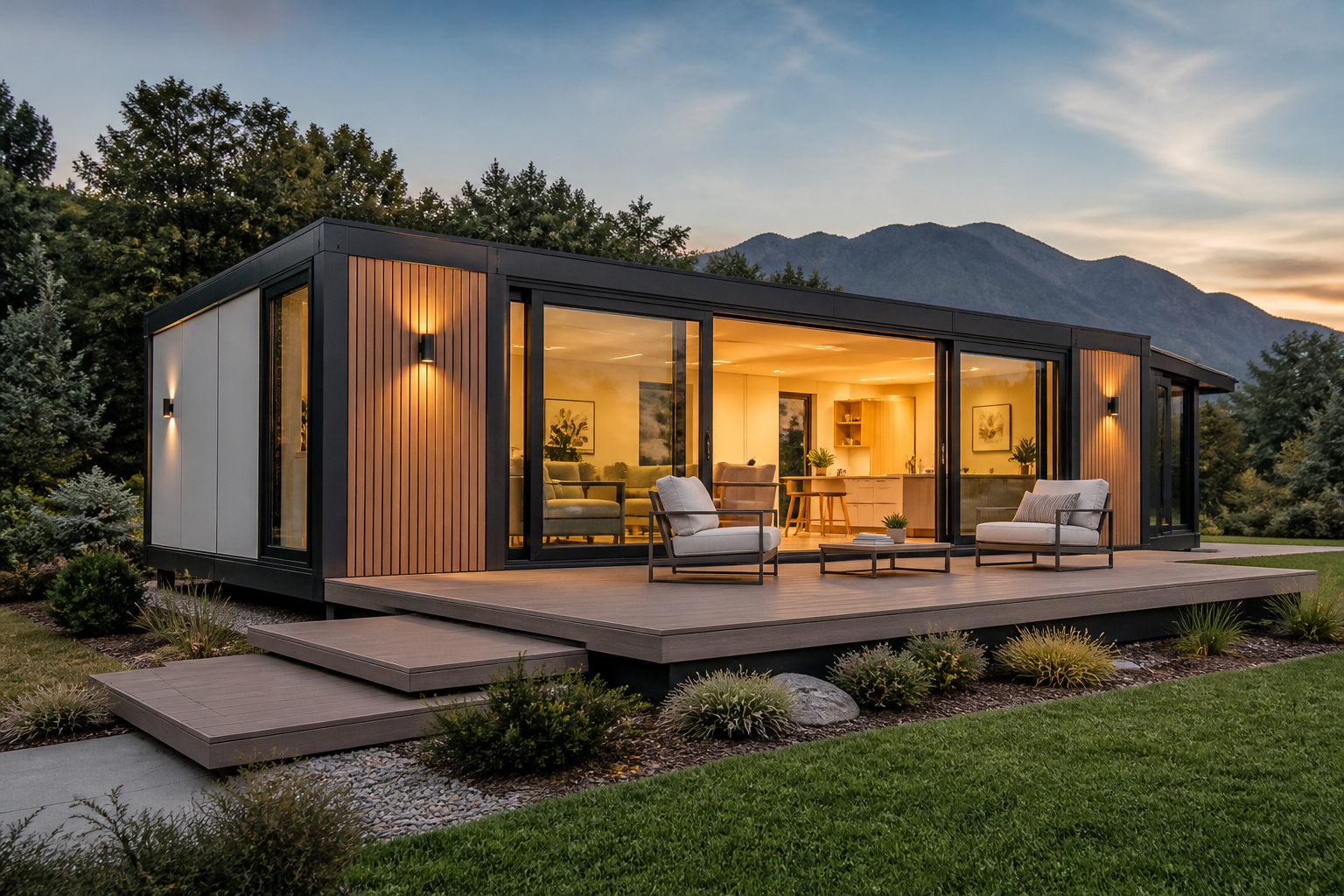 Expandable Container HouseA 20ft unit expands to 40ft living space in about 30 minutes. Two bedrooms, kitchen and bathroom ready. Popular for ADU, granny flats and backyard cabins in USA and Canada.From USD 6,800 / unitView details →Lowest Freight
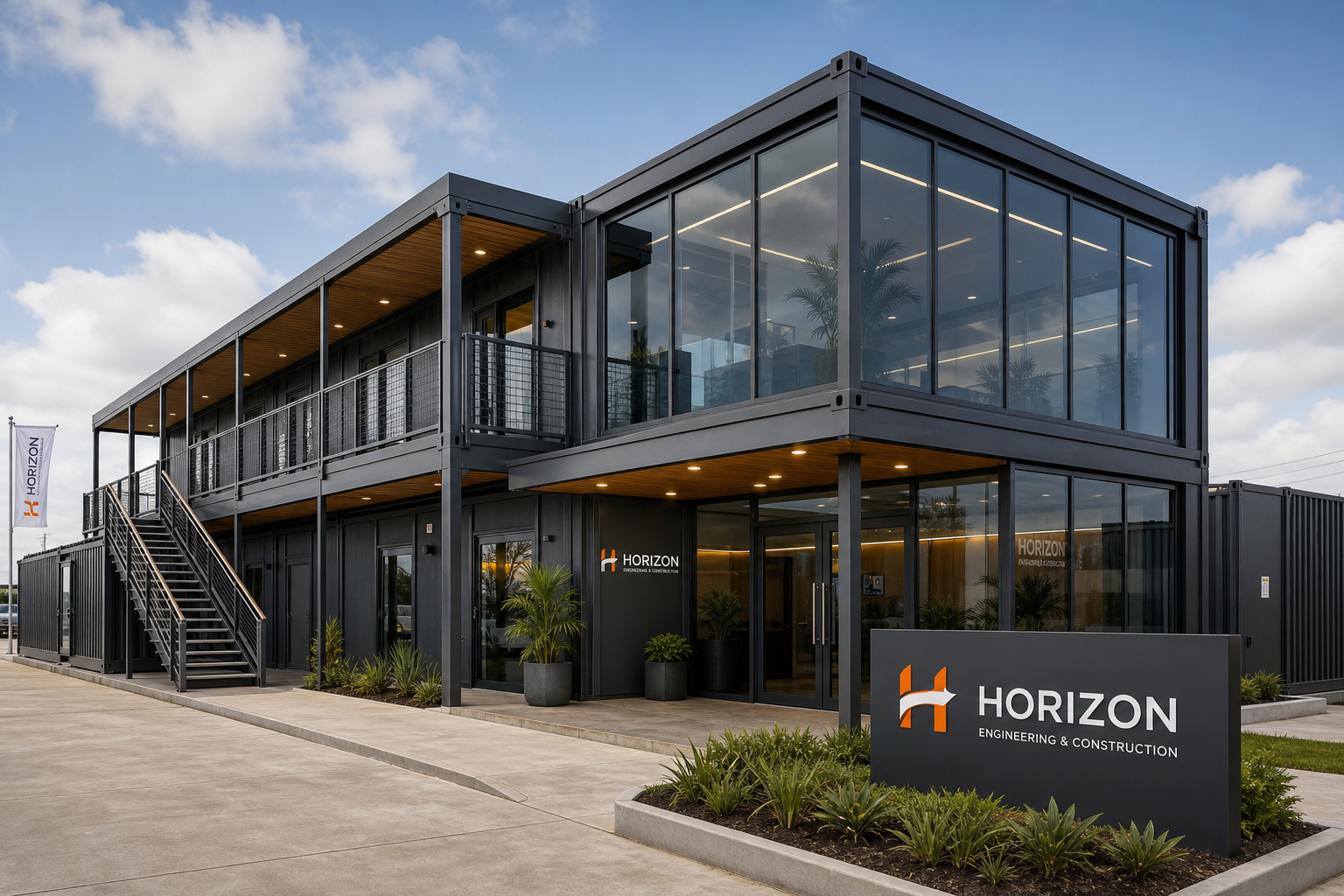 Flat Pack Container HouseKnock-down modular box: 4 units load into one 40HQ container. The fastest way to build labour camps, canteens and site accommodation.From USD 2,300 / unitView details →Remote Projects
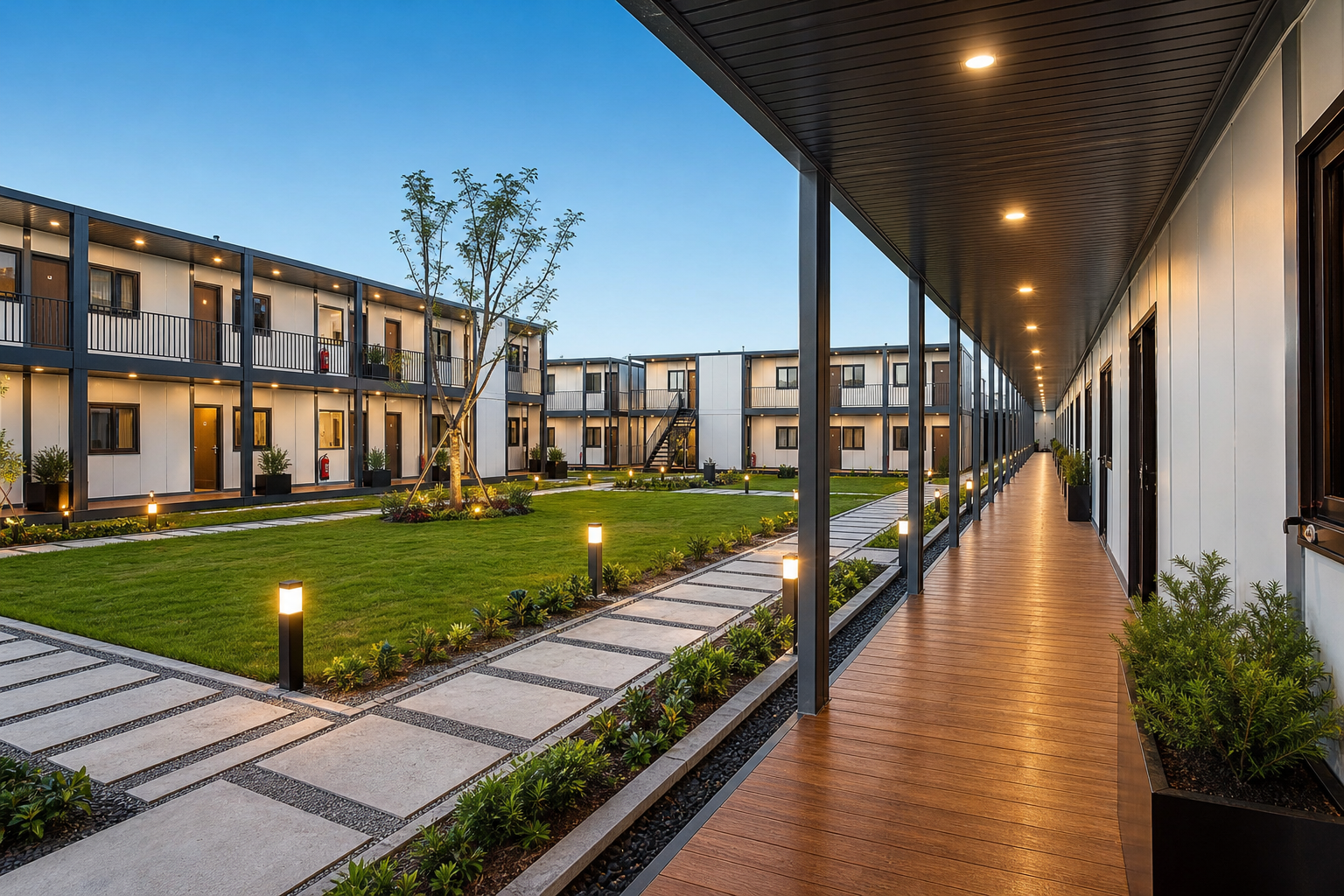 Mining Camp Container HousingInsulated FIFO accommodation for Pilbara, Queensland and African mine sites. Cyclone-rated, high wind load, 30-year design life, fully fitted bathrooms.Turnkey camp designView details →Site Facility
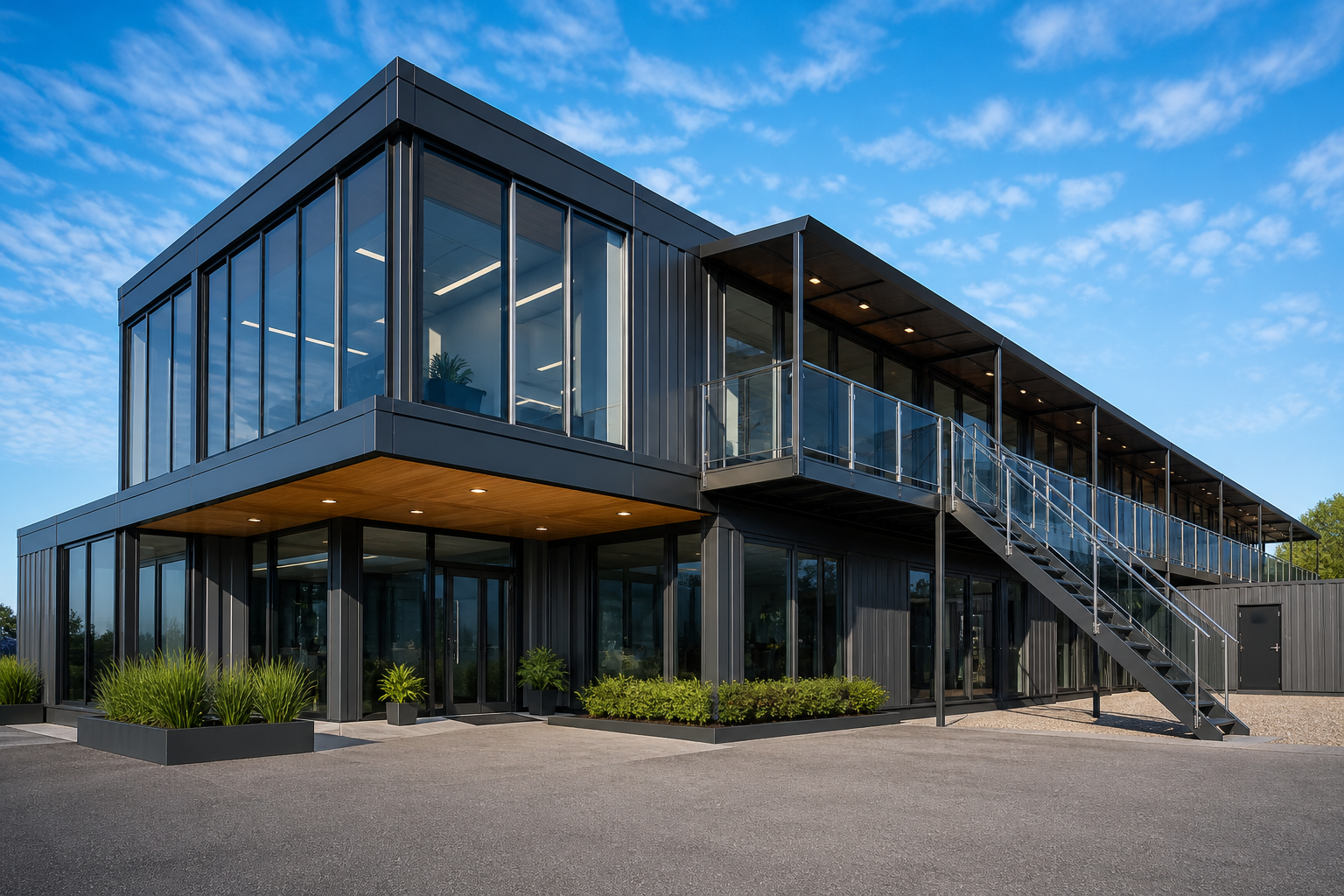 Modular Site OfficeStackable two-storey office and site headquarters units with glass curtain wall, split air conditioning and complete electrical fit-out.Stack up to 3 floorsView details →