Steel Storage Tanks — API 650 & AWWA D100 Compliant Solutions for Liquid and Bulk Storage
Sino East Steel Group designs and fabricates above-ground storage tanks (AST) for water, fuel oil, chemicals, and bulk materials. Our tanks are API 650, AWWA D100, and EN 14015 compliant, with capacities from 100 m³ to 100,000 m³. We offer internal floating roofs, external pontoon roofs, and double-wall containment systems — engineered for safe storage of flammable, toxic, and environmentally sensitive materials in all climate zones.
What Is a Steel Storage Tank?
A steel storage tank is a cylindrical vessel fabricated from welded steel plates, designed to store liquids (water, fuel, chemicals) or bulk solids (grain, cement, aggregates). Tank design depends on stored product properties (density, temperature, corrosivity), site conditions (seismic, wind, snow), and regulatory requirements (EPA, NFPA, API). The two primary standards — API 650 (petroleum and industrial liquids) and AWWA D100 (water) — govern design, fabrication, and testing for most above-ground tanks.
Technical Specifications
| Parameter | Specification |
|---|---|
| Capacity | 100 m³ to 100,000 m³ (custom sizes available) |
| Diameter | 5m to 100m |
| Height | 5m to 24m (shell height) |
| Shell thickness | 5mm to 45mm (varies by course, thickest at bottom) |
| Steel grade | A36, A573 Gr.70, A516 Gr.70, A537 (pressure vessel quality) |
| Roof types | Fixed cone, fixed dome, internal floating (IFR), external floating (EFR) |
| Bottom | Single or double bottom (with leak detection for environmental compliance) |
| Design codes | API 650, AWWA D100, EN 14015, UL 142, NFPA 30 |
| Coating | Internal: epoxy phenolic or glass-lined; External: epoxy primer + polyurethane |
| Cathodic protection | Impressed current (ICCP) or sacrificial anodes for bottom plate |
Applications
- Petroleum & Fuel: Crude oil, gasoline, diesel, jet fuel, fuel oil (API 650, NFPA 30 compliant)
- Chemicals: Acids, alkalis, solvents, petrochemical feedstocks (with specialty linings)
- Water: Potable water (AWWA D100), fire protection reserves, wastewater treatment
- Liquefied Gases: LPG, propane, butane (refrigerated or pressurized)
- Bulk Solids: Grain, cement, fly ash, mineral ores (with hopper bottoms)
- Specialty: Wine, edible oils, molasses (food-grade stainless steel)
Roof Systems
Tank roof selection depends on stored product volatility and environmental regulations:
- Fixed cone roof: Most economical for non-volatile liquids (water, fuel oil, chemicals). Self-supporting or column-supported for large diameters.
- Fixed dome roof: Architectural option for water tanks and aesthetic applications. Self-supporting geodesic or ribbed design.
- Internal floating roof (IFR): Reduces evaporation losses for volatile products (gasoline, crude oil). Aluminum or steel pontoon design with seal system.
- External floating roof (EFR): For large-diameter crude oil tanks. Pontoon or double-deck design with primary/secondary weather seals.
Environmental Protection
Modern tank design emphasizes environmental protection: double-bottom construction with interstitial leak detection (EPA SPCC compliance), secondary containment dikes sized for 110% of tank capacity, vapor recovery systems for volatile organic compounds (VOCs), and cathodic protection systems monitored by remote sensors. For sensitive applications, we design double-wall tanks with interstitial monitoring for immediate leak detection.
Fabrication & Erection
Tank fabrication follows API 650 Section 8 (fabrication) and Section 10 (erection): shell plates are rolled to required curvature, beveled for welding, and erected course by course. Welding procedures: submerged arc welding (SAW) for shell vertical and circumferential welds, shielded metal arc welding (SMAW) for nozzle attachments and appurtenances. Radiographic testing (RT) per API 650 Section 8.6 — 100% of butt welds for hazardous service, 10% spot RT for standard service.
Field erection methods include: conventional course-by-course (jack-up system for large tanks), tank jacking method (bottom-to-top construction avoiding high-level work), and shop-fabricated modular tanks (for small capacities ≤ 500 m³ shipped complete).
Quality Assurance & Testing
Every tank undergoes: material certification (EN 10204 3.1/3.2 for plate), welding procedure qualification (API 650 Section 9), welder qualification, radiographic testing of shell welds, hydrostatic testing (filling with water for 24 hours minimum per API 650 Section 7.3), and dimensional verification. Coating inspection follows NACE SP0178 and SSPC standards with holiday detection for internal linings.
Maintenance & Inspection
Tank inspection programs follow API 653 (above-ground tank inspection): external inspection every 5 years, internal inspection every 10-20 years (depending on service), and UT thickness measurement at designated checkpoints. We provide inspection services, repair welding, coating maintenance, and retrofit solutions (adding IFRs, upgrading cathodic protection, installing leak detection systems).
Contact Us
For storage tank projects requiring API 650 or AWWA D100 compliance, contact our engineering team for detailed design proposals and fabrication quotes.
Project Cost Guides & China Factory Supply
Transparent 2026 pricing benchmarks for importers, contractors and developers.
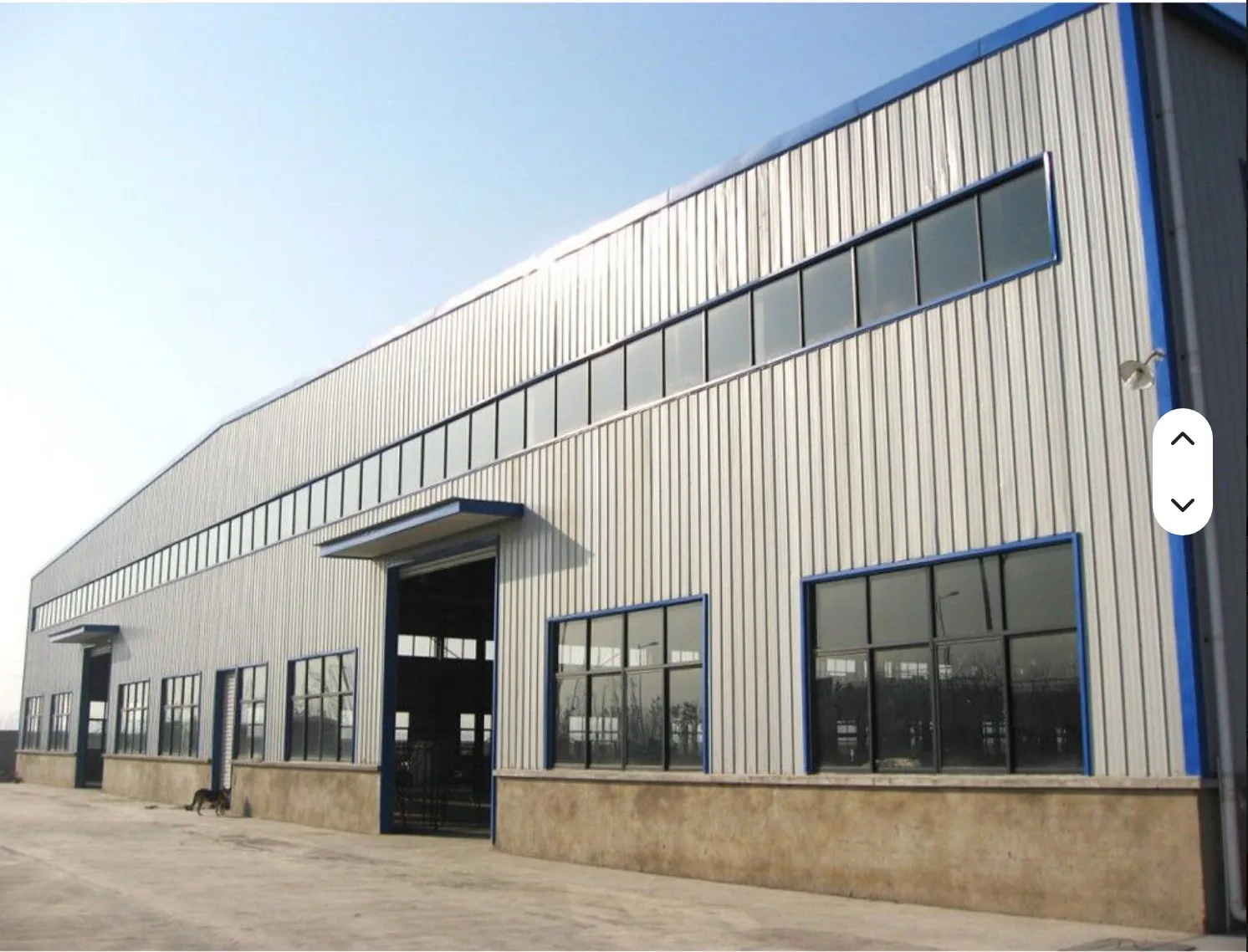 PEB Building Cost in UAEReal 2026 price per square metre for warehouses and factories in Dubai, Abu Dhabi and the wider Gulf, including shipping, customs and erection.Dubai / Abu Dhabi benchmarksView details →Nigeria
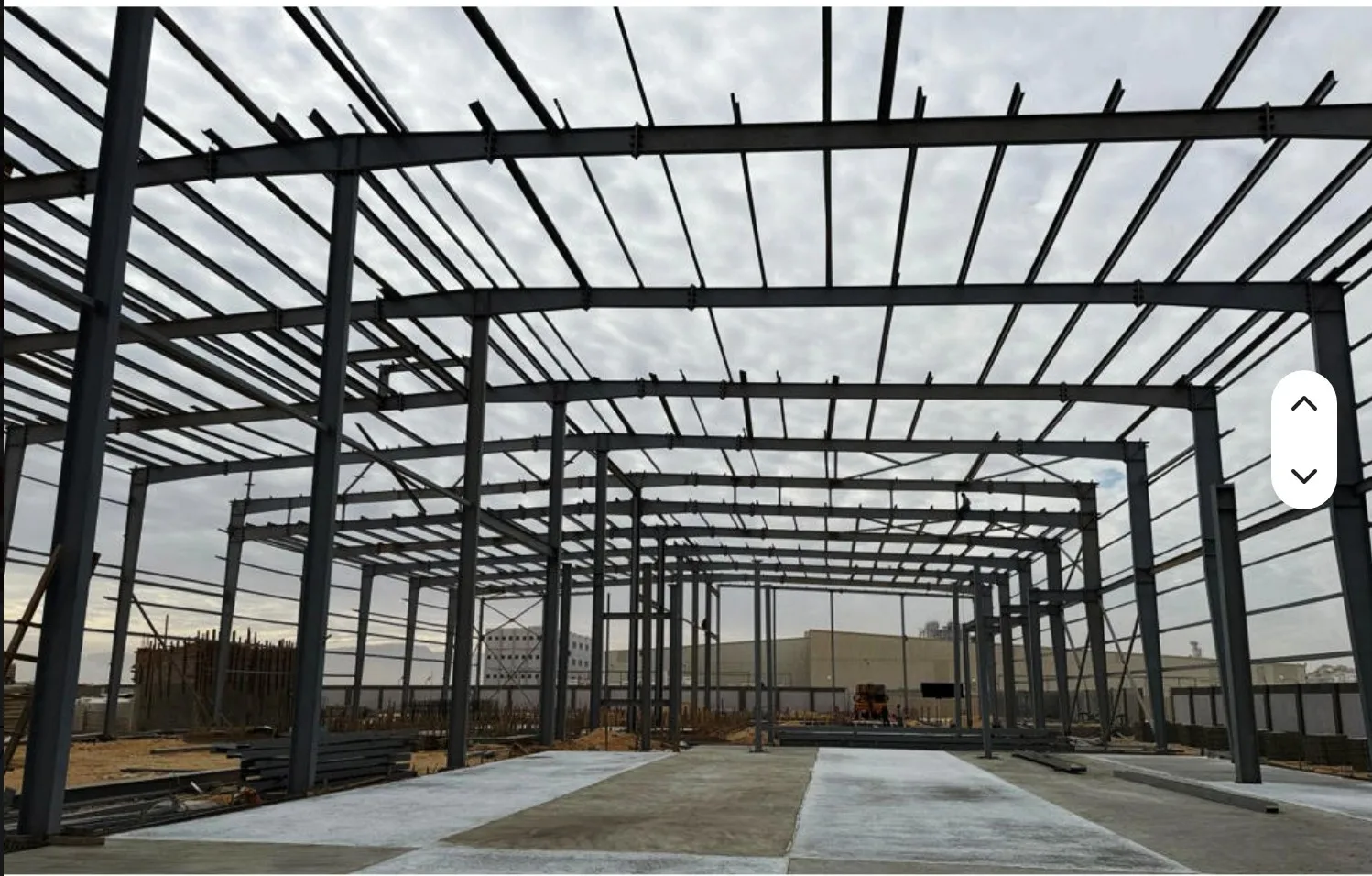 Steel Structure Cost in NigeriaLanded cost breakdown for Lagos and Abuja projects: steel tonnage, freight to Apapa, clearing, and local erection labour rates.Lagos / Abuja landed costView details →Kenya
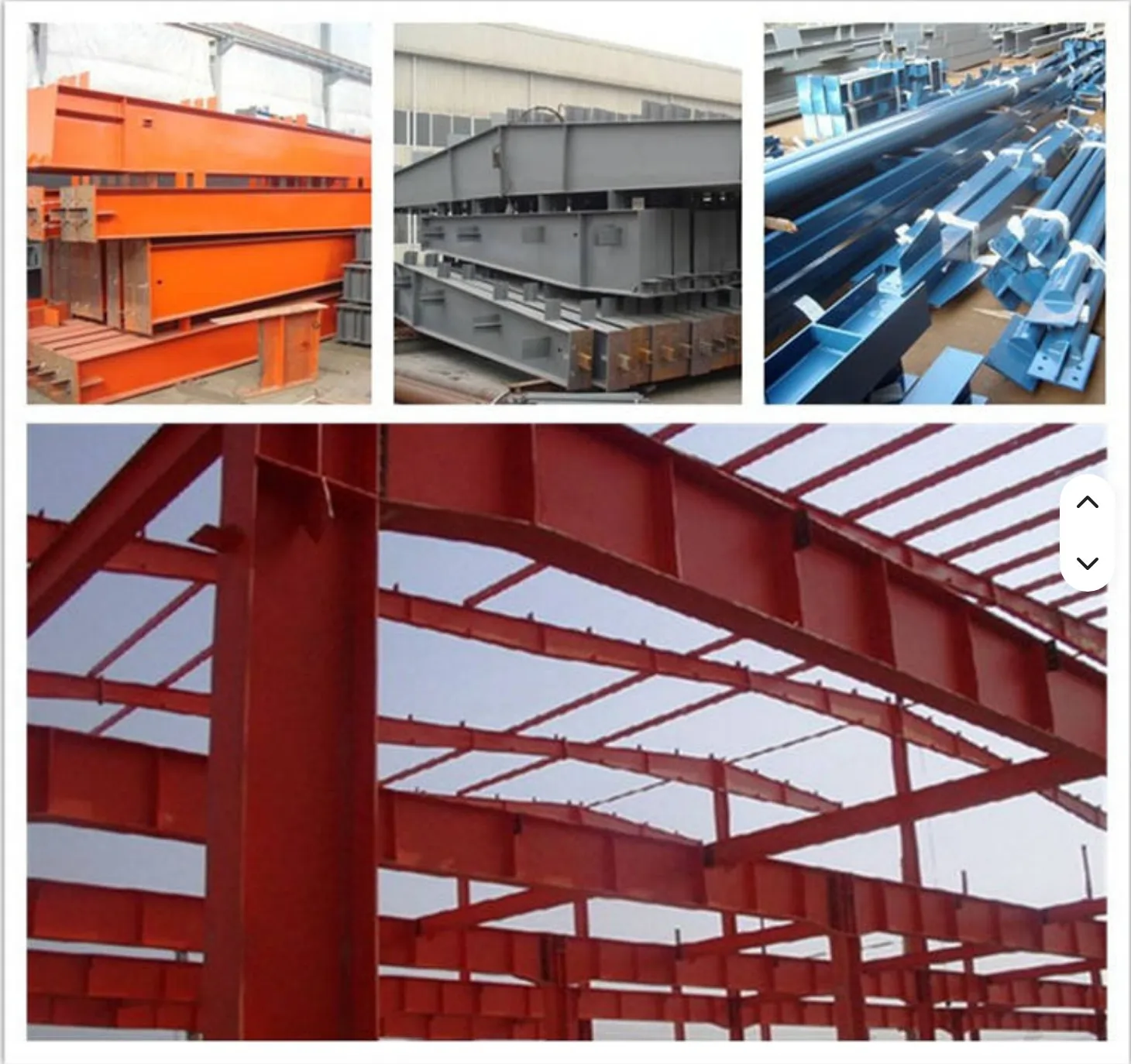 Steel Structure Cost in KenyaMombasa port charges, duty, transport and installation factored into a full 2026 budget for Nairobi and Mombasa industrial buildings.Nairobi / Mombasa budgetView details →China Factory
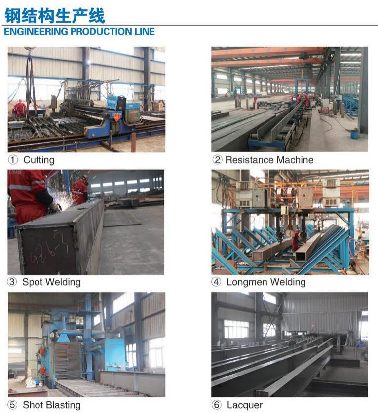 China Steel Structure ManufacturerOur own fabrication lines, ISO and CE certification, 350,000 sqm annual capacity and direct factory pricing with no trading margin.Direct factory quotationView details →