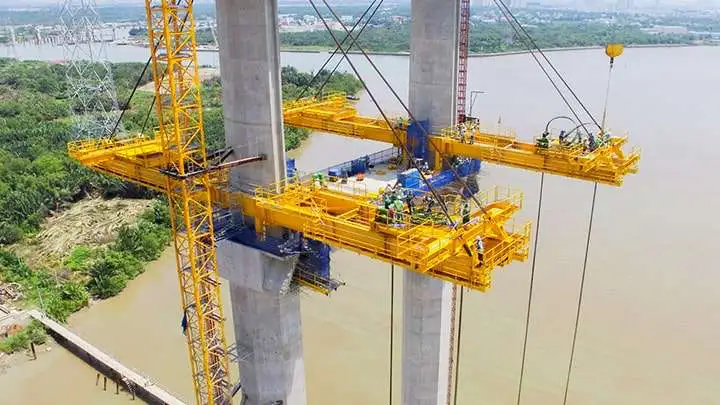
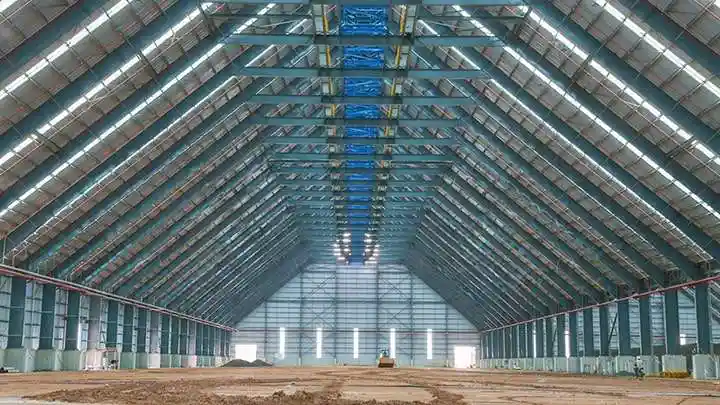
Oil, Gas, Energy Power & LNG Steel Structures — Critical Infrastructure for the Energy Sector
Sino East Steel Group fabricates steel structures for the energy sector: power plant boiler structures, LNG storage tank exteriors, refinery pipe racks, wind turbine foundations, and solar support structures. Our energy-sector structures are engineered for extreme temperature cycles (cryogenic to 600°C), blast resistance, seismic performance, and long service life in harsh environments. We deliver structures certified to API, ASME, AISC, and ACI standards for energy infrastructure worldwide.
Energy Sector Structural Challenges
Energy infrastructure demands specialized engineering: (1) thermal loading — boiler structures operate at 300-600°C with thermal expansion accommodation; (2) cryogenic exposure — LNG facilities handle -162°C fluids requiring 9% nickel steel and special design considerations; (3) blast resistance — gas processing facilities require blast-resistant design per API RP 752; (4) dynamic loading — wind turbines generate cyclic loads requiring fatigue design; (5) seismic performance — power plants are essential facilities (ASCE 7 Category IV).
Technical Specifications
| Parameter | Specification |
|---|---|
| Thermal range | -196°C (LNG) to +600°C (boiler structures) |
| Specialty materials | 9% Ni steel (ASTM A553), chrome-moly (A387 Gr.11/22), stainless (304L/316L) |
| Boiler steel | Q345R, A516 Gr.70, A387 Gr.11/22 (pressure vessel quality) |
| Blast design | API RP 752, ductility ratio up to 3.0, plastic analysis |
| Fatigue design | AISC 360 Appendix 3, DNV-RP-C203 for wind/solar structures |
| Seismic category | ASCE 7 Category IV (Ie=1.5) for power generation |
| Fire protection | Hydrocarbon fire curve (UL 1709), up to 4-hour rating |
| Coating | C5-I marine/industrial, epoxy phenolic or glass-flake systems |
Applications
- Thermal Power: Boiler structures, turbine halls, precipitator casings, FGD ductwork, chimney structures
- Nuclear Power: Containment exteriors, cooling tower supports, turbine buildings (seismic Category I)
- LNG Facilities: Storage tank outer containers, process pipe racks, loading terminal structures
- Oil & Gas: Refinery pipe racks, compressor platforms, flare stacks, separator supports
- Renewable Energy: Wind turbine foundations (monopile/jacket), solar panel support structures, hydroelectric penstocks
- Transmission: High-voltage transmission towers, substation structures, switchyard supports
Power Plant Boiler Structures
Boiler structures support the heaviest equipment in thermal power plants — boilers weighing 5,000-15,000 tons with operating temperatures of 300-600°C. Design requirements: primary steel in ASTM A572 Gr.50 or A588 (weathering), with high-temperature zones using chrome-moly steel (A387 Gr.11/22) or stainless steel cladding. Thermal expansion is accommodated through sliding bearings and expansion joints. Structural analysis includes thermal stress (per ASME Section VIII Division 2), wind, seismic, and equipment vibration loads.
LNG Storage Tank Structures
LNG storage tanks use double-wall construction: inner tank in 9% nickel steel (ASTM A553 Type I) for -162°C service, outer tank in prestressed concrete or steel for containment and vapor barrier. We fabricate outer tank steel components (shell plates, roof structures, platforms) following API 625 and EN 14620 standards. Design considerations: thermal contraction accommodation, seismic anchorage, concrete-steel interaction, and secondary containment for leak protection.
Wind Turbine Support Structures
For offshore wind farms, we fabricate monopile transition pieces (TP) and jacket foundations supporting turbines up to 15MW capacity. Transition pieces connect the monopile to the turbine tower and include: boat landing, access platform, J-tube for cable routing, and corrosion protection systems. Design follows DNV-ST-0126 (support structures for wind turbines) with fatigue analysis for 25-year design life under cyclic wave and wind loading.
Solar Support Structures
For utility-scale solar (PV and CSP), we fabricate mounting structures: fixed-tilt racks, single-axis trackers, and dual-axis trackers. Material options include hot-dip galvanized steel (ISO 1461, 85μm minimum), ZAM-coated steel, or aluminum for corrosive environments. Design loads: wind uplift (up to 200 km/h), snow, seismic, and dynamic loads from tracking systems. We optimize member sizes for cost efficiency while maintaining 25+ year service life.
Blast & Fire Protection for Energy Facilities
Energy facilities face hydrocarbon fire and explosion risks. We design: blast-resistant buildings per API RP 752 (control rooms, accommodation modules), passive fire protection per UL 1709 (hydrocarbon pool fire curve) and API 2218, and blast-resistant pipe racks with ductile connection detailing. Blast analysis uses single-degree-of-freedom (SDOF) or multi-degree-of-freedom (MDOF) methods with pressure-impulse (P-I) diagrams.
Quality Assurance
Energy sector projects require: material certification (EN 10204 3.1/3.2 for pressure-quality steel), welding qualifications per ASME Section IX or AWS D1.1, 100% NDT on critical welds (UT/RT/MT), and third-party inspection by classification societies (DNV, ABS, BV) or authorized inspectors (AIA). Documentation includes: material test reports, welding procedure specifications, inspection test plans, and as-built drawings with full traceability.
Contact Us
For energy sector projects requiring specialized material and engineering capabilities, contact our technical team for comprehensive design and fabrication proposals.
Project Cost Guides & China Factory Supply
Transparent 2026 pricing benchmarks for importers, contractors and developers.
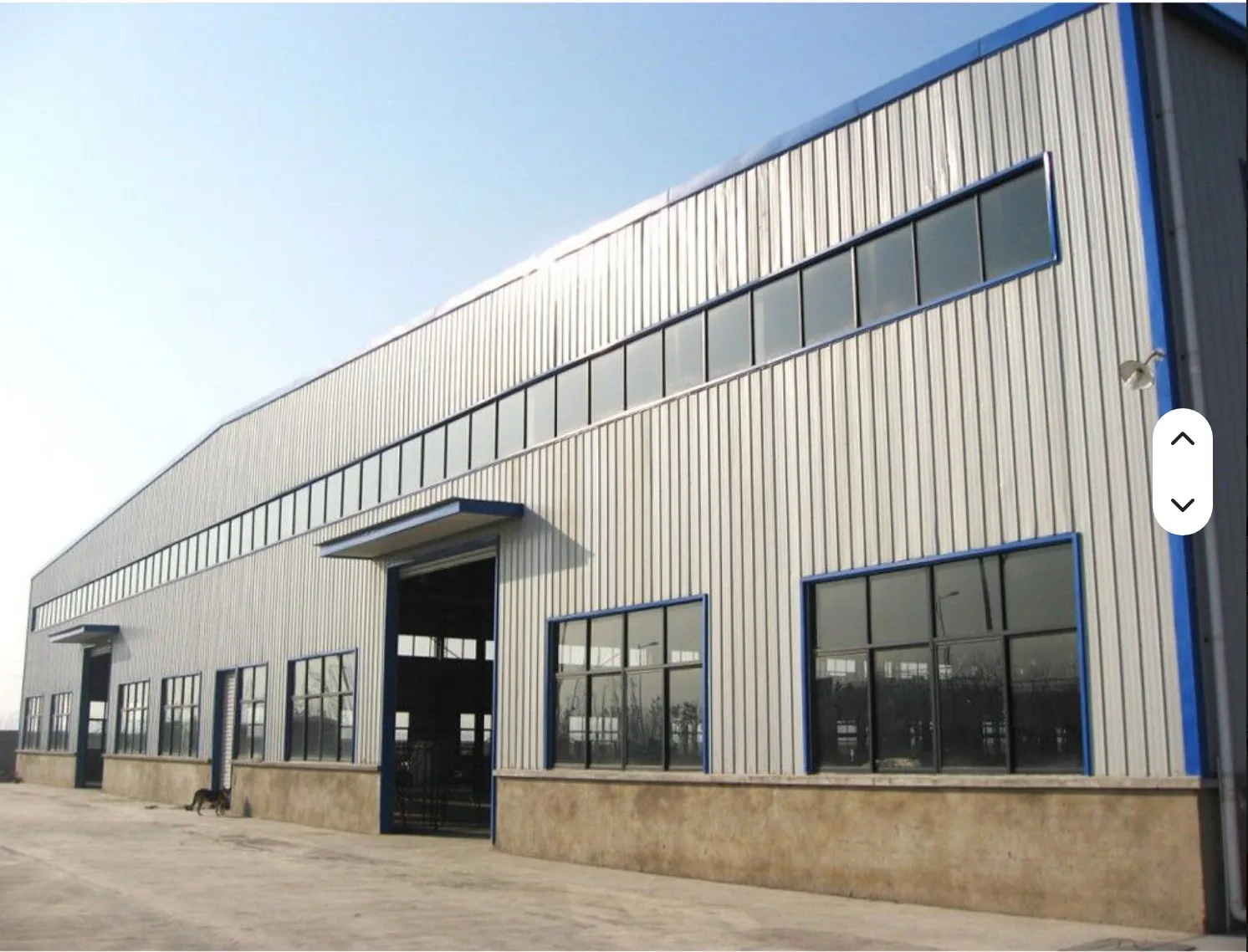 PEB Building Cost in UAEReal 2026 price per square metre for warehouses and factories in Dubai, Abu Dhabi and the wider Gulf, including shipping, customs and erection.Dubai / Abu Dhabi benchmarksView details →Nigeria
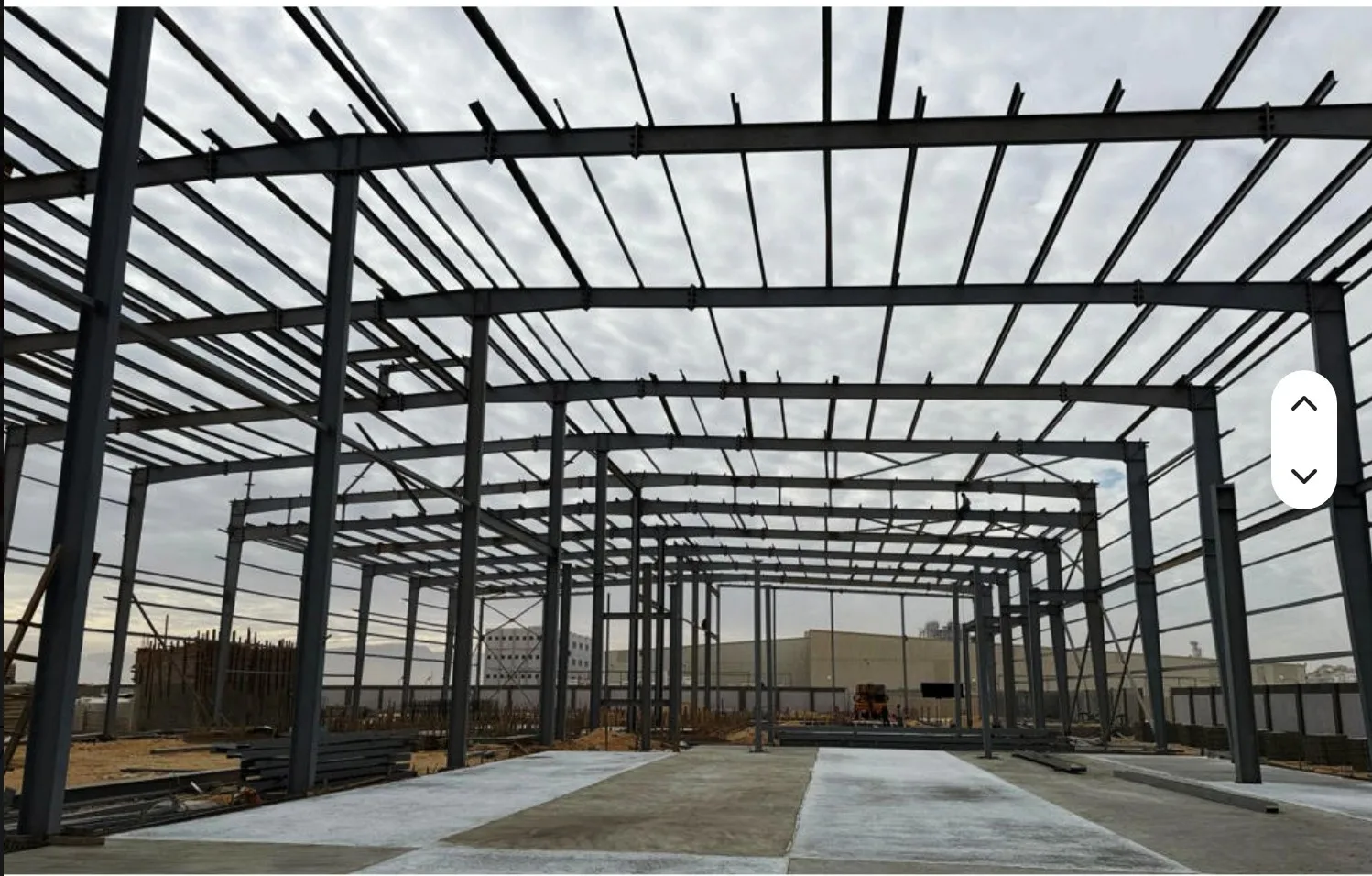 Steel Structure Cost in NigeriaLanded cost breakdown for Lagos and Abuja projects: steel tonnage, freight to Apapa, clearing, and local erection labour rates.Lagos / Abuja landed costView details →Kenya
 Steel Structure Cost in KenyaMombasa port charges, duty, transport and installation factored into a full 2026 budget for Nairobi and Mombasa industrial buildings.Nairobi / Mombasa budgetView details →China Factory
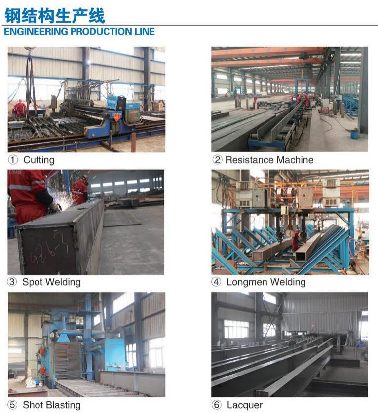 China Steel Structure ManufacturerOur own fabrication lines, ISO and CE certification, 350,000 sqm annual capacity and direct factory pricing with no trading margin.Direct factory quotationView details →