Offshore Steel Structures — Engineered for the World’s Harshest Environment
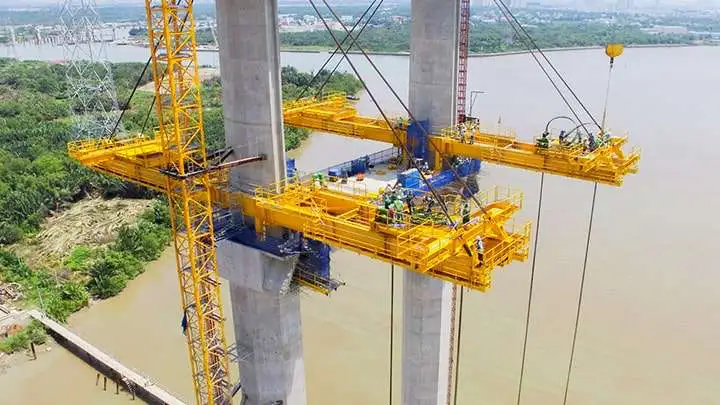
Sino East Steel Group designs and fabricates offshore steel structures for oil & gas exploration, offshore wind energy, and marine infrastructure. Our offshore structures are certified to API 2A, AWS D1.1, NORSOK, and DNV/ABS/BV standards, using high-strength low-alloy (HSLA) steels with advanced NDT inspection protocols. We deliver platform jackets, modules, decks, and support structures that withstand wave loads, hurricane conditions, and corrosive seawater for 25+ year service life.
What Are Offshore Steel Structures?
Offshore structures are fixed or floating platforms installed in oceans and seas for oil and gas extraction, wind energy generation, or marine processing. They must survive extreme environmental conditions: 100-year wave heights (up to 30m), hurricane wind speeds (up to 250 km/h), corrosive seawater (salinity 3.5%), and cyclic loading from waves and currents. Design requires specialized hydrodynamic analysis, fatigue assessment, and corrosion protection far exceeding onshore standards.
Technical Specifications
| Parameter | Specification |
|---|---|
| Structural type | Jacket (template), compliant tower, tension leg platform (TLP), spar, FPSO topsides |
| Water depth | 10m to 300m (fixed jacket); 300m+ (floating) |
| Steel grade | API 2W Gr.50/60, EN 10225 S355G9+N, A709 HPS70W (high-strength low-alloy) |
| Wall thickness | Up to 100mm for joint cans and brace connections |
| Welding | SAW, GMAW, FCAW — DNV-OS-F101, AWS D1.1, NORSOK M-101 qualified |
| NDT inspection | 100% UT of nodal welds, 10% RT backup, 100% MT/PT of surface |
| Corrosion protection | Cathodic protection (sacrificial anodes or ICCP) + thermal sprayed aluminum (TSA) |
| Design life | 20-30 years (structural); 10-15 years (coatings) |
| Certification | DNV, ABS, BV, LR — classification society approved |
Applications
- Oil & Gas: Wellhead platforms, production platforms, process modules, living quarters, flare booms, pipe racks
- Offshore Wind: Monopile transition pieces, jacket foundations for deep-water wind farms, floating wind platforms
- Marine Infrastructure: Port crane structures, loading terminals, navigation aids, lighthouse supports
- Subsea: Subsea templates, manifold supports, pipeline end manifolds (PLEM), umbilical termination structures
Engineering Requirements
Offshore structural design follows API RP 2A-WSD (fixed platforms) or API RP 2T (TLPs), with hydrodynamic analysis using Morison’s equation for wave loading. Fatigue design follows API RP 2A Section 5.4 and DNV-RP-C203, requiring SN-curve analysis with stress concentration factors (SCF) at tubular joints computed using Lloyds Register or Efthymiou equations.
For extreme storm conditions, we perform pushover (ultimate strength) analysis to verify reserve strength ratio (RSR) ≥ 1.5-2.0 per project requirements. Seismic analysis follows API RP 2A Section 2.3.6 for platforms in seismically active regions.
Tubular Joint Fabrication
Offshore jacket nodes are the most critical fabrication challenge: intersecting tubular members require complex profiling, full-penetration welds, and thickened joint cans. Our facility uses CNC plasma pipe profiling machines for precise brace-to-chord intersections, with weld preparation qualified to DNV-OS-F101. All tubular joint welds undergo 100% ultrasonic testing with automated UT (PAUT/TOFD) for reliable flaw detection.
Corrosion Protection
Offshore corrosion protection combines: (1) thermal sprayed aluminum (TSA) 250μm for splash zone protection, (2) multi-coat epoxy systems for atmospheric zones, and (3) cathodic protection — sacrificial aluminum/zinc/indium anodes (design life 20-25 years) or impressed current (ICCP) for large structures. The underwater zone relies primarily on cathodic protection with coating as a backup.
Quality Assurance & Certification
Offshore fabrication requires the highest quality standards. We maintain: DNV/ABS/BV fabrication certification, welding procedure qualifications (WPS/PQR) per DNV-OS-F101, welder qualifications per DNV or ASME IX, 100% NDT coverage on critical welds, and third-party inspection by classification society surveyors. Every material lot receives EN 10204 3.2 certification with classification society endorsement.
Contact Us
Offshore projects require specialized engineering and fabrication capabilities. Our technical team provides comprehensive design reviews, fabrication proposals, and certification support. Contact us for offshore project inquiries.
Project Cost Guides & China Factory Supply
Transparent 2026 pricing benchmarks for importers, contractors and developers.
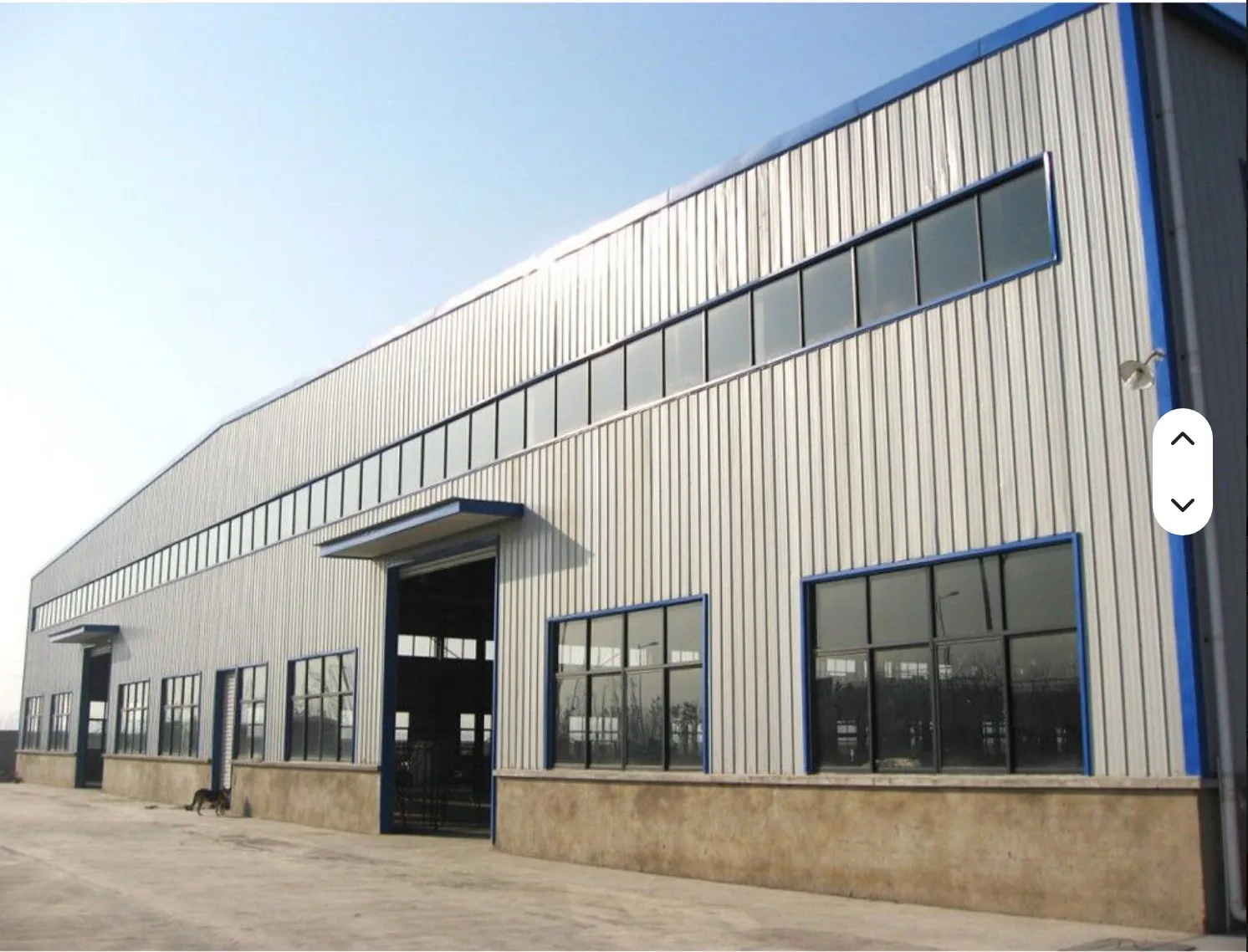 PEB Building Cost in UAEReal 2026 price per square metre for warehouses and factories in Dubai, Abu Dhabi and the wider Gulf, including shipping, customs and erection.Dubai / Abu Dhabi benchmarksView details →Nigeria
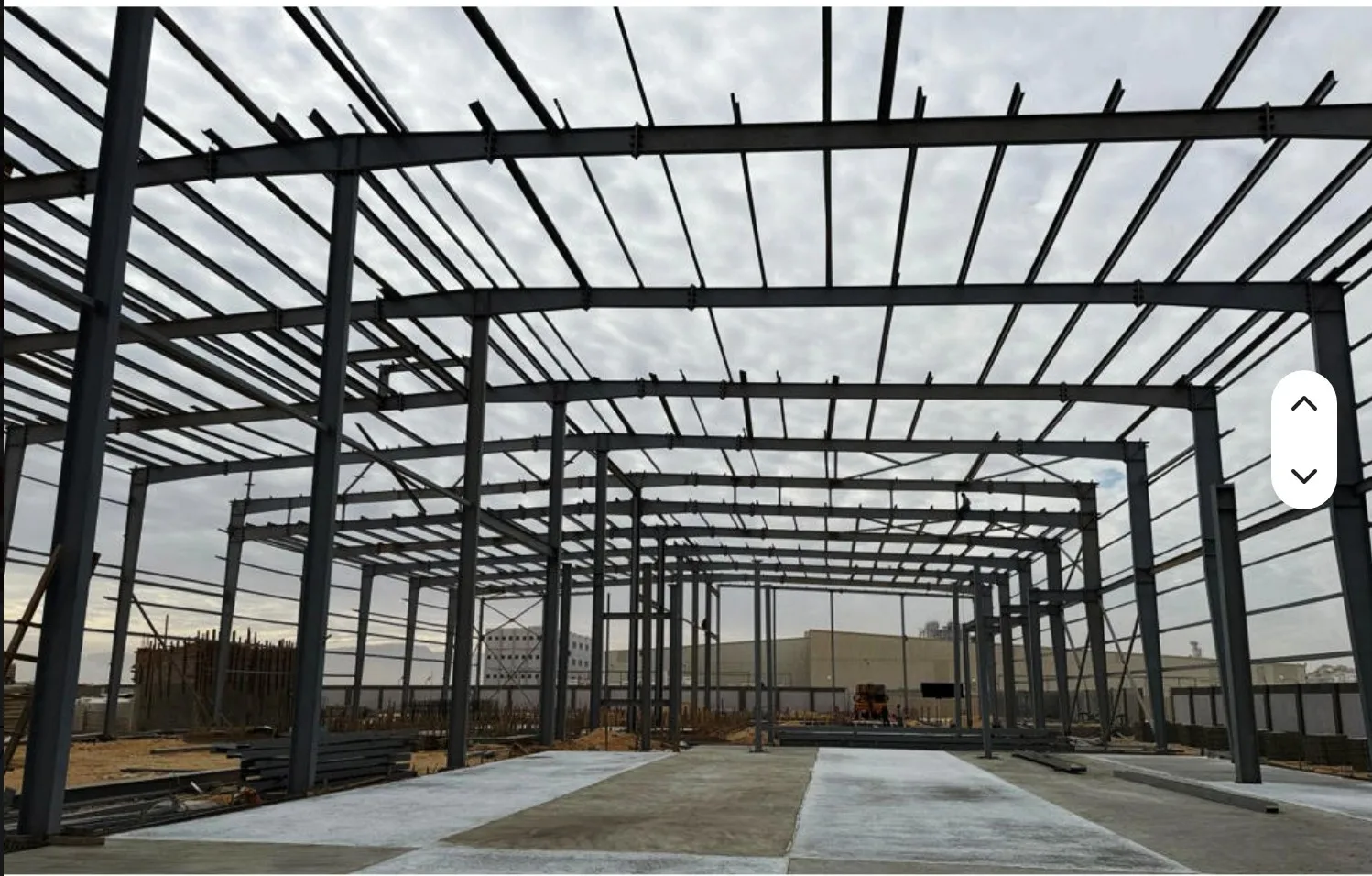 Steel Structure Cost in NigeriaLanded cost breakdown for Lagos and Abuja projects: steel tonnage, freight to Apapa, clearing, and local erection labour rates.Lagos / Abuja landed costView details →Kenya
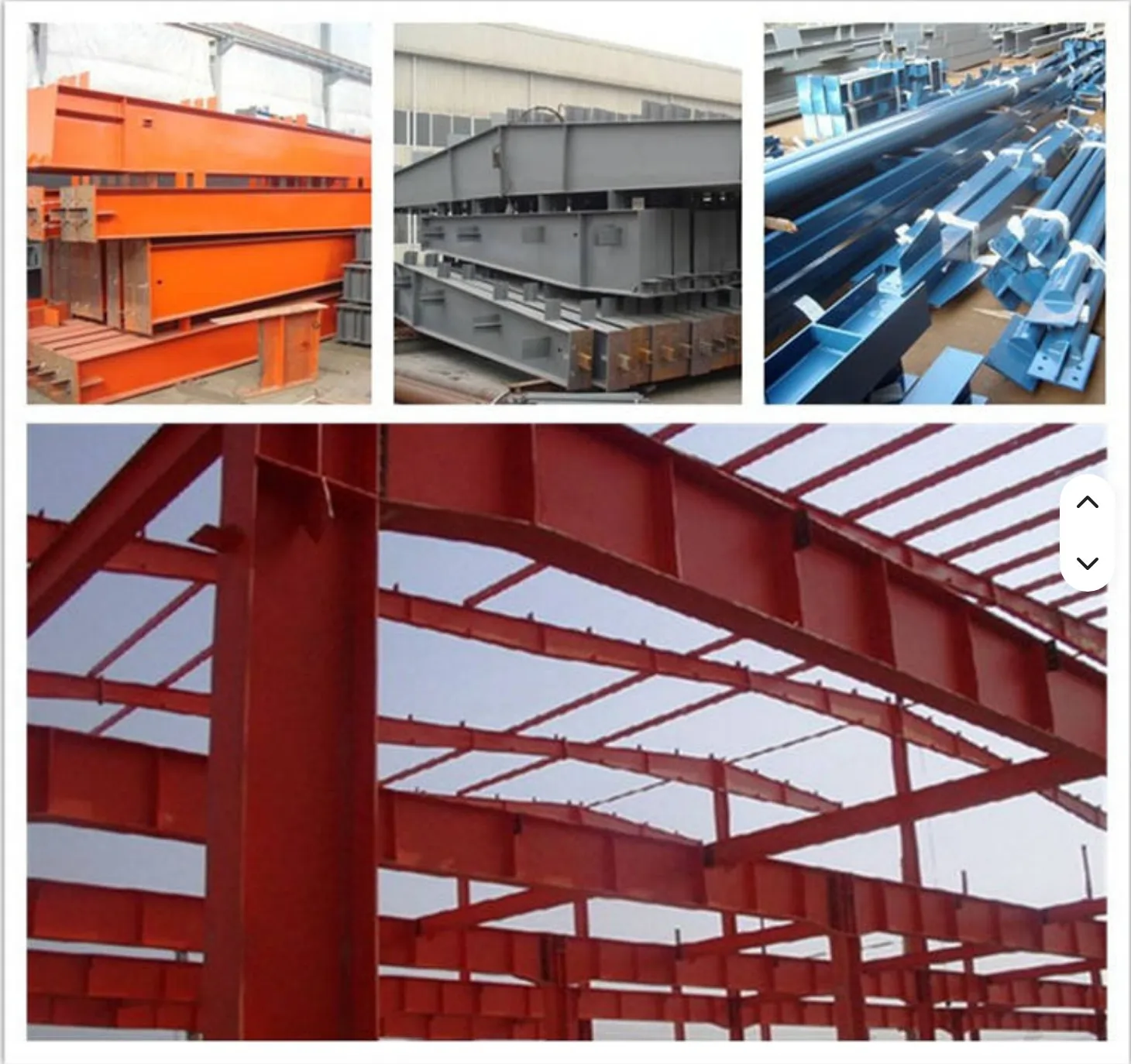 Steel Structure Cost in KenyaMombasa port charges, duty, transport and installation factored into a full 2026 budget for Nairobi and Mombasa industrial buildings.Nairobi / Mombasa budgetView details →China Factory
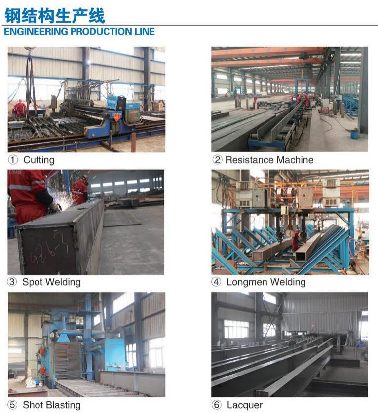 China Steel Structure ManufacturerOur own fabrication lines, ISO and CE certification, 350,000 sqm annual capacity and direct factory pricing with no trading margin.Direct factory quotationView details →