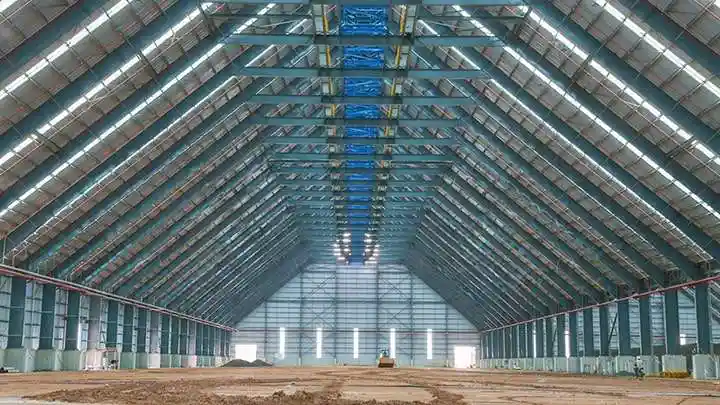
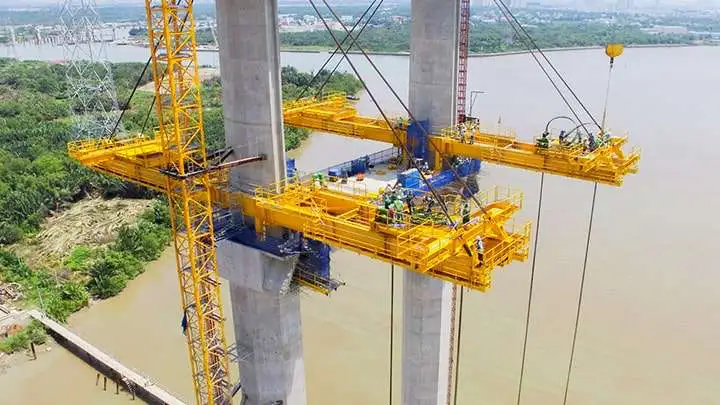
Processing Industry Steel Structures — Built for Corrosive, High-Temperature, and Hazardous Environments
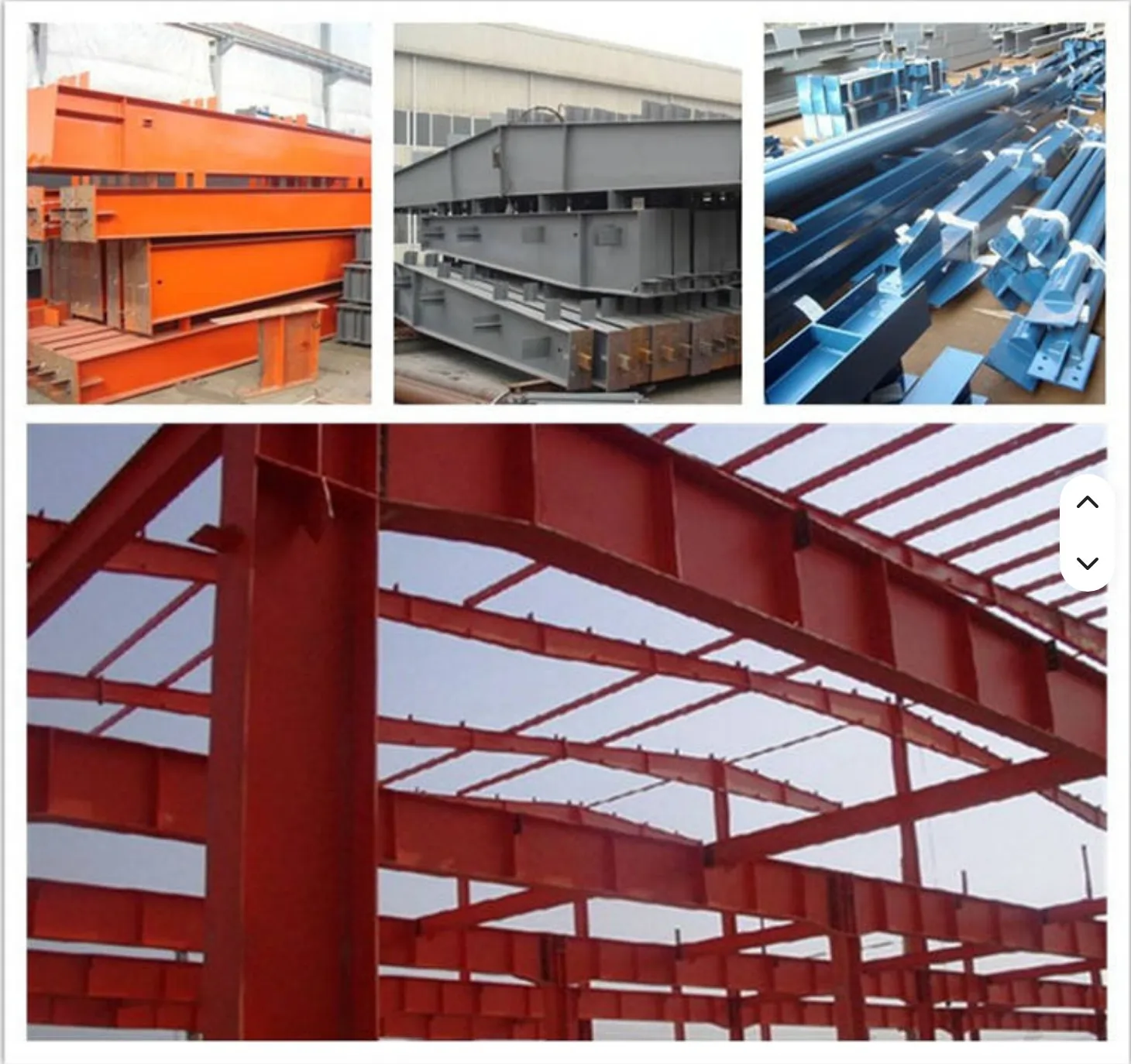
Sino East Steel Group designs and fabricates steel structures for chemical plants, refineries, mineral processing facilities, and food/beverage processing plants. Our processing industry structures are engineered for corrosive environments with epoxy/glass-flake coating systems, stainless steel and duplex options, and compliance with petrochemical industry standards including API 650, NFPA 30, and OSHA 1910. We deliver pipe racks, process platforms, equipment supports, and storage facilities that maintain structural integrity in the harshest processing environments.
What Makes Processing Industry Structures Unique?
Processing facilities — chemical plants, refineries, smelters, pulp mills — present challenges absent in standard commercial buildings: corrosive vapors (H2S, SO2, chlorides), high-temperature exposure from process equipment, explosion hazards requiring blast-resistant design, vibration from rotating equipment (pumps, compressors), and strict regulatory compliance (OSHA, EPA, NFPA, API). Steel structures in these environments require specialized material selection, coating systems, and engineering considerations.
Technical Specifications
| Parameter | Specification |
|---|---|
| Material options | Carbon steel (Q355B/A572), stainless steel (304/316L/duplex 2205), weathering steel |
| Coating systems | Epoxy phenolic, glass-flake vinyl ester, fluoropolymer (20-year C5/I-M3 service) |
| Fire protection | Up to 4-hour fire rating (cementitious or intumescent for hydrocarbon fire curves) |
| Blast design | API RP 752/753 blast-resistant analysis, ductility ratios up to 3.0 |
| Equipment support | Vibration isolation, machinery grouting, thermal expansion accommodation |
| Access platforms | OSHA-compliant stairs, walkways, ladders with fall protection |
| Pipe rack span | 6m to 18m, with pipe load capacity up to 500 kg/m |
| Design codes | AISC 360, ASCE 7, API 2218, NFPA 30, OSHA 1910 Subpart D |
Applications
- Petrochemical: Pipe racks, process modules, compressor houses, separator supports, flare stacks
- Refineries: CDU/VDU structures, catalytic cracker supports, tank farm infrastructure
- Chemical: Reactor platforms, storage tank exteriors, loading rack canopies, scrubber supports
- Mineral Processing: Crusher buildings, conveyor galleries, flotation cell platforms, thickener tank supports
- Pulp & Paper: Digester platforms, recovery boiler structures, machine room superstructures
- Food & Beverage: Processing halls with hygienic surfaces, stainless steel platforms, CIP system supports
Corrosion Protection Strategy
Processing environments accelerate corrosion through chemical exposure, humidity, and temperature cycles. Our corrosion protection strategy follows ISO 12944 and NACE SP0178:
- Atmospheric zone (C4/C5-I): Sa 2.5 blast + zinc-rich epoxy (75μm) + epoxy MIO (125μm) + polyurethane topcoat (75μm) — 20+ year life
- Splash/immersion zone (Im2/Im3): Glass-flake vinyl ester or epoxy phenolic (500-1000μm) — 15-20 year life
- High-temperature zone (>200°C): Silicone-based coatings or thermal sprayed aluminum (TSA)
- Extreme corrosion: Duplex stainless steel (2205/2507) or cladding for structural members
Fire Protection for Hydrocarbon Exposure
Processing facilities face hydrocarbon pool fire and jet fire risks. We design passive fire protection (PFP) per API 2218 and UL 1709: cementitious fireproofing (100-150mm thickness) for up to 4-hour rating, intumescent coatings for aesthetic areas, and ablative materials for jet fire exposure. Critical structural members (pipe rack legs, equipment supports) receive enhanced fire protection to prevent progressive collapse during fire events.
Blast-Resistant Design
For facilities handling flammable materials, we perform blast load analysis per API RP 752 and ASCE “Design of Blast-Resistant Buildings in Petrochemical Facilities.” Design approach: elastic design for low-pressure events (3-5 psi), plastic design with ductility ratios up to 3.0 for medium-pressure events (5-10 psi), and specialized blast-resistant buildings for high-pressure zones. Connection detailing follows AISC 341 for ductile behavior.
Equipment Support & Vibration Control
Rotating equipment (pumps, compressors, turbines) generates dynamic loads requiring: natural frequency analysis (avoiding resonance with equipment operating speeds), vibration isolation pads or spring isolators, machinery grouting (non-shrink cementitious or epoxy grout) for equipment bases, and thermal expansion accommodation for high-temperature piping and vessels.
Quality Assurance
Processing industry projects require: material traceability (EN 10204 3.1/3.2), welder qualifications for stainless steel and exotic materials, coating inspection (NACE Level 2/3 inspector), and dimensional verification per AISC Code of Standard Practice. Documentation includes material test reports, welding records, coating inspection reports, and as-built drawings.
Contact Us
For processing industry projects requiring corrosion-resistant and blast-resistant engineering, contact our technical team for detailed proposals.
Project Cost Guides & China Factory Supply
Transparent 2026 pricing benchmarks for importers, contractors and developers.
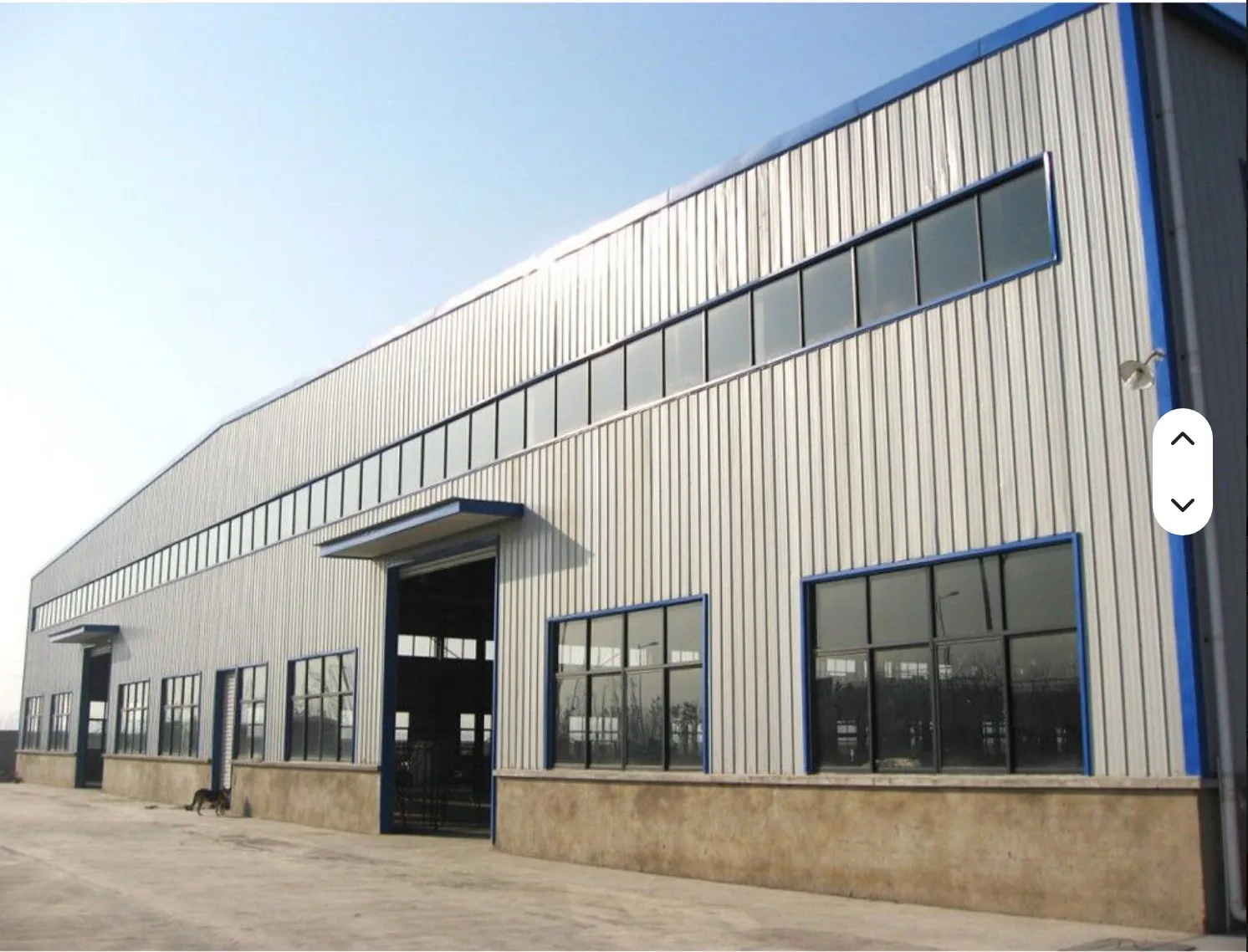 PEB Building Cost in UAEReal 2026 price per square metre for warehouses and factories in Dubai, Abu Dhabi and the wider Gulf, including shipping, customs and erection.Dubai / Abu Dhabi benchmarksView details →Nigeria
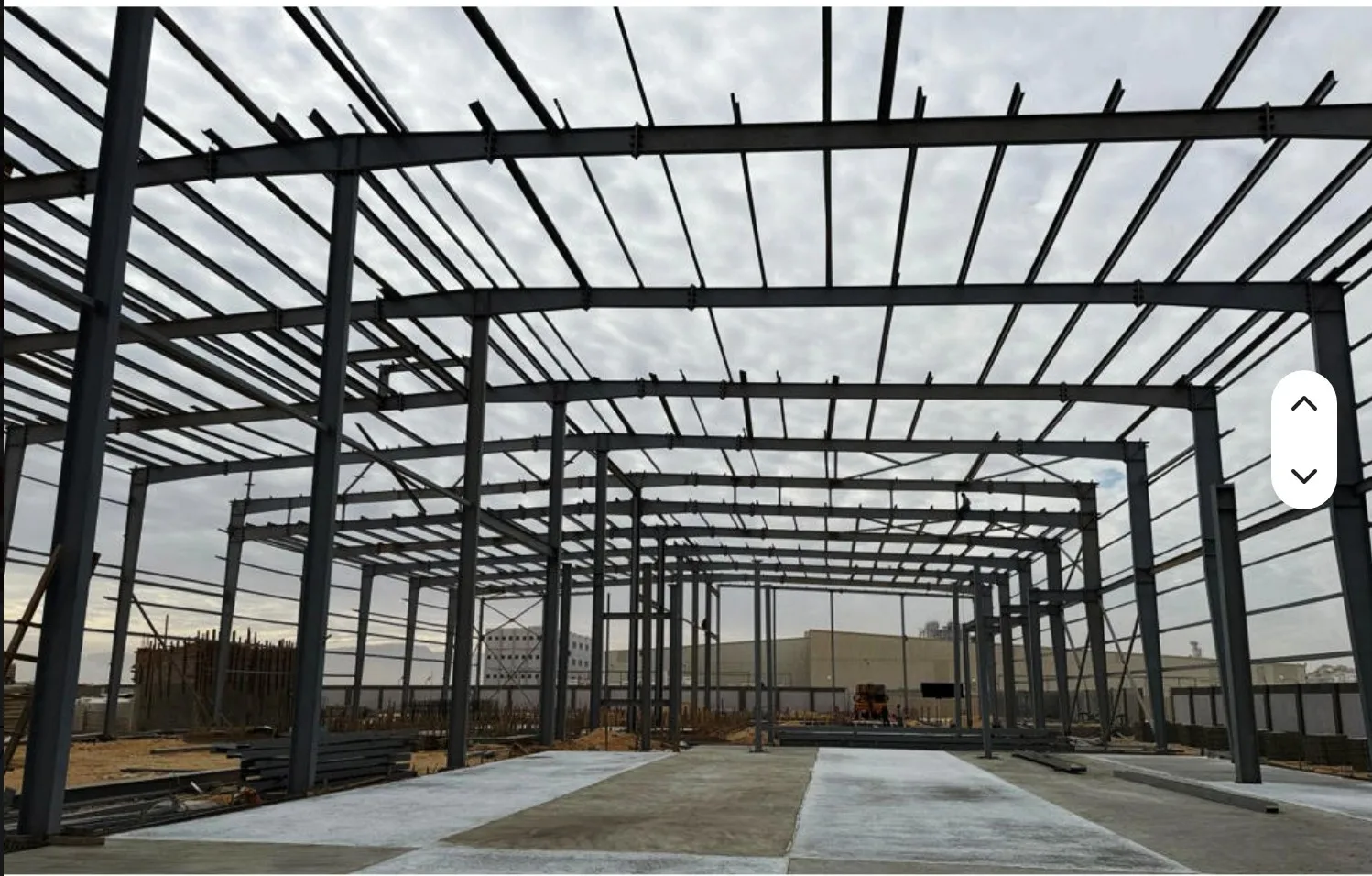 Steel Structure Cost in NigeriaLanded cost breakdown for Lagos and Abuja projects: steel tonnage, freight to Apapa, clearing, and local erection labour rates.Lagos / Abuja landed costView details →Kenya
 Steel Structure Cost in KenyaMombasa port charges, duty, transport and installation factored into a full 2026 budget for Nairobi and Mombasa industrial buildings.Nairobi / Mombasa budgetView details →China Factory
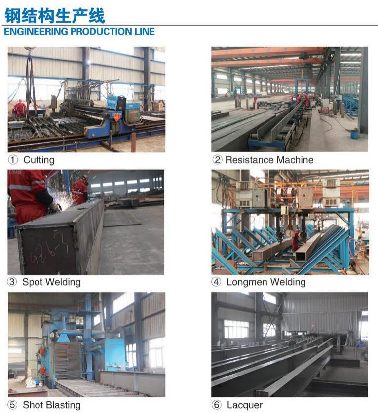 China Steel Structure ManufacturerOur own fabrication lines, ISO and CE certification, 350,000 sqm annual capacity and direct factory pricing with no trading margin.Direct factory quotationView details →